
Serviced Office vs Traditional Office in Ho Chi Minh City: 2026 Guide

When comparing a serviced office vs traditional office in Ho Chi Minh City, the choice hinges on your priorities: serviced offices offer flexibility and all-inclusive convenience, while traditional offices provide long-term control and potential cost savings. This guide breaks down costs, lease terms, amenities, and locations to help expats and businesses pick the right space.
What Is a Serviced Office vs Traditional Office in HCMC?
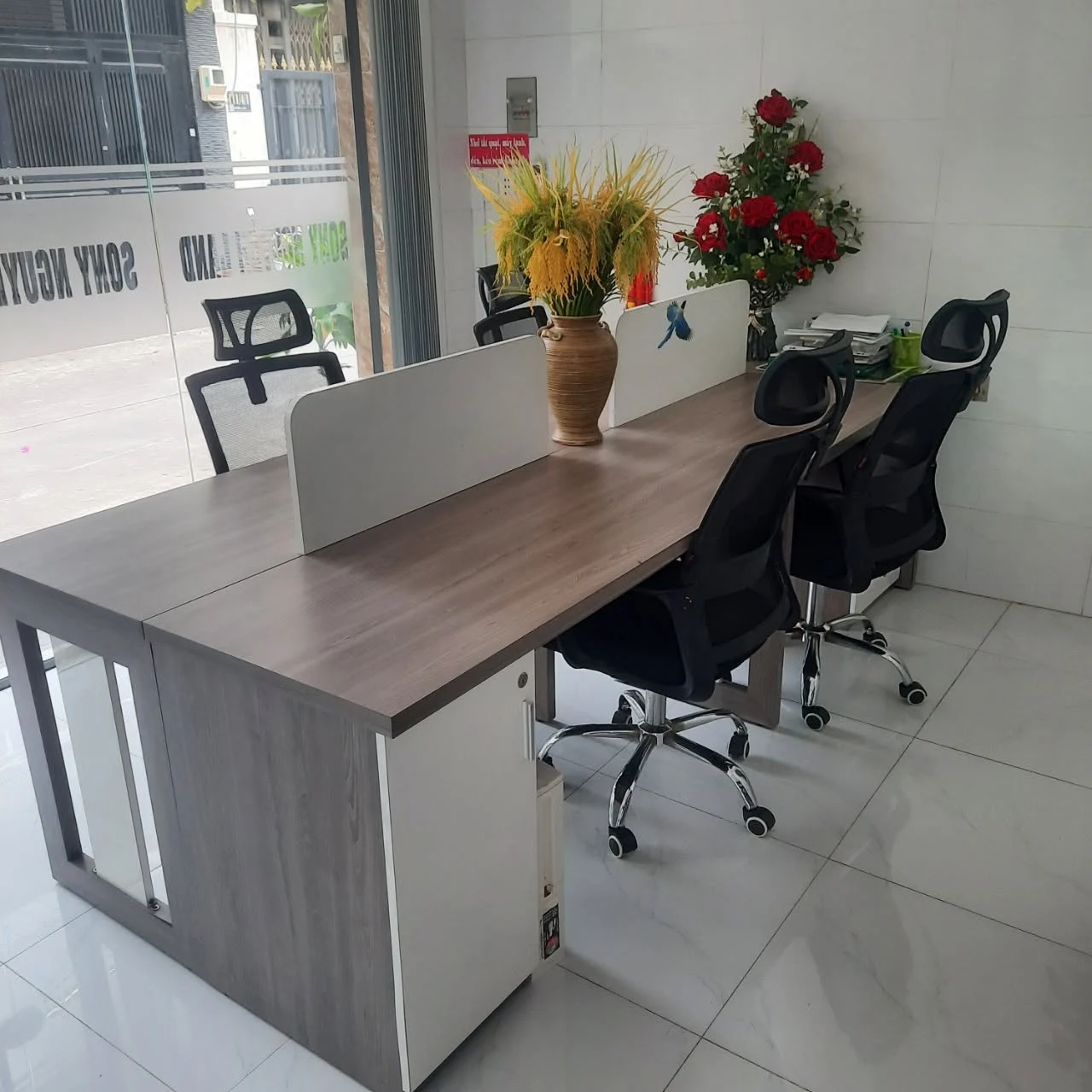
In Ho Chi Minh City, the serviced office vs traditional office decision usually comes down to how much you want to manage yourself. Both exist in every price bracket, but they work very differently in practice. Here is the basic distinction before we compare them on cost, flexibility and amenities.
Serviced Office
A serviced office is a fully furnished workspace run by an operator. Rent is typically all-inclusive: furniture, air conditioning, electricity in common areas, internet, reception, cleaning and building management are bundled into one monthly fee. Tenants share meeting rooms, pantries and sometimes co-working areas, and leases are usually short and flexible.
The operator handles fit-out, maintenance and staffing, so you can move in and start working almost immediately. This model is popular with expat founders, small sales teams and companies testing the Vietnamese market. Well-known serviced office Ho Chi Minh City options include the Rubicon Building and the Halo Building, both of which offer furnished, managed spaces in central locations.
Traditional Office
A traditional office is a space you lease directly, often as a bare shell or a partly fitted floor. You sign a longer lease, usually measured in years, and take responsibility for fit-out, utilities, internet, cleaning and day-to-day services. Some landlords offer fitted space, but the tenant still manages most operating details.
Traditional office for rent HCMC options are concentrated in Grade A and Grade B towers in District 1 and in newer stock around Thu Duc City. These buildings suit companies that want their own layout, signage and identity, and can commit to a multi-year term. A flexible office lease in Vietnam is possible in this segment, but it is the exception rather than the rule.
The sections that follow compare the two models on cost, lease terms, amenities and location, so you can judge which fits your team.
Cost Comparison: Serviced Office vs Traditional Office
When comparing a serviced office vs traditional office in Ho Chi Minh City, the headline rent rarely tells the full story. Serviced offices typically charge a higher price per square metre, but that figure bundles in furniture, utilities, internet, cleaning, reception and often meeting-room credits. Traditional offices for rent in HCMC come with a lower base rent, yet you will need to budget separately for fit-out, deposits, utilities and ongoing management.
Upfront Costs
Upfront costs are where the two models diverge most. Serviced offices usually require a deposit of one to two months' rent and may include a small registration or setup fee; you can move in within days because the space is already furnished and connected.
Traditional offices often demand a deposit of two to three months' rent, plus the cost of fitting out the space — partitioning, lighting, air conditioning, flooring, furniture and IT cabling. Fit-out can take weeks or months and may require landlord approval, adding time and expense before your team can work.
Monthly Costs
On a monthly basis, serviced offices present a single, transparent invoice that covers rent, utilities, internet, cleaning, reception services and building management. This all-in pricing makes budgeting predictable, especially for small teams or companies new to Vietnam.
Traditional offices bill rent separately from electricity, water, internet, cleaning, security and maintenance. You will also manage service providers and handle repairs yourself, which can mean variable monthly costs and administrative overhead. The table below illustrates typical cost structures (note that actual figures vary by building, location and lease terms).
| Cost Item | Serviced Office | Traditional Office |
|---|---|---|
| Rent per m² | Higher | Lower |
| Deposit | Typically 1–2 months | Often 2–3 months |
| Fit-out | Included (furnished) | Tenant's cost and responsibility |
| Utilities & internet | Included in rent | Billed separately |
| Cleaning | Included | Separate contract |
| Reception | Included | Not included |
| Furniture | Provided | Purchase or lease |
For a practical example of a traditional office floor that would require your own fit-out, see this listing:

VNO Office on Dien Bien Phu, 8th Floor, 90m² in HCMC
Contact for price
- 90 m²
- VNO, Gia Dinh, Ho Chi Minh City
Hidden Costs to Watch
Even with transparent pricing, watch for extras. Serviced offices may charge for additional meeting-room hours, printing, extra phone lines or parking. Traditional offices can surprise you with service charges, air-conditioning usage outside office hours, lift maintenance fees and reinstatement costs at lease end.
Over one to three years, the total occupancy cost may favour a traditional office for larger teams (roughly 20+ people) that can amortise fit-out over a longer lease. Smaller teams or those needing flexibility often find the all-in simplicity of a serviced office Ho Chi Minh City offers better value and fewer administrative headaches.
Flexibility and Lease Terms: Which Suits Your Business?
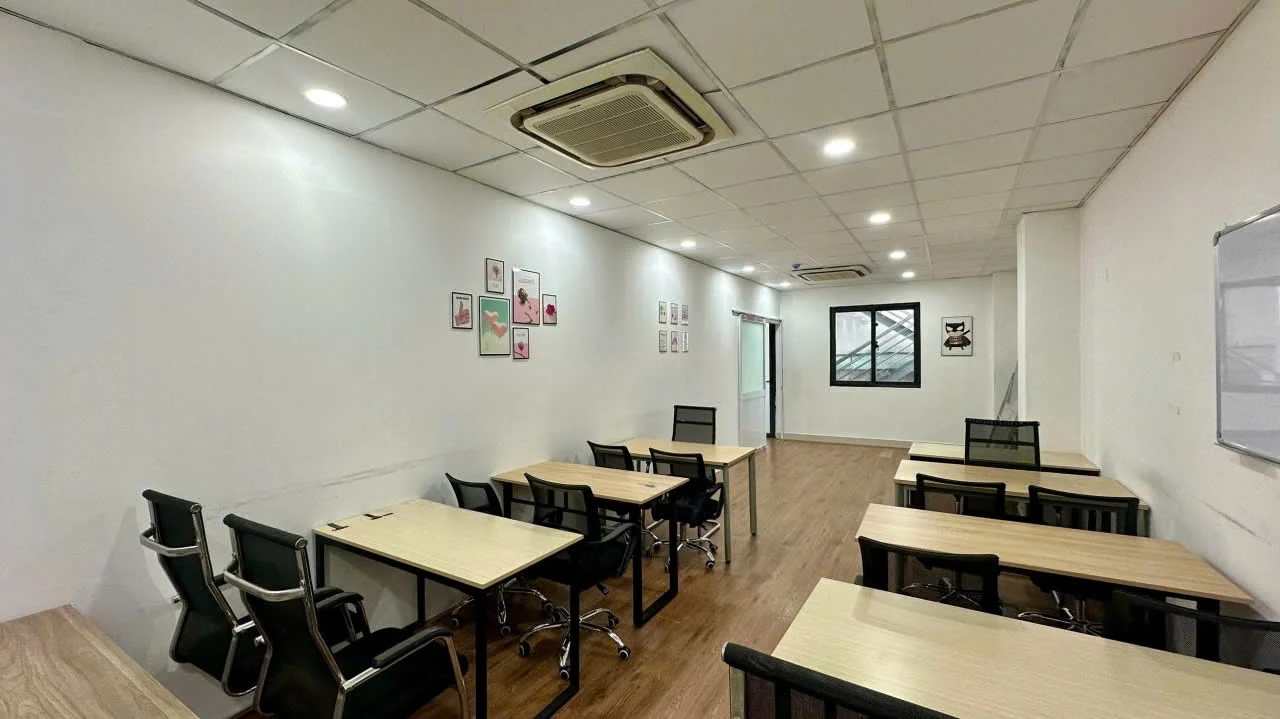
How much room you need to move — and how fast — often decides the serviced office vs traditional office question before rent even enters the conversation. Lease structure and exit terms are where the two models diverge most sharply.
Lease Duration
Serviced offices in Ho Chi Minh City typically run on monthly to yearly agreements, with some operators offering rolling monthly terms. That means a startup can sign, move in and reassess within a quarter rather than planning years ahead.
Traditional office for rent HCMC arrangements usually follow a two- to three-year term. Tenants can often negotiate a rent-free fit-out period at the start and secure renewal options in the contract, but these points must be agreed before signing — they are not automatic.
Scalability
Serviced operators can usually move a growing team to a larger suite or add desks within the same building, subject to availability. Downsizing is similarly straightforward, which suits project teams whose headcount rises and falls.
In a traditional lease, expansion means negotiating additional space — possibly on another floor or in another building — and amending the contract. Established companies with stable, predictable headcount rarely need this, and a fixed footprint keeps their occupancy cost steady. A mid-sized firm that has outgrown a serviced suite but still wants a managed building might consider a full floor in a well-located block; this furnished floor on Nguyễn Thị Minh Khai in District 1 is one example of that middle path.
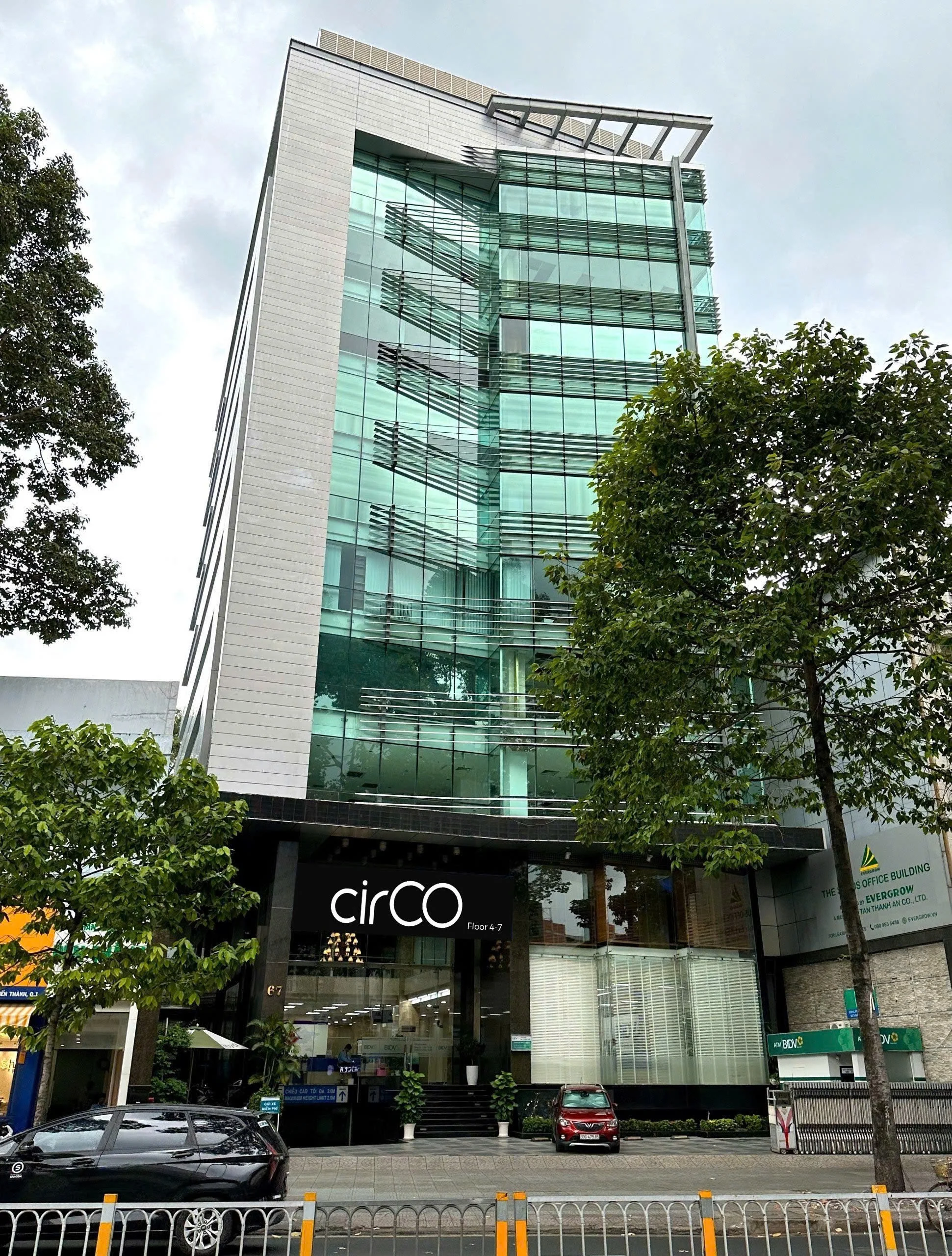
Furnished Office Floor for Rent on Nguyễn Thị Minh Khai, District 1, HCMC
Contact for price
- 410 m²
- Ben Thanh Ward, District 1, Ho Chi Minh City
Exit and Renewal
Serviced contracts usually require a notice period — often one to three months — so check the exact clause before signing. Traditional leases may carry early-termination penalties, deposit forfeiture or restoration obligations, all of which should be read carefully and, ideally, reviewed by a local legal advisor.
On renewal, serviced operators tend to adjust rates annually, while traditional landlords often negotiate at renewal time. Either way, confirm what notice you must give and what condition the space must be returned in.
Verdict: startups, project teams and companies testing the Vietnamese market generally favour serviced offices for their short commitments and easy scaling. Established businesses with stable headcount usually get better value and control from a traditional lease — provided they negotiate exit terms up front.
Amenities and Services: What’s Included?
The amenity gap is one of the clearest practical differences in the serviced office vs traditional office decision. In a serviced office, the operator runs the building day to day, so most of the services your team relies on are already in place when you move in. With a traditional office for rent in HCMC, you assemble those services yourself.
Included Services
A typical serviced office Ho Chi Minh City package covers reception and mail handling, daily cleaning, building security, internet, pantry supplies, printing and basic IT support. Staff at buildings such as Rubicon Building or Halo Building usually act as a first point of contact for visitors and deliveries, which matters if you host clients.
A traditional office usually includes only building security and cleaning of common areas such as lobbies, corridors and lifts. Inside your suite, you arrange your own cleaning contractor, reception staff, internet line, water, printing equipment and repairs. That gives full control over vendors and quality, but it adds administrative work and setup time.
Meeting and Common Areas
- Serviced: meeting rooms are often bundled as a monthly allocation of hours, with extra time bookable. Shared kitchens, lounges and sometimes phone booths are part of the package.
- Traditional: you fit out and pay for your own meeting rooms, and any shared facility must be booked and paid for separately, if the building offers one at all.
Serviced operators also tend to run community events and networking sessions, which can be useful for small teams building local contacts.
Technology and IT
Serviced offices generally provide high-speed internet and a ready phone system, sometimes with IT support on call. In a traditional lease, you contract the internet provider, install cabling and phones, and manage your own IT. The verdict: serviced offices reduce administrative burden, while traditional space gives you full control over vendors and infrastructure.
Location and Building Quality: Serviced vs Traditional in HCMC
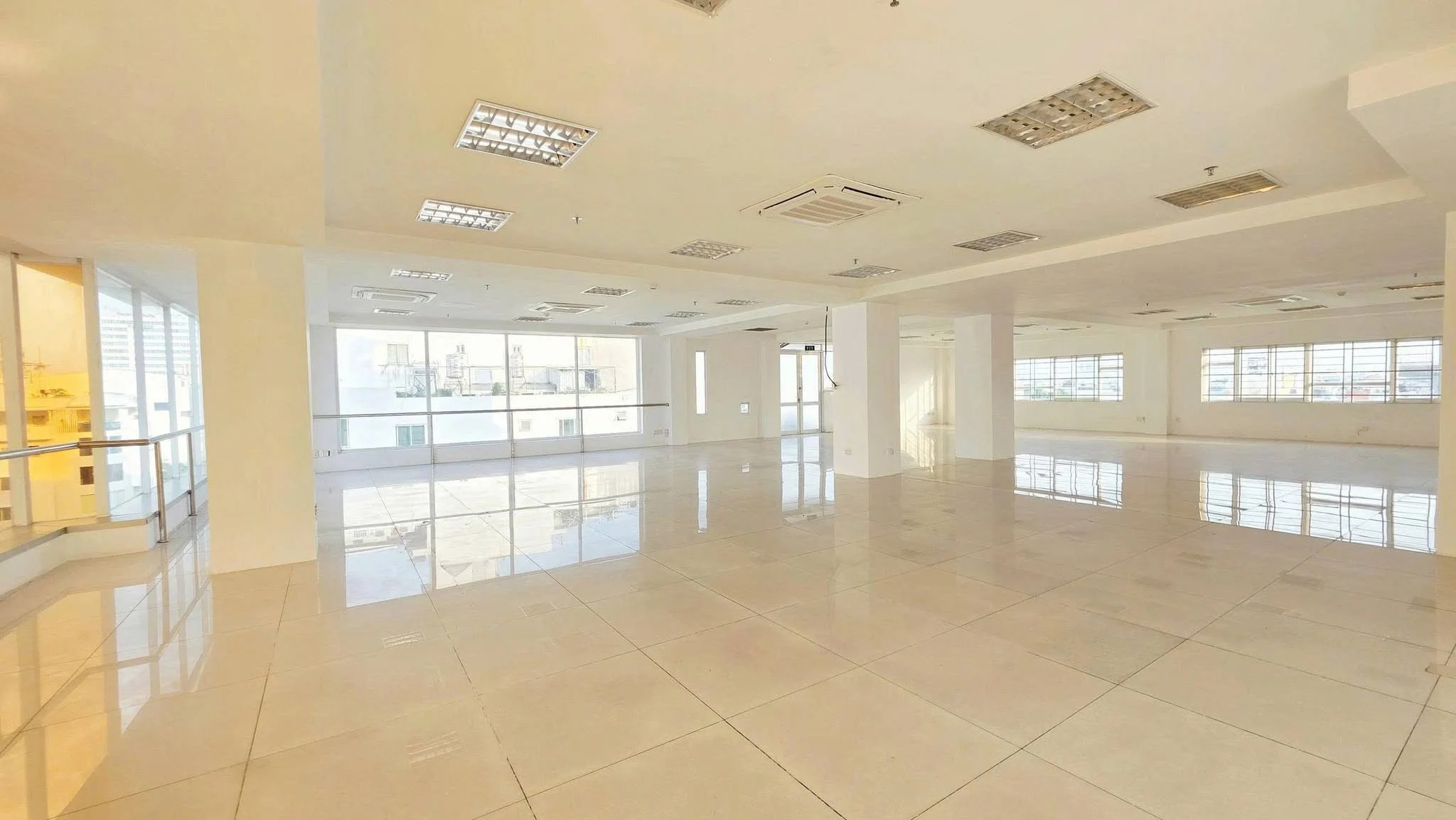
Where you sit matters as much as what you pay. When weighing serviced office vs traditional office options in Ho Chi Minh City, location and building quality often decide the shortlist before cost or lease terms are even discussed.
Prime Locations
Serviced offices tend to cluster in prime, central districts such as District 1 and District 3, often inside easily accessible buildings like the Rubicon Building or Halo Building. These addresses put clients, banks, restaurants and government offices within walking distance, which suits small teams and client-facing firms.
Traditional office for rent HCMC options are spread more widely: Grade A and Grade B towers in District 1, newer stock in District 7 near Phu My Hung, and growing supply in Thu Duc City. That breadth gives larger tenants more choice on floor plates and parking, though quality varies noticeably between buildings.
Building Grade and Prestige
A Grade A traditional tower can impress larger corporate clients, particularly for boardroom meetings or tender presentations where address carries weight. Serviced offices are often housed in mixed-use buildings with retail and F&B downstairs, which feels convenient and lively but less formal.
Check the building's management, lift capacity, security and maintenance standards before signing, as these vary and should be verified on a site visit.
Accessibility
Consider how staff and clients actually arrive. Central District 1 locations are well served by taxis and ride-hailing but can be congested at peak hours and short on parking. District 7 and Thu Duc City may suit employees living in those areas and offer easier parking, at the cost of longer trips for central clients.
Verdict: prioritise a central, prestigious address if clients visit often; prioritise commute and parking if your team is the main audience.
Which Option Fits Your Business? A Verdict by Need
There is no single winner in the serviced office vs traditional office debate in Ho Chi Minh City — the right choice depends on how fast you expect to grow, how much control you need over your space, and how much admin your team can absorb. Use the profiles below as a starting point, then confirm current terms directly with operators and landlords, since availability and pricing change frequently.
For Startups
Early-stage teams usually benefit most from a serviced office Ho Chi Minh City option: low upfront cost, no fit-out risk, and the freedom to scale up or step out within a short notice period. A small team can move into a District 1 or District 3 building and be operational within days rather than months.
- Best fit: serviced office, especially in operator-run buildings such as Rubicon Building or Halo Building.
- Watch for: per-desk pricing that rises as you add headcount, and limits on meeting-room hours.
For SMEs
Companies with steady, predictable growth often take a two-stage route: start in a serviced office for one to two years while the local entity, headcount and client base stabilise, then transition to a traditional office for rent in HCMC once space needs are clear. This staged approach limits early capital outlay while still securing a longer, more cost-efficient lease later.
- Best fit: serviced first, traditional lease second.
- Watch for: fit-out timelines and landlord approval processes when you make the switch.
For Enterprises
Large organisations typically gain more from a traditional office: full control over layout, branding, security and IT infrastructure, plus better long-term cost efficiency per square metre on a multi-year lease. Project-based or seasonal teams are the exception — for them, a flexible office lease Vietnam arrangement in a serviced building avoids paying for empty desks between campaigns.
- Best fit: traditional office for headquarters; serviced space for project teams and satellite offices.
- Watch for: fit-out budgets, handover condition and reinstatement obligations at lease end.
If your brand identity and custom fit-out are central to how clients experience your office, a traditional lease gives you the freedom a serviced operator cannot. If speed, flexibility and a predictable monthly bill matter more, serviced wins.
Making the Right Choice for Your Business
Deciding between a serviced office and a traditional office in Ho Chi Minh City comes down to your business stage, budget, and need for flexibility. Serviced offices like those at Rubicon Building and Halo Building are ideal for startups and SMEs seeking hassle-free setups, while traditional offices suit established companies planning long-term growth. Consider your priorities—cost, control, and convenience—to make an informed decision.
Ready to explore your options? Browse our listings of serviced and traditional offices in Ho Chi Minh City to find the perfect fit for your team.
Frequently asked questions
What is the main difference between a serviced office and a traditional office in Ho Chi Minh City?
A serviced office is fully furnished and managed by an operator, with utilities, reception, and amenities included in one monthly fee. A traditional office is leased directly from a landlord, often unfurnished, with longer terms and tenant-managed fit-out and services. Serviced offices offer flexibility, while traditional offices provide more control and customization.
Is a serviced office more expensive than a traditional office in HCMC?
Serviced offices typically have higher monthly rents per square meter because they bundle utilities, furniture, and services. However, they require little to no upfront capital for fit-out. Traditional offices may have lower base rent but come with significant upfront costs for customization and setup. Over time, traditional leases can be more cost-effective for stable businesses.
Can I register my business address at a serviced office in Vietnam?
Yes, most serviced office operators in Vietnam allow business address registration, which is essential for legal compliance. This service is often included or available for a small fee. It provides a professional address and mail handling. However, confirm with the operator that they support registration for your specific business type.
What lease terms are typical for traditional offices in Ho Chi Minh City?
Traditional office leases in Ho Chi Minh City usually range from 3 to 5 years, with some landlords requiring a minimum of 2 years. Terms often include rent escalation clauses, deposits of 2-3 months' rent, and fit-out periods. Shorter terms may be negotiable but often come at a premium. Review contracts carefully with legal advice.
Which type of office is better for a startup in HCMC?
Serviced offices are generally better for startups due to their flexibility, low upfront costs, and included amenities. Startups can scale up or down easily without long-term commitments. They also benefit from networking opportunities and professional environments. However, if the startup has stable funding and plans rapid growth, a traditional office with customization might be considered.


