Building Viewing Checklist HCMC: What to Inspect Before You Sign

A building viewing checklist HCMC is essential for expats and businesses to avoid costly mistakes when renting. This guide provides a step-by-step checklist covering pre-viewing research, structural inspection, utilities testing, legal document verification, neighborhood assessment, and final negotiation to ensure a safe and legally sound rental.
Why a Building Viewing Checklist HCMC Is Essential

Renting a whole building, villa, or shophouse in Ho Chi Minh City is a major commitment, whether for a business or a family. Without a thorough inspection, you risk inheriting structural defects, illegal modifications, utility problems, and even legal disputes that can cost you time and money. A building viewing checklist HCMC helps expats and businesses avoid these costly mistakes by ensuring nothing is overlooked.
Common Risks When Renting Without Inspection
Many older buildings in HCMC have been modified without proper permits, leading to safety hazards or future legal issues. Utility systems may be outdated or insufficient for your needs, and hidden water damage or electrical faults can be expensive to fix. Legal disputes over ownership or zoning can also arise, putting your rental agreement at risk.
How a Checklist Protects You
A building viewing checklist HCMC is not just for the viewing itself; it also guides your pre-viewing research. Before you visit, use the checklist to verify ownership documents, zoning regulations, and the building's history. During the viewing, it helps you systematically inspect the property, from the foundation to the roof, and test all utilities.
For example, when considering a villa for rent Ho Chi Minh City, a checklist reminds you to check for proper drainage, roof condition, and legal land-use rights. Similarly, for a shophouse for rent Saigon, you should verify that the commercial space meets your business requirements and that any modifications are legal.
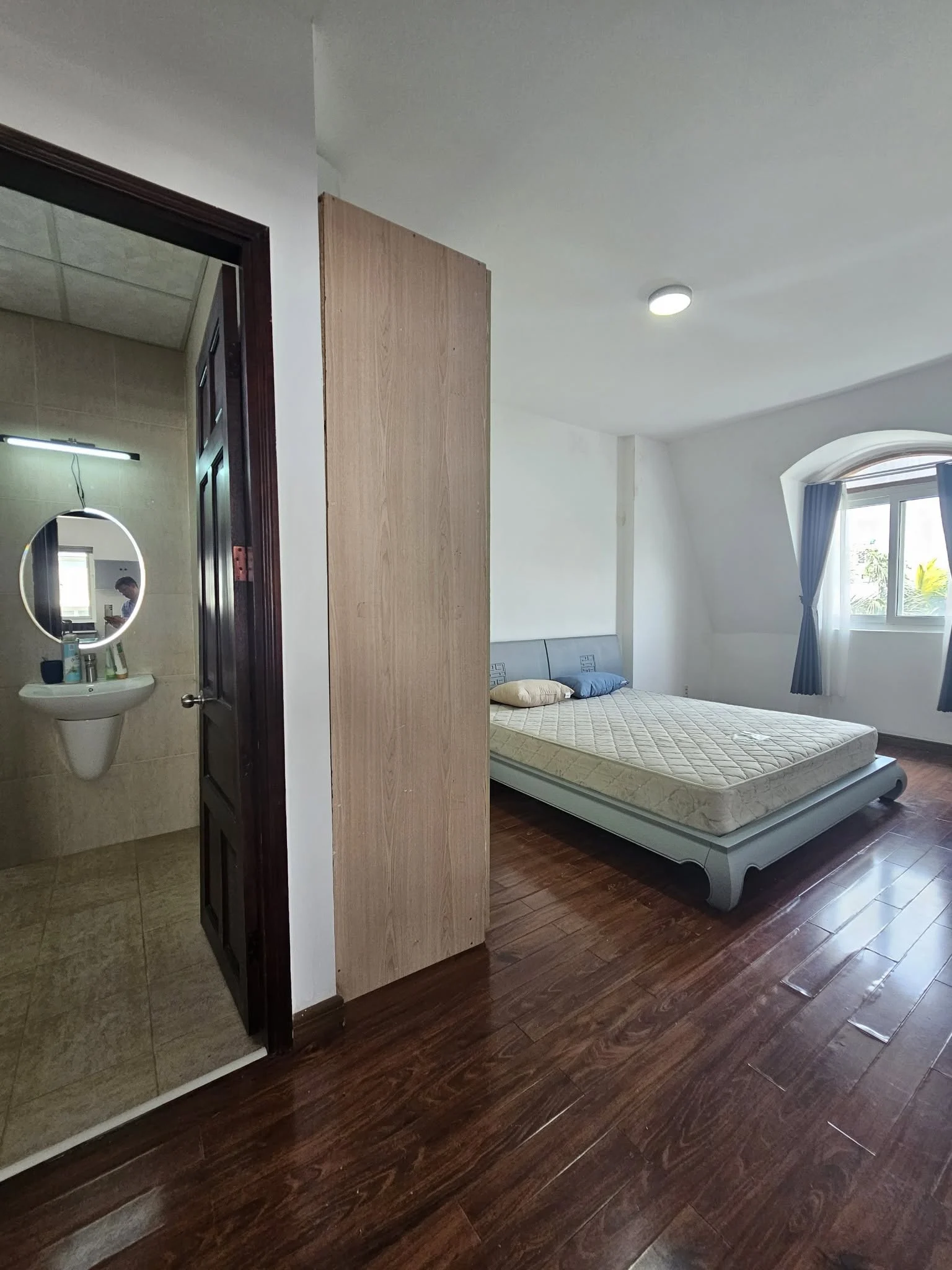
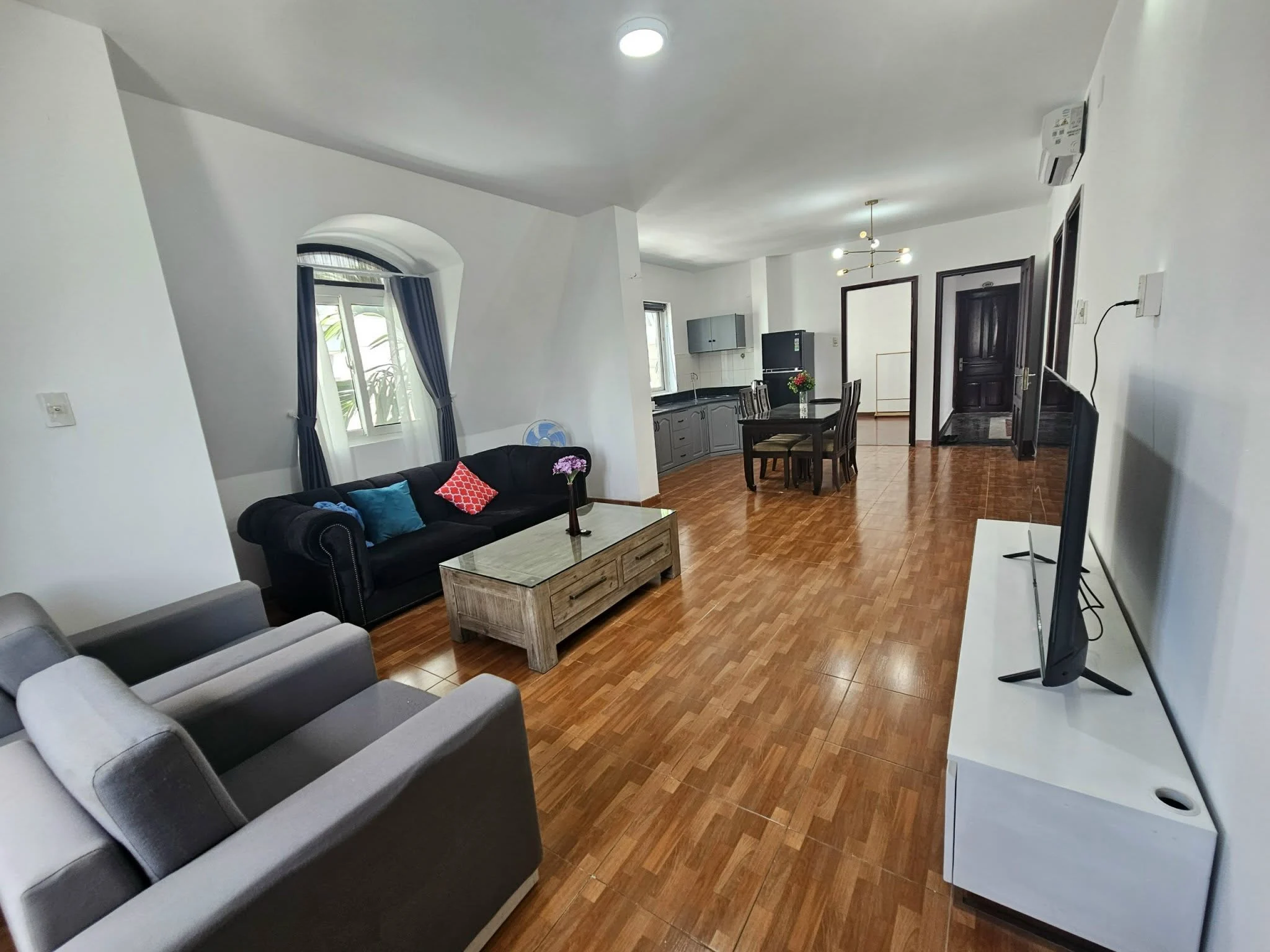
Here is an example of a whole building for rent HCMC that would benefit from a detailed inspection:
Whole Building for Rent on Nguyen Binh Khiem, District 1, HCMC
Contact for price
- 364 m²
- District 1, Ho Chi Minh City
By using a property inspection checklist Vietnam, you can negotiate repairs or price adjustments before signing the rental contract HCMC, ensuring a smooth and secure tenancy.
Pre-Viewing Checklist: What to Research Before You Visit
A productive viewing starts at the desk. Before you travel across the city, gather documents and ask questions by email or phone so you can rule out unsuitable properties and focus your time on serious candidates.
Legal and Zoning Checks
Ask the landlord or agency to share copies of the land use rights certificate (sổ đỏ or sổ hồng) and the construction permit. Confirm that the certificate holder matches the party you will sign the rental contract HCMC with, and that the building's use matches your plans. If you intend to run a business, ask whether a business license is in place and whether your activity is permitted at that address.
Check zoning plans and any upcoming construction nearby, as road works or new towers can affect access, noise and parking. Review flood risk for the street, especially in low-lying parts of Districts 7, 8, Bình Thạnh and Nhà Bè. Confirm the property type clearly: a whole building for rent HCMC, a villa for rent Ho Chi Minh City, or a shophouse for rent Saigon, each carries different usage restrictions. A villa may be residential only, while a shophouse may allow retail but restrict certain trades.
Lease Terms and Costs
Request a draft lease early and read it against a property inspection checklist Vietnam standard. Note the duration, deposit (often two to three months, but this varies), rent escalation clauses, who pays for major repairs, and termination notice periods. Clarify whether the rent is quoted in VND or USD and how payment is made.
Ask for utility bills from the previous tenant to estimate electricity, water and management fees. For larger commercial premises, these costs can be significant, so compare them against your budget before viewing.
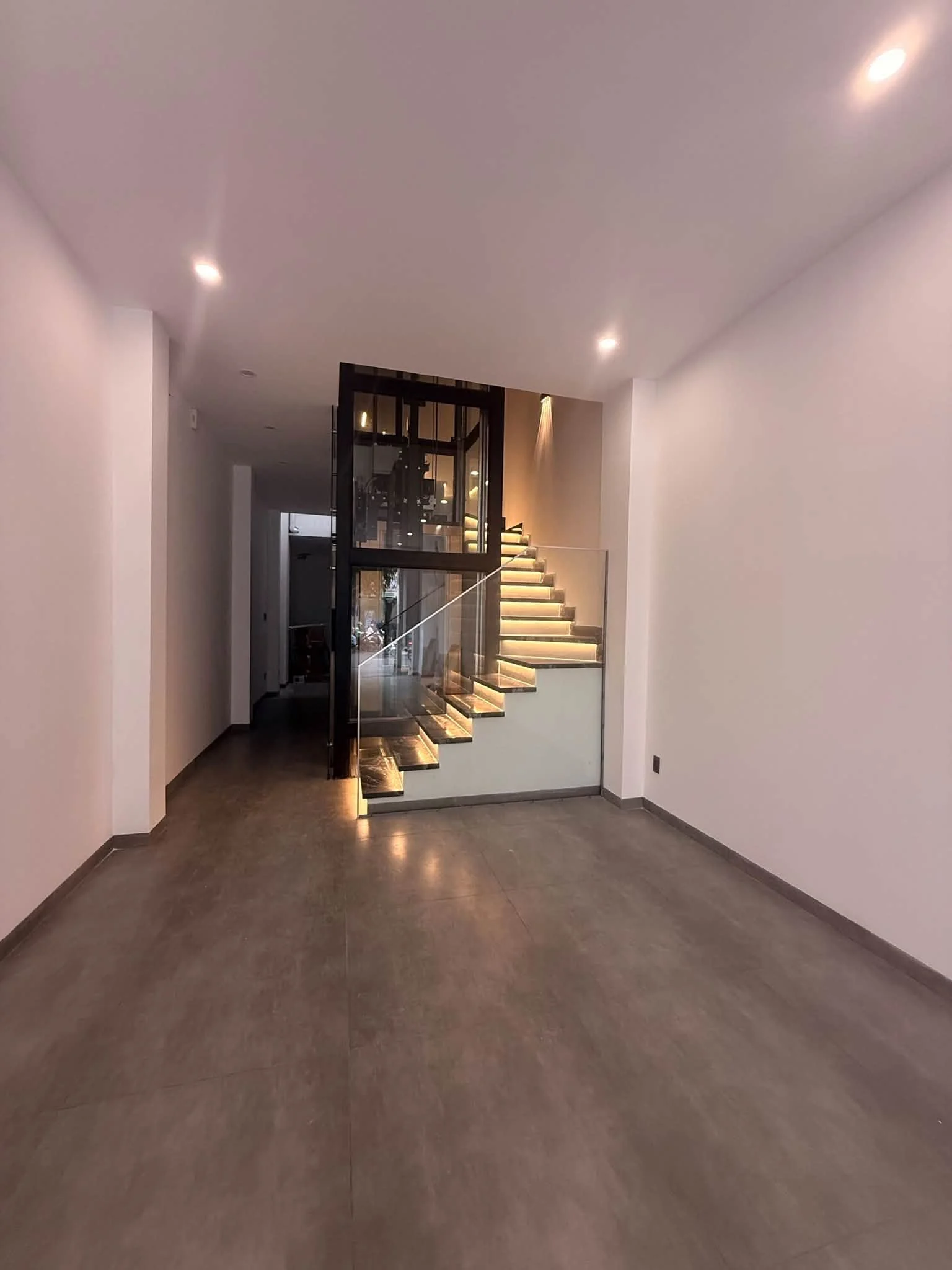
For example, when comparing large commercial buildings, listings such as this District 1 whole building show the type of premises where confirming legal use and utility costs early saves time.

Whole Building for Rent on Nguyễn Thái Bình, District 1, HCMC
400 million VND / month
- Ben Thanh Ward, District 1, Ho Chi Minh City
Structural Integrity and Exterior Inspection
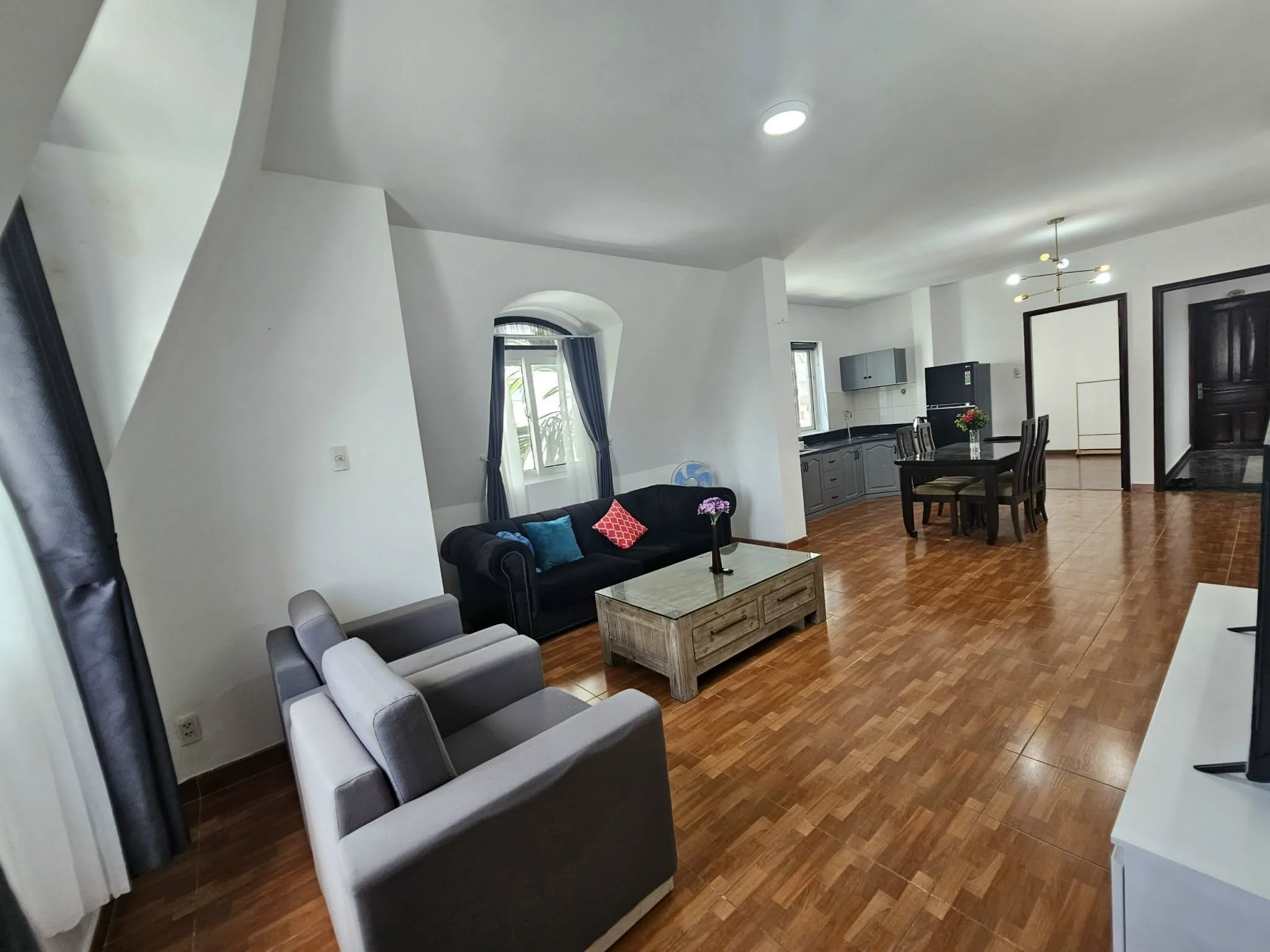
When viewing a property in HCMC, a thorough structural inspection is crucial. This is especially true for older buildings or villas, where wear and tear may be hidden. Use this part of your building viewing checklist HCMC to identify potential issues before signing a rental contract HCMC.
Walls, Floors, and Ceilings
Start by scanning walls, ceilings, and floors for cracks. Hairline cracks are often cosmetic, but wider or zigzag cracks may indicate foundation problems. Look for water stains, mold, or peeling paint, which suggest leaks or high humidity. Check corners and around windows for mold growth. In villas for rent Ho Chi Minh City, also inspect the staircase and balcony for loose railings or uneven steps. For shophouses, ensure the ground floor is free of structural damage that could affect business operations.
Roof and Drainage
If accessible, inspect the roof for missing tiles, rust, or sagging. In many HCMC properties, flat roofs are common, so check for proper drainage and waterproofing. Blocked gutters or poor drainage can lead to water damage during the rainy season. Look for signs of leaks inside, such as water stains on ceilings. For a whole building for rent HCMC, ask the landlord about recent roof maintenance and drainage repairs.
Doors and Windows
Test all doors and windows to ensure they open, close, and lock properly. Check for gaps that could let in rain or pests. In older properties, windows may have single-pane glass, which offers less insulation and security. Consider if security grilles are needed, especially for ground-floor units. For shophouses, ensure the main entrance is secure and wide enough for your needs. Also, inspect exterior paint and siding for cracks or rot, and look for signs of pest infestation like droppings or holes.
Take photos and notes of any issues found. This documentation will help you discuss repairs or negotiate rent with the landlord. A detailed property inspection checklist Vietnam will guide you through this process systematically.
Utilities and Systems: What to Test and Verify
Utilities can make or break your daily life in a rental, especially in a city like Ho Chi Minh City where systems vary widely between buildings. Use this part of your building viewing checklist HCMC to test everything yourself rather than relying on the landlord's assurances.
Electrical and Plumbing
Start at the fuse box: confirm it has clear labels, no signs of overheating, and enough capacity for your needs—especially if you plan to run heavy equipment or air conditioning in a whole building for rent HCMC. Test every outlet with a small device or phone charger, and switch on all lights to check for flickering or dead fixtures.
For plumbing, turn on taps at the highest and lowest points to gauge water pressure, and run hot water to see how long it takes to heat up. Check under sinks and around toilet bases for leaks, damp patches, or corrosion. In a villa for rent Ho Chi Minh City, also inspect outdoor taps and drainage, as blocked drains are common during the rainy season.
Air Conditioning and Ventilation
Turn on each air-conditioning unit and let it run for several minutes—it should cool quickly and not emit strange noises or odors. Ask when units were last serviced; regular maintenance is often neglected in rental properties. For a shophouse for rent Saigon, check that ventilation in enclosed areas (like kitchens or storage rooms) is adequate, and look for exhaust fans or windows that open.
Fire Safety
Test smoke detectors (if present) and ask for the date of the last inspection. Check that fire extinguishers are within easy reach and have not expired. Confirm that emergency exits are unobstructed and that stairs or corridors are clear. In shophouses, also verify commercial utilities: three-phase power for heavy equipment, a functioning grease trap if there is a kitchen, and proper ventilation for cooking fumes.
Finally, ask the landlord or building manager for the internet and cable providers available in the building, and if possible, run a speed test during your visit. Document any issues you find with photos and include them in your property inspection checklist Vietnam before negotiating the rental contract HCMC.
Legal Documents and Contract Review

Before signing a rental contract in HCMC, verify the landlord's legal right to lease the property. This step protects you from fraud and future disputes, especially for high-value rentals like a whole building for rent in HCMC or a villa for rent in Ho Chi Minh City.
Ownership Verification
Ask to see the original land use rights certificate (often called the "red book" or "pink book") and compare the owner's name with their ID or passport. For companies, check the business registration certificate and authorize the signatory. Confirm there are no encumbrances, such as mortgages or disputes, by requesting a recent extract from the local land registry office. If the landlord is not the owner, ensure they have a valid power of attorney.
Lease Agreement Clauses
The lease agreement should be in Vietnamese; if you need an English version, have it translated and reviewed by a local lawyer to ensure accuracy. Key clauses to confirm include the deposit amount and refund conditions, payment terms (monthly, quarterly), and renewal options. Clarify who is responsible for maintenance and repairs—typically the landlord covers structural issues, while the tenant handles minor fixes. Also, check if the lease must be registered with local authorities; this is often required for stays over six months and helps with visa applications. For a shophouse for rent in Saigon, ensure the contract permits your intended business activity. Use this property inspection checklist Vietnam approach to document all agreed terms.
Neighborhood and Accessibility Assessment
Your building viewing checklist HCMC should not stop at the front gate. The surrounding area shapes daily life and business viability, so assess it at different times of day.
Traffic and Parking
Observe traffic flow during morning and evening rush hours. In districts like District 1, District 3, and Binh Thanh, congestion is common, so check alternative routes and how long it takes to reach main roads. Parking is a frequent issue: confirm whether the property includes dedicated car or motorbike parking, and whether street parking is allowed. For a whole building for rent HCMC, ask how many vehicles the parking area can hold and whether it is shared with other tenants.
Check access to public transportation, including bus stops and future metro stations. For a villa for rent Ho Chi Minh City, consider whether the street is wide enough for cars and delivery trucks. For a shophouse for rent Saigon, test if customers can park nearby without blocking traffic.
Amenities and Future Development
Map nearby amenities: schools, hospitals, supermarkets, and restaurants. A 5–10 minute walk to daily necessities is convenient for expat families, while businesses may prioritize proximity to suppliers and banks. Assess noise and air quality, especially near main roads or construction sites; visit at different times to gauge the impact. Also research future development plans, such as new roads or commercial projects, which can affect traffic and property value. For businesses, analyze foot traffic and visibility: a corner location or wide frontage may justify higher rent. Use this section of your property inspection checklist Vietnam to record observations and compare options before negotiating the rental contract HCMC.
Final Walk-Through and Negotiation Tips
Before signing a rental contract in HCMC, schedule a final walk-through with the landlord to confirm that all agreed repairs are completed and the property is in the condition you expect. This is your last chance to catch issues before committing. Bring your building viewing checklist HCMC and go through each item systematically.
Snag List and Repairs
Create a detailed snag list during the final walk-through, noting any defects, unfinished work, or items that differ from what was promised. Be specific: instead of “fix air conditioner,” write “air conditioner in master bedroom not cooling, needs gas refill or repair.” Ensure the landlord agrees to address all items before you sign. If repairs cannot be completed immediately, negotiate a timeline and include it as an addendum to the rental contract HCMC.
Negotiation Strategies
Use your findings to negotiate rent, deposit, and maintenance terms. For example, if the building needs significant repairs, propose a lower rent or a longer grace period. Clarify who is responsible for major maintenance—such as roof leaks or structural issues—and ensure it is written into the contract. For a whole building for rent HCMC, consider asking for a rent-free period for renovations. If you are renting a villa for rent Ho Chi Minh City, check the garden and pool maintenance responsibilities. For a shophouse for rent Saigon, confirm that any necessary upgrades (e.g., electrical capacity) are the landlord’s responsibility.
Document everything with photos and a signed checklist. Take dated photos of the property’s condition and any defects. Have both parties sign the checklist and attach it to the contract. Keep copies of all documents, including the signed checklist, contract, and receipts, for your records. This protects you in case of disputes and ensures a smooth tenancy.
Summary: Your Key to a Successful Rental in HCMC
A thorough building viewing checklist is your best tool for securing a safe and suitable rental in Ho Chi Minh City. From pre-viewing research to final walk-through, each step helps you identify potential issues and negotiate better terms. Remember to document everything and verify legal documents to protect your interests.
Ready to find your ideal rental? Browse our listings today and apply these checklist tips to make an informed decision.
Frequently asked questions
What should I check on a building viewing checklist in HCMC?
Your checklist should cover pre-viewing research, structural integrity, utilities and systems, legal documents, neighborhood accessibility, and a final walk-through. Inspect walls, floors, roof, electrical, plumbing, HVAC, internet, and fire safety. Verify ownership documents and contract terms. Assess traffic, amenities, noise, and future development. Document issues with photos and negotiate repairs before signing.
How do I verify the legal ownership of a property in Vietnam?
Ask the landlord for the Land Use Rights Certificate (Red Book) or other ownership documents. Cross-check the owner's name with their ID. For businesses, ensure the landlord has the right to lease. You can also request a property search at the local Land Registration Office. It's advisable to have a lawyer review the documents to confirm authenticity and avoid disputes.
What are common red flags when viewing a villa for rent in HCMC?
Red flags include cracks in walls or ceilings, water stains indicating leaks, illegal modifications without permits, faulty wiring, poor drainage, and musty odors. Also watch for inconsistent ownership documents, reluctance to show the Red Book, and pressure to sign quickly. Check for pest infestations and ensure safety features like fire extinguishers are present.
Should I hire a professional inspector for a building viewing in HCMC?
Hiring a professional inspector is recommended for villas or shophouses, as they can detect structural issues, electrical faults, and plumbing problems that untrained eyes might miss. For apartments, a thorough self-inspection using a checklist may suffice. Inspectors provide a detailed report you can use to negotiate repairs with the landlord.
What utilities should I test during a building viewing in HCMC?
Test all electrical outlets, switches, and circuit breakers. Run taps and flush toilets to check water pressure and drainage. Turn on the air conditioner and check for cooling efficiency. Test internet speed if possible. For shophouses, verify three-phase power and grease traps. Ensure smoke detectors and fire extinguishers are functional.