Apartment Rental Guide District 2 HCMC: Costs & Contracts

This apartment rental guide for District 2 HCMC explains the costs and contracts you need to know before renting in this popular expat area. It covers typical rent ranges, the rental process, total costs including deposit and VAT, and key contract clauses to check.
Why Rent an Apartment in District 2, HCMC?

District 2 (now part of Thu Duc City) has become one of the most established residential areas in Ho Chi Minh City for expatriates, international families and companies relocating staff. Its mix of low-rise compounds, serviced buildings and newer high-rises gives tenants more choice than the crowded center, while the commute to District 1 usually stays short outside peak hours.
For anyone following an apartment rental guide District 2 HCMC, the appeal is practical rather than purely lifestyle: a calmer environment, a mature expat infrastructure and landlords who are used to dealing with foreign tenants and corporate leases.
Neighborhoods in District 2
Each pocket of the district has a distinct character, and the right choice depends on your priorities.
- Thao Dien is the best-known expat hub, with international restaurants, cafes, bakeries and serviced apartments within walking distance of each other.
- An Phu offers a similar lifestyle with more gated compounds and mid-range options, popular with families.
- Binh An sits closest to the river and District 1, making it convenient for professionals who commute daily.
- Thanh My Loi is quieter and greener, with newer buildings and space for families who want more room.
Across these areas you will find international schools, clinics, supermarkets and parks, which is a major reason families choose to rent apartment District 2 rather than the city center.
Apartment Types and Rent Ranges
District 2 apartment costs vary widely by size, furnishing and building type. Studios of roughly 25–35 m² are common in Thao Dien and suit single professionals or short assignments; one-bedroom units around 45–55 m² are the standard choice for couples; two- and three-bedroom apartments up to about 120 m² serve families and corporate housing.
As a general guide, typical monthly rents run from around 10 million VND for a compact studio to roughly 27 million VND for a large, well-furnished family apartment, with serviced units and premium compounds at the upper end. These figures are indicative and should be confirmed for each unit.
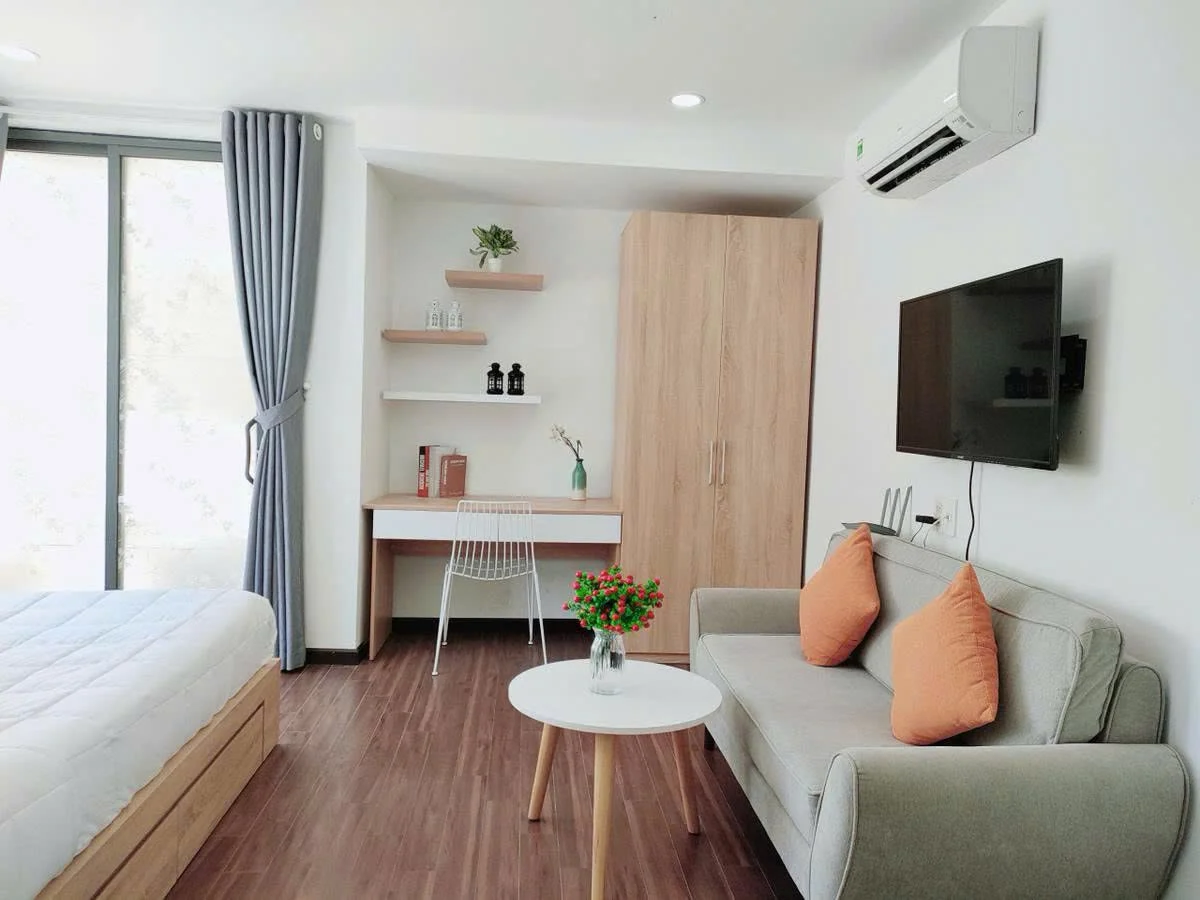
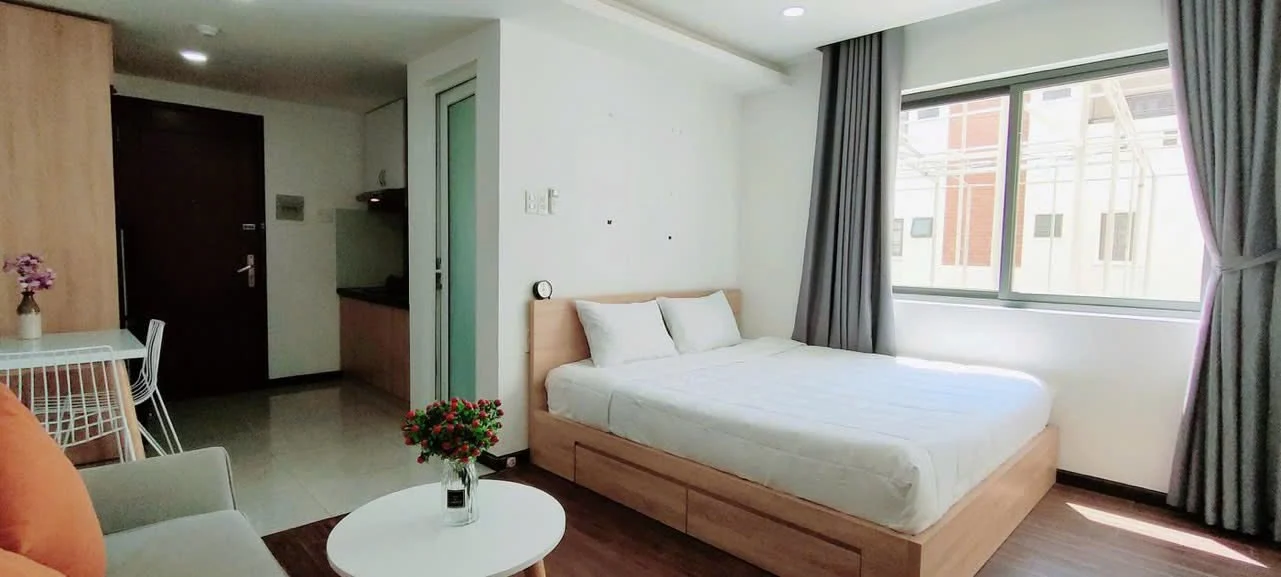
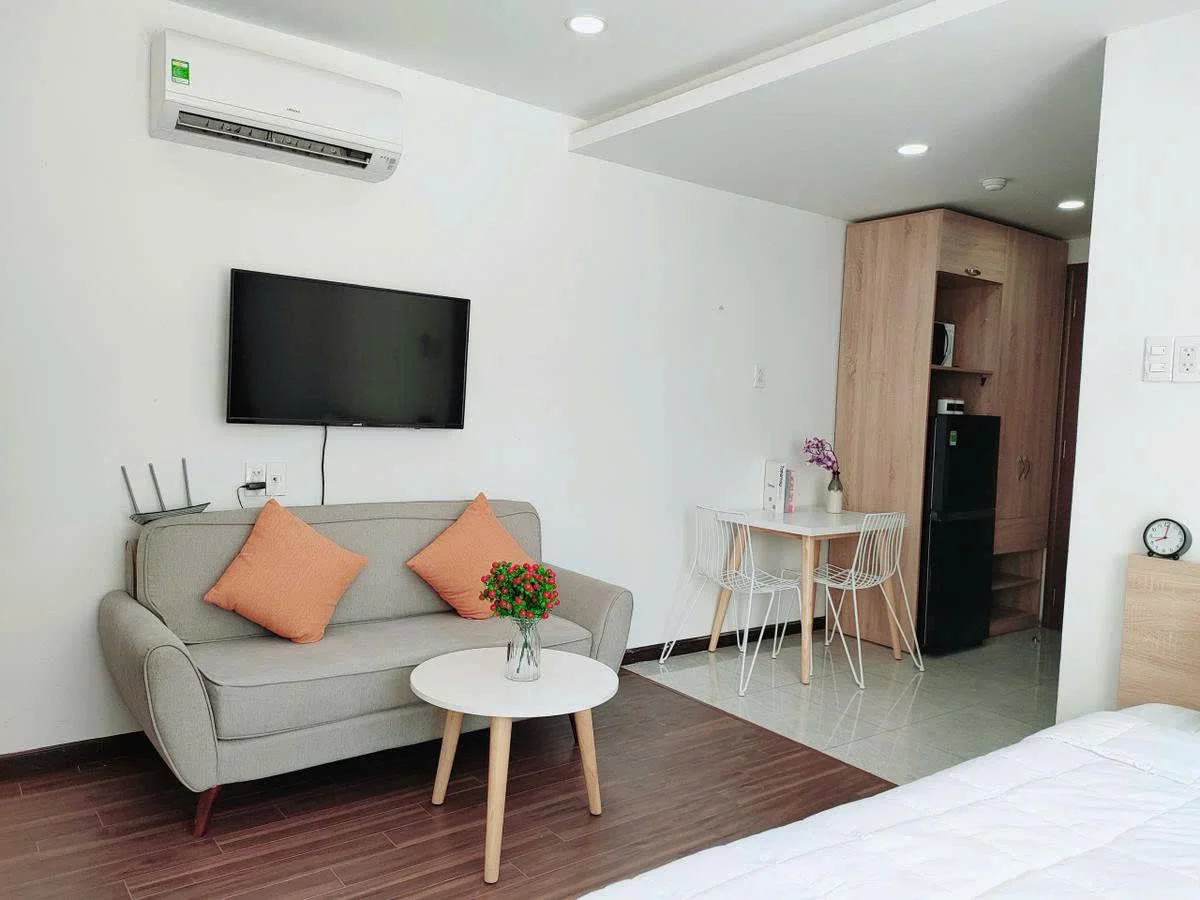
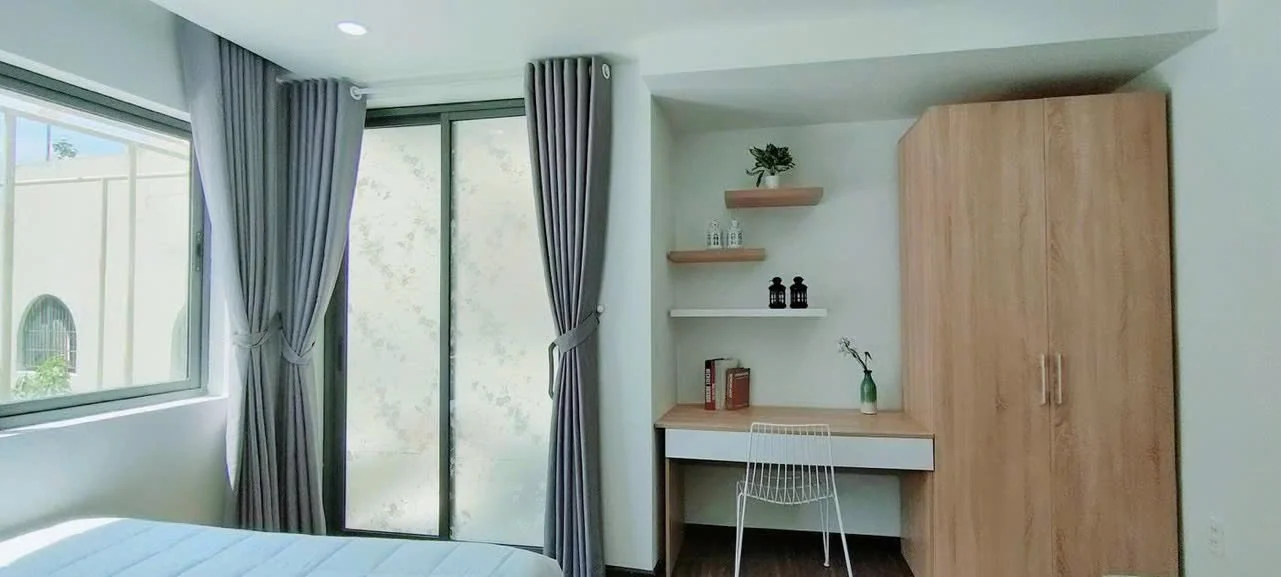
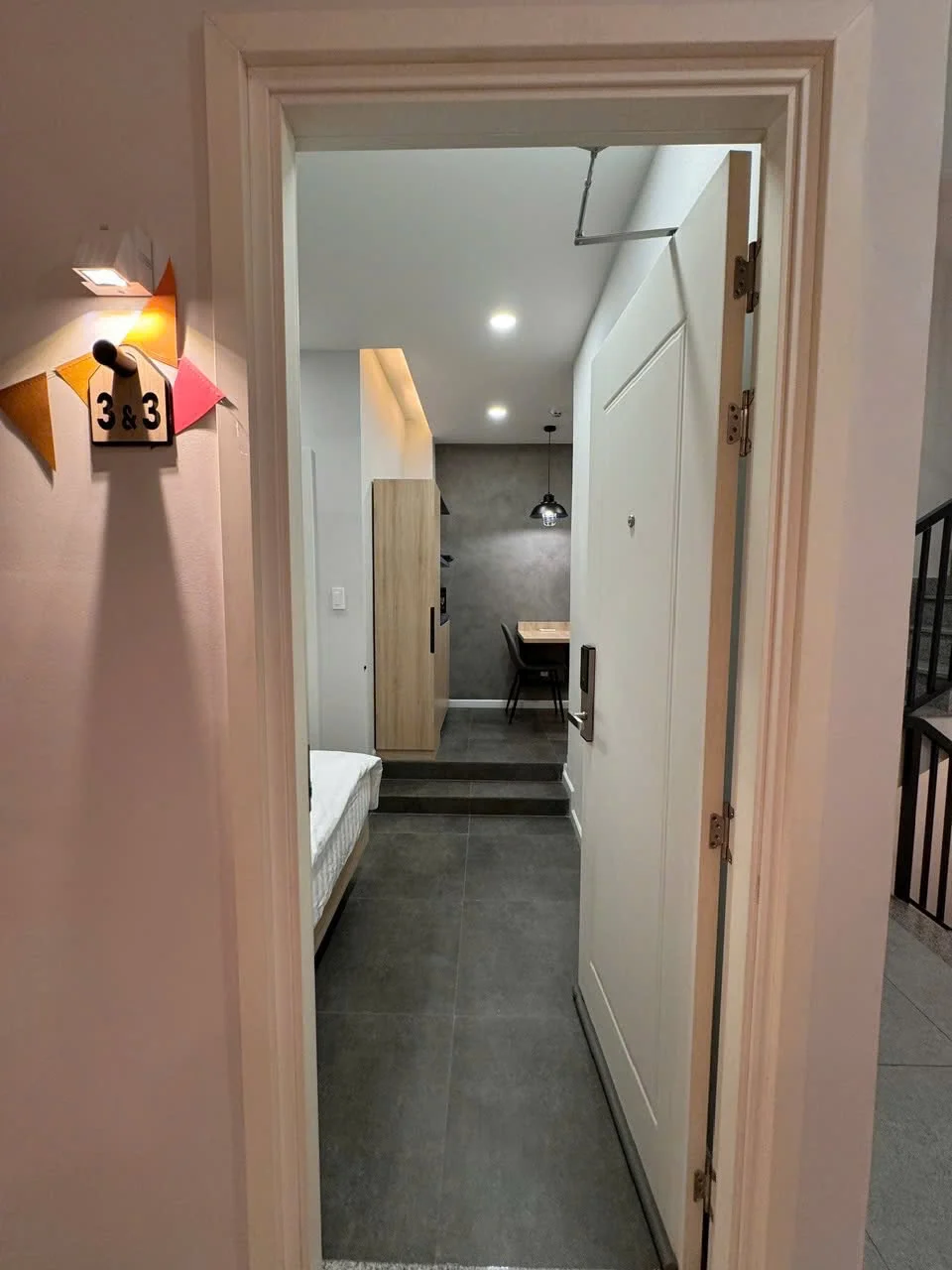
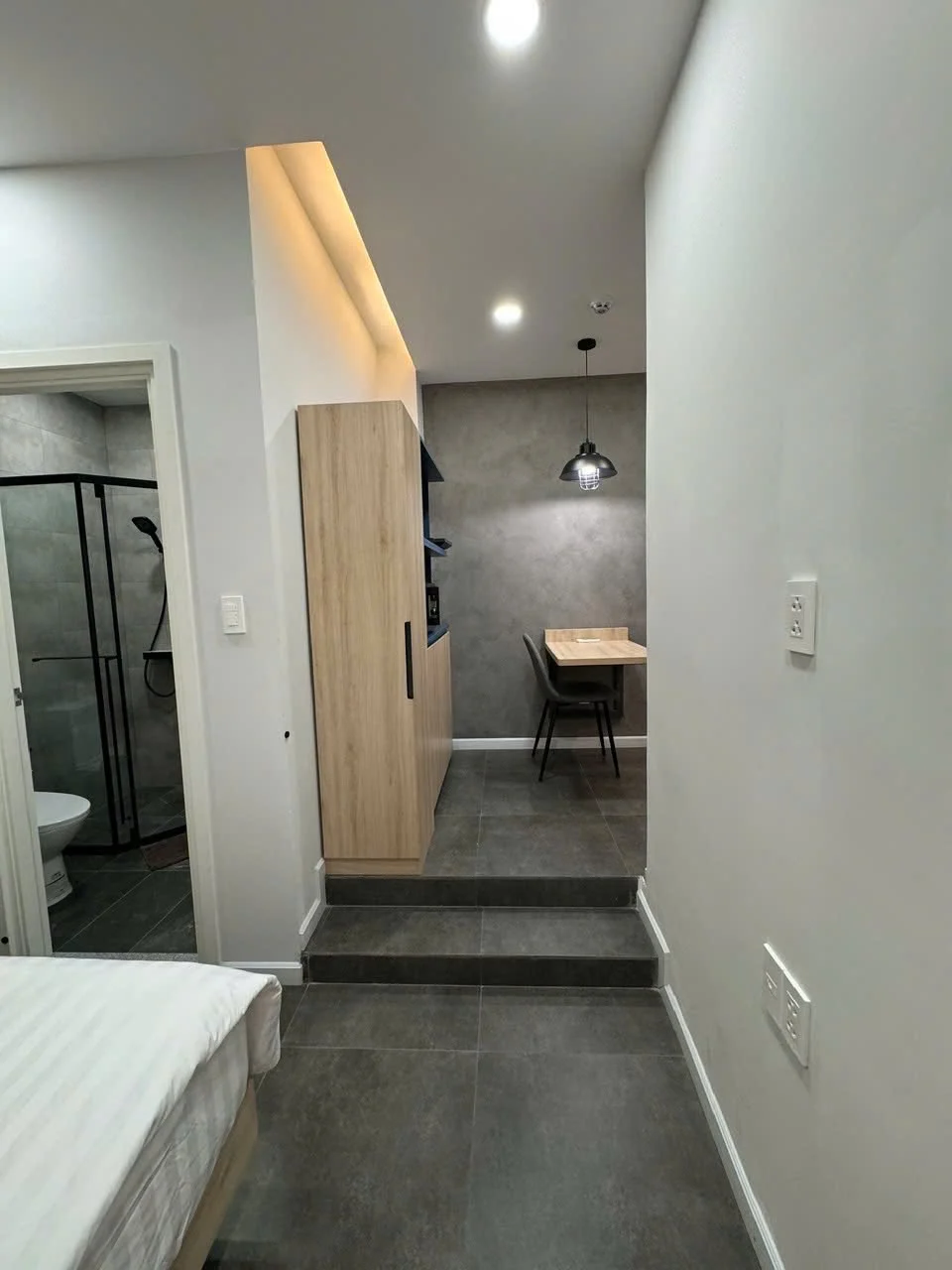
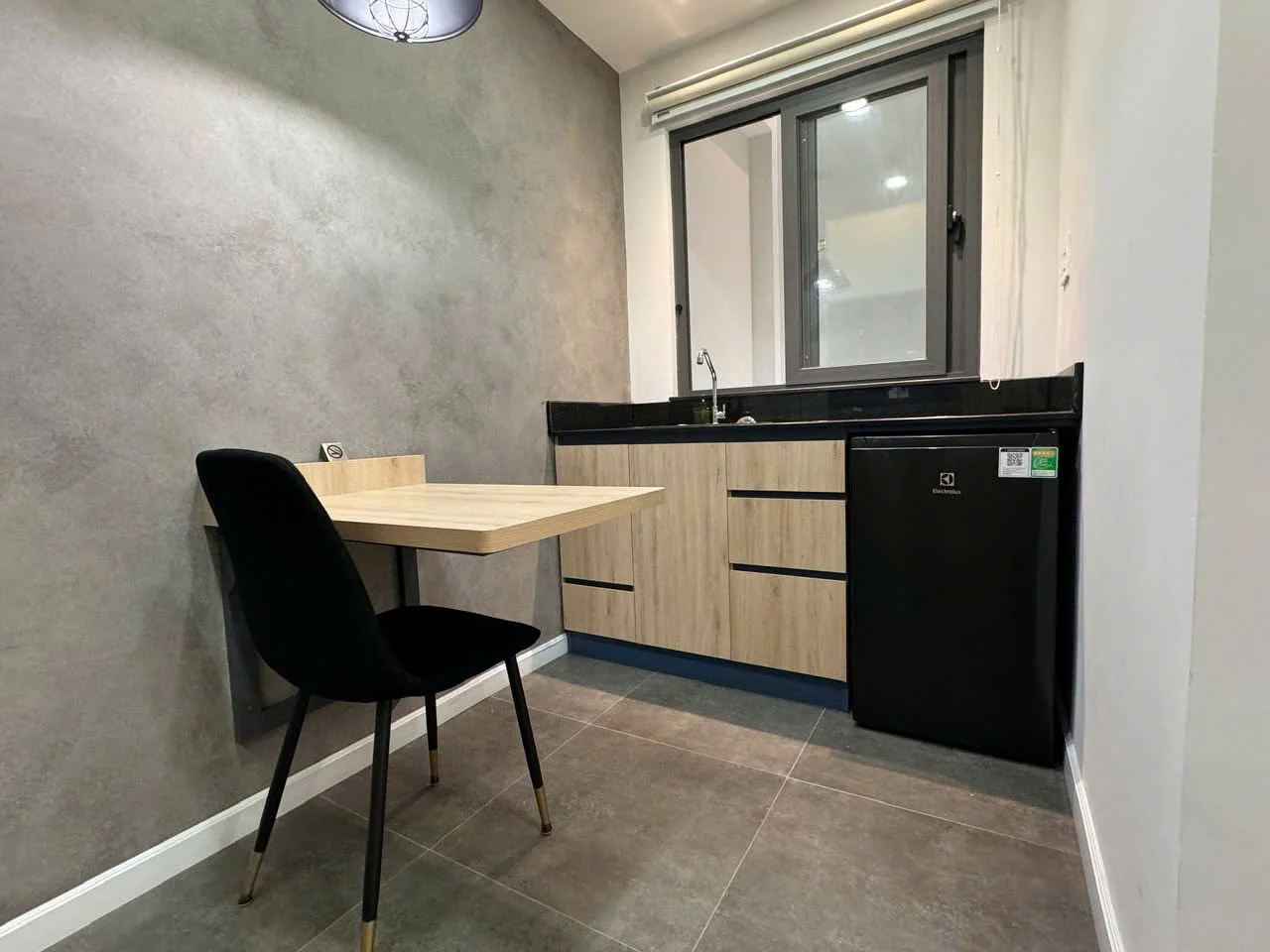
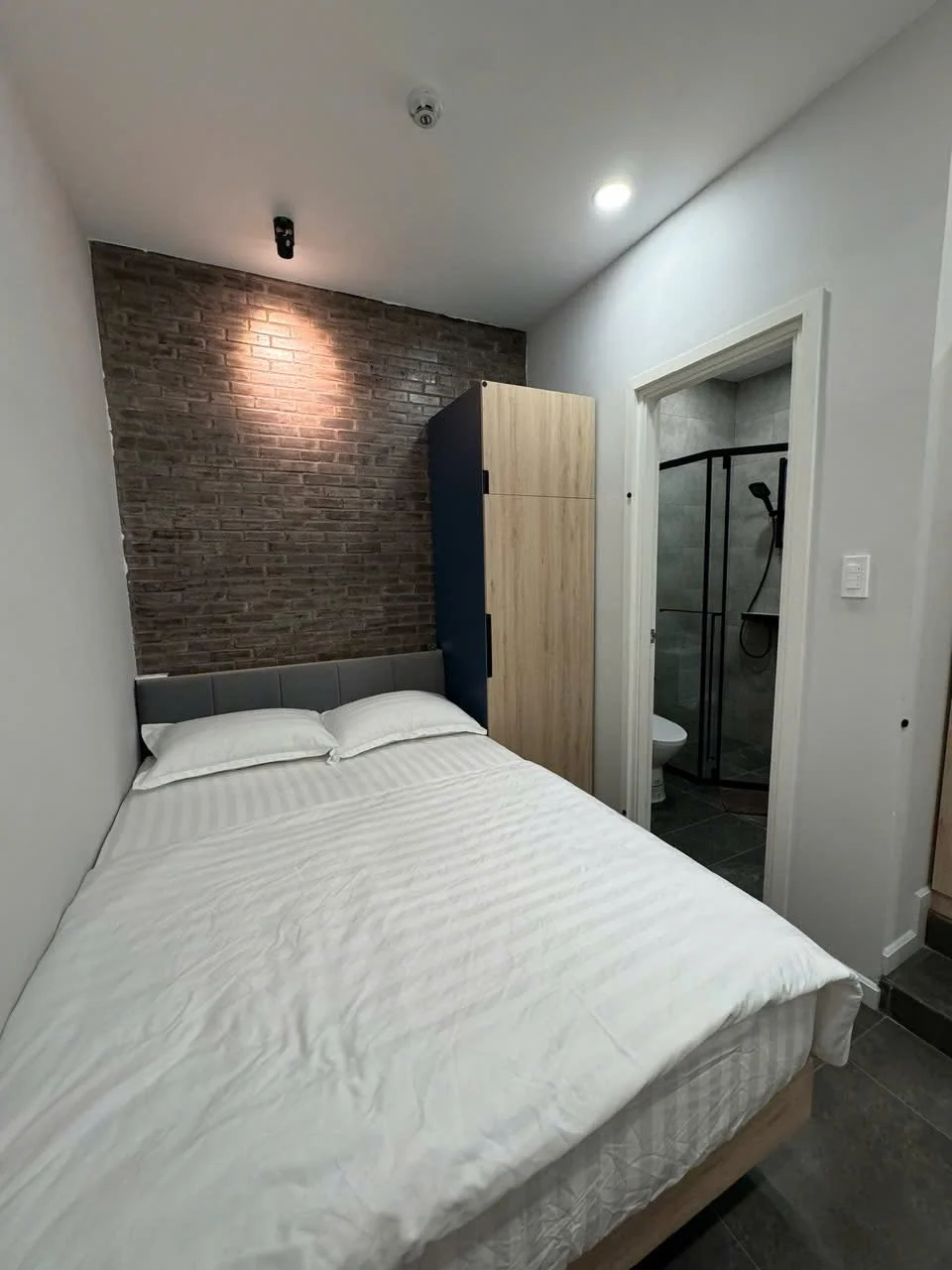
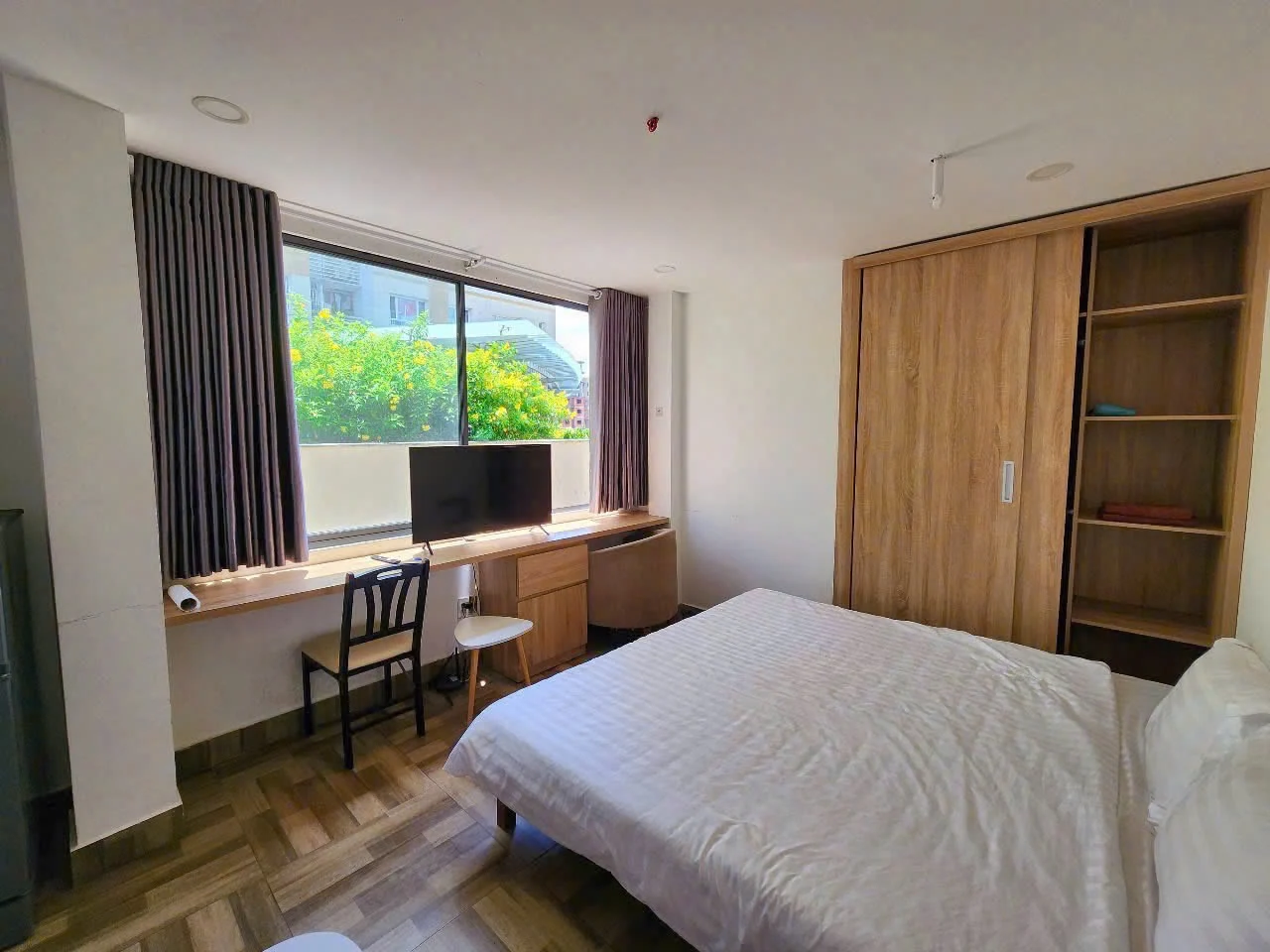
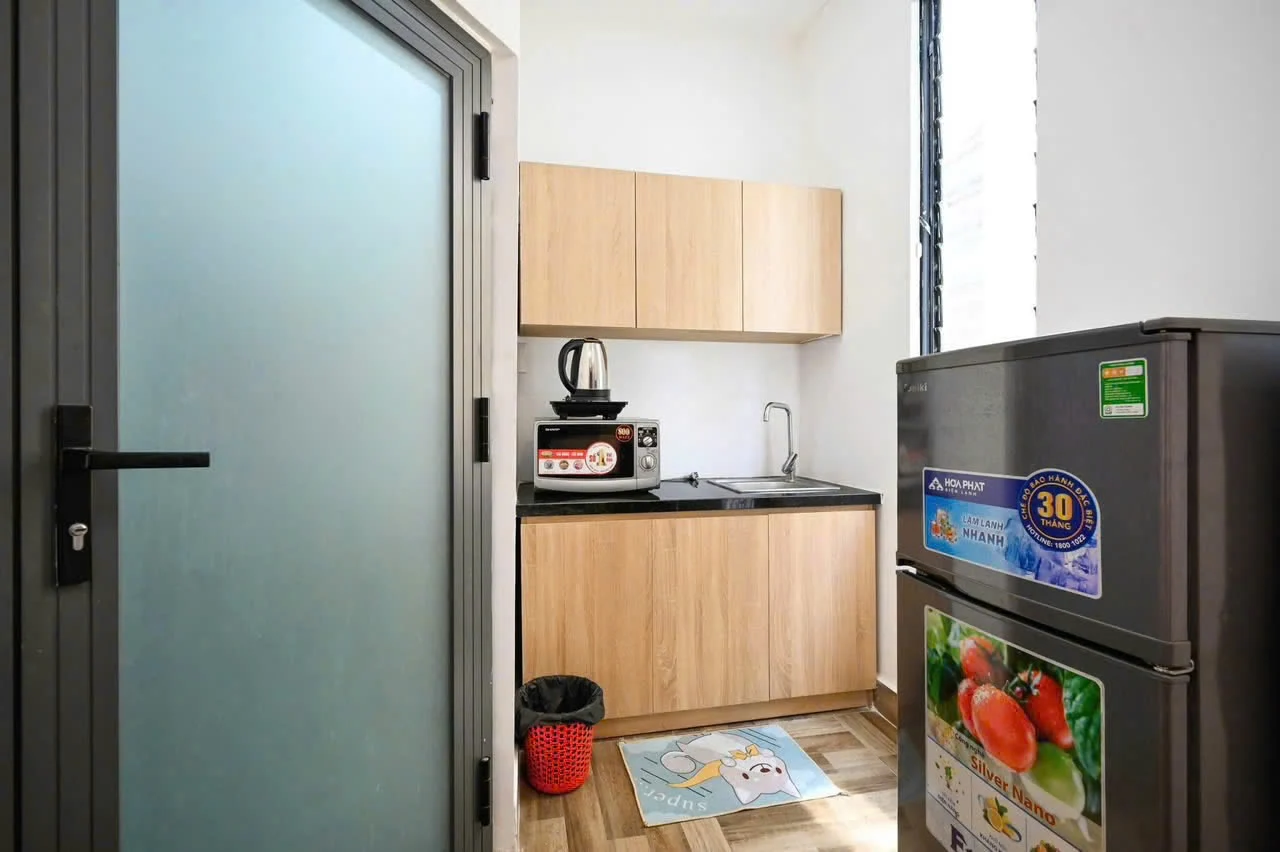
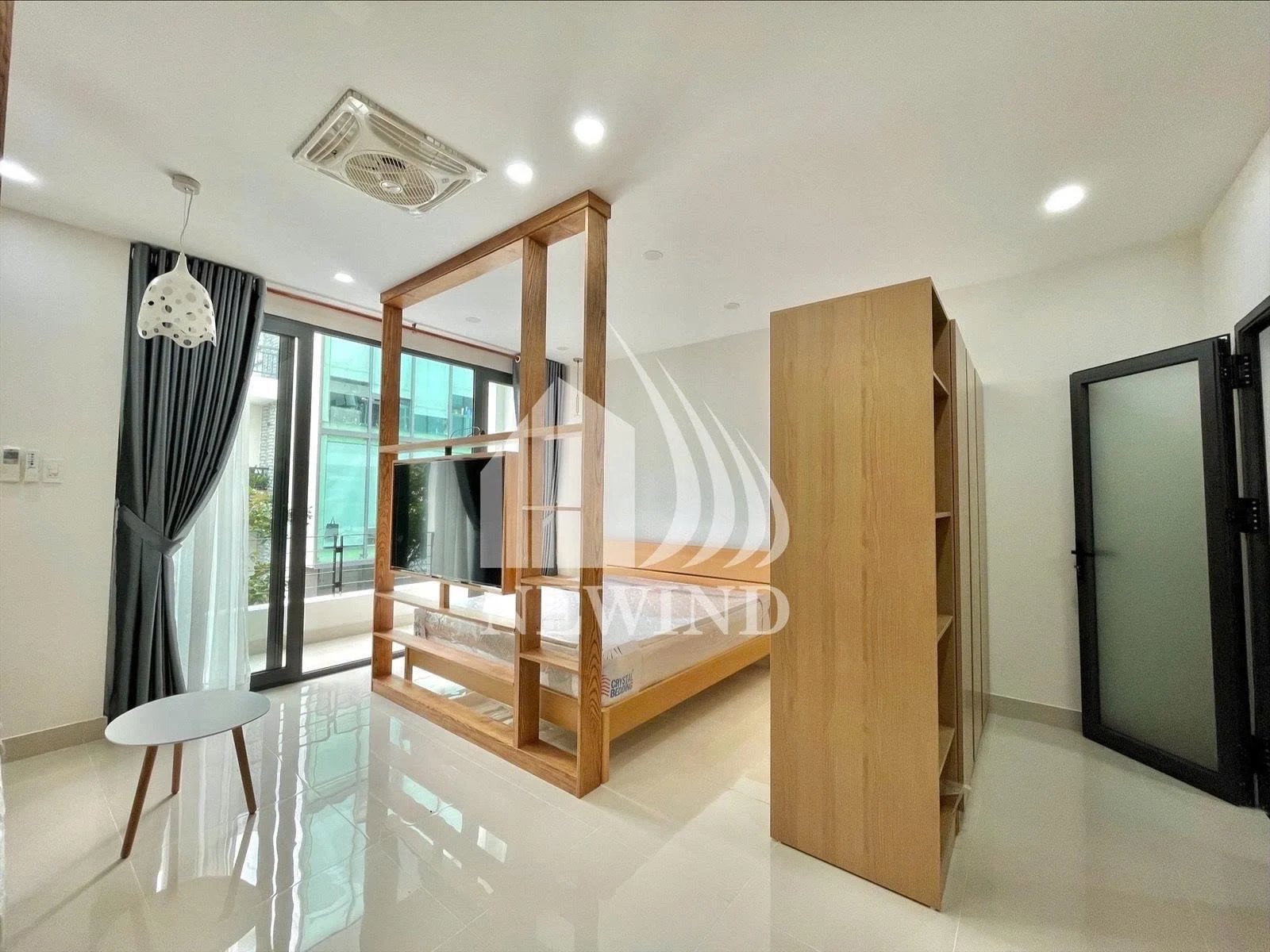
A typical example of the entry-level segment is a furnished studio in Thao Dien, which shows what the lower end of the market looks like in practice.

Spacious 35sqm Studio with Balcony in Thao Dien, District 2, HCMC
Contact for price
- 35 m²
- 1 BA
- Thao Dien, District 2, Ho Chi Minh City
Families, long-stay professionals and companies housing staff all fit well here, but the priorities differ: families tend to value schools and space, professionals value the commute, and companies value buildings with professional management and clear contracts.
The Apartment Rental Process in District 2
Renting in District 2 usually follows a predictable path, but the pace depends on how prepared you are. Most expats who arrive with clear requirements and documents in hand can go from first viewing to keys in roughly one to three weeks. Below is the typical sequence used across Thao Dien, An Phu, Binh An and Thanh My Loi.
Step 1: Define Your Requirements
Start with a realistic budget that includes rent, management fees and utilities, not just the headline price. Decide on size, preferred neighborhood and must-have amenities such as parking, a pool, gym or backup power. Writing this down makes it much easier to filter listings and avoid wasted viewings.
Step 2: Search and Shortlist
Combine online listings, reputable local agents and referrals from colleagues or friends already in the area. Cross-check photos against the description and ask for the exact street and building name, since two units in the same ward can feel very different. Shortlist three to five options before booking viewings.
Step 3: Viewings and Inspection
Visit at different times of day if possible to check traffic noise, sunlight and water pressure. Inspect air conditioners, plumbing, Wi-Fi, locks and furniture condition, and photograph any existing damage. For furnished units, confirm exactly what stays and what the landlord will remove.
Step 4: Negotiation and Contract
Negotiate rent, deposit, lease length and renewal terms before signing anything. Read the apartment rental contract in Vietnam carefully, especially clauses on early termination, repairs, subletting and dispute resolution, and ask for an English version if the original is in Vietnamese.
Step 5: Payment and Move-in
Pay the deposit and first month's rent by a traceable method and keep receipts. At handover, walk through the unit with the landlord, record meter readings and agree on a written inventory. Register your temporary residence with the local police, which the landlord or agent normally helps arrange.
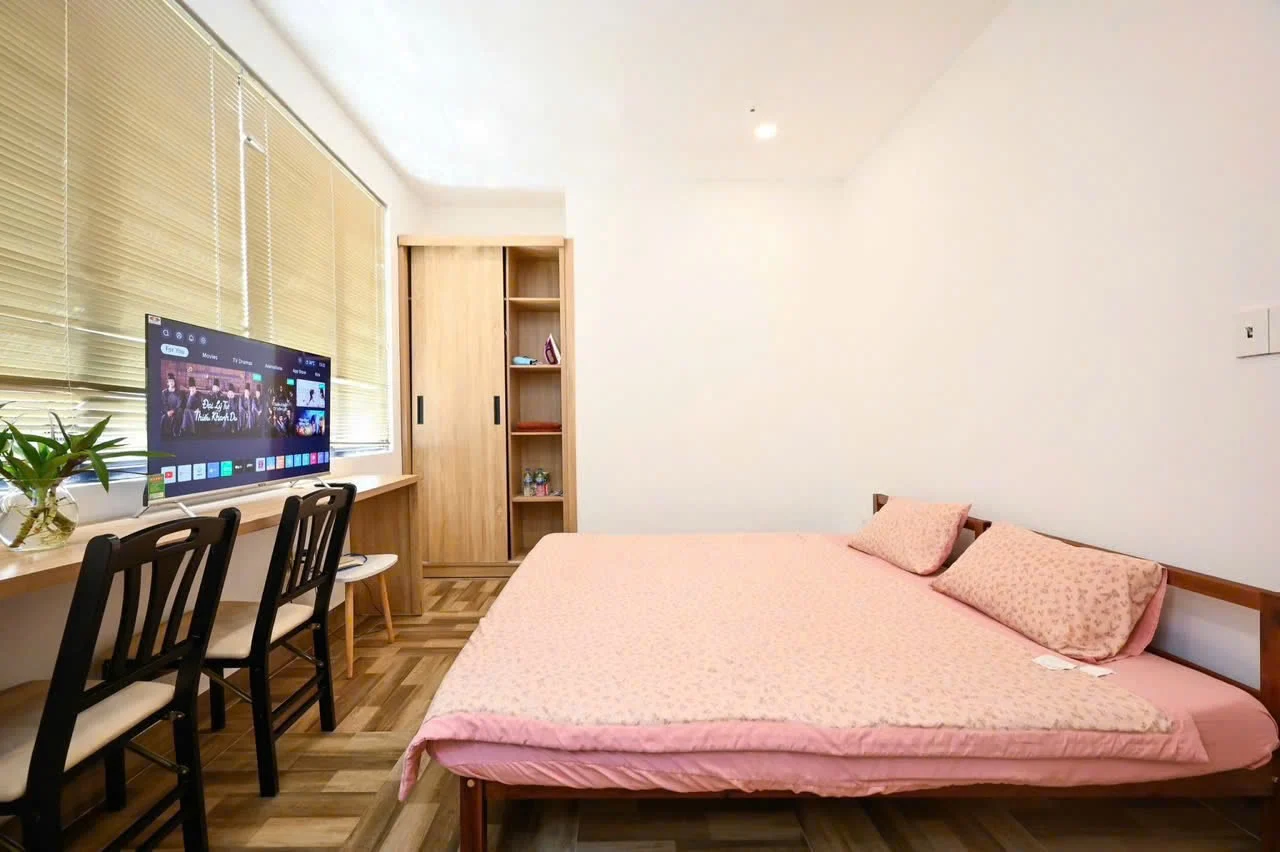
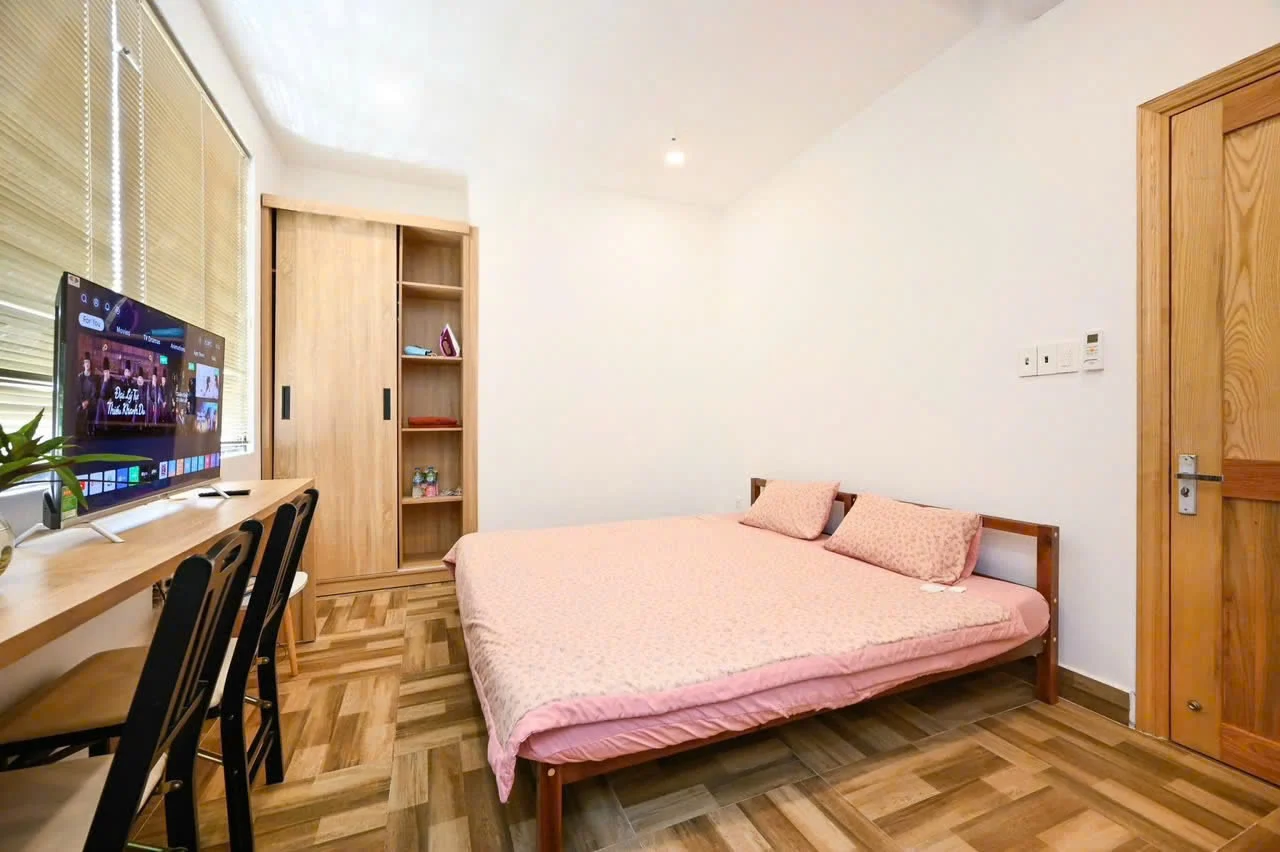
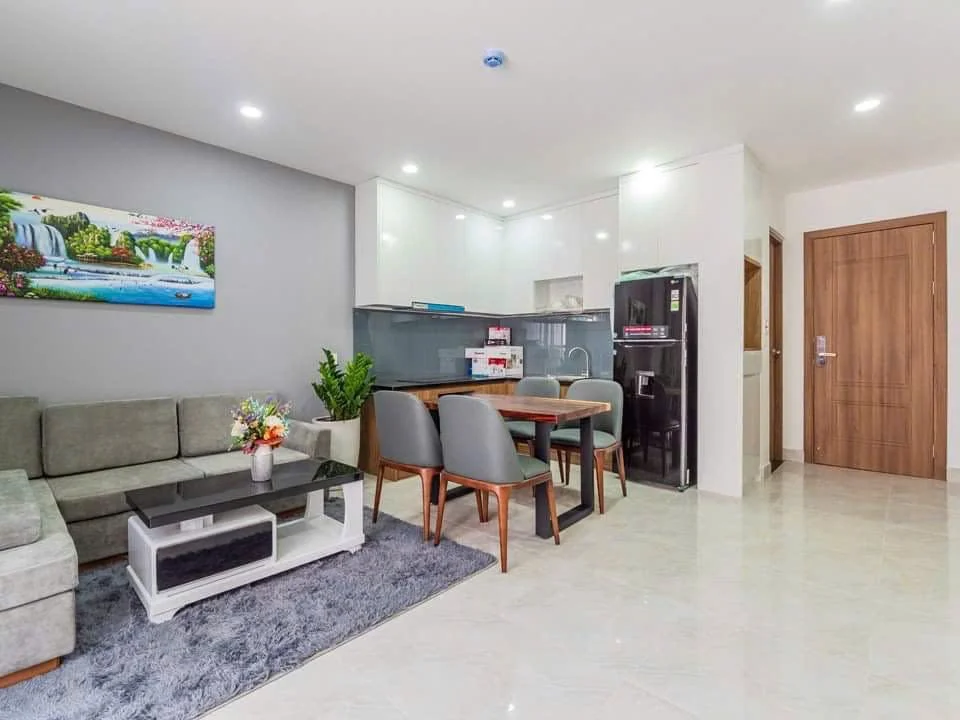
A serviced studio can shorten this process considerably, as these units are often move-in ready with utilities and housekeeping included.

Serviced Apartment Unit 03.02 in Thao Dien, District 2, HCMC
Contact for price
- Thao Dien Home, Thao Dien, District 2, Ho Chi Minh City
Total Costs: Deposit, Fees, and VAT
Understanding the full cost structure is essential for budgeting your apartment rental guide district 2 hcmc. Beyond the headline rent, you will encounter deposits, management fees, utilities, and possibly VAT. This section breaks down each component so you can plan with confidence.
Deposit and Rent
Most landlords in District 2 require a deposit of one to two months' rent. This is standard practice and is usually refundable at the end of the lease, provided no damage beyond normal wear and tear. Rent is typically paid monthly, often in advance. For serviced apartments, the deposit may be lower, but always confirm the refund conditions in writing.
Monthly Fees and Utilities
Management fees are common in apartment buildings and usually range from 10,000 to 20,000 VND per square metre per month. Some landlords include this in the rent, so clarify before signing. Utilities such as electricity, water, and gas are billed separately based on usage. Electricity is charged per kWh, water per cubic metre, and gas per cylinder or piped gas. Internet and cable TV packages are widely available from providers like Viettel, FPT, and VNPT, with costs varying by speed and channel selection. Parking fees for motorbikes are typically a few hundred thousand VND per month, while car parking may cost more and is not always available in every building.
VAT and Other Taxes
VAT of 10% applies to rent for serviced apartments or commercial leases. In some cases, the quoted price already includes VAT, so always ask for a breakdown. For long-term residential leases, VAT may not apply, but it's important to confirm with the landlord or agent. Other taxes, such as personal income tax for the landlord, are usually the landlord's responsibility, but in some cases, they may be passed on to the tenant.
One-Time Costs
Agent fees are often free for tenants, as the landlord typically pays the commission. However, some agents may charge a fee, so clarify upfront. Contract stamp duty is rare in residential leases, but if applicable, it is usually a small percentage of the contract value. Other one-time costs may include a cleaning fee or minor repairs, which should be negotiated before signing.
| Apartment Size | Typical Rent Range (VND/month) | Deposit (1-2 months) | Management Fee (VND/month) |
|---|---|---|---|
| Studio (30-40 m²) | 8,000,000 - 15,000,000 | 8,000,000 - 30,000,000 | 300,000 - 800,000 |
| 1 Bedroom (50-60 m²) | 12,000,000 - 20,000,000 | 12,000,000 - 40,000,000 | 500,000 - 1,200,000 |
| 2 Bedrooms (70-90 m²) | 18,000,000 - 30,000,000 | 18,000,000 - 60,000,000 | 700,000 - 1,800,000 |
Note: These are indicative ranges; actual costs vary by location, building quality, and included services. Always verify with the landlord or agent.
Key Contract Clauses to Check Before Signing
A good apartment rental guide District 2 HCMC tenants can rely on always starts with the paperwork. Before you sign an apartment rental contract Vietnam landlords present, read every clause carefully and ask for an English translation if the document is in Vietnamese only. The points below are the ones that most often cause problems later.
Rent and Deposit Clauses
Confirm the monthly rent, the currency it is quoted in, and whether it is fixed for the whole term or subject to review. Check the deposit amount (commonly one to three months, but this varies), when it is refunded, and under what conditions it can be withheld. Agree a clear payment schedule: due date, method, and what happens if a payment is a few days late.
Maintenance and Repairs
Establish who fixes what. Landlords typically handle structural issues, major appliances, and the building's common areas, while tenants cover minor wear and tear. Ask for a response time for repairs and note the condition of furniture and appliances in a handover checklist signed by both sides.
Utilities and Additional Fees
List exactly what the rent includes and what it does not: management fee, electricity, water, internet, cable, parking, and cleaning. Confirm how utilities are metered and billed, and whether VAT applies. This is where District 2 apartment costs can quietly rise, so get every fee in writing.
Termination and Renewal
Check the notice period for early termination on both sides, any penalty, and how and when the contract renews. Clarify whether the rent can increase at renewal and by how much, or whether it is negotiated fresh.
Other Important Clauses
- Subletting and guests: whether you may sublet, and rules on overnight guests.
- Pets and smoking: confirm the building's policy, not just the landlord's.
- Dispute resolution and governing law: which law applies and how disputes are handled.
- Temporary residence registration: confirm the landlord will support your registration with local authorities.
Finally, negotiate. Rent, deposit size, and included fees are often flexible, especially for longer leases. Get every agreed change written into the contract before signing.
Tips for a Smooth Rental Experience in District 2
Renting in District 2 can be straightforward if you prepare well. Start by working with a reputable agent or dealing directly with the landlord. Ask for references and confirm who represents the owner. This reduces the risk of misunderstandings later.
Inspect and document everything
Before signing, inspect the apartment thoroughly. Test appliances, check for leaks, and note any existing damage. Take dated photos and include them in the handover checklist. This protects your deposit when you move out.
Know your rights and budget for extras
Understand your rights as a tenant under Vietnamese law, including the right to a written contract and receipts. Budget for hidden costs like management fees, parking, and utilities, which can add to your monthly outgoings. Confirm what is included in the rent.
Communicate clearly and keep records
Communicate clearly with your landlord or agent. Put agreements in writing, keep copies of payments, and use email or messaging for important discussions. This helps resolve disputes amicably.
Verify ownership and consider serviced options
Check the landlord's ownership documents, such as the property title or rental authorization. If you prefer a hassle-free lifestyle, consider serviced apartments, which often include utilities and management in one fee. For a smooth apartment rental guide District 2 HCMC, these steps help you avoid common pitfalls.
Summary: Renting an Apartment in District 2
This guide has walked you through the essentials of renting an apartment in District 2, from understanding why the area is so popular with expats and businesses to the step-by-step rental process, the total costs involved, and the key contract clauses to review. By now, you should have a clear idea of what to expect and how to prepare for a smooth rental experience.
Ready to find your new home? Browse our listings in District 2 to discover available apartments that match your needs and budget.
Frequently asked questions
How much does it cost to rent an apartment in District 2, HCMC?
Rents in District 2 vary by apartment size, location, and amenities. As a general guide, studios and one-bedroom apartments typically start from around $400–$700 per month, two-bedroom units from $700–$1,200, and larger three-bedroom apartments or penthouses from $1,200 upwards. Prime areas like Thao Dien and An Phu command higher prices. Always check current listings for accurate pricing.
What is the typical deposit for an apartment rental in District 2?
Most landlords in District 2 require a security deposit equal to one to three months' rent. This deposit is usually refundable at the end of the lease, provided there is no damage beyond normal wear and tear and all utility bills are settled. The exact amount should be clearly stated in the rental contract, along with the conditions for refund.
Are utility costs included in the rent?
In most cases, utility costs such as electricity, water, and internet are not included in the monthly rent. Tenants typically pay these separately based on usage. However, some serviced apartments may include utilities in their all-inclusive rate. Always confirm with the landlord or agent what is covered and request a breakdown of any additional fees.
Do I need to pay VAT on my apartment rent in District 2?
Yes, VAT is generally applicable to apartment rentals in Vietnam at a rate of 10%. However, whether it is included in the quoted rent or added separately depends on the landlord. For serviced apartments, VAT is almost always added to the bill. For private rentals, some landlords may absorb the VAT or quote a price inclusive of tax. Always clarify this before signing the contract.
What should I check in the rental contract before signing?
Before signing, carefully review the rent amount, deposit terms, payment schedule, and any late fees. Check maintenance responsibilities, utility charges, and whether VAT is included. Understand termination and renewal conditions, and confirm policies on subletting and pets. Ensure dispute resolution and temporary residence registration are addressed. Negotiate any unclear terms and keep a copy of the signed contract.