Serviced Apartments for Rent in Ho Chi Minh City: Your New Start
Finding serviced apartments for rent in Ho Chi Minh City is the key to a comfortable and hassle-free start for expats and businesses. These fully furnished, hotel-like residences offer flexibility, convenience, and a ready-to-move-in solution that bridges the gap between short-term hotels and long-term unfurnished leases. This guide covers everything from costs and best districts to practical tips, helping you secure the right serviced apartment with confidence.
Why Choose a Serviced Apartment in Ho Chi Minh City?

What Is a Serviced Apartment?
A serviced apartment is a fully furnished rental that comes with utilities and regular services included. You typically get housekeeping, security, and sometimes reception and maintenance support. Lease terms are flexible, from a few nights to a year or more, making them a practical option for both short-term apartment rentals Saigon and longer stays.
Unlike a hotel, a serviced apartment offers more space and privacy, often with a kitchen and living area. Unlike an unfurnished apartment, you don't need to buy furniture or set up utilities. For expats and remote workers, this means a hassle-free start in a new city.
Serviced Apartment vs. Hotel vs. Unfurnished Apartment
Hotels are convenient for short visits but can be costly for extended stays and lack kitchen facilities. Unfurnished apartments are cheaper on paper but require upfront investment in furniture, appliances, and utility connections. Serviced apartments sit in between: you pay one all-inclusive rent that covers furniture, utilities, and services, often at a lower cost than a hotel over a month or more.
Privacy is another factor. Hotels have shared facilities and staff entering daily, while serviced apartments are your own space. You can cook, work, and relax without interruption, and many buildings offer amenities like gyms, pools, and community areas.
With the rising cost of living in Europe, many expats are drawn to Ho Chi Minh City for its lower living costs and comfortable lifestyle. Serviced apartments make the transition easy, with no long-term commitment and everything ready on arrival.
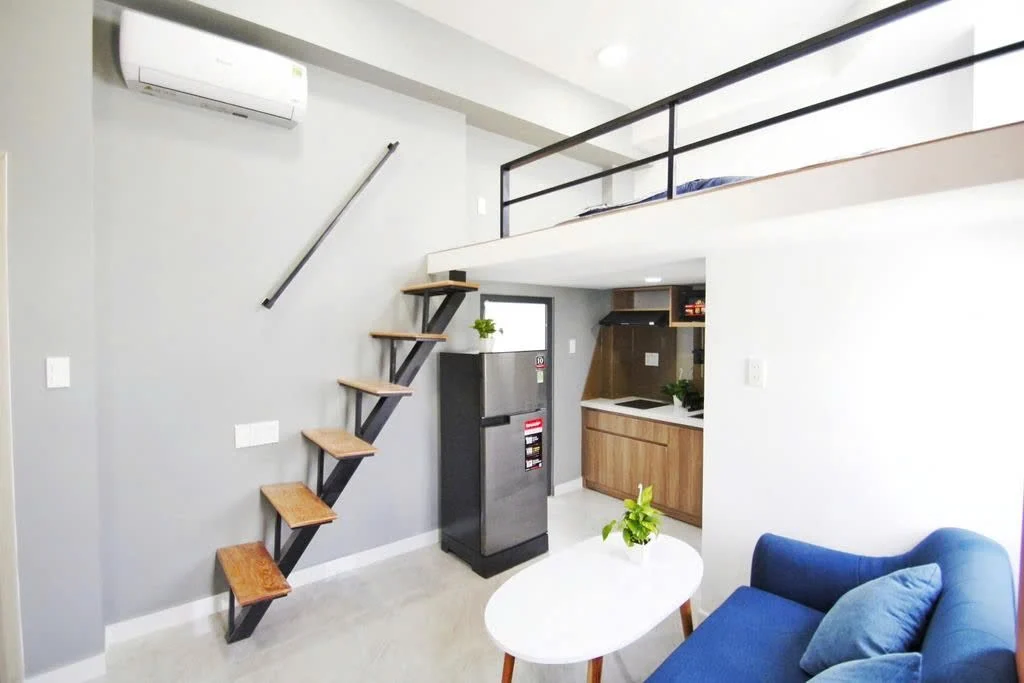
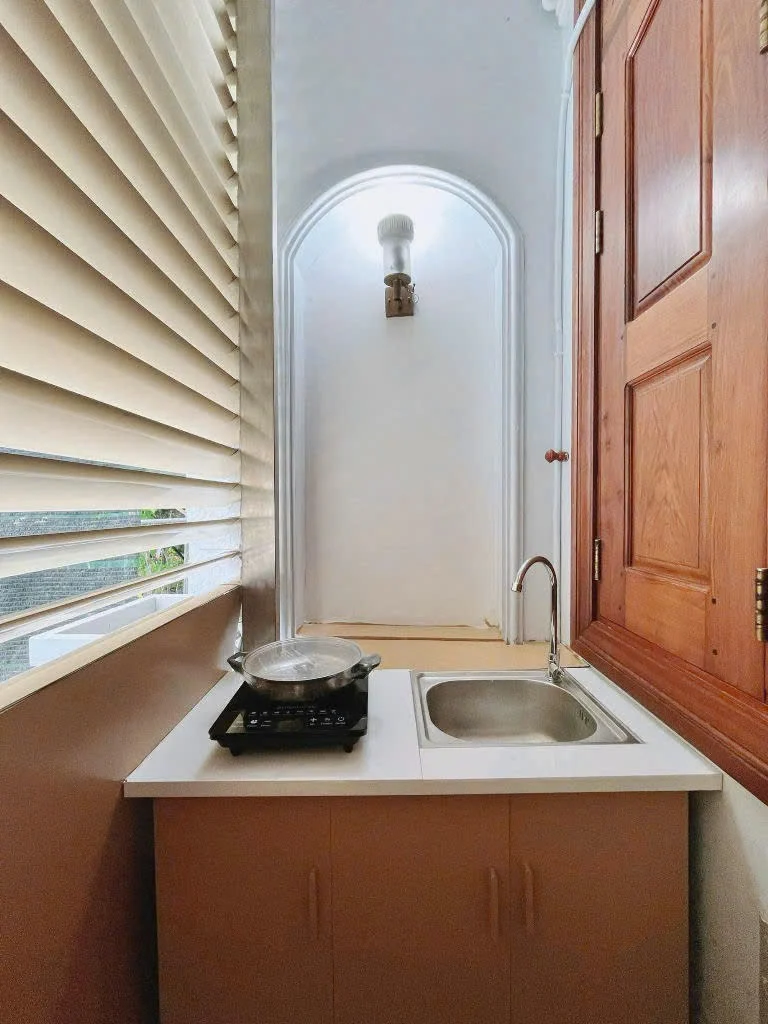
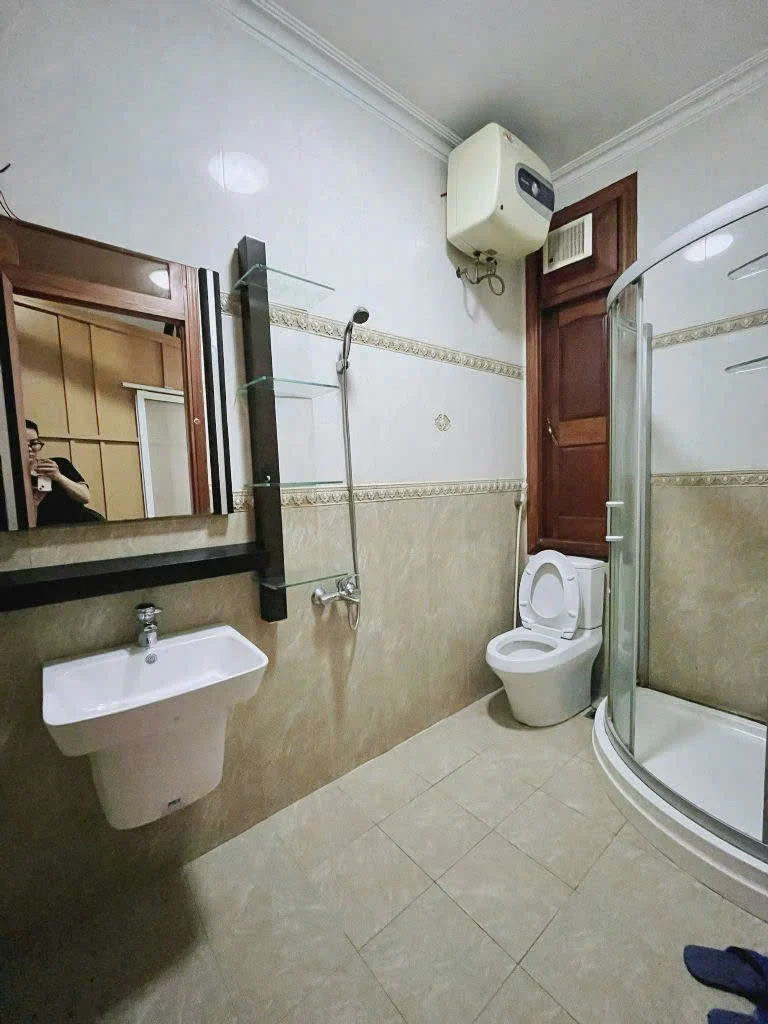
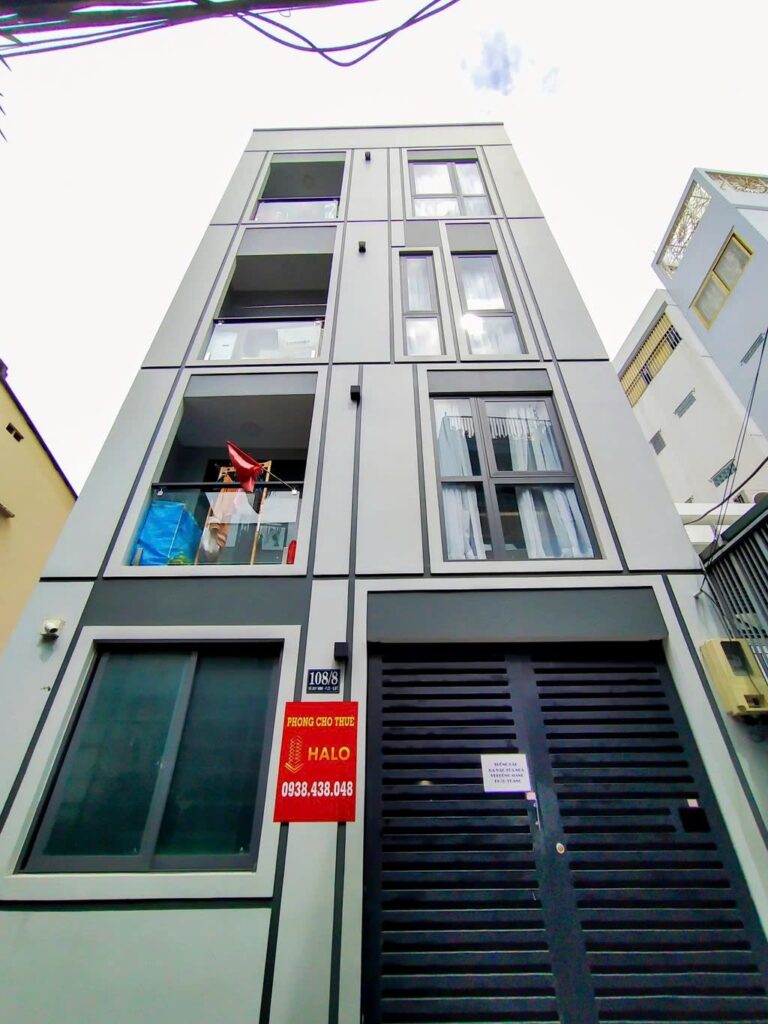
For example, a serviced apartment with a green courtyard in District 1 offers a central and quiet base:
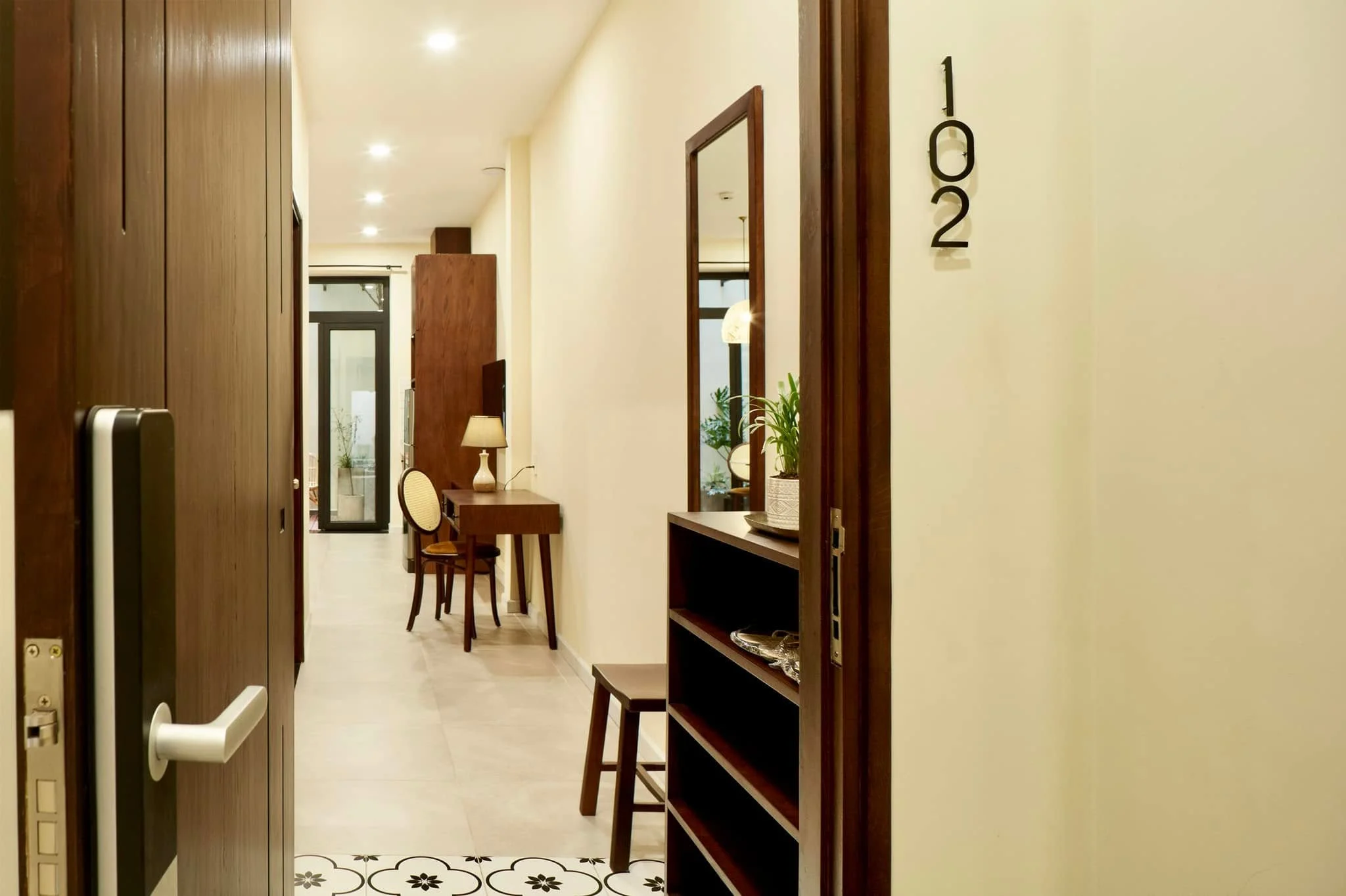
Serviced Apartment with Green Courtyard at GK Saigon on Phan Kế Bính, Đa Kao, District 1, HCMC
Contact for price
- GK Saigon, Da Kao Ward, District 1, Ho Chi Minh City
How Much Does a Serviced Apartment Cost in Ho Chi Minh City?
Prices for serviced apartments for rent in Ho Chi Minh City sit in a broad middle band: noticeably above a basic local rental but well below hotel living for the same period. The final figure depends on district, floor area, building age and the amenity package, so treat any quoted range as indicative and confirm current rates directly with the provider.
Price Ranges by Apartment Type
Studios are the entry point and are common in Binh Thanh and District 7, where newer towers cluster. One-bedroom units form the largest part of the market and appear across Districts 1, 3, Phu Nhuan and Binh Thanh. Two-bedroom apartments suit couples or small families and usually sit in mid-range buildings; three-bedroom units are fewer and tend to be in premium developments in District 1, District 2 and District 7. As a rule of thumb, each extra bedroom adds a meaningful step in rent, and a central address can push a unit into a higher bracket than a larger one further out.
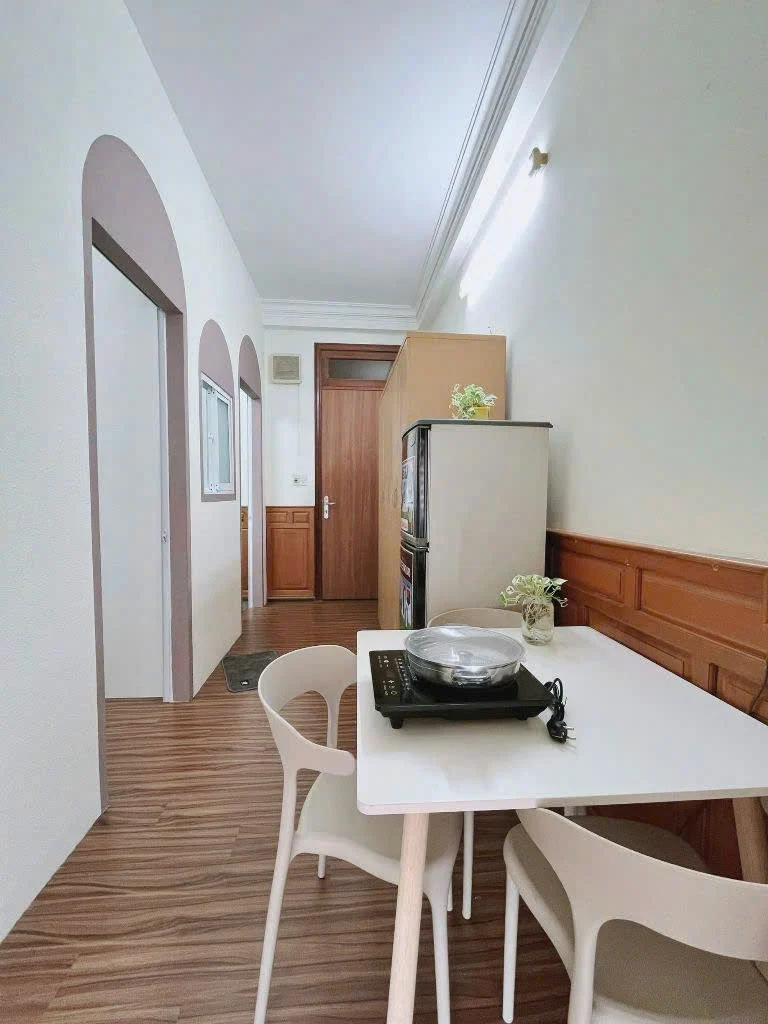
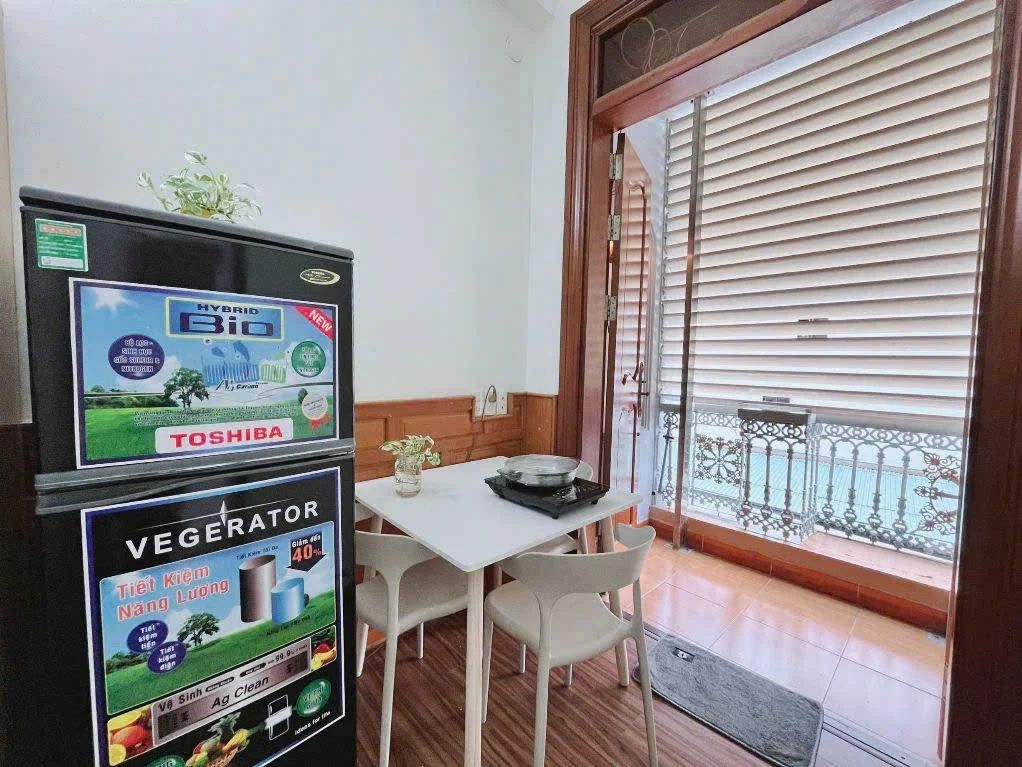
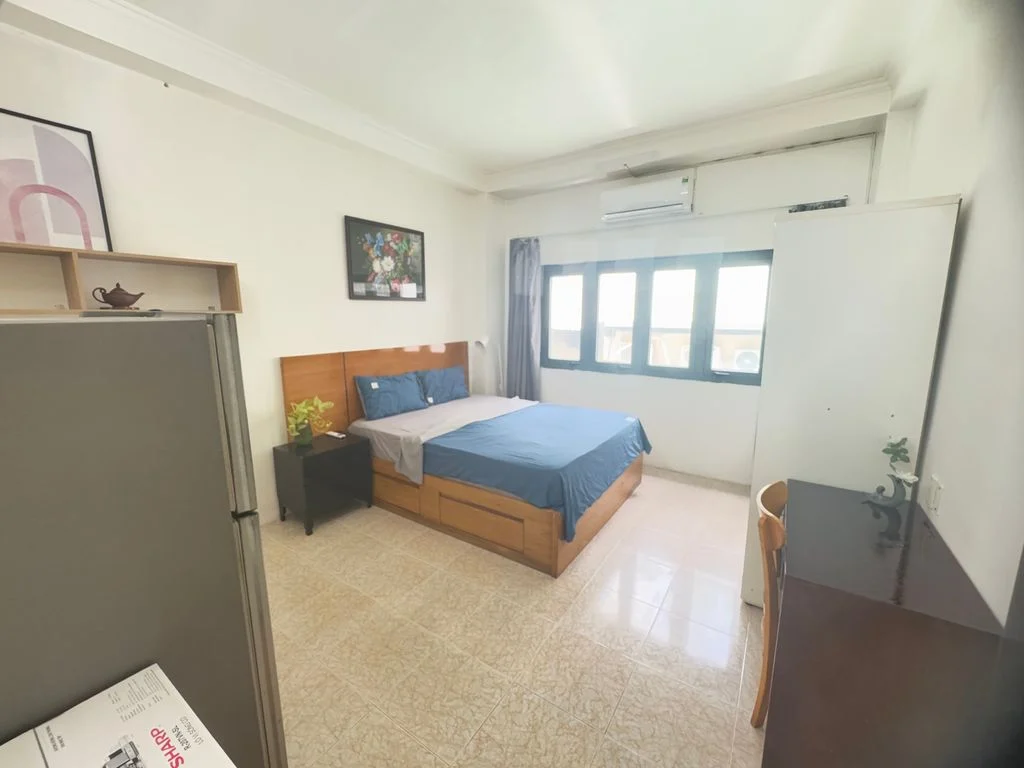
A mid-range example helps anchor expectations: a furnished one-bedroom in Phu Nhuan, a short ride from the city centre.

Fully Furnished 1-Bedroom Serviced Apartment at Helen Apartment, Trường Sa, Phú Nhuận, HCMC
9–11 million VND / month
- 45 m²
- 1 BR
- Helen Apartment, Ward 17, Phu Nhuan, Ho Chi Minh City
What's Included in the Rent?
Most serviced apartment rental HCMC agreements bundle electricity and water up to a cap, Wi-Fi, cable or smart TV, housekeeping once or twice a week, and building management fees. Many also cover reception, security, parking for one motorbike and linen changes. Air-conditioning is the usual source of disputes: check whether power is capped and what the per-kWh rate is beyond it.
Compared with Hong Kong, Singapore, Tokyo or major European capitals, furnished apartments for rent in Saigon generally deliver more space and included services for a lower outlay, which is a large part of their appeal for expat housing in Ho Chi Minh City. That advantage shrinks if you pay over the odds on utilities or accept a short-term premium.
- Ask for the all-in monthly figure, not the base rent, and get the utility cap in writing.
- Negotiate on longer stays: six- or twelve-month commitments often attract better rates than short-term apartment rentals Saigon-wide.
- Confirm the deposit, notice period and any cleaning or check-out fee before signing.
- Request a bilingual contract so the cost of living in Ho Chi Minh City is predictable month to month.
Best Districts for Serviced Apartments in Ho Chi Minh City

Choosing the right district shapes your daily life as much as the apartment itself. Each area has a distinct rhythm, price level and practical trade-offs for serviced apartments for rent in Ho Chi Minh City. Below is a practical overview of the most popular choices for expat housing in Ho Chi Minh City.
District 1: The Heart of the City
District 1 is the commercial and cultural center, with offices, restaurants and landmarks within walking distance. The atmosphere is busy and urban, and serviced apartment rental HCMC options here tend to be the most expensive per square meter, especially for one-bedroom units. You pay for convenience and prestige. It suits young professionals, business travelers and anyone who wants a short commute. International clinics and corporate offices are close, but international schools are mostly a drive away.
District 2 (Thao Dien): Expat Haven
Thao Dien in District 2 (now part of Thu Duc City) is the established expat enclave, known for international schools, cafes and a relaxed riverside feel. Furnished apartments for rent in Saigon here often come in low-rise compounds with pools and gyms. Rents are typically lower than District 1 for more space, making it popular with families and remote workers. Traffic into the center can be heavy at peak times, so plan your commute.
District 7 (Phu My Hung): Family-Friendly
Phu My Hung is a planned urban area with wide streets, international schools and hospitals nearby. The atmosphere is calm and suburban, with parks and shopping centers. Serviced apartments here are often larger and well suited to families; rents are moderate compared to District 1. Access to the city center takes longer, but the area is self-contained and easy to navigate.
Binh Thanh: Up-and-Coming
Binh Thanh sits just north of District 1 and has become a happening area with new apartment buildings and local eateries. It offers good value for serviced apartment rental HCMC, with a mix of local and expat residents. It suits young professionals who want proximity to the center without the District 1 price tag. Traffic varies by neighborhood, so check your specific route.
District 3: Local Charm
District 3 is adjacent to District 1 and retains a local vibe with tree-lined streets, markets and cafes. Serviced apartments here are often in smaller buildings and may offer a more authentic experience. Rents are generally lower than District 1, and it is convenient for offices and hospitals. It suits those who want a central location with a neighborhood feel.
When comparing districts, consider your commute, school run and access to healthcare. Short-term apartment rentals Saigon are available in all these areas, but availability and pricing vary by season, so confirm details directly with providers.
How to Find and Rent a Serviced Apartment in Ho Chi Minh City
Finding serviced apartments for rent in Ho Chi Minh City is manageable if you follow a clear process and verify details before paying anything. The steps below work whether you are already in the city or still planning your move.
Step-by-Step Rental Process
- Define your needs: note your preferred district, commute, unit size, and must-haves such as a kitchenette, workspace, parking, or pet permission.
- Set a budget: include rent plus utilities and any service fees, and keep a small buffer for the deposit.
- Research online: compare listings on several platforms and note recurring buildings or operators.
- Shortlist: narrow to three to five options and confirm availability dates in writing.
- Schedule viewings: visit in person or request a live video tour; check water pressure, Wi-Fi, air conditioning, and noise.
- Negotiate: longer stays and flexible move-in dates can sometimes improve terms, so ask politely.
- Sign the contract: read the lease in English and Vietnamese, confirm what is included, and keep a signed copy and receipts.
Where to Search for Serviced Apartments
Specialized rental websites list verified buildings with photos and floor plans, while Facebook groups for expat housing in Ho Chi Minh City often surface newer or smaller operators. Real estate agencies are useful for corporate relocations and can handle viewings and paperwork on your behalf.
If you are still abroad, ask for a live video walkthrough rather than edited photos, request the exact address, and confirm the building's policies on guests and short-term apartment rentals Saigon-style. A short trial stay before a longer lease reduces risk.
Typical lease terms for serviced apartment rental HCMC: a minimum stay of often one month, a deposit usually equal to one month's rent, and payment by bank transfer or cash, with utilities sometimes billed separately. Terms vary by operator, so confirm each detail in the contract.
What to Look for in a Serviced Apartment: Checklist
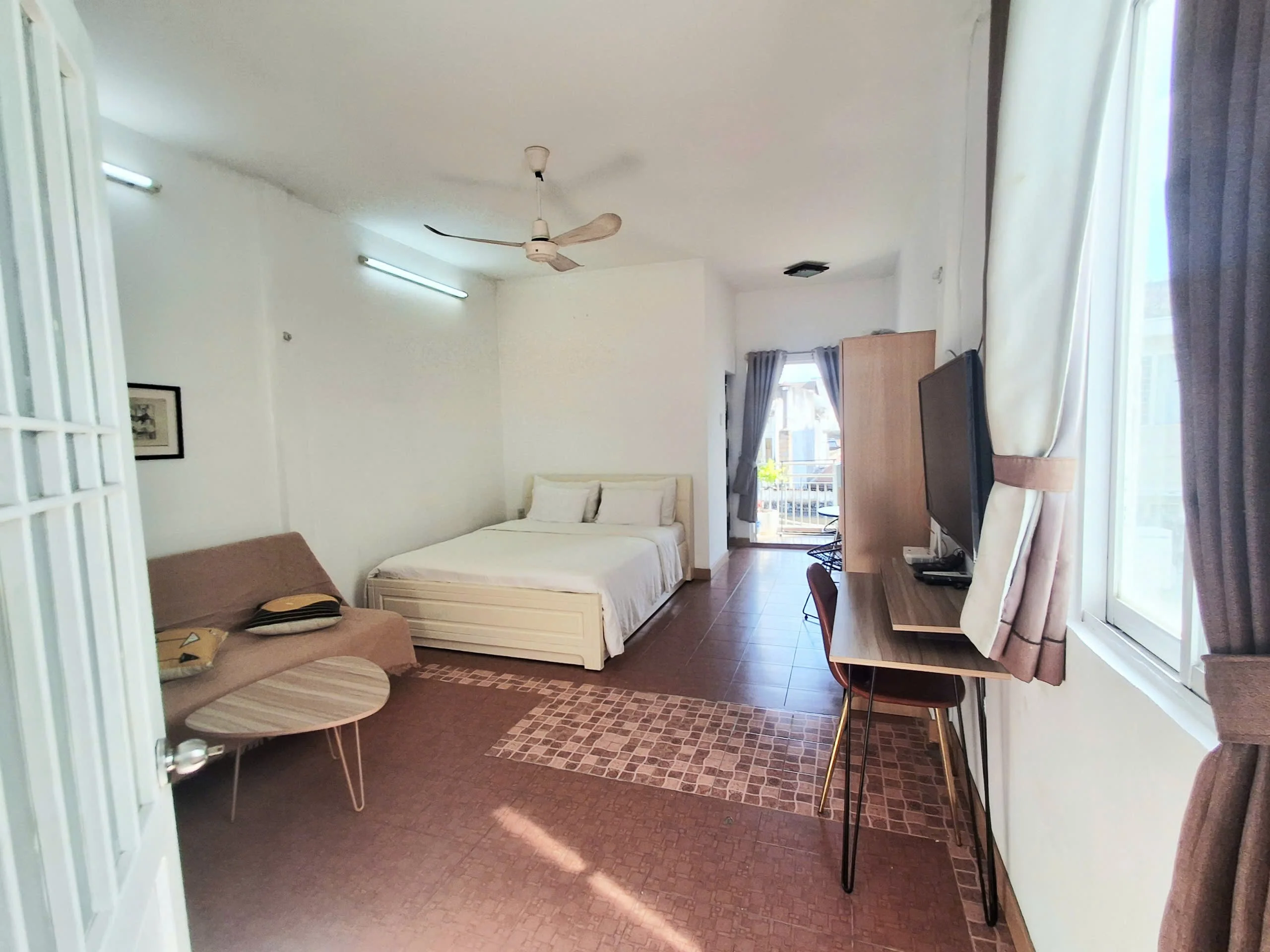
Before signing a lease for serviced apartments for rent in Ho Chi Minh City, run through a practical checklist to avoid surprises. Use the points below to compare units objectively and to prepare questions for the landlord or agency.
Key Features to Check
- Location: Confirm walking distance to shops, restaurants, and your office or school, and check noise levels at different times of day. In districts like District 1 or Thao Dien, traffic patterns can affect commute times significantly.
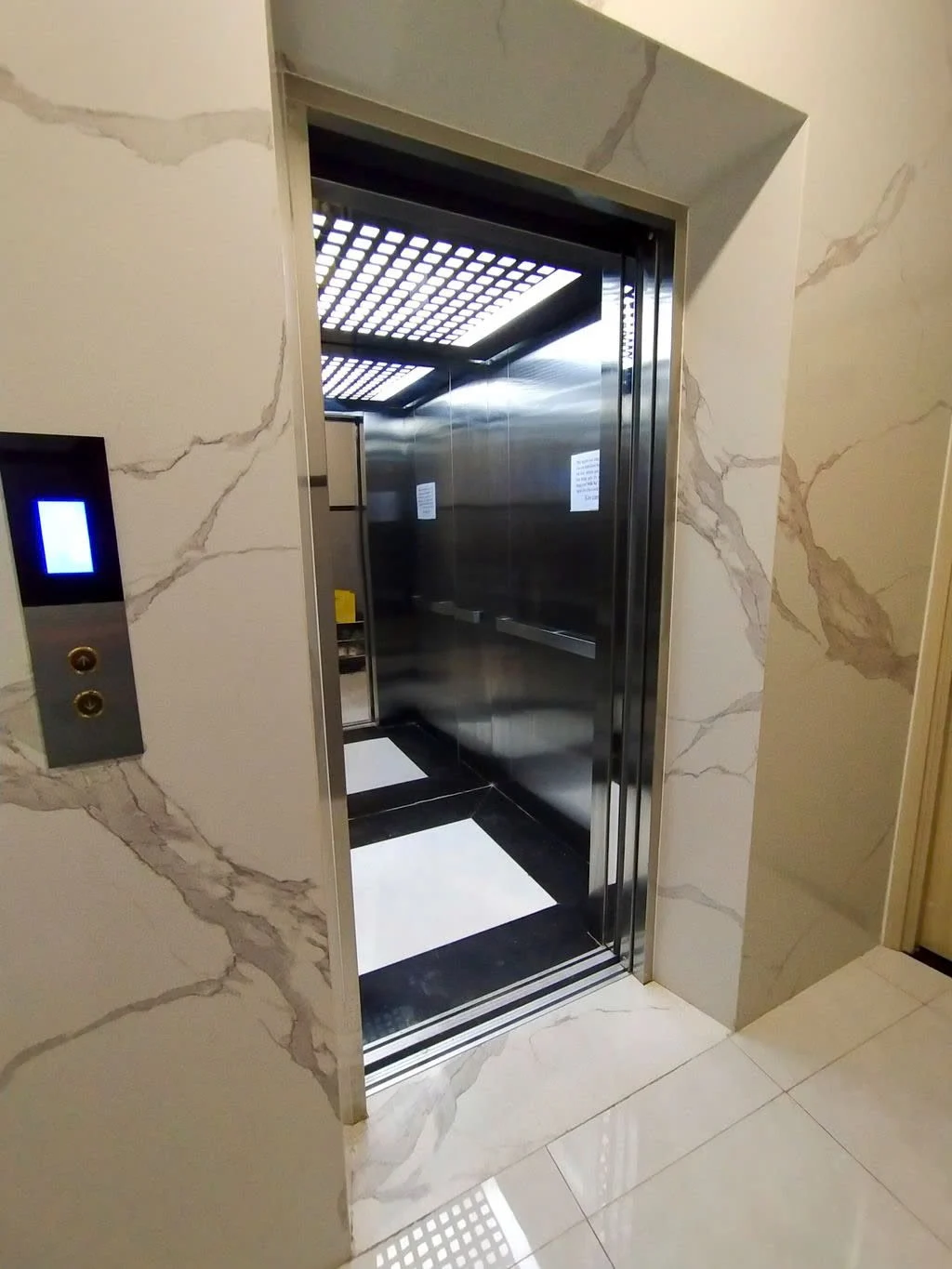
- Safety and security: Look for 24/7 security, secure entry systems, fire extinguishers, and clearly marked emergency exits. Ask about building access control and visitor policies.
- Amenities: Verify whether the gym, pool, and parking are included or cost extra. Parking for motorbikes is common, but car parking may be limited or charged separately.
- Internet speed: Test the Wi-Fi in the unit and ask about the provider and backup options. For remote work, a stable connection is essential; consider a mobile data backup.
- Housekeeping: Clarify the frequency of cleaning, linen changes, and whether laundry is included or available on-site.
- Lease flexibility: Check minimum stay requirements, renewal terms, and notice periods. Short-term apartment rentals Saigon options often have more flexible terms than long-term leases.
Understanding the Lease Agreement
Read the contract carefully, paying attention to termination clauses, deposit refund conditions, and any hidden costs such as management fees, utilities, or maintenance charges. Ask for an English translation if needed and ensure all verbal promises are written into the agreement. Typical leases may require one to two months' deposit, but terms vary, so confirm everything in writing.
Negotiate politely: longer stays or upfront payment can sometimes reduce the monthly rate. Clarify who is responsible for repairs and how quickly maintenance requests are handled. When communicating with landlords or agencies, keep a friendly and patient tone; indirect communication is common in Vietnam, so confirm important details in writing to avoid misunderstandings.
Cost of Living in Ho Chi Minh City for Expats
Rent is usually the largest line in any expat budget, but day-to-day spending shapes how comfortable life in Saigon feels. The figures below are typical ranges and should be treated as a planning guide, since prices vary by neighbourhood, lifestyle and the exchange rate at the time you move.
Monthly Budget Breakdown
Beyond the rent on your serviced apartment, most expats budget for the following categories. Amounts are indicative monthly ranges for a single person and will rise for couples and families.
- Groceries: Local wet markets and small shops are the cheapest option; imported goods at supermarkets and specialty stores cost noticeably more.
- Dining out: Street food and local eateries are very affordable, while Western restaurants, cafes and delivery apps push this category up quickly.
- Transportation: Ride-hailing apps and motorbike taxis are the norm for most renters; some expats rent or buy a motorbike, which adds fuel, parking and insurance.
- Utilities: Electricity for air conditioning is the main variable, especially in the hot season. Many serviced apartment rents already include water, internet and sometimes electricity, so confirm what is bundled.
- Entertainment: Gyms, cinemas, bars and weekend trips are modestly priced by international standards but add up if used often.
For families, two costs deserve separate planning: private healthcare (routine visits, insurance premiums and any procedures) and international school fees, which are usually the largest single expense after housing. Both vary widely by provider and should be quoted directly rather than estimated.
How Does It Compare to Europe?
Overall, the cost of living in Ho Chi Minh City is generally lower than in most Western European capitals, particularly for dining, transport and personal services. Housing in prime expat areas can approach European levels, but everyday spending typically leaves more room in the budget. A simple rule: track your first two months carefully, then set a realistic monthly cap that includes a buffer for healthcare, travel home and unexpected costs.
Making the Move: Practical Tips for a Smooth Transition
Signing a lease for serviced apartments for rent in Ho Chi Minh City is only part of the move. The first few weeks go more smoothly when you prepare your paperwork, banking, and local connections before or shortly after arrival. Treat this as a checklist you work through in stages rather than all at once.
Visa and Legal Considerations
Your visa should match your purpose of stay. Tourist visas suit short-term apartment rentals in Saigon but generally cannot be extended indefinitely, while work and business visas require sponsorship or supporting documents from an employer or local partner. Rules and processing times change, so confirm current requirements with the Vietnamese immigration authority or a licensed agency before you book flights.
Keep digital and printed copies of your passport, visa, and lease. Many landlords register foreign guests with local authorities, so ask what they need from you and how quickly they handle it.
Settling In: Banking, SIM Cards, and More
Opening a local bank account is easier with a long-term visa and proof of address, and some banks offer accounts to foreigners on shorter stays with extra documents. Bring your passport and lease, and ask your landlord for a confirmation of residence. For mobile service, prepaid SIM cards from major carriers are widely available; a local number helps with deliveries, ride-hailing, and landlord contact.
Electricity, water, and internet are often bundled into serviced apartment rent, but confirm what is included and how usage is metered. Learning basic greetings and phrases such as xin chào (hello) and cảm ơn (thank you) goes a long way, and removing shoes at the door is a common courtesy.
For expat housing in Ho Chi Minh City, tap into established communities: expat Facebook groups, city-specific forums, and meetup groups for professionals and families. These networks are useful for practical advice, social events, and trusted service recommendations.
Your Serviced Apartment Awaits in Ho Chi Minh City
From understanding costs and choosing the right district to navigating contracts and settling in, this guide has equipped you with the essential knowledge to find a serviced apartment that suits your lifestyle and budget. Ho Chi Minh City offers a diverse range of options, whether you're a remote worker seeking a vibrant District 1 base or a family looking for community in Thao Diem or Phu My Hung.
Ready to make your move? Browse our curated listings of serviced apartments for rent in Ho Chi Minh City and discover your new home today.
Frequently asked questions
What is the average rent for a serviced apartment in Ho Chi Minh City?
Rent varies by district and unit size. A studio in the city center might range from $500 to $800 per month, while a two-bedroom in expat-favored areas like Thao Dien or Phu My Hung could be $1,200 to $2,000. Luxury three-bedroom apartments can exceed $2,500. Prices often include utilities, housekeeping, and amenities, so compare total value rather than just the headline rent.
Are utilities included in serviced apartment rentals?
Many serviced apartments include utilities such as water, electricity, internet, and cable TV in the monthly rent, but this varies by provider. Some may cap usage or charge extra for excessive consumption. Always confirm what is bundled and request a sample bill to avoid surprises. Clarifying this upfront helps you budget accurately and avoid hidden fees.
Can I rent a serviced apartment for a short term, like one month?
Yes, many serviced apartments offer flexible lease terms with a minimum stay of one month, though some may require a three-month commitment. Short-term rentals are ideal for business travelers or those new to the city who want to explore before committing long-term. Be sure to ask about availability and any additional fees for short stays.
What is the best district in Ho Chi Minh City for expats?
District 2 (Thao Dien) is popular among expat families for its international schools and community feel, while District 1 suits professionals who want to be in the heart of the action. District 7 (Phu My Hung) offers a suburban, family-friendly environment with modern amenities. Binh Thanh and District 3 are also emerging as trendy, well-connected options. The best choice depends on your lifestyle and priorities.
Do I need a visa to rent a serviced apartment in Vietnam?
Yes, you need a valid visa or temporary residence card to rent a serviced apartment legally in Vietnam. Tourist visas may be accepted for short-term stays, but longer leases typically require a business or work visa. Landlords will ask for passport and visa copies for registration. Ensure your visa status allows for the duration of your intended stay.