Why Ho Chi Minh City Is a Top Choice for Digital Nomads
Ho Chi Minh City for digital nomads stands out as one of Asia's most affordable and practical bases, with apartment rents of roughly $300–400 per month and total living costs of only $600–700. If you are a remote worker or solo traveler weighing up where to settle next, this guide explains why the city deserves a serious look.
Why Ho Chi Minh City Appeals to Digital Nomads and Solo Travelers
The number of people working remotely from abroad keeps rising, and most of them look for the same things: a low cost of living, fast internet, a lively social scene and enough culture to make every week feel different. Ho Chi Minh City delivers all four without the price tag of Bangkok, Singapore or Lisbon. For many remote workers, that combination is hard to ignore.
A Dynamic and Welcoming City
Ho Chi Minh City mixes old and new in a way few Asian cities manage. District 1 has colonial landmarks and rooftop bars, while District 3 and Bình Thạnh are full of local cafés, street food stalls and quiet lanes that feel far from the tourist trail. Solo travelers often say the city is easy to settle into because daily life happens outdoors and in public spaces.
The energy is constant but not overwhelming. You can spend a morning in a coworking space in District 1, have lunch at a small noodle shop for a few dollars and join an evening language exchange with locals and expats. That mix of culture, convenience and social life is a big reason Ho Chi Minh City for digital nomads has become such a common recommendation.
Practical Benefits for Remote Workers
Internet connections in apartments and cafés are generally reliable, and fiber packages are common in serviced buildings. Coworking spaces are spread across District 1, District 3, Bình Thạnh and Phú Nhuận, with day passes and monthly memberships that suit short stays. The expat community is active, with meetups, sports clubs and online groups that make it easier to build a network quickly.
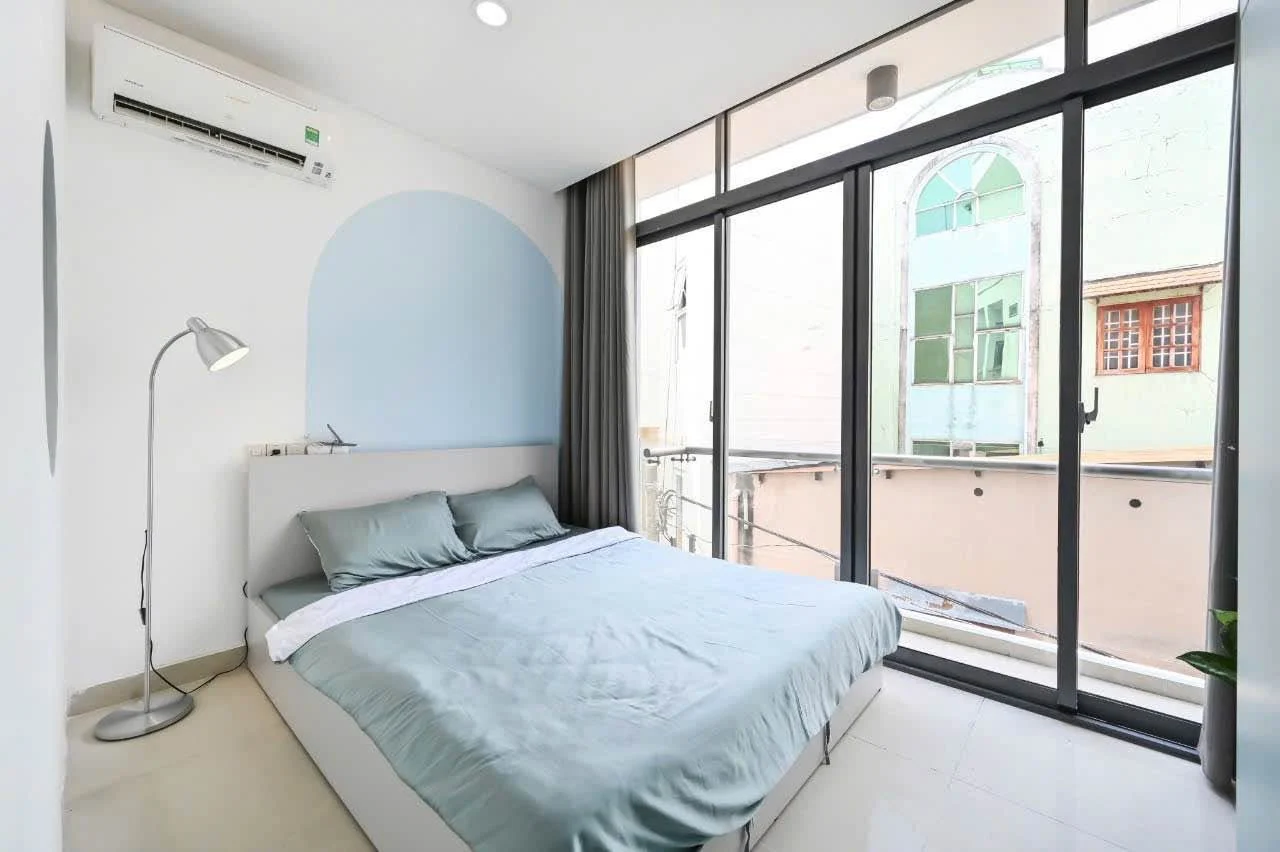
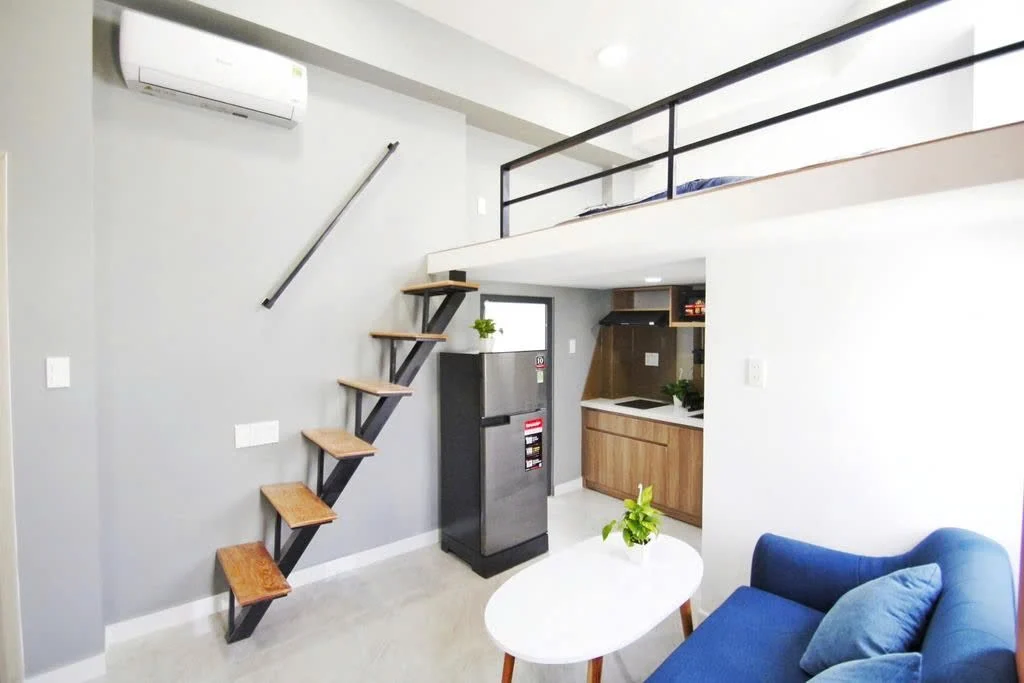
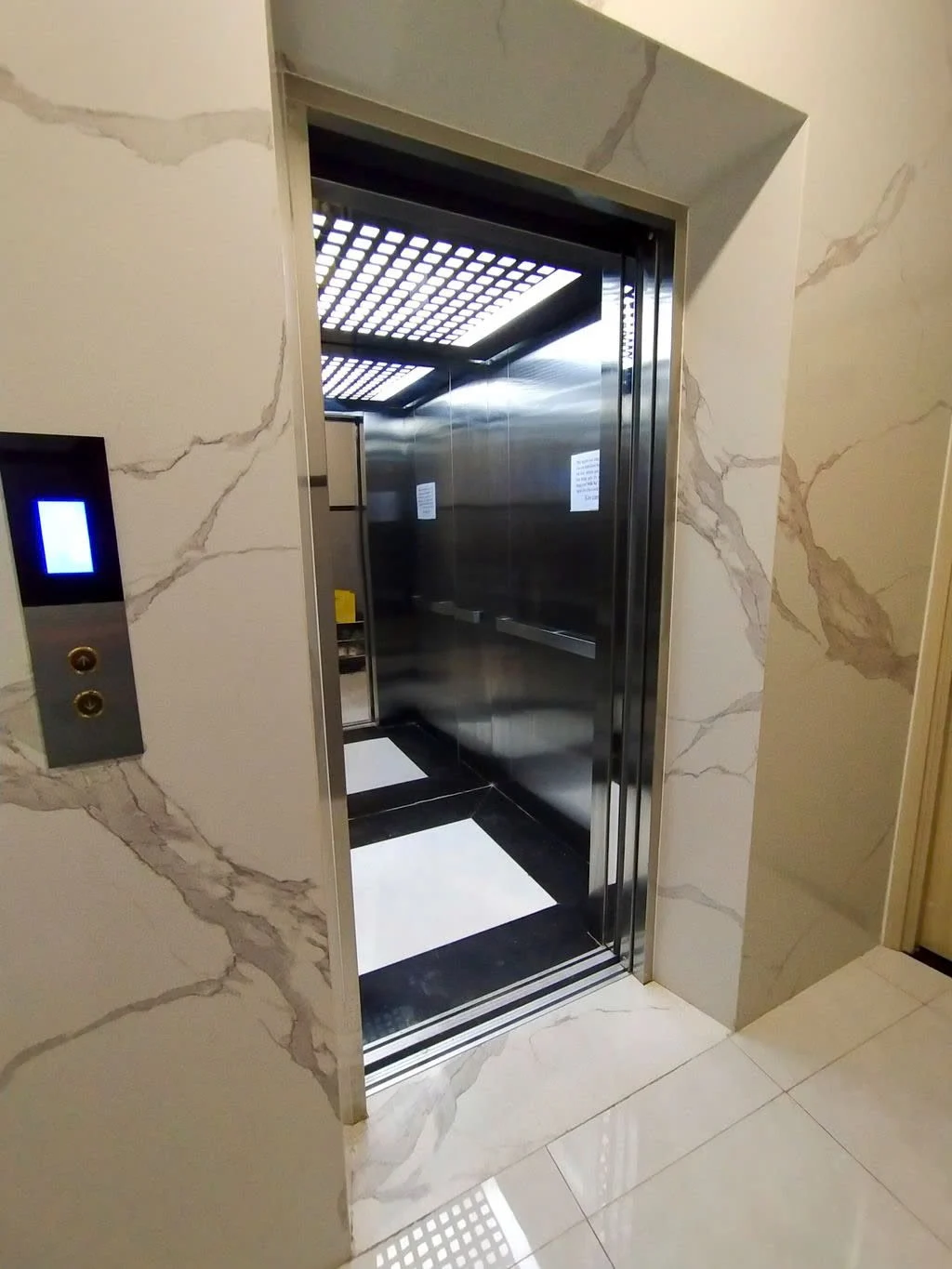
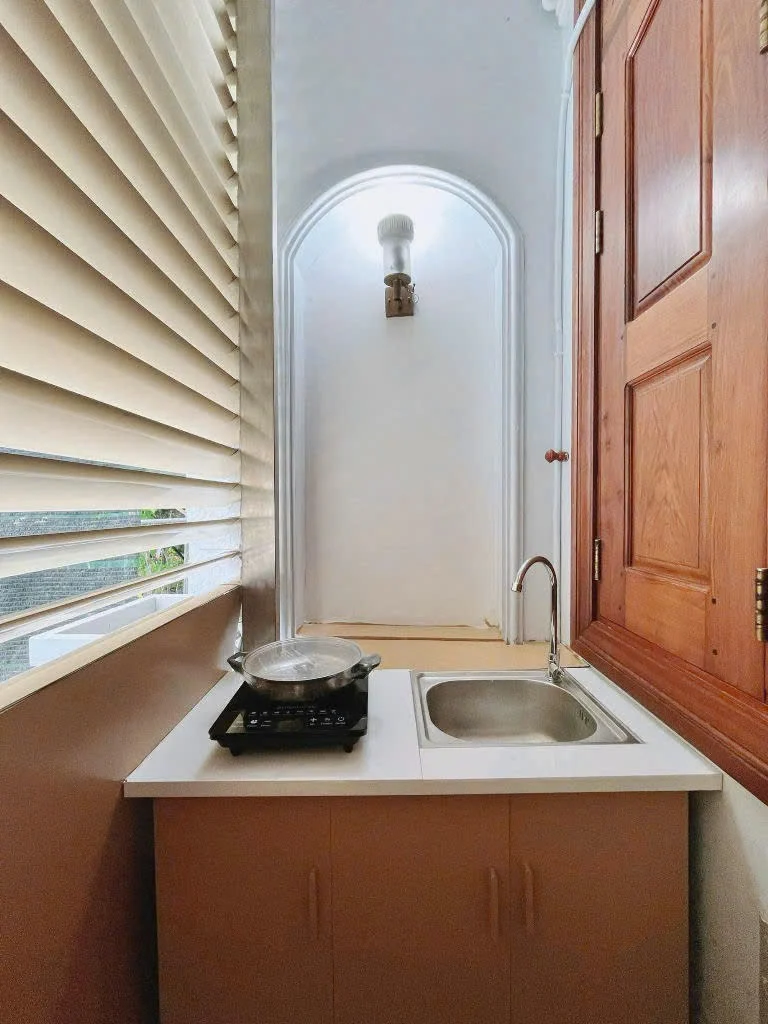
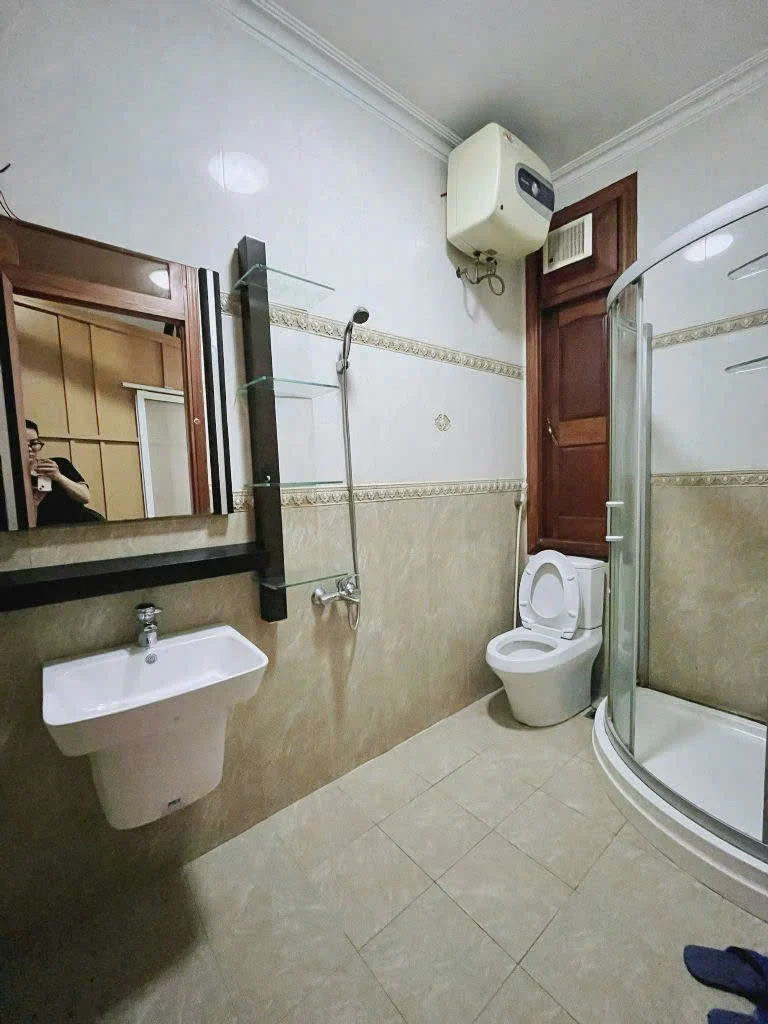
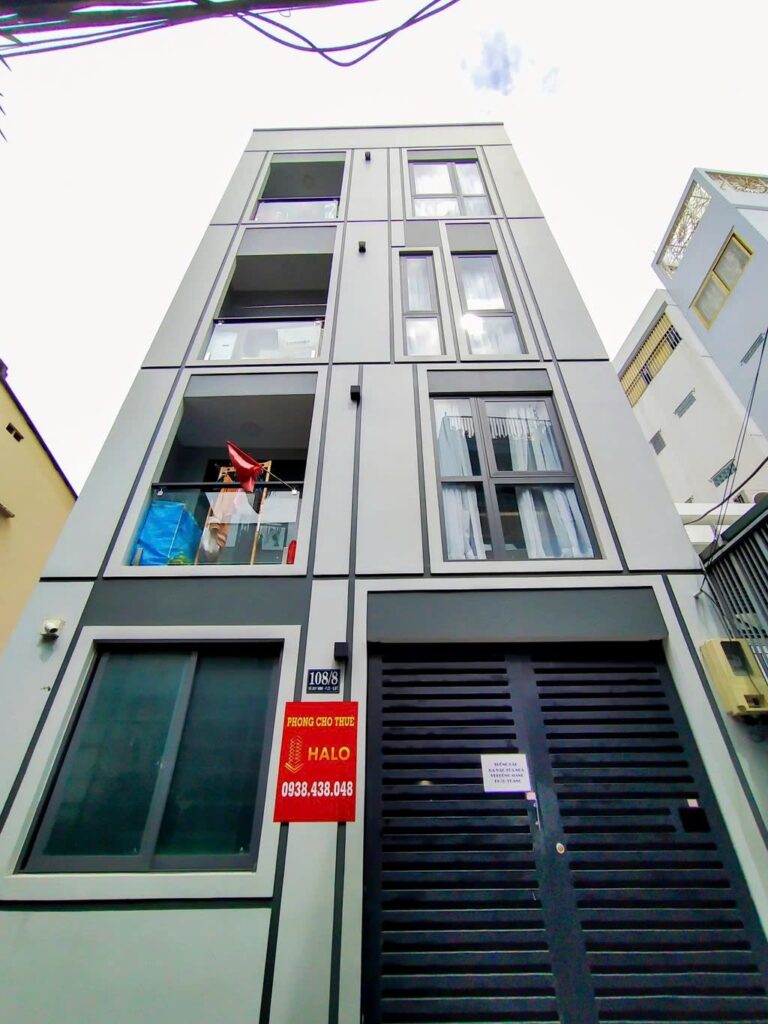
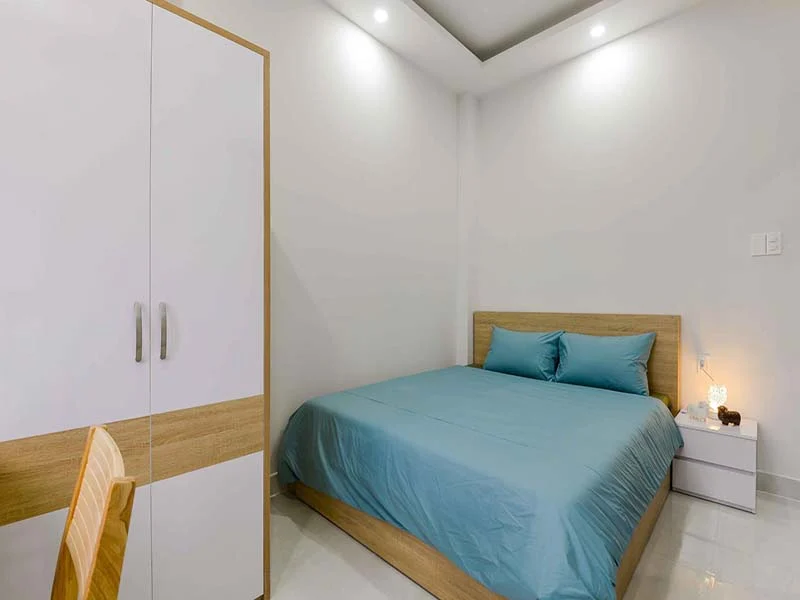
The strongest argument, though, is cost. Typical rents for a one-bedroom apartment sit around the low hundreds of US dollars per month, and everyday expenses are modest, so a comfortable monthly budget often lands well below what the same lifestyle costs in Europe or North America. That gap is what makes Ho Chi Minh City for digital nomads so attractive for long stays. A good example is this furnished one-bedroom in Phú Nhuận, which shows what a mid-range serviced option looks like in practice.

Fully Furnished 1-Bedroom Serviced Apartment at Helen Apartment, Trường Sa, Phú Nhuận, HCMC
9–11 million VND / month
- 45 m²
- 1 BR
- Helen Apartment, Ward 17, Phu Nhuan, Ho Chi Minh City
For solo travelers testing the city for a month or two, that cost advantage means less pressure to earn a high income and more freedom to choose where and how to live.
The Cost of Renting an Apartment in Ho Chi Minh City
For many digital nomads, the biggest monthly expense is accommodation. In Ho Chi Minh City, that expense is surprisingly manageable: a decent apartment typically rents for $300–400 per month. That budget can secure a clean, furnished studio or one-bedroom in areas popular with remote workers.
What You Get for $300-400
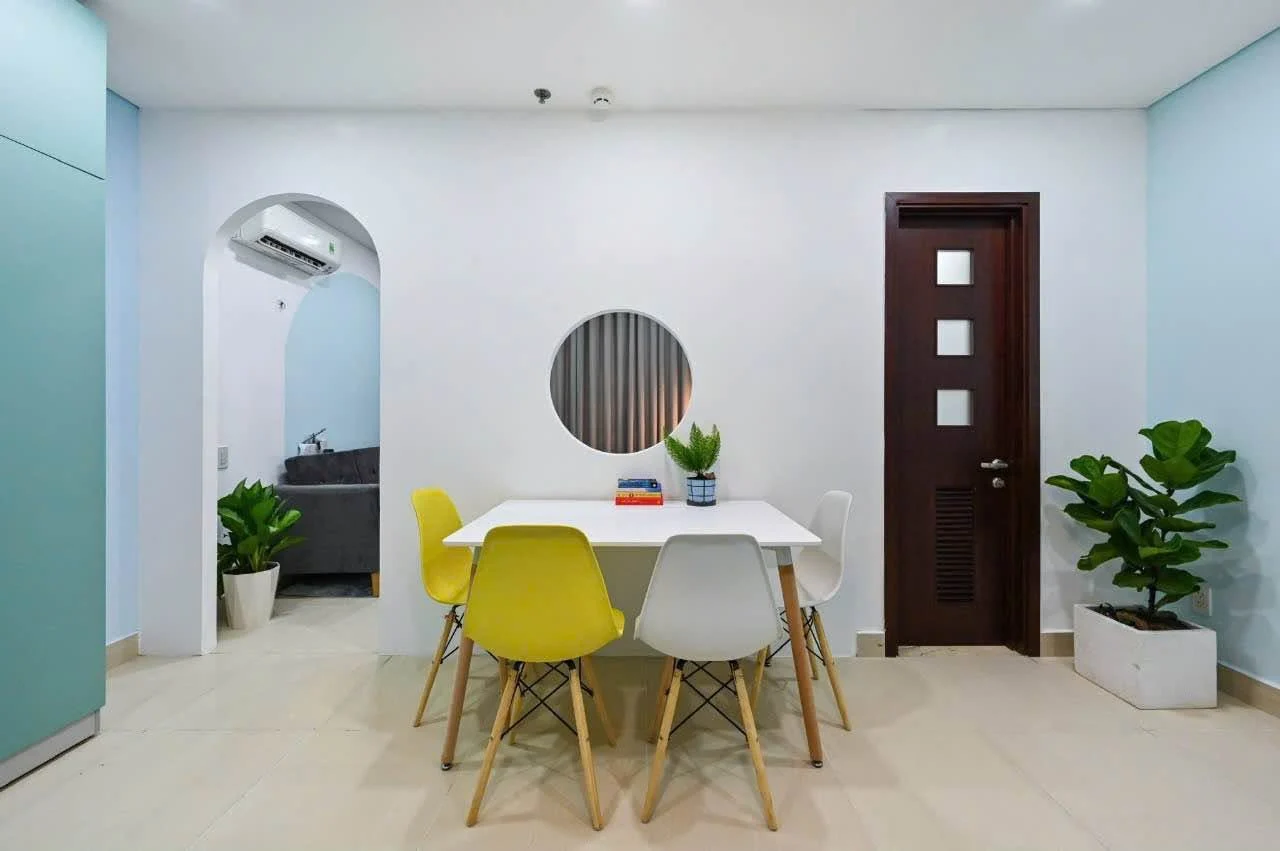
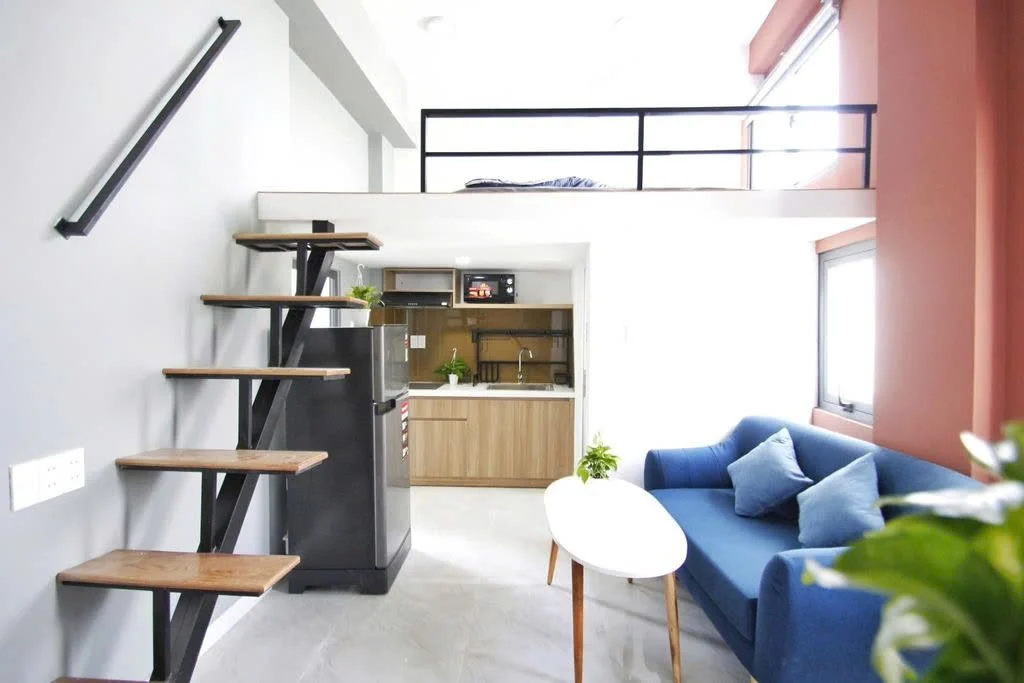
At this price point, expect a compact studio or a one-bedroom apartment of around 30–50 square meters. Units usually come with basic furniture, air conditioning, a kitchenette, and often a small balcony. Locations tend to be in Districts 3, Binh Thanh, Phu Nhuan, or outer parts of District 1—areas that are well-connected but not right in the tourist center.
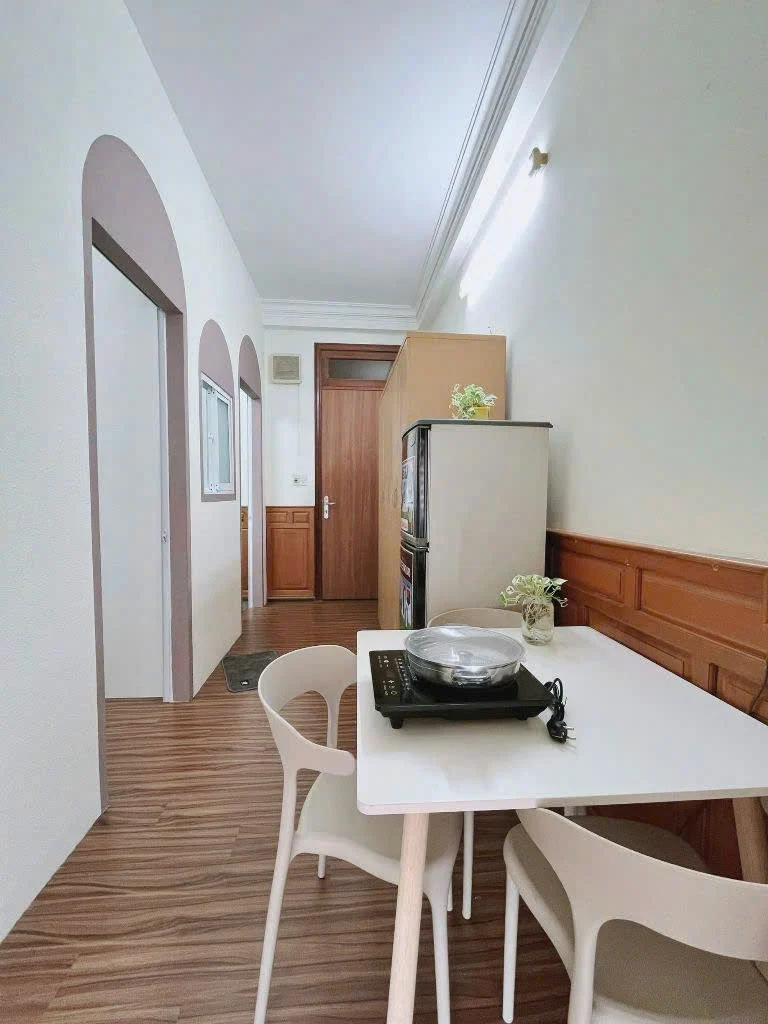
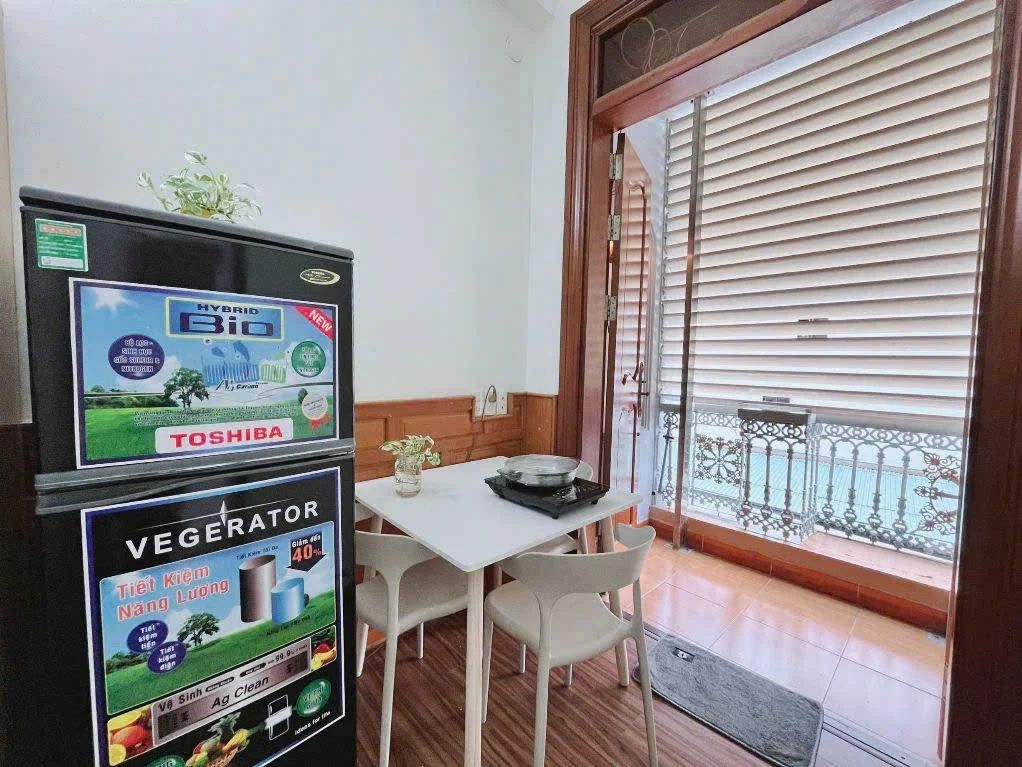
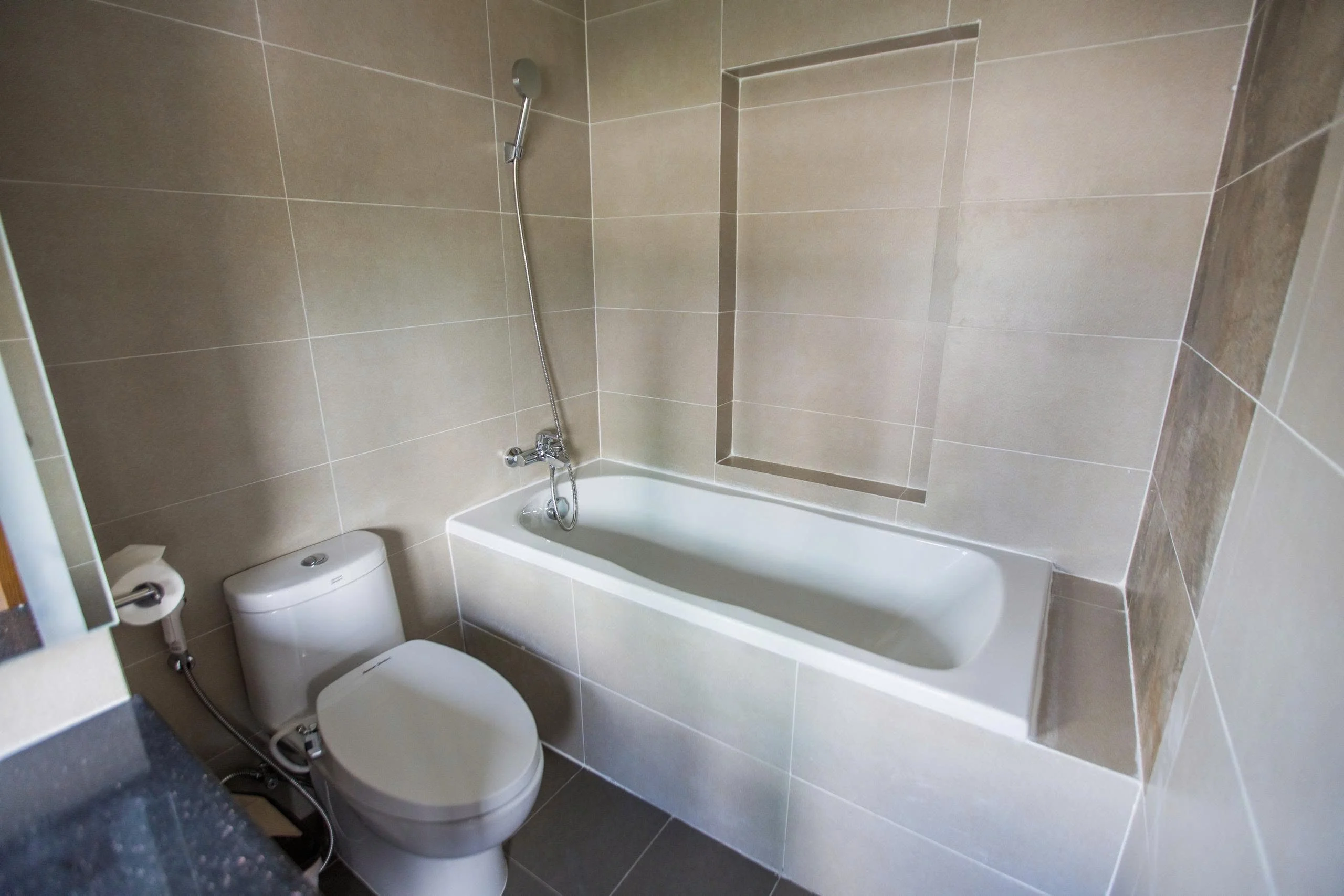
For example, a 1-bedroom apartment with a garden-view balcony on Tran Quang Dieu in District 3 is listed at 9.2 million VND per month, which is within the $300–400 range (depending on exchange rates). Such listings show that a comfortable, well-located apartment is achievable on this budget.
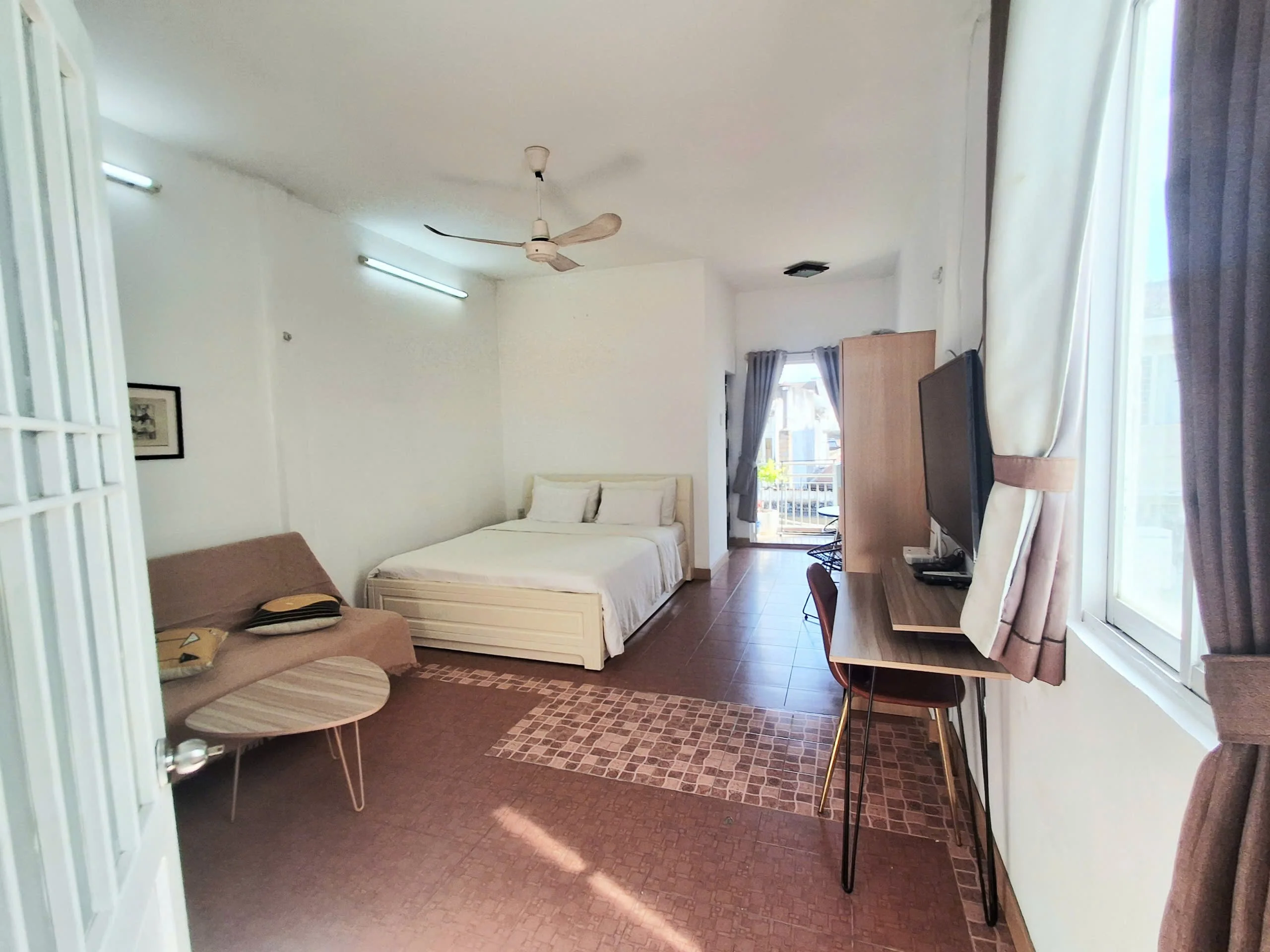
1-Bedroom with Garden-View Balcony on Trần Quang Diệu, Ward 14, District 3, HCMC
9.2 million VND / month
- 1 BR
- Ward 14, District 3, Ho Chi Minh City
Compared to other digital nomad hotspots like Chiang Mai, Bali, or Lisbon, Ho Chi Minh City offers similar or lower rents for comparable quality. In Chiang Mai, a similar apartment might cost $300–500, while in Bali or Lisbon, you'd pay significantly more for less space. This makes Ho Chi Minh City a strong contender for budget-conscious remote workers.
How to Find Affordable Apartments
Start your search on local listing websites and Facebook groups, but be wary of deals that seem too good to be true. Always visit the apartment in person before paying any deposit. Verify the landlord's ownership documents and insist on a written contract that clearly states the rent, deposit, and terms for utilities.
Avoid paying money upfront to secure a viewing; legitimate landlords or agents won't ask for this. Use reputable platforms and consider hiring a local agent for a small fee—they can help you navigate the market and avoid scams. Many expats also find success by asking in community forums for recommendations.
Remember that prices can vary by season and location, so it's wise to check current rates and negotiate politely. With a bit of research, you can find a great apartment that fits your budget and lifestyle.
Other Living Expenses: How Much Do You Really Need?
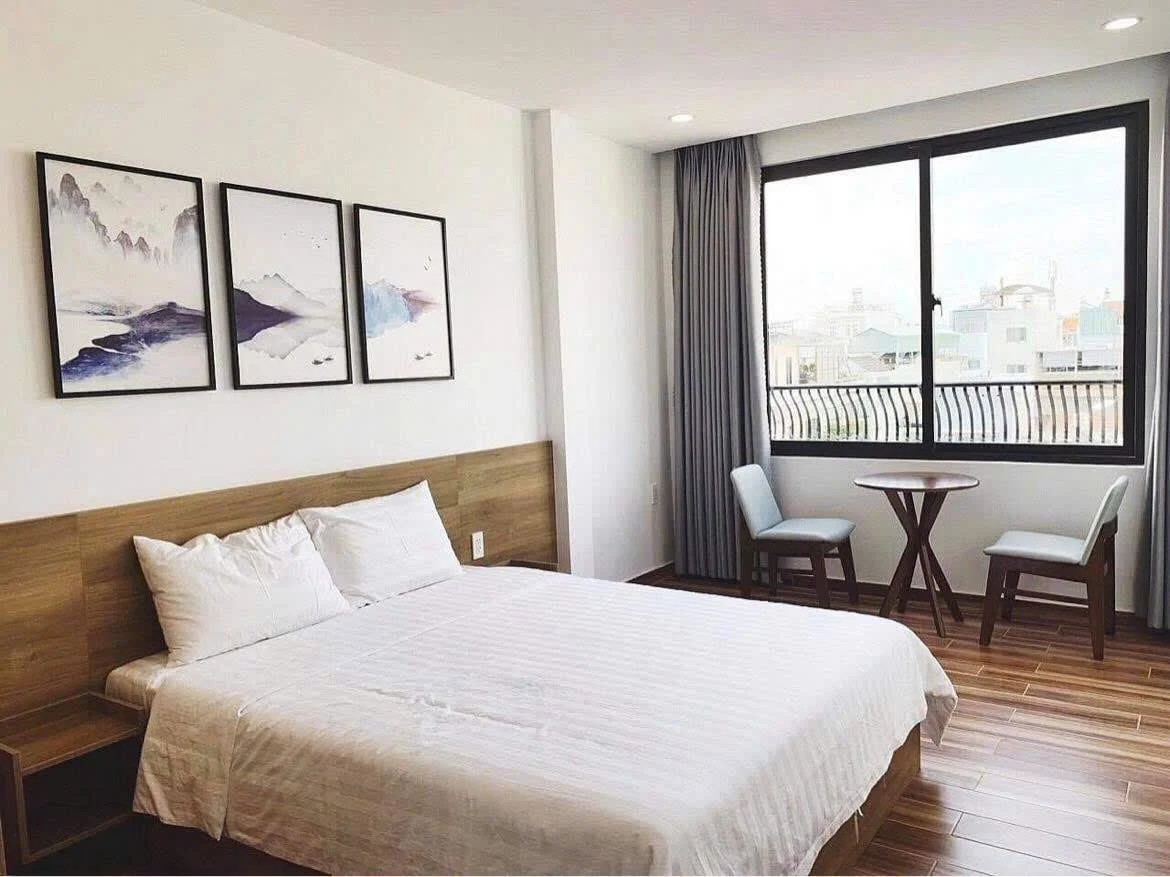
Beyond rent, your monthly outgoings in Ho Chi Minh City are modest. For most digital nomads and solo travelers, $200–300 comfortably covers food, transport, utilities and entertainment. That figure is typical for a mid-range lifestyle, not a bare-bones one, and it is why the city’s overall cost of living Ho Chi Minh City remains a major draw.
Food and Dining
Street food and local eateries are the biggest saver. A bowl of pho or a banh mi typically costs a dollar or two, while a sit-down meal at a casual Vietnamese restaurant runs a few dollars more. If you cook at home, fresh produce and meat from local markets are inexpensive; a week’s groceries often costs less than a single Western-style dinner.
For variety, the city has everything from Japanese to Indian to vegan spots, especially in District 1 and District 3. A realistic monthly food budget for one person is around $100–150 if you eat local most of the time, or $150–200 if you mix in international restaurants and the occasional coffee-shop work session.
Transportation and Utilities
Getting around is cheap. Motorbike taxis (Grab Bike or Be) usually cost under a dollar for short hops, and a monthly pass for the bus network is very affordable. Many nomads rent a motorbike for roughly $40–60 per month, though you should check licensing requirements and insurance before riding.
Utilities are equally manageable. A serviced apartment often includes water, internet and cleaning in the rent; if not, expect to pay around $20–40 per month for electricity, water and high-speed Wi-Fi. A local SIM with plenty of data costs only a few dollars, and coworking day passes are available if you need a change of scene.
With $200–300, you can eat well, move freely, stay connected and still enjoy entertainment—cinema tickets, weekend trips to nearby provinces, or evenings out. That balance of low costs and good living standards is a key reason Ho Chi Minh City for digital nomads works so well for long stays.
Total Monthly Cost: $600-700 to Live in Ho Chi Minh City
When you add up the two main budget lines, the picture becomes clear. A typical rent of $300-400 per month for a studio or one-bedroom apartment, plus roughly $200-300 for food, transport, utilities and entertainment, gives a total monthly cost of about $600-700. For many remote workers, that single figure is the strongest argument for choosing Ho Chi Minh City for digital nomads.
This is not a bare-bones survival budget. It assumes you eat out regularly at local restaurants, use ride-hailing apps, pay for reliable internet and still have room for coffees, coworking day passes and the occasional weekend trip. In other words, $600-700 buys a comfortable, flexible lifestyle rather than a compromise.
Comparison with Other Digital Nomad Hotspots
Set that total against other popular bases and the gap is noticeable. In parts of Thailand, a comparable lifestyle in a major city often runs higher once you factor in rent near the centre. In Portugal, monthly costs for a similar setup are typically several times the Ho Chi Minh City figure, and Mexico's nomad hubs have also become pricier as demand has grown. These are general impressions and vary by city and season, so it is worth checking current local rates before you commit.
The practical result is breathing room. On a modest remote income, you can keep housing in a central district, save part of your earnings each month and absorb unexpected costs without stress. That margin for savings and flexibility is exactly why the cost of living in Ho Chi Minh City keeps drawing long-stay visitors.
For solo travellers and freelancers weighing their next base, this cost advantage is a major draw. Few cities combine central apartment living and a full social life at a total outlay that many people spend on rent alone elsewhere. If your income is location-independent, the math here is hard to ignore.
Visa and Legal Considerations for Digital Nomads

Understanding your visa options is essential before you settle into a long-term rental in Ho Chi Minh City. Vietnam’s immigration rules are updated periodically, so always verify the latest requirements with the official immigration portal or a licensed visa agent before making plans.
Visa Options for Remote Workers
Most digital nomads enter Vietnam on a tourist visa (usually 30 days, single or multiple entry) and extend it or do border runs. A business visa (DN) is another common route, often sponsored by a local company or agent; it typically allows longer stays and multiple entries, but requires paperwork and a sponsor. As of 2026, Vietnam does not yet have a dedicated digital nomad visa, though proposals are discussed from time to time. Some remote workers use a work permit or investor visa if they meet specific criteria, but these are not designed for typical freelancers. For most, the tourist or business visa remains the practical choice.
Tips for Staying Long-Term
To stay beyond a few months, plan your extensions early. Tourist visas can often be extended once for 30 days, but policies change, so confirm with an agent. Many nomads combine a tourist visa with a short trip to a neighboring country and re-enter on a new visa. Keep your passport valid for at least six months and carry proof of onward travel. For remote work, ensure your income source is outside Vietnam to avoid triggering local tax or work permit obligations. Renting an apartment long-term usually requires a visa valid for at least three to six months; landlords may ask for a copy of your passport and visa. Always use reputable agencies and keep digital and paper copies of your documents. Check official sources or consult a visa professional for the latest rules.
Quality of Life: Beyond the Numbers
For many remote workers, the real test of a city is not just the budget but how it feels to live there day to day. Ho Chi Minh City scores highly on both counts: it pairs a low cost of living with a vibrant, convenient and welcoming environment that few other affordable destinations can match.
Food and Culture
Food is at the heart of life here. From a bowl of pho at a street stall to a modern Vietnamese tasting menu, the range and quality are outstanding, and prices suit every budget. The city’s cultural scene is equally rich, with historic temples, art galleries and a packed calendar of festivals. Nightlife spans rooftop bars, live music venues and late-night markets, so there is always something to do after work.
Community and Networking
Ho Chi Minh City has a growing community of digital nomads and expats. Coworking spaces in District 1, District 3 and Binh Thanh host regular networking events, workshops and social meetups, making it easy to connect with like-minded people. For solo travelers, these spaces offer a ready-made social circle and a productive work environment.
Getting around is straightforward: ride-hailing apps are cheap and reliable, and many central districts are walkable. Locals are known for their friendliness and willingness to help, which makes settling in much easier. All of this adds up to a high quality of life at a fraction of the cost of many Western cities, reinforcing why Ho Chi Minh City for digital nomads is such a compelling choice.
Practical Tips for Moving to Ho Chi Minh City
The cost advantage of Ho Chi Minh City for digital nomads only pays off if the move itself is well organised. A little preparation before you fly, and a clear plan for your first two weeks on the ground, will save you money and stress.
Before You Arrive
- Research neighbourhoods: District 3 and Binh Thanh suit those who want central convenience, while District 7 and Thu Duc appeal to people who prefer quieter, newer buildings. Shortlist two or three areas and check commute times to coworking spaces.
- Set a realistic budget: Plan around the typical $300–400 for rent and $200–300 for everything else, but add a buffer for deposits, agent fees and your first shop.
- Sort your visa first: Confirm which visa or entry option fits your length of stay and check current rules with the Vietnamese embassy or immigration authority, since policies change.
- Arrange health insurance that covers Vietnam before departure, and keep digital and printed copies of key documents.
Settling In
For accommodation, browse online platforms and expat Facebook groups to gauge prices, but always view a place in person before paying a deposit. Local agents can show several units in a day and often know buildings that never appear online, which helps when you rent an apartment in Ho Chi Minh City on a short lease.
Once you have an address, open a local bank account with your passport and visa, and buy a local SIM card for cheap data. Both are quick tasks in most districts. Sign up for a language class or a few online lessons to learn basic Vietnamese, and embrace the local culture by eating where locals eat and joining community meetups. Solo travel in Ho Chi Minh City quickly feels less solo once you engage with the neighbourhood around you.
Why Ho Chi Minh City Belongs on Your Shortlist
Ho Chi Minh City combines a low cost of living with genuine quality of life: apartments at $300–400 per month, other expenses of $200–300, and a total monthly budget of around $600–700 that leaves room to save even on a modest remote income. Add reliable internet, a growing coworking scene, excellent food and a welcoming local culture, and the case becomes hard to ignore.
If you are ready to make the move, browse our current apartment and serviced rental listings in Ho Chi Minh City to find a home that fits your budget and lifestyle.
Frequently asked questions
How much does it cost to rent an apartment in Ho Chi Minh City?
Most digital nomads can secure a decent studio or one-bedroom apartment for around $300–400 per month in areas such as District 3 or Binh Thanh. Serviced apartments with utilities and cleaning included sit at the upper end of that range, while basic local rentals can cost less. Prices vary by neighbourhood, furnishing and lease length, so compare several listings before committing.
What is the total monthly cost of living in Ho Chi Minh City for a digital nomad?
A comfortable monthly budget is roughly $600–700. That typically covers $300–400 for rent plus $200–300 for food, transport, utilities and entertainment. Your actual spending depends on your lifestyle: eating local street food and using motorbike taxis keeps costs low, while frequent Western dining and imported goods will push the total higher.
Do I need a visa to work remotely from Ho Chi Minh City?
Vietnam does not currently offer a dedicated digital nomad visa. Most remote workers enter on a tourist visa or e-visa and extend or re-enter as permitted, while some use a business visa sponsored by a local company. Rules change frequently, so confirm current options with the official immigration portal or a licensed visa agency before you travel.
Is Ho Chi Minh City safe for solo travelers and digital nomads?
Yes, the city is generally safe for solo travelers and remote workers, with a lively expat community and welcoming locals. As in any large city, petty theft such as bag snatching can occur, so keep valuables close, avoid displaying expensive phones in traffic and use reputable ride-hailing apps at night. Standard precautions go a long way.
What is the internet speed like in Ho Chi Minh City?
Internet in Ho Chi Minh City is fast and widely available, with fibre connections common in apartments and coworking spaces, making video calls and file transfers comfortable. Speeds can vary by building and provider, so test the connection during a viewing or ask the landlord which provider serves the address. Mobile data is also cheap and reliable.