What Is SKC Land? A Guide to Legal Checks Before Renting a Factory
What is SKC land in Vietnam? It is land classified for industrial production and business purposes, and understanding its legal status is essential before renting a factory. This guide walks you through the key legal checks to perform, helping expats and businesses avoid risks and secure a compliant industrial lease.
Understanding SKC Land in Vietnam

If you are planning to rent a factory or warehouse in Vietnam, the first term you will meet is SKC land. Understanding what it means, and what it does not mean, helps you ask the right questions before you sign anything.
Definition and Legal Basis
SKC land refers to land used for industrial production and business (đất sản xuất, kinh doanh), a category in Vietnam's land classification system. It sits alongside other types such as residential land, agricultural land, and commercial or service land, and each type carries its own rules on use, duration and transfer.
In practice, the right to use SKC land is evidenced by a land use rights certificate, often called the red book or pink book. The certificate records the land category, the permitted purpose, the term, and the holder. Because the category is written on the certificate, a factory rental legal check should always start by confirming that the plot is genuinely classified as SKC and not simply used that way in practice.
Note that land rules and procedures are updated from time to time, so confirm current requirements with a qualified local lawyer or the relevant authority.
Common Uses of SKC Land
SKC land is typically used for factories, warehouses, workshops, and supporting industrial facilities such as loading yards or staff canteens. It is common in industrial parks and clusters, but also appears on private plots along major roads in districts like District 12, Hóc Môn, Bình Chánh and Củ Chi in Ho Chi Minh City.
This is why industrial land in Vietnam is often marketed as "factory land" or "warehouse land" rather than by its legal category, and why verifying the certificate matters more than the brochure.
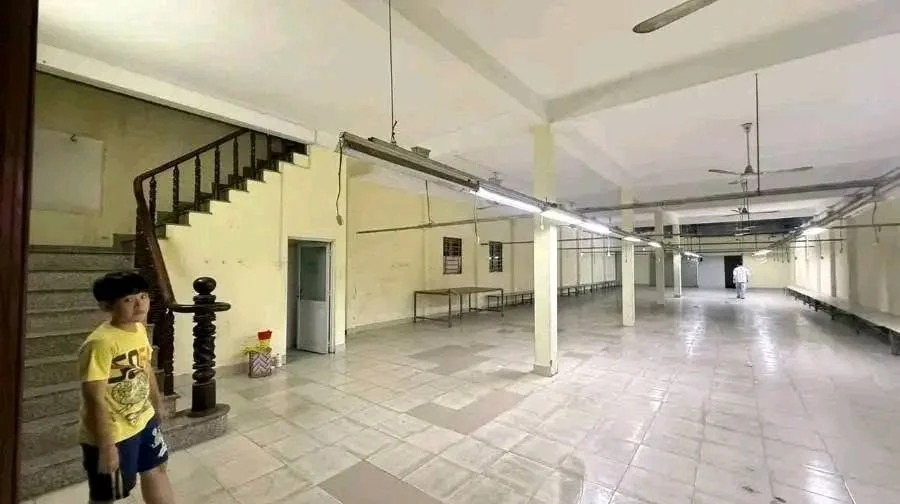
A typical example of a warehouse offered on this kind of land in HCMC:

Clear-Span 9m Warehouse with Truck Access on Tô Ký, District 12, HCMC
100.000 VND / m²/month
- District 12, Ho Chi Minh City
Remember that SKC status alone does not guarantee the building is licensed or that your intended activity is permitted; those points belong to the next stages of your factory rental legal check.
Why Legal Checks Matter Before Renting a Factory
Renting a factory in Vietnam is a long-term commitment, often involving significant fit-out costs and months of planning. Before signing, businesses should confirm that the land and the building sit on a clean legal footing. This is where a structured factory rental legal check protects your investment.
Risks for Tenants
If the land status is unclear, tenants can face administrative fines, forced relocation, or sudden suspension of operations. A landlord may lack the right to lease the property, or the land may not be approved for industrial use at all. In those cases, your business — not the landlord — usually absorbs the disruption.
Common issues in industrial leases include missing or inconsistent land use rights certificates, buildings that were expanded without approval, sub-leases that were never registered, and unclear responsibility for fire safety or environmental permits. Each of these can delay your licensing or block it entirely.
For expats and foreign-invested companies, the stakes are higher. Language barriers and unfamiliar procedures make it easy to accept documents at face value. A warehouse lease due diligence review, done before deposit, is far cheaper than resolving a dispute later.
Due Diligence Importance
Due diligence confirms three things: that the landlord has the legal right to lease, that the land is zoned for industrial purposes under industrial park regulations or local planning, and that the property meets your operational needs. This is especially relevant when comparing industrial land in Vietnam across provinces, where rules and procedures can differ.
Non-compliance with land use regulations can trigger penalties for both landlord and tenant, and may affect your investment registration or import-export activities. Verifying documents early also strengthens your negotiating position on rent, deposit and termination terms.
When reviewing listings, ask for the land use rights certificate and approved drawings before scheduling a viewing. A shortlisted property such as a warehouse in Hóc Môn can be a practical starting point for these checks.

Nearly 400 m2 Warehouse with Truck Access on Bà Điểm Frontage, Hóc Môn, HCMC
20 million VND / month
- 400 m²
- Ba Diem, Hoc Mon, Ho Chi Minh City
Key Legal Documents to Verify for SKC Land

Before signing any industrial lease, a proper factory rental legal check starts with the paperwork. Knowing what is SKC land is only half the answer; you also need to confirm that the specific plot and building you plan to rent are documented correctly. The list below covers the documents tenants should request and review.
Essential Documents
- Land Use Rights Certificate (LURC), or Red Book: Confirms the landlord's land use rights and the land use term. Check that the plot is classified for industrial production and business, not residential or agricultural use.
- Construction permits and factory approval: Shows the factory was built lawfully and matches approved drawings. Ask for the construction permit, completion or acceptance records, and any approval for factory use.
- Environmental impact assessment (EIA) and fire safety certificates: Many factories need an approved EIA and fire safety acceptance. Confirm these cover the specific building and the type of production you intend to run.
- Landlord's business registration and investment certificates: Verify the landlord is a legally registered entity and, where relevant, holds an investment certificate for the industrial project or park.
- Lease contract and land use term: Review the lease term against the remaining land use term. A lease that runs longer than the landlord's rights is a red flag.
How to Verify Authenticity
Copies are not enough. Request originals or certified copies and cross-check the LURC details, such as plot number, area and land use term, against the actual site. Where possible, confirm records with the local land registration office or the industrial park management authority.
For industrial land in Vietnam, warehouse lease due diligence should also include checking that the environmental and fire safety documents name the correct address and tenant activity. If the landlord cannot produce a document, treat it as missing rather than promised. Finally, have a qualified local lawyer review the lease and the document set before you commit, and confirm that industrial park regulations do not add conditions your business cannot meet.
Step-by-Step Legal Check Process
Once you know what is SKC land and which documents matter, a structured process helps you verify them without missing critical details. The steps below are typical for factory and warehouse lease due diligence in Vietnam and can be adapted to your specific deal.
Preparing for the Check
Start by requesting copies of all relevant legal documents from the landlord. This includes the land use rights certificate (LURC), construction permits, environmental impact assessment (EIA) approval, fire safety certificates, and the landlord's business and investment certificates. Ask for clear, complete copies and note any missing pages or unclear seals. Create a checklist to track what you receive and what remains outstanding.
Next, verify the documents with local authorities. The Department of Natural Resources and Environment (DONRE) can confirm land classification and whether the plot is properly registered as SKC land. The Industrial Park Management Board (where applicable) can confirm that the landlord and the proposed use comply with industrial park regulations. These checks are essential for a thorough factory rental legal check.
Conduct a site inspection and cross-check the actual land use and construction against the approved master plan. Look for discrepancies such as unauthorized expansions or changes in use. Compare the site layout with the LURC and construction permits to ensure everything matches.
Engaging Professionals
Engage a local legal advisor with experience in industrial property and warehouse lease due diligence. A qualified lawyer can review the documents, liaise with authorities, and flag issues that may not be obvious to a foreign tenant. They can also help interpret technical terms and local regulations.
Finally, review the lease contract clauses related to legal compliance. Ensure the contract clearly states the landlord's responsibility for maintaining valid permits and compliance with industrial park regulations. Include warranties and indemnities for any legal breaches. A well-drafted contract protects you from future disputes and ensures a smooth factory rental legal check process.
Common Pitfalls and How to Avoid Them

Even careful tenants can miss details when they focus only on rent and location. The pitfalls below come up often in factory rental legal checks on industrial land in Vietnam, and each one is avoidable with a little extra verification.
Top Mistakes
- Relying solely on the landlord's word. Verbal assurances about the land use rights certificate, permitted use or zoning are not evidence. Always ask for copies and verify them with the competent authority.
- Ignoring zoning or master plan changes. A plot that is SKC today may sit in an area earmarked for a different use under an updated plan. Check the current planning status rather than assuming it stays the same.
- Overlooking sublease restrictions. If you are renting from a secondary landlord rather than the primary land user, the head lease may limit subletting or require written consent. Without this, your lease can be challenged.
- Not checking environmental compliance. A factory with an expired or missing environmental approval can face suspension, which stops your operations too. Confirm the EIA and related permits cover the activity you plan.
- Failing to update lease terms with legal changes. Rules on industrial park regulations, fire safety and environmental reporting evolve. A lease that never addresses who bears the cost of new compliance requirements can leave you exposed.
Best Practices
Build a simple checklist and insist on documentary proof for every claim. Cross-check the land use rights certificate against the actual plot, and confirm the zoning with the local planning office or industrial park management board.
For subleases, obtain written consent from the primary land user and confirm the head lease permits it. Review environmental and fire safety certificates for validity and scope, and ask who is responsible for renewals.
Finally, include a clause requiring the landlord to cooperate with legal updates and clarify cost-sharing for compliance. A short review by a local legal advisor is a small cost against the risk of disruption.
Working with Industrial Parks vs. Private Land
When you rent a factory on what is SKC land, the legal path and day-to-day experience differ significantly depending on whether the site sits inside a designated industrial park or on private land. Understanding these differences helps you choose the right option and avoid surprises during your factory rental legal check.
Industrial Parks
Industrial parks in Vietnam operate under a formal framework of industrial park regulations, with a management board that oversees investment, construction, and environmental compliance. This centralised structure typically means more transparent procedures: the park developer usually provides standard lease templates, confirms land use rights certificate status, and can facilitate connections to local authorities.
Pros include ready-built infrastructure (power, water, wastewater treatment), on-site legal and customs support, and often a cluster of similar businesses that can simplify logistics. Cons may include higher rents, stricter rules on construction and operations, and less flexibility to customise the site. Lease terms in industrial parks are usually standardised, with typical durations of 20 to 50 years and clear provisions on transfer and sublease, though these should always be checked.
Private Land
Renting on private SKC land outside an industrial park can offer greater flexibility in land size, layout, and lease negotiation. Costs may be lower, especially in less central districts, but the legal burden shifts to you: verifying the land use rights certificate, zoning, and environmental permits rests largely on the tenant. Transparency can vary, so a thorough warehouse lease due diligence is essential.
Lease terms on private land are often more negotiable but may lack the standard protections found in parks. Recommendations for expats and foreign businesses: if you prioritise legal certainty and infrastructure, an industrial park is often the safer choice; if you need flexibility or a specific location, private land can work but only with rigorous checks and local legal advice.
Summary: Protect Your Business with Thorough Legal Checks
Renting a factory on SKC land in Vietnam offers great opportunities, but only if you conduct proper due diligence. From verifying the land use rights certificate to checking environmental and fire safety compliance, each step is crucial to avoid fines, eviction, and business disruption. Remember to work with legal professionals and choose between industrial parks and private land based on your risk tolerance and operational needs.
Ready to find your ideal factory space? Browse our listings of verified industrial properties for rent across Vietnam and start your search with confidence.
Frequently asked questions
What does SKC land mean in Vietnam?
SKC land refers to land designated for industrial production and business activities under Vietnam's land classification system. It is distinct from residential or agricultural land and is intended for factories, warehouses, and related facilities. Renting on SKC land requires verifying the land use rights certificate and ensuring the land is legally permitted for industrial purposes.
How can I verify if a factory is on legal SKC land?
To verify, request the land use rights certificate (LURC) and check the land classification code. Cross-check with local authorities such as the Department of Natural Resources and Environment. Also, review construction permits and environmental approvals. Engaging a legal professional can help confirm authenticity and ensure all documents are in order.
What documents should I check before renting a factory in Vietnam?
Key documents include the LURC, construction permits, environmental impact assessment (EIA) approval, fire safety certificates, landlord's business and investment certificates, and the lease agreement. Verify each document's authenticity with issuing authorities and ensure they cover the intended use. Legal counsel can assist in reviewing these documents thoroughly.
What are the risks of renting a factory on illegal land?
Risks include fines for operating on improperly zoned land, eviction with little notice, business disruption, and potential legal liability. Your investment in equipment and renovations could be lost. Additionally, you may face difficulties obtaining necessary licenses. Thorough due diligence before signing a lease is essential to mitigate these risks.
Do I need a lawyer to check land legality in Vietnam?
While not mandatory, hiring a lawyer experienced in Vietnamese real estate and industrial law is highly recommended, especially for foreign businesses. A lawyer can verify documents, interpret regulations, and identify potential issues. Their expertise helps ensure compliance and protects your interests throughout the leasing process.