Why Industrial Park Warehouse Rent Is 2-3x Higher in Ho Chi Minh City

Industrial park warehouse rent in Ho Chi Minh City is typically 2-3 times higher than rent for similar space outside industrial parks, primarily due to superior infrastructure, legal transparency, and on-site services. For foreign businesses, this price gap reflects added value rather than arbitrary pricing, and focusing solely on rent can lead to hidden costs and operational risks.
Why Industrial Park Warehouse Rent Is 2-3 Times Higher Than Outside
If you have compared quotes for industrial park warehouse rent Ho Chi Minh City with rents for similar space outside an industrial park, the gap is hard to miss. In most districts, you will see industrial park space priced at roughly two to three times the rate of standalone warehouses nearby. That difference is not random; it reflects real differences in infrastructure, legal status, security, utilities, and services.
Infrastructure and Utilities
Industrial parks are planned with wide internal roads, reliable power connections, and proper drainage. Many outside warehouses sit on narrow lanes where container trucks struggle, and power supply may be unstable or shared. Utilities such as three-phase electricity, water, and wastewater treatment are typically standard in industrial parks but often need to be arranged or upgraded outside.
Legal and Administrative Support
For foreign businesses, legal transparency is critical. Industrial parks usually have clear land-use rights, fire safety certification, and environmental permits in place. The park management also assists with investment registration and customs procedures. Outside, the legal status of a warehouse can be unclear, and you may bear the risk of delays or fines if permits are missing.
Security and On-Site Services
Industrial parks provide 24/7 security, gate control, and common area maintenance. Many also offer waste collection, firefighting services, and sometimes on-site customs. Outside, you are responsible for arranging security, dealing with waste, and maintaining access roads, which adds to your workload and hidden costs.
| Factor | Typical Industrial Park | Typical Outside Warehouse |
|---|---|---|
| Road access | Wide internal roads, container-friendly | May be narrow, limited truck access |
| Power supply | Stable, three-phase available | Variable, may need upgrade |
| Legal status | Clear permits, fire safety certified | Can be unclear, permits may be missing |
| Security | 24/7 gate control and patrols | Tenant's responsibility |
| Services | Waste, maintenance, customs support | Limited or none |
The higher rent in industrial parks is therefore not arbitrary; it reflects the value of reduced risk and operational efficiency. For example, a warehouse for rent outside industrial park HCMC may look cheaper, but you need to factor in the cost of upgrading power, improving access, and managing legal compliance. As a factory lease expat guide Vietnam often points out, the cheapest option is rarely the most cost-effective in the long run.
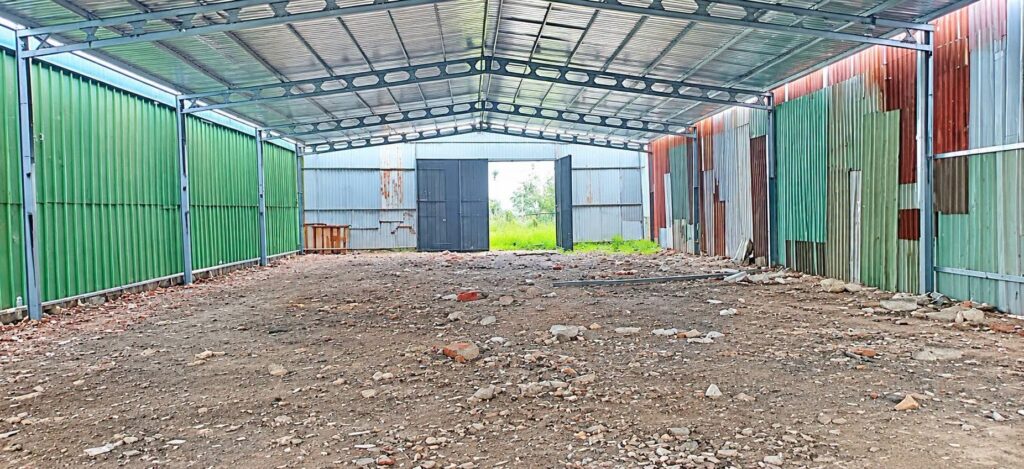
To illustrate the range of options outside industrial parks, here is a typical listing that shows what lower-cost space can look like.

600 m2 Warehouse with 450 m2 Yard and Truck Access on Tân Quý Tây, Bình Chánh, HCMC
6 million VND / month
- Tan Quy Tay, Binh Chanh, Ho Chi Minh City
What You Get for the Higher Rent in an Industrial Park
When you compare industrial park warehouse rent Ho Chi Minh City rates with rents outside, the gap is easier to accept once you see what the premium actually pays for. In most parks, the higher rent covers shared infrastructure and services that a standalone warehouse owner would have to fund alone — or simply doesn't provide.
Reliable Utilities and Fire Safety
Industrial parks typically deliver stable three-phase power, treated water, and central wastewater treatment, plus fire hydrants, access roads for fire trucks, and fire-safety systems built to park standards. For a foreign tenant, this matters because power interruptions or a failed fire inspection can halt production and shipments for days. Outside a park, you may find weak supply lines, no wastewater connection, and fire equipment that has never been certified — all of which become your problem and your cost.
Security and Maintenance
Parks usually provide gated access, guards, CCTV on common roads, and maintenance of shared roads and drainage. That means fewer break-ins, fewer flooded yards in the rainy season, and less downtime from potholes or blocked drains. A standalone warehouse often leaves security and road upkeep to the landlord, whose response time is unpredictable. For example, a factory space with its own three-phase power and container access, like this option in Hóc Môn, shows what to look for when comparing outside-park supply against park infrastructure.

800 m2 Factory with 3-Phase Power & 10-Ton Truck Access, Xuân Thới Sơn, Hóc Môn, HCMC
40 million VND / month
- 800 m²
- Xuan Thoi Son, Hoc Mon, Ho Chi Minh City
Community and Networking
Being inside a managed park puts you near suppliers, logistics providers, and other manufacturers, which shortens delivery distances and makes finding service partners easier. Parks also tend to have clearer rules on operating hours, truck routing, and subletting, which reduces friction with neighbours and authorities. For expat businesses, that managed community is often worth more than the headline rent difference suggests.
The Hidden Costs of Renting Outside an Industrial Park

Lower rent outside an industrial park can look attractive on paper, but for foreign tenants the savings often disappear once legal, infrastructure and operational realities surface. A warehouse for rent outside industrial park HCMC may lack clear zoning or fire safety approvals, and those gaps become your problem after signing. Below are the main hidden costs and pitfalls to watch for.
Legal and Zoning Risks
Many standalone warehouses sit on land not zoned for storage or light manufacturing, or were built without full construction and fire safety permits. A foreign-invested company may be unable to register its investment or obtain a fire safety certificate at such a site, forcing a costly retrofit or relocation. Legal due diligence and permit verification are essential before signing any lease.
Infrastructure Gaps
Outside industrial parks, power supply may be unstable, roads may be too narrow for container trucks, and drainage can fail during the rainy season. Upgrading electrical capacity, reinforcing floors or improving access often falls to the tenant, adding significant capital cost. Insurance premiums may also be higher where fire safety infrastructure is weak.
Operational Inefficiencies
Without on-site management, tenants handle security, waste, pest control and maintenance themselves. Downtime from power cuts, flooding or truck access delays can disrupt production and shipments, eroding the rent savings. Common pitfalls for expats include trusting verbal assurances on permits, overlooking fire safety compliance, and underestimating upgrade costs.
In short, low rent outside an industrial park can be a false economy. When comparing industrial park vs outside warehouse cost, factor in legal compliance, infrastructure reliability and operational downtime, not just the headline rent.
Key Factors Expats Should Prioritize Over Price
For foreign businesses, the cheapest warehouse is rarely the best value. Instead of letting rent per square metre drive the decision, focus on the factors that determine whether your operation runs smoothly and legally. Below are the critical areas to evaluate, with a practical checklist for each.
Legal Compliance and Transparency
Foreign-invested companies face stricter scrutiny on land use rights, fire safety, and environmental permits. A warehouse outside an industrial park may lack clear zoning or a valid construction permit, exposing you to fines or forced relocation. In an industrial park, the developer typically provides transparent documentation and support for licensing.
- Check land use rights certificate and zoning approval.
- Confirm fire safety certification and environmental compliance.
- Verify the landlord’s legal capacity to lease to a foreign entity.
- Ask for a sample lease that complies with Vietnamese law.
Infrastructure and Utilities
Reliable power, water, and waste treatment are non-negotiable. Outside industrial parks, voltage fluctuations, water shortages, or lack of a central wastewater system can halt production. Industrial parks usually guarantee stable utilities and on-site maintenance, which reduces downtime and costly backups.
- Assess power capacity and backup systems.
- Check water supply and wastewater treatment standards.
- Review road access and load-bearing capacity for trucks.
- Confirm internet and telecommunications redundancy.
Location and Logistics
Proximity to ports, highways, and suppliers affects your total logistics cost. A warehouse in an industrial park in Nha Be or Thu Duc may have better highway connections than a cheaper site in a remote district. For expats, consider travel time to the city and availability of logistics services.
- Measure distance to Cat Lai port and major highways.
- Evaluate traffic patterns and peak-hour access.
- Check availability of third-party logistics providers nearby.
- Consider future infrastructure projects that may improve access.
Labor and Workforce
Access to skilled labor and worker transportation is often overlooked. Industrial parks tend to be located near residential areas with established shuttle services, while isolated outside warehouses may struggle to attract staff. For foreign managers, proximity to expat amenities and international schools can also influence retention.
- Assess local labor pool and average commute times.
- Check availability of worker dormitories or shuttle buses.
- Evaluate nearby amenities for expatriate staff.
- Review training and recruitment support from the park.
Lease Terms and Flexibility
Lease terms vary widely. Industrial park leases are often standardised but may offer clearer renewal options and dispute resolution. Outside leases might seem flexible but can include vague clauses on maintenance, termination, or rent escalation. Always have a local legal advisor review the contract.
- Clarify rent escalation and renewal terms.
- Define maintenance responsibilities and service charges.
- Check termination conditions and penalties.
- Ensure dispute resolution mechanisms are clear.
These factors matter more for foreign businesses because the cost of a mistake—legal penalties, operational downtime, or relocation—far outweighs the savings from lower rent. Use this checklist to compare options objectively, and remember that industrial park warehouse rent Ho Chi Minh City commands a premium for a reason: it buys predictability and peace of mind.
How to Evaluate the Total Cost of Renting a Warehouse

Comparing warehouse options on headline rent alone is misleading. The real decision metric is total occupancy cost: rent plus utilities, maintenance, logistics and compliance. A warehouse outside an industrial park may look cheaper per square metre, but once you add these layers, the gap with industrial park warehouse rent Ho Chi Minh City often narrows—and sometimes reverses.
Beyond Rent: Utilities and Maintenance
Ask for typical monthly electricity and water costs, who maintains the roof, yard and fire systems, and how repairs are handled. Outside parks, tenants often pay for upgrades and emergency fixes themselves; inside parks, service fees usually cover common areas and some maintenance. Build a simple annual estimate: rent × 12 + utilities + maintenance + service fees.
Logistics and Transportation Costs
Location drives trucking cost. A site far from ring roads or ports adds fuel, time and congestion charges to every container move. Check access roads, bridge weight limits and peak-hour traffic. Estimate monthly trips × cost per trip, and compare industrial park vs outside warehouse cost on this line—not just on rent.
Compliance and Insurance
Foreign tenants must budget for legal setup, fire safety compliance, permits and insurance. Outside parks, unclear zoning or missing fire certificates can delay operations and raise premiums. Inside parks, documentation is typically more transparent, though you should still verify. Include legal fees, insurance premiums and potential downtime in your total.
Simple checklist:
- Annual rent and service fees
- Utilities (electricity, water, waste)
- Maintenance and repairs
- Inbound/outbound transport
- Legal, compliance and insurance
- Downtime risk (qualitative)
Use this checklist for every shortlisted property. For a factory lease expat guide Vietnam, the principle is the same: let total cost and operational reliability guide you, not the lowest rent.
Practical Tips for Foreign Businesses Leasing Warehouses in HCMC
By this point you have seen why industrial park warehouse rent Ho Chi Minh City commands a premium, and how to weigh it against cheaper options outside the parks. The final step is execution. These habits separate foreign tenants who sign clean, workable leases from those who discover problems after moving in.
Engage Local Experts
Work with a Vietnamese-licensed law firm to review the lease and confirm the landlord's right to lease the property. Ask your agent to show you both industrial park and outside options, and to explain who owns and manages each site. A reputable industrial park leasing office is usually more transparent than a private landlord, but verify any agent's track record with other foreign tenants. Keep all communication and payment records in writing.
Conduct Thorough Due Diligence
Before signing, check land-use rights, construction permits, fire safety certification and environmental compliance. Confirm that the warehouse use you intend is permitted for that plot. Visit the site at least twice, ideally during working hours and in the rainy season, to check drainage, power reliability and truck access. Speak with neighbouring tenants about power outages, flooding and security. For a factory lease, an expat guide in Vietnam should always include a technical inspection of the building structure and utilities.
Negotiate Smartly
Clarify what the rent includes: management fees, utilities, waste treatment and common-area costs are often billed separately. Negotiate a rent-free fit-out period, a clear rent escalation clause and an exit or renewal option. Confirm who pays for repairs and how disputes are resolved. Ask for the lease in both Vietnamese and English, and treat the Vietnamese version as the legal reference.
Common mistakes include signing before legal review, accepting verbal promises, ignoring service charges, and choosing purely on price. Treat the process as a long-term operational decision, not a bargain hunt.
Conclusion
While industrial park warehouse rent in Ho Chi Minh City is significantly higher than outside, the premium is justified by better infrastructure, legal clarity, and operational support. Foreign tenants should prioritize these factors over headline rent to avoid hidden costs and ensure long-term efficiency.
We invite you to browse our listings to find the ideal warehouse that meets your business needs and budget.
Frequently asked questions
Why is warehouse rent in industrial parks in Ho Chi Minh City higher than outside?
Industrial parks offer superior infrastructure, legal transparency, security, and on-site services, which reduce operational risks and downtime. These benefits justify the 2-3x higher rent compared to outside warehouses, which often lack reliable utilities and clear legal status.
What are the risks of renting a warehouse outside an industrial park in Vietnam?
Risks include legal and zoning issues, such as unclear land use rights or improper permits, which can lead to fines or eviction. Infrastructure gaps like unreliable power and poor roads can cause disruptions. Additionally, lack of security and maintenance services may increase operational costs and safety hazards.
As a foreign business, what should I check before signing a warehouse lease in HCMC?
Verify the landlord's legal ownership and land use rights, ensure the warehouse meets fire safety and environmental regulations, and confirm that the lease terms are clear and enforceable. Also assess infrastructure reliability, access to logistics, and availability of labor. Engaging a local lawyer is highly recommended.
How can I compare the total cost of an industrial park warehouse vs. one outside?
Calculate total occupancy cost by adding rent, utilities, maintenance, logistics, and compliance expenses. Industrial parks may have higher rent but lower hidden costs, while outside warehouses might have lower rent but higher expenses due to infrastructure gaps and legal risks. A side-by-side comparison over the lease term will reveal the true cost.
Are there any tax or legal incentives for foreign businesses renting in industrial parks?
Industrial parks in Vietnam may offer incentives such as import duty exemptions and corporate income tax reductions, depending on the park and business sector. However, these incentives vary, so consult with a local legal advisor to understand what applies to your specific situation.