Why Rent an Office in Ho Chi Minh City to Cut Costs
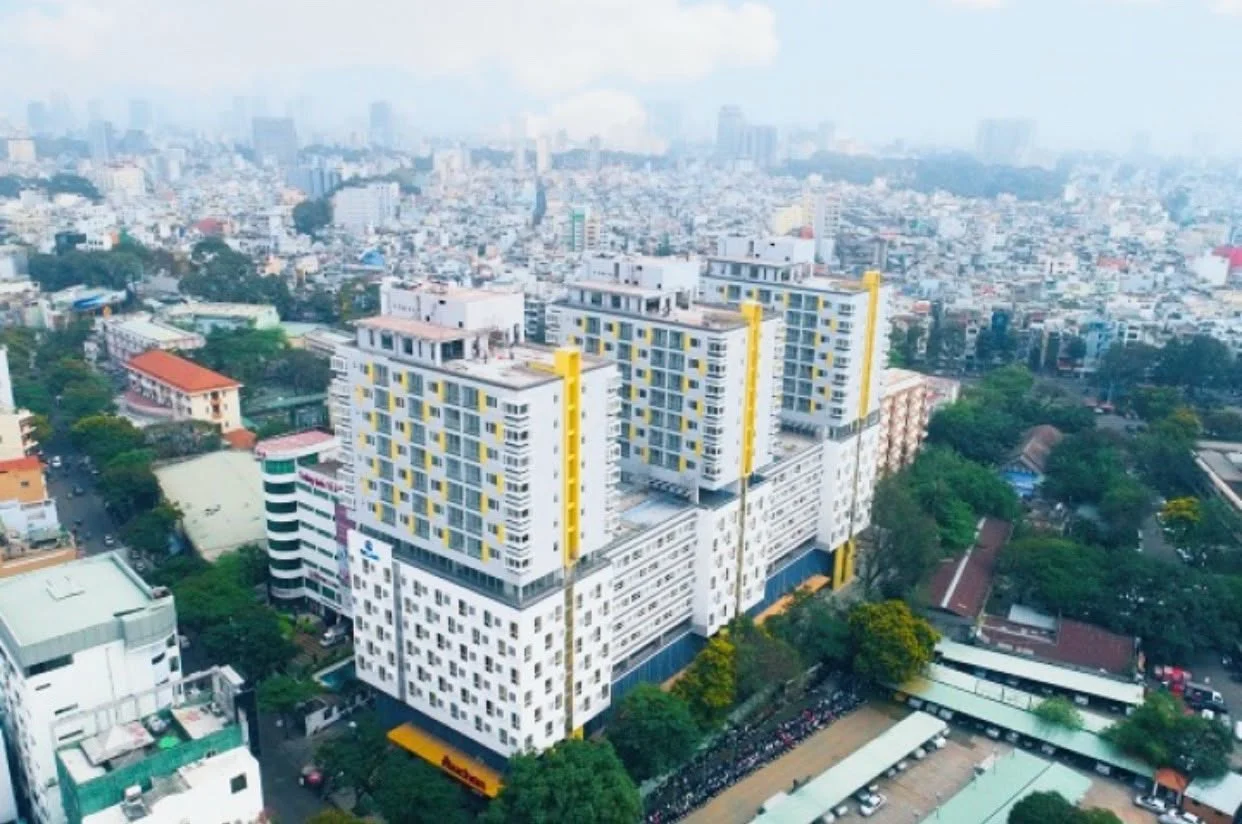
If you want to rent office in Ho Chi Minh City to cut costs, you are on the right track: Vietnam's largest city offers significantly lower office rents and personnel costs than most developed countries, making it a strategic base for startups and SMEs.
With inflation and salaries rising sharply elsewhere, relocating or expanding to Ho Chi Minh City can help you protect margins while accessing a young, skilled workforce.
The Rising Cost of Doing Business in Developed Countries

For founders and finance teams in the US, UK, Australia and much of Western Europe, the past few years have felt like a slow squeeze. Prices for energy, logistics, insurance and professional services have climbed steadily, and the cost of keeping an office and a team in place has followed. For many small and mid-sized companies, the question is no longer whether to expand abroad, but whether staying put is sustainable.
Inflation and Its Impact on Business Expenses
Inflation rarely hits a business in one place. It shows up in the electricity bill, the landlord's annual review, the software subscription renewed at a higher tier, and the courier invoice that quietly creeps up each quarter. In major cities such as London, New York or Sydney, commercial landlords have typically passed higher financing and operating costs on to tenants through rent reviews and service charges.
The result is that a fixed budget buys less space and less support each year. Startups and SMEs feel this most acutely because they have little room to absorb surprises: a single rent review or a jump in utility costs can wipe out a quarter's planned savings. Many respond by downsizing, delaying hires or postponing expansion altogether — decisions that protect cash flow but slow growth.
The Burden of High Salaries and Benefits
Personnel is usually the largest line item, and it is also the hardest to control. In developed markets, salaries for qualified staff have risen as employers compete for talent, and on top of gross pay come pension contributions, health insurance, paid leave, payroll taxes and mandatory benefits. In some countries, the true cost of an employee can be a substantial percentage above the headline salary — a gap that widens with seniority.
Recruitment itself adds friction. Long hiring cycles, agency fees and the risk of a bad hire make each new role an expensive bet. For a company trying to stay competitive, the combination of high fixed property costs and rising payroll creates a margin squeeze that is difficult to solve through efficiency alone. It is precisely this pressure that leads many businesses to look at alternatives such as Vietnam, where the cost base — from office space for rent in Ho Chi Minh City to local salaries — is markedly lower, and where the savings can be redirected into growth.
Why Vietnam and Ho Chi Minh City Are Attractive Alternatives
Vietnam has emerged as one of Southeast Asia's fastest-growing economies, with a young population, increasing openness to foreign investment and a cost of living that remains well below most developed countries. For companies feeling the squeeze of inflation and high salaries at home, the combination of lower overheads and a business-friendly environment makes Vietnam worth a serious look. Ho Chi Minh City, the country's commercial capital, concentrates much of that opportunity.
Lower Operational Costs
Office rents in Ho Chi Minh City are typically a fraction of those in major developed cities. While prime space in District 1 commands a premium, rents in outlying districts or older buildings are considerably lower, and even quality Grade A space often costs less per square metre than comparable locations in Europe, North America or Australia. Salaries for local staff are also markedly lower, though they vary by role and experience. The result is a significantly lower cost of doing business in Vietnam, allowing companies to allocate more budget to growth.
For example, a mid-sized office in Binh Thanh or District 10 can be secured for a modest monthly outlay compared with a similar space in a developed-market city. Many buildings also offer flexible lease terms, which helps new entrants test the market without long-term commitments.
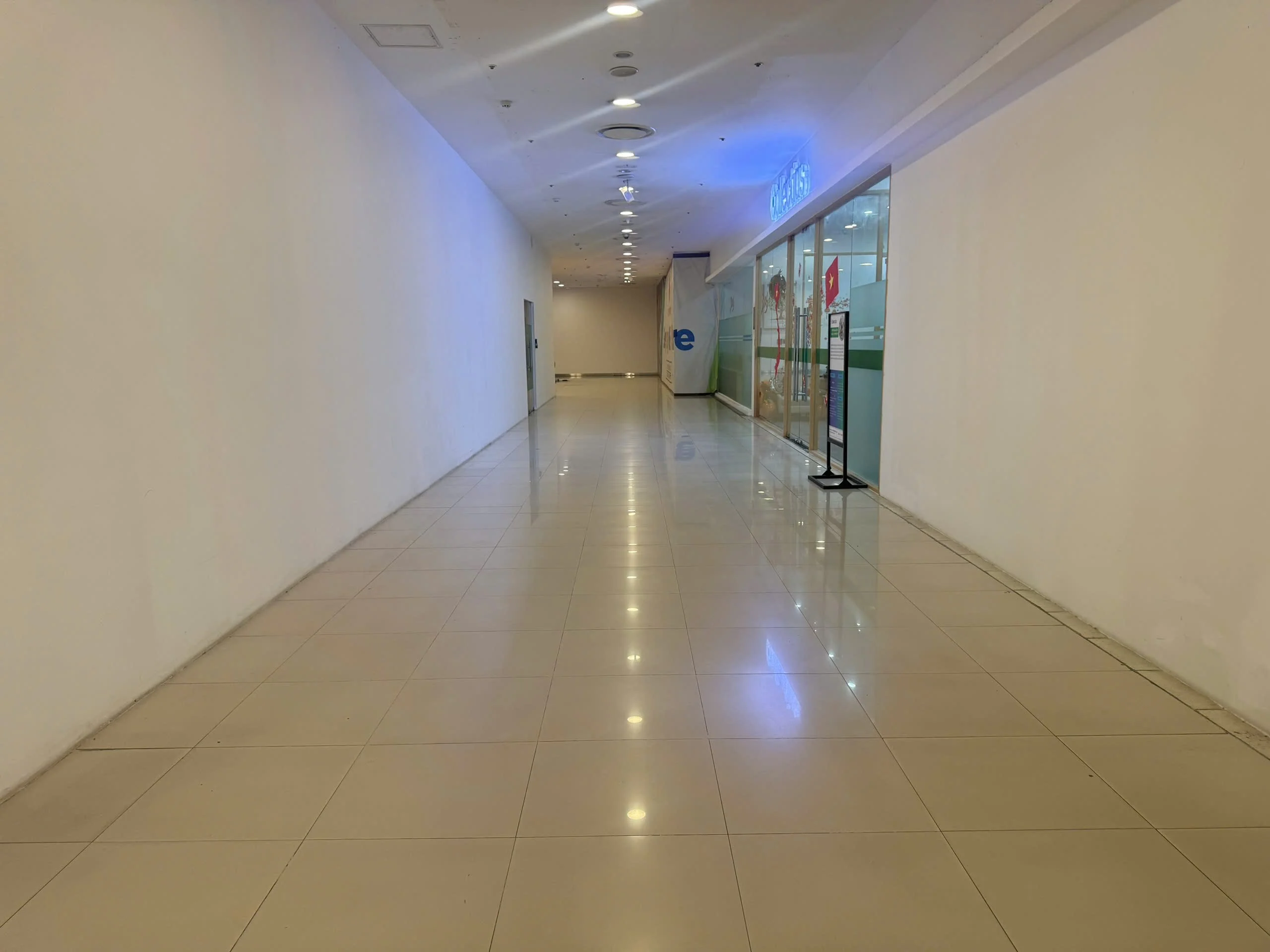
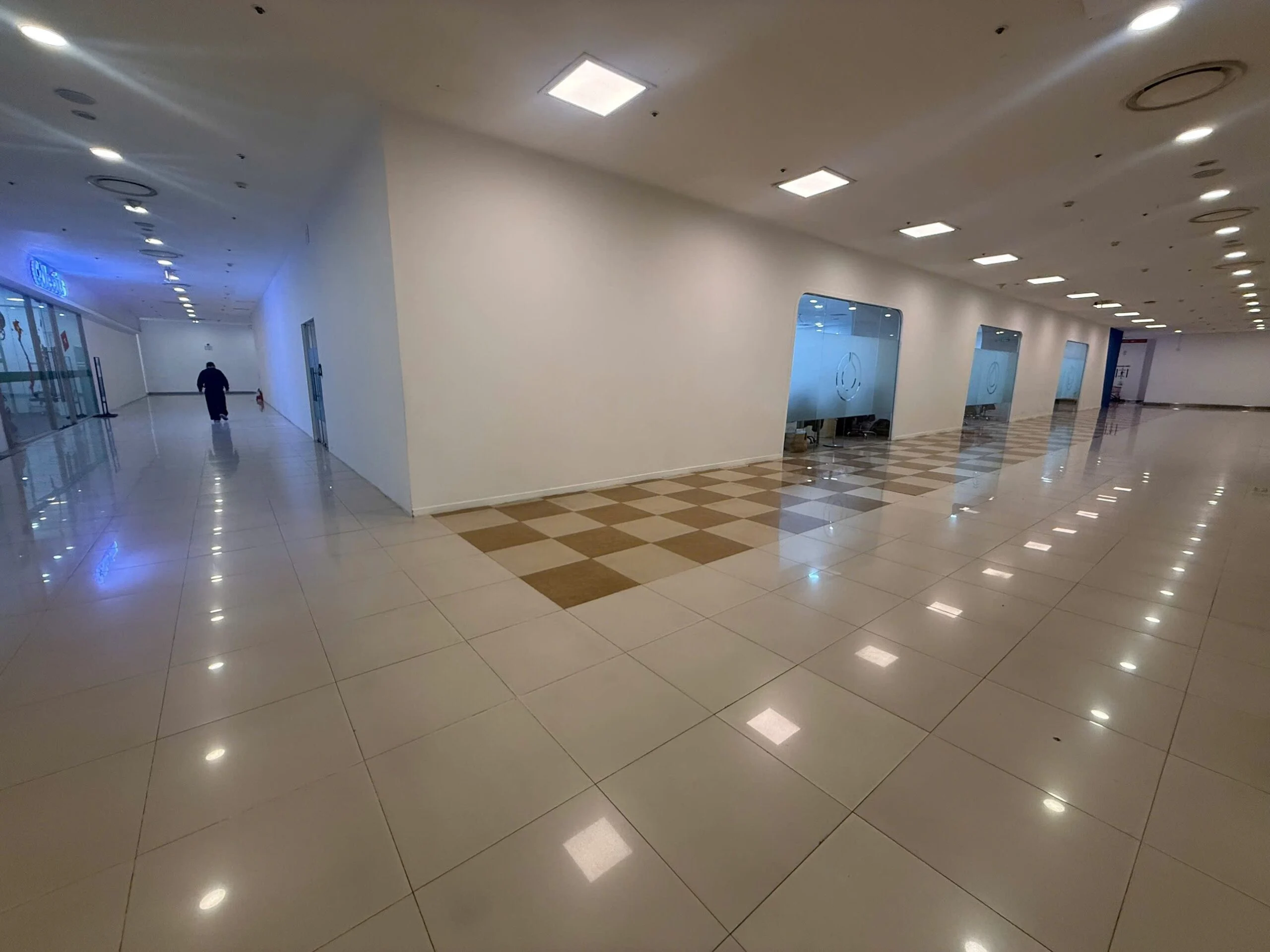
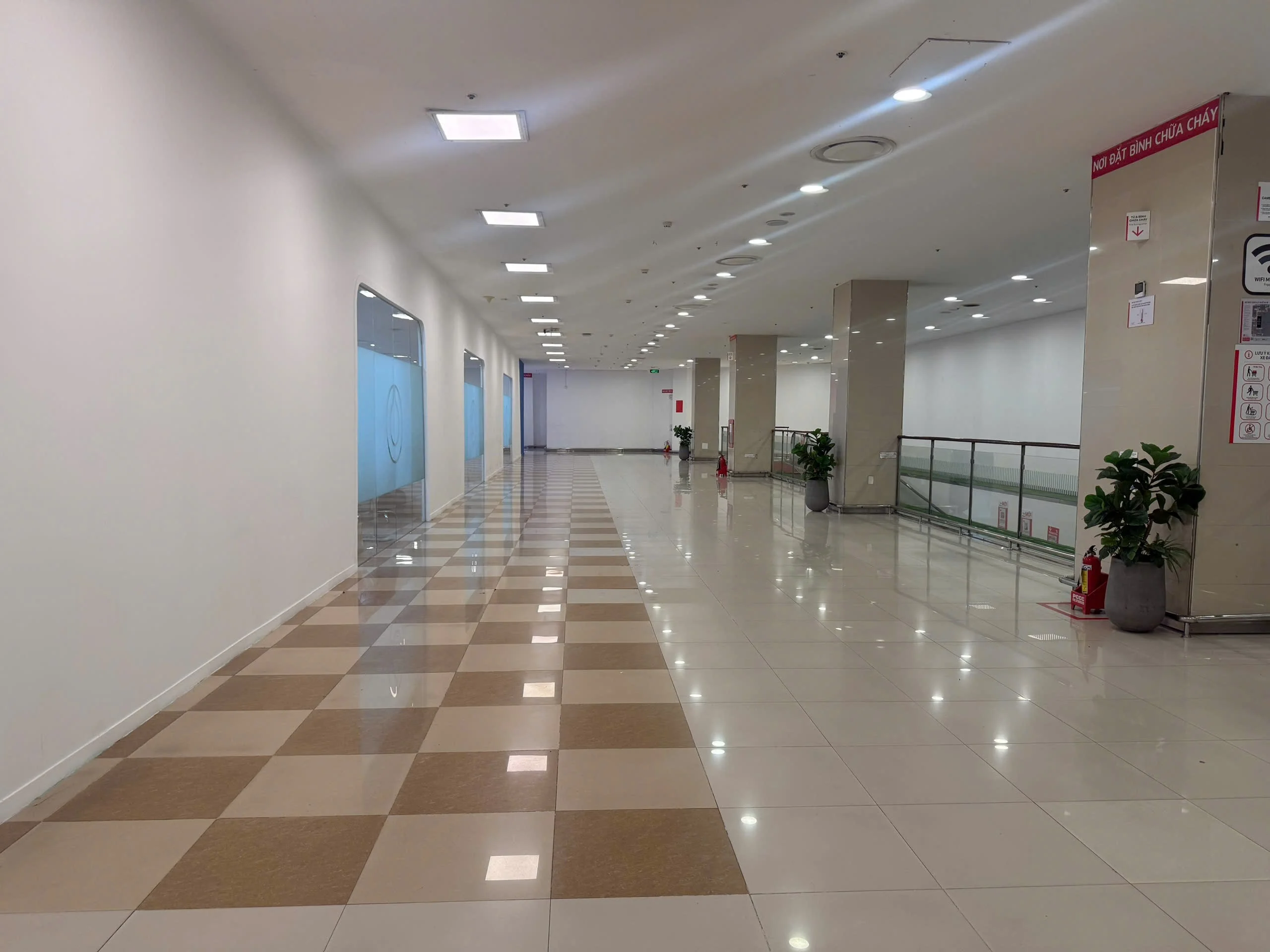
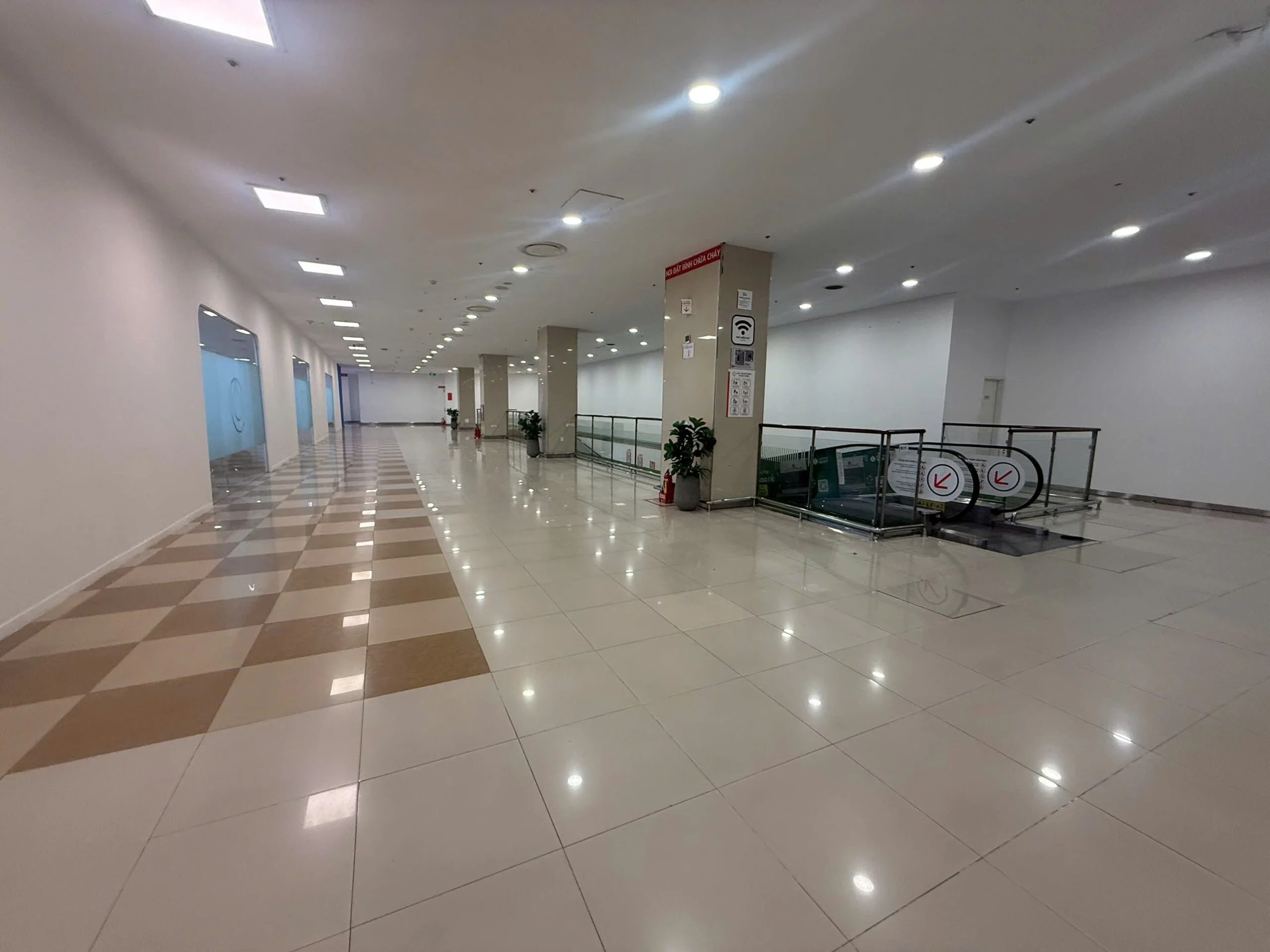
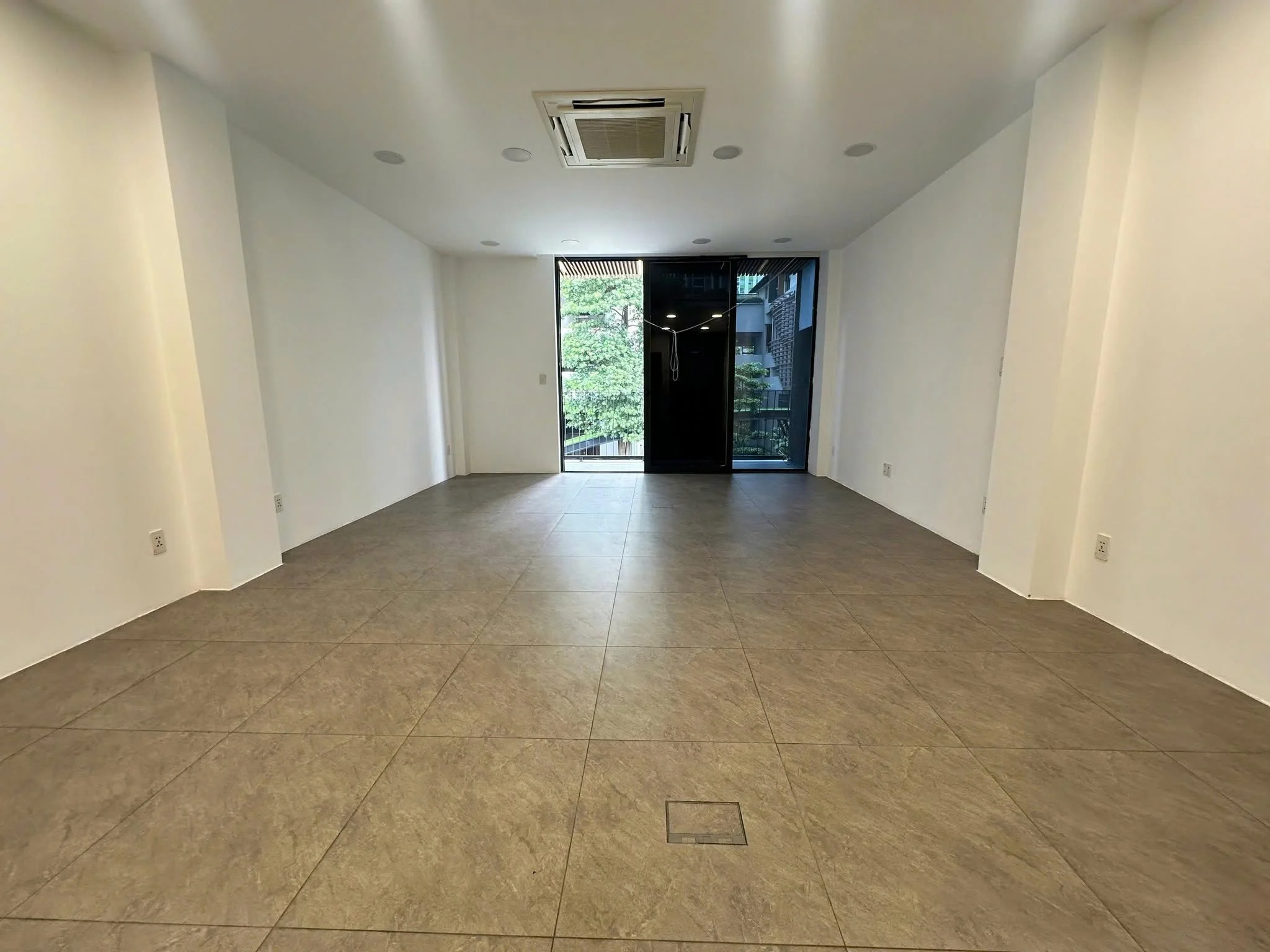
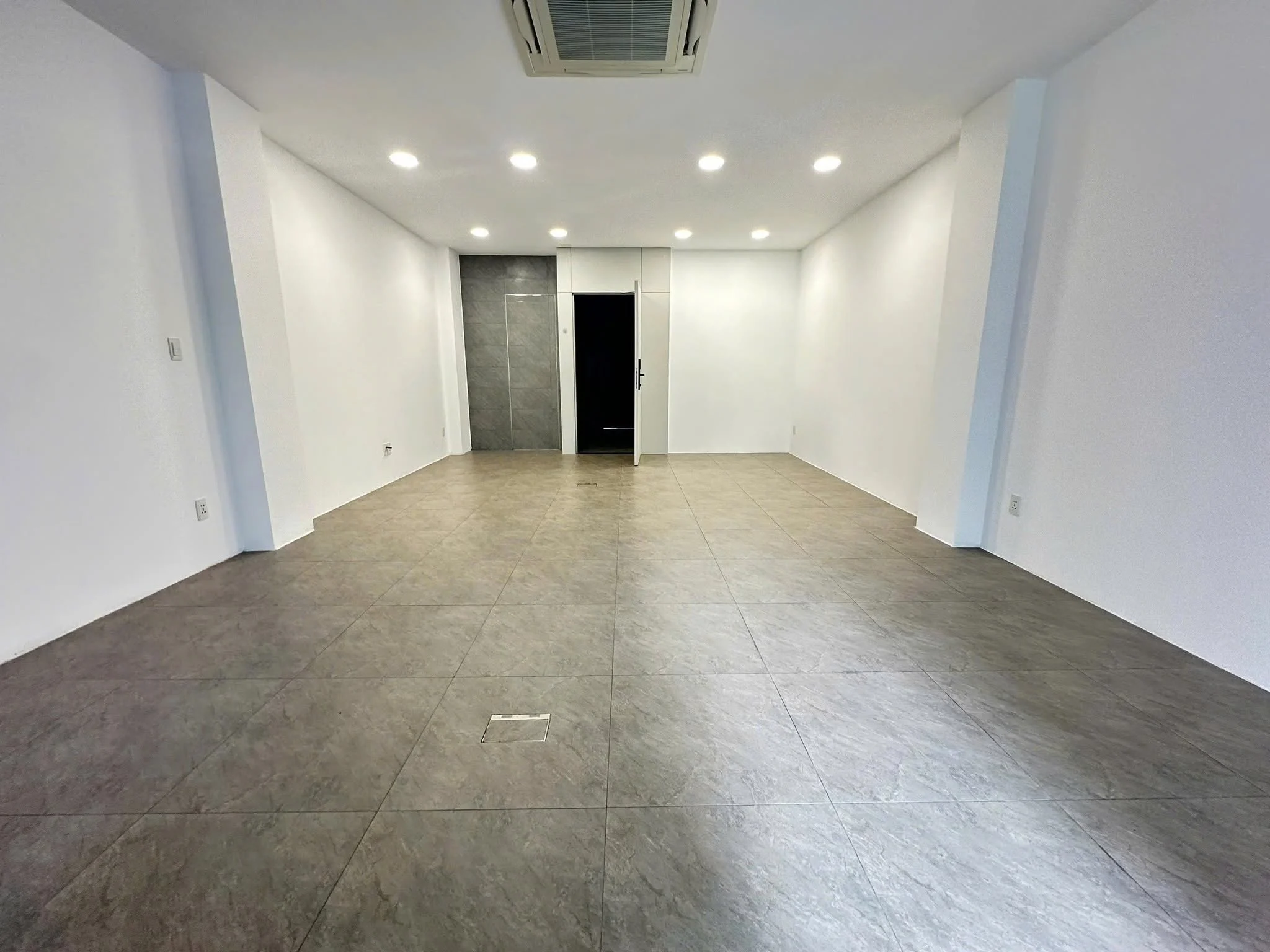
To illustrate, here is a representative office space for rent in Ho Chi Minh City that shows the kind of options available:
150 m2 Office for Rent on 3/2 Street, District 10, HCMC
31 million VND / month
- 150 m²
- District 10, Ho Chi Minh City
A Young and Skilled Workforce
Vietnam's workforce is young, educated and increasingly experienced in fields such as IT, engineering, finance and customer service. Ho Chi Minh City is home to numerous universities and vocational schools, producing a steady stream of graduates each year. English proficiency is growing, particularly among younger professionals, and many candidates have experience working with foreign companies. This makes it feasible to hire staff in Vietnam for roles that require both technical skills and communication abilities.
The city's dynamic business environment also fosters a strong work ethic and adaptability, with a growing pool of mid-level managers and specialists who have worked in international firms. For companies looking to build a lean but capable team, this combination of skills and cost is compelling.
Government incentives further enhance the appeal. Foreign investors can benefit from tax breaks, especially in high-tech or priority sectors, and simplified regulations for setting up a representative office or a wholly foreign-owned enterprise. While specific incentives should be checked with a local advisor, the overall direction is toward creating a more welcoming environment for foreign businesses.
In short, Ho Chi Minh City offers a rare mix: low operating costs, a talented workforce and a supportive policy landscape. For businesses squeezed by rising costs elsewhere, it presents a strategic alternative to maintain competitiveness.
Renting an Office in Ho Chi Minh City: What to Expect

If you plan to rent office in Ho Chi Minh City, understanding the market will help you secure a suitable space at a competitive price. The city offers a wide range of options, from budget-friendly co-working desks to premium Grade A towers, with lease terms and processes that are generally straightforward for foreign businesses.
Types of Office Spaces
Office spaces in Ho Chi Minh City are typically classified into grades. Grade A buildings are modern, centrally located, and offer high-quality facilities and services, often at premium rents. Grade B offices are more common, providing good quality at mid-range prices, while Grade C buildings are older and more basic but offer the lowest rents. Co-working spaces and serviced offices are also popular, especially for startups and small teams, offering flexible terms and all-inclusive pricing.
Lease terms vary: co-working memberships can be month-to-month, while traditional offices usually require a minimum lease of one to three years, with a deposit of two to three months' rent. It's common to negotiate rent-free fit-out periods and other incentives, especially in newer buildings.
Key Districts for Office Rentals
District 1 is the central business district, home to many Grade A buildings and multinational companies, but rents are highest. District 3 is nearby and offers a mix of older and newer offices at slightly lower prices. District 7 (Phu My Hung) is popular with expatriates and offers modern, spacious offices in a planned urban area. Thu Duc City (formerly District 2) has seen rapid development and is home to many tech startups and serviced offices. Binh Thanh is a more affordable option with good transport links to the center.
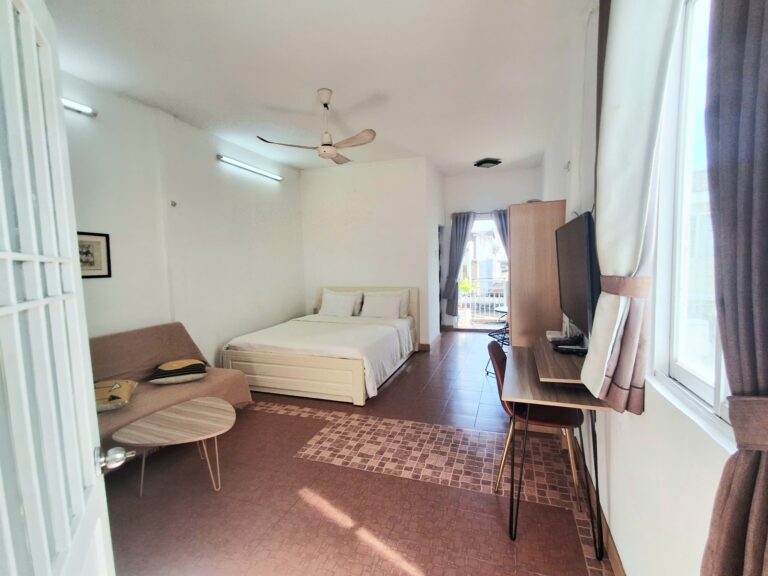
For example, a coworking floor with a meeting room on Nguyễn Hữu Cảnh in Bình Thạnh provides a flexible option for small teams.
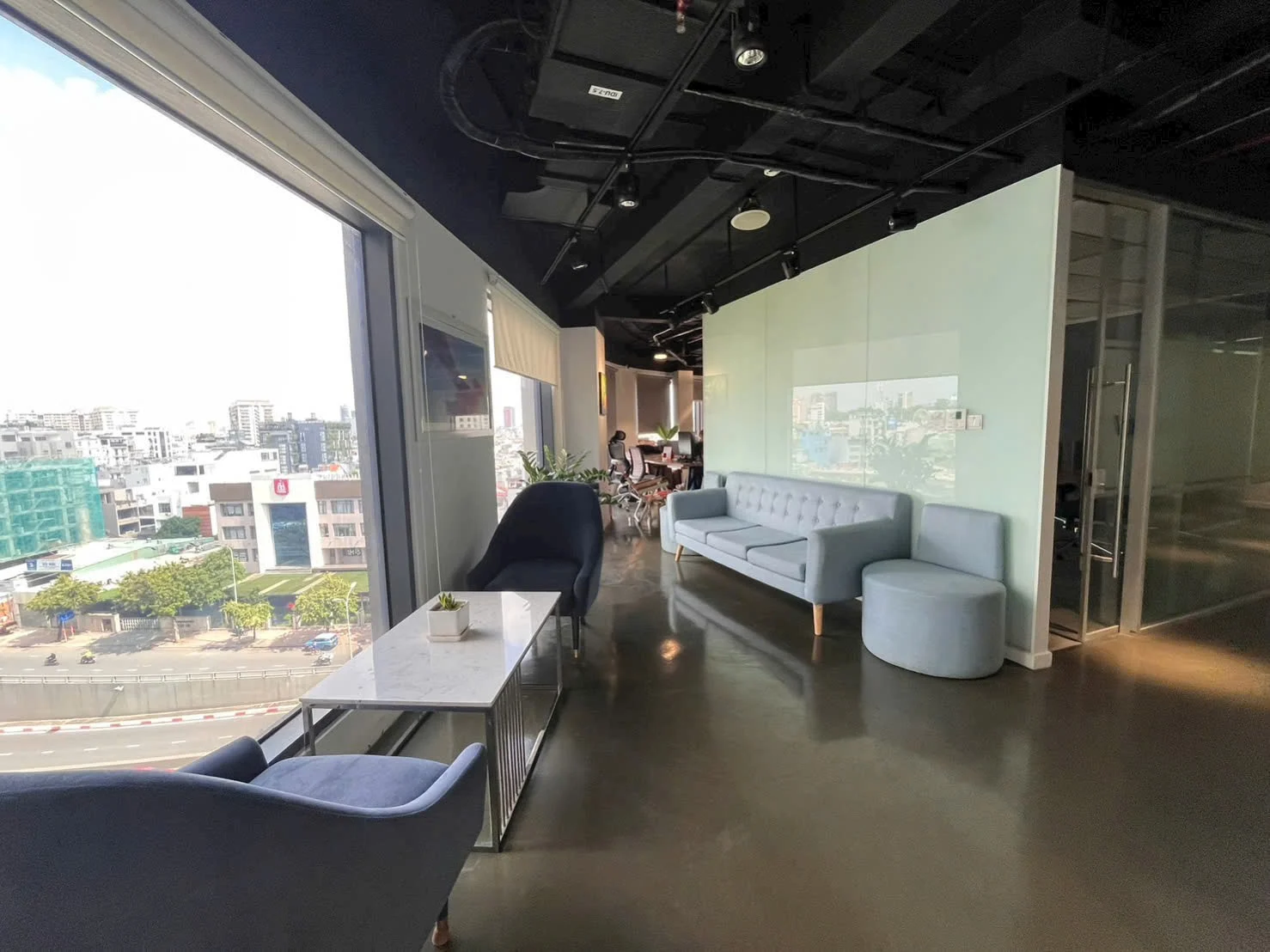
Coworking Office Floor with Meeting Room on Nguyễn Hữu Cảnh, Bình Thạnh, HCMC
Contact for price
- 92A Nguyễn Hữu Cảnh, Binh Thanh, Ho Chi Minh City
Rental Process and Tips
To rent an office, start by engaging a reputable local broker who can show you suitable options and help negotiate terms. Once you find a space, you'll sign a lease agreement, pay a deposit (usually two to three months' rent), and arrange fit-out if needed. Foreign businesses must ensure the landlord provides the necessary legal documents for registration, such as the investment certificate and business license.
When choosing an office, consider location, amenities, transport links, and proximity to talent pools. Being near public transport and major roads can reduce commute times for staff, while nearby amenities like restaurants and banks improve daily convenience. Also, think about future growth: flexible lease terms and expansion options can save costs later.
Hiring Local Talent: Costs and Benefits
One of the strongest reasons to rent office in Ho Chi Minh City is access to a deep pool of skilled, cost-effective workers. Vietnam’s literacy rate is high, the work ethic is strong, and English proficiency is rising among younger professionals, especially in urban areas.
Salary Expectations and Cost Savings
Salaries in Ho Chi Minh City are typically a fraction of those in developed countries, though they vary by role, experience and industry. As a rough guide, monthly gross salaries for common positions are often in the following ranges (these are indicative and should be verified with local recruiters):
| Position | Typical Monthly Salary (USD, gross) |
|---|---|
| Administrative staff | 300–600 |
| IT developer (mid-level) | 800–1,500 |
| Sales executive | 500–1,000 plus commission |
| Manager | 1,500–3,000 |
These figures compare favorably with developed markets, where similar roles often cost several times more. Moreover, you avoid the need for expatriate packages, which typically include housing, flights, and international schooling. The large pool of young professionals—many of whom are university-educated and tech-savvy—means you can hire for growth without proportionally increasing costs.
Legal and Administrative Steps for Hiring
Hiring in Vietnam involves specific legal requirements. Foreign employees need a work permit, and all employees must have a labor contract in line with Vietnamese labor law. Employers must also enroll staff in social insurance and pay related contributions. Compliance is important; penalties for non-compliance can be significant.
To recruit effectively, use local job boards, university career centers, and reputable recruitment agencies. Consider candidates with strong English skills for roles that require international communication. Many companies find that a mix of local and expat staff works well, but the cost advantage lies in building a local team.
When you rent office in Ho Chi Minh City, factor in these hiring steps early to ensure a smooth setup.
Potential Challenges and How to Overcome Them

Renting an office in Ho Chi Minh City can significantly reduce costs, but success depends on anticipating a few practical hurdles. Below are the most common issues expat businesses face and how to address them.
Cultural and Language Barriers
Vietnamese is the primary language in most offices, and English proficiency varies widely. Misunderstandings can arise from indirect communication styles and different attitudes to hierarchy and deadlines. To bridge the gap, hire bilingual staff for client-facing and coordination roles, and provide cross-cultural training for both local and expat team members. Simple steps like using visual project trackers and confirming decisions in writing help avoid confusion.
Navigating Regulations
Setting up a legal entity, signing a lease, and meeting tax obligations involve procedures that may change and are best confirmed with a local lawyer or licensed consultant. Lease agreements often include terms unfamiliar to foreign tenants, such as rent-free fit-out periods and deposit structures. Engage a local accounting firm early to handle tax registration and payroll compliance, and keep all documents translated and notarised as required.
Infrastructure is generally reliable in central districts, but traffic congestion can affect commuting and logistics, so consider office locations near metro lines or main roads. Power outages are rare but possible, and internet speeds vary by building. Choose an office with backup power and a reputable internet provider, and test connectivity before signing.
Finally, take a long-term view: building relationships with landlords, local partners, and authorities takes time. Adapting to local business practices—such as scheduling meetings in person and being patient with approvals—will smooth your entry and help you get the most from your Ho Chi Minh City office.
Steps to Set Up Your Office and Team in Ho Chi Minh City
Moving into the Ho Chi Minh City office market is manageable when you break it into clear stages. The sequence below is typical for foreign-invested companies, though timelines and requirements should always be confirmed with a local advisor.
1. Define your budget and office requirements
Decide on headcount, preferred districts, fit-out needs and a realistic all-in budget that covers rent, service charges, deposits and setup. Being specific here makes every later step faster.
2. Engage a local real estate broker
A broker who knows the office space for rent Ho Chi Minh City landscape can shortlist suitable buildings, arrange viewings and flag hidden costs. Ask for options in more than one district to compare value.
3. Negotiate lease terms and sign the contract
Review rent escalation, deposit, fit-out period, break clauses and who pays service charges. Have a local lawyer check the contract before signing.
4. Register your business and obtain licenses
Work with a local consultancy on the investment registration and enterprise registration steps, plus any sector-specific licenses. Requirements change, so verify current rules.
5. Recruit staff through local channels
Use job boards, recruiters and referrals to hire staff in Vietnam, then run a structured onboarding covering company culture, tools and reporting lines.
6. Set up payroll and comply with labor laws
Register for tax and social insurance, use a payroll provider if useful, and issue compliant labor contracts.
Transition checklist
- Budget and headcount confirmed
- Shortlist of offices reviewed and compared
- Lease checked by a local lawyer
- Business registration and licenses in progress
- Recruitment channels and interview plan ready
- Payroll, tax and insurance processes set up
- Bilingual support and IT/connectivity arranged
Following these steps in order keeps your entry into the city smooth and your cost of doing business in Vietnam predictable.
Conclusion: Ho Chi Minh City as a Cost-Smart Business Destination
Rising inflation and personnel costs in developed countries are squeezing business margins, making Ho Chi Minh City an increasingly attractive alternative. With lower office rents, competitive salaries for skilled staff, and a dynamic business environment, the city allows companies to reduce overheads without sacrificing quality. By understanding the rental process, hiring landscape, and potential challenges, you can set up a cost-effective office and team that supports long-term competitiveness.
Ready to explore your options? Browse our listings of office spaces for rent in Ho Chi Minh City and find the perfect base for your business.
Frequently asked questions
How much does it cost to rent an office in Ho Chi Minh City?
Office rents in Ho Chi Minh City vary by grade and location. Grade A offices in District 1 typically range from $30 to $50 per square meter per month, while Grade B and C offices in other districts can be $15 to $30 per square meter. Co-working spaces offer flexible desks from around $100 to $300 per month. These rates are significantly lower than in major cities in developed countries.
What are the typical salaries for office staff in Ho Chi Minh City?
Salaries for office staff in Ho Chi Minh City are competitive but generally lower than in developed countries. For example, a mid-level accountant might earn $500 to $1,000 per month, while an experienced IT professional could earn $1,000 to $2,000. English-speaking and skilled workers command higher salaries, but overall labor costs remain attractive for cost-conscious businesses.
Do I need a local partner to rent an office in Vietnam?
Foreign businesses can rent office space in Vietnam without a local partner, but they need to establish a legal entity or have a representative office. The process involves obtaining an investment registration certificate and business registration. Engaging a local lawyer or consultant can help navigate the requirements, but a local partner is not mandatory for leasing office space.
What are the best districts for office space in Ho Chi Minh City?
District 1 is the central business district with Grade A offices but higher rents. District 2 (Thu Duc City) and District 7 offer modern Grade B offices at lower costs, popular with expat businesses. Binh Thanh District is emerging as a cost-effective option with good connectivity to the city center. The best choice depends on your budget and industry needs.
How long does it take to set up a business and hire staff in Ho Chi Minh City?
Setting up a business in Ho Chi Minh City typically takes 2 to 4 weeks for legal registration, depending on the business type and completeness of documents. Hiring staff can take additional weeks, from sourcing to onboarding. With proper preparation and local support, the entire process can be completed within 1 to 2 months, allowing you to start operations relatively quickly.