Renovating a Rented Building: Who Pays and How to Negotiate

Renovating a rented building in Vietnam usually means the tenant funds cosmetic and fit-out works while the landlord handles structural repairs, though almost everything is negotiable in the lease. This guide explains who typically pays, which contract clauses protect you, and how to negotiate rent-free periods or cost-sharing so both sides avoid disputes.
Why Renovation Cost Allocation Matters in Vietnam Rentals

Many rental properties in Vietnam are not move-in ready. Older whole houses, shophouses and secondary-office buildings often need work before a business can open or a family can settle in. For expats and companies, renovating a rented building is therefore a normal part of the leasing process — and one of the easiest places to lose money if the paperwork is vague.
Common Renovation Needs in Rented Buildings
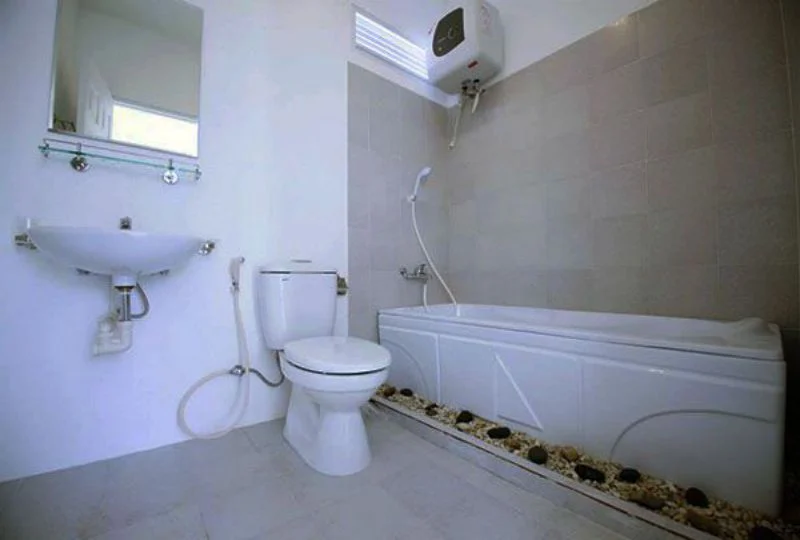
Typical works fall into a few groups. Structural repairs may include roof leaks, cracked walls, damp ceilings or reinforced floors for heavier use. Electrical systems in older buildings often need new wiring, extra capacity and additional sockets for offices. Plumbing upgrades cover bathrooms, drainage and water pressure.
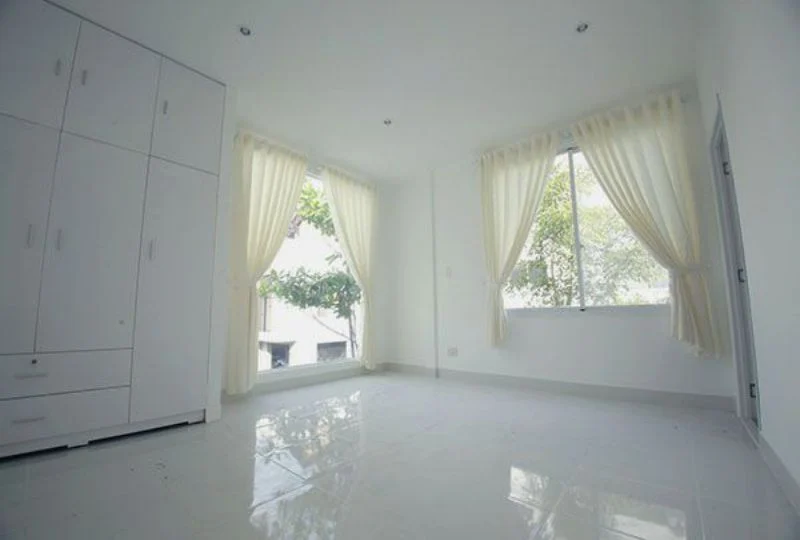
Cosmetic updates — repainting, flooring, lighting, partitions and signage — are the most visible but not always the biggest cost. Commercial tenants also often need fire safety adjustments, air conditioning and network cabling, which are easy to overlook at the viewing stage.
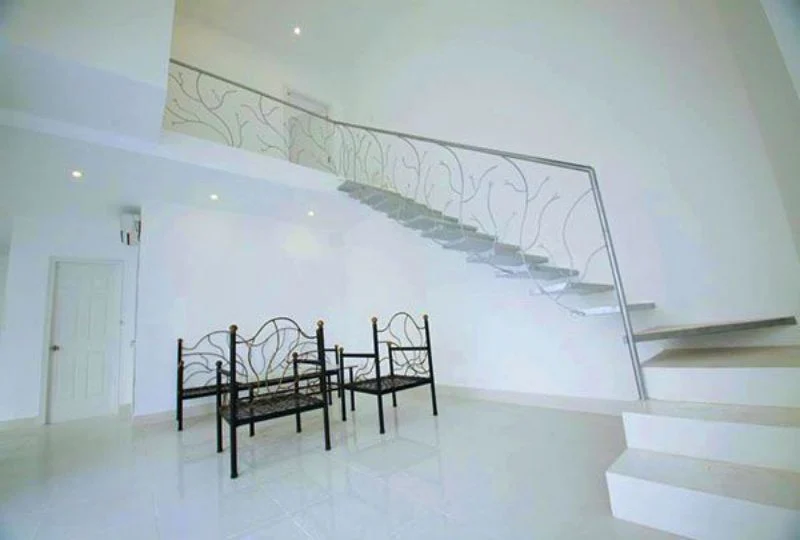
Larger buildings with basements or multiple floors usually carry more technical systems to check before signing. A whole-building lease such as a 6-storey property with basement on Huỳnh Thúc Kháng is a good example of where a technical survey should come before any cost discussion.
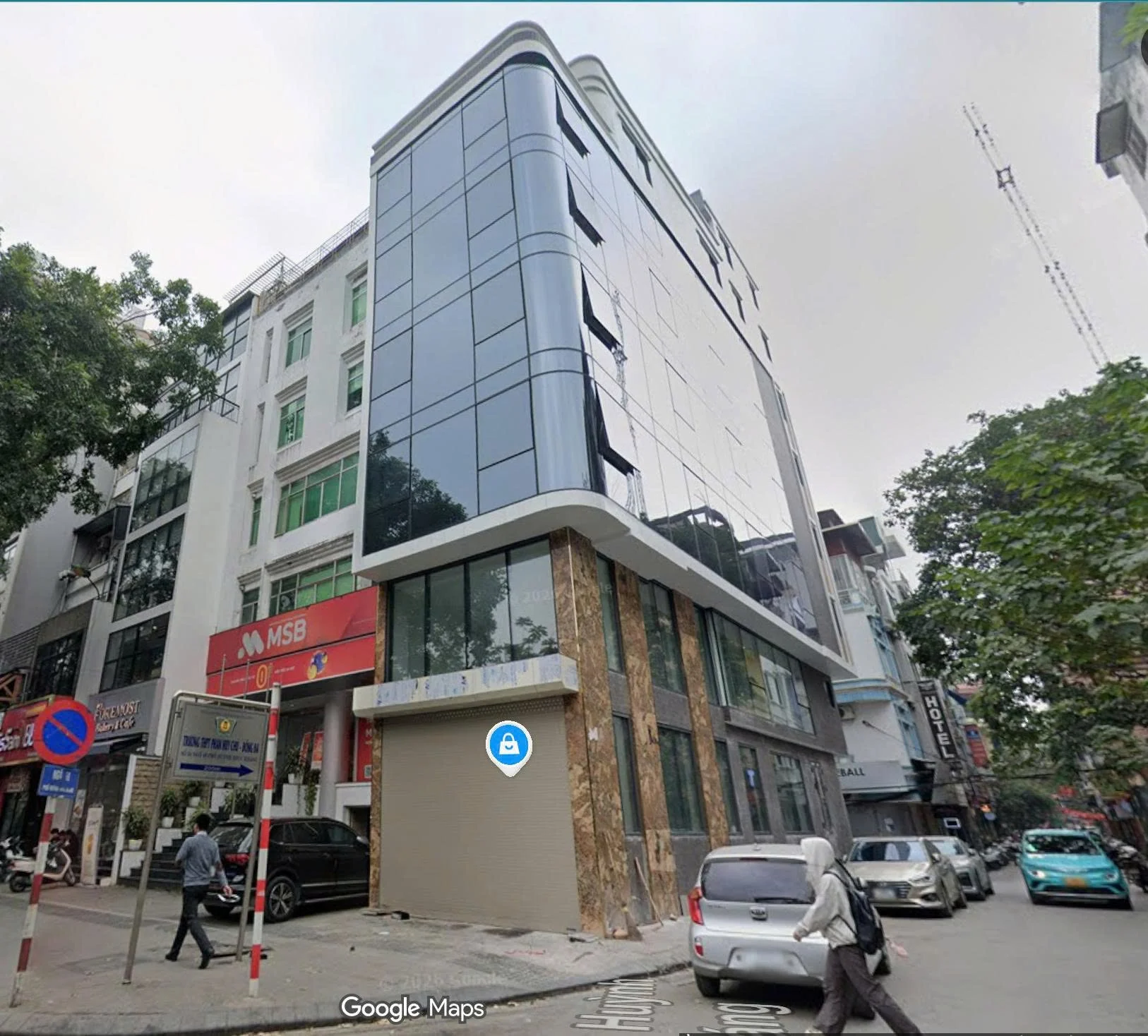
6-Storey Whole Building with Basement on Huỳnh Thúc Kháng, HCMC
160 million VND / month
- 115 m²
- Ho Chi Minh City
Risks of Unclear Agreements
Unclear cost allocation is a common source of landlord-tenant disputes in Vietnam. Without a written clause, it is easy for each side to assume the other is paying for rewiring, repainting or repairs discovered after handover. Deposit deductions at the end of a lease are a frequent flashpoint.
Expats and businesses often underestimate both the money and the legal implications. Renovation may require landlord consent, building-management approval or permits, and unapproved structural changes can breach the lease. A clear commercial lease renovation clause — listing scope, budget, approvals and who pays for what — is the simplest protection. Treat the renovation plan as part of the deal, not an afterthought.
Who Typically Pays for Renovations? Landlord vs. Tenant
The starting point for any discussion of renovating a rented building is a simple principle: the landlord is generally responsible for the structure and the systems that keep the property safe and usable, while the tenant covers cosmetic changes and the fit-out needed for their own business. In practice, the line between the two is where most conversations begin, and where a clear commercial lease renovation clause saves a great deal of friction later.
Structural vs. Cosmetic Renovations
Structural and major items usually sit with the landlord: foundations, load-bearing walls, the roof, main electrical supply, plumbing risers, elevators and fire safety systems. Tenants typically fund cosmetic and operational changes such as repainting, flooring, partitions, ceilings, lighting layout, signage and shopfront treatment. If a tenant's fit-out requires altering structure or upgrading the main power supply, that is normally a shared or negotiated item rather than a standard tenant cost.
In Vietnam it is common for landlords to offer rent-free periods or a reduced rent for an initial term when the tenant agrees to carry out the renovation. This is especially true for older buildings or vacant shopfronts where the landlord prefers a ready tenant over funding the works. The length of the rent-free period is usually tied to the scale of the investment and should be written into the landlord tenant renovation agreement with clear start and end dates.
Cost-Sharing Models
Beyond the simple split, several cost-sharing models appear in Vietnamese leases. A frequent one is the landlord supplying materials while the tenant pays for labour and management, which suits landlords who want control over quality. Another is a capped contribution, where the landlord agrees to a fixed amount and the tenant covers anything above it. A third is amortisation, where the tenant funds the works and the cost is recovered through reduced rent over the term.
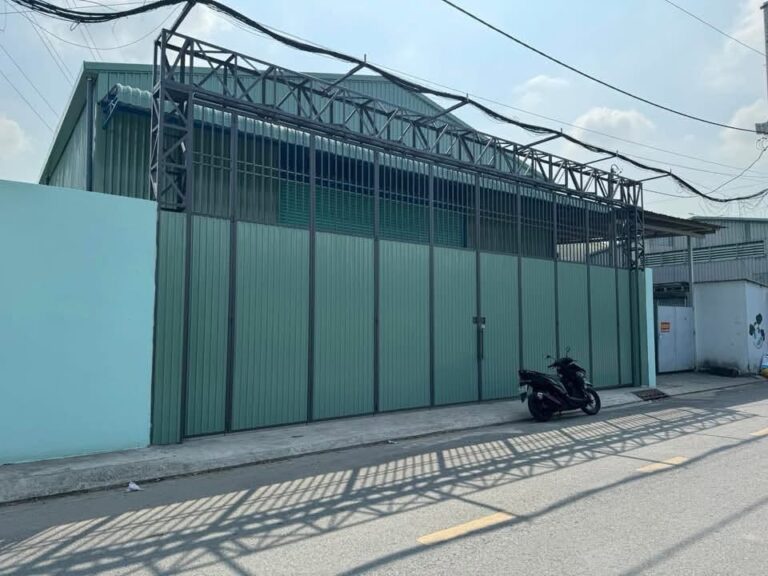
For larger premises, the split often depends on how specialised the fit-out is. A tenant converting a whole building for offices or a hospitality concept will usually carry most of the interior cost, while the landlord handles base-building upgrades. Commercial buildings such as this whole building for rent in Gò Vấp are typical of premises where the base structure is the landlord's responsibility and the interior fit-out is negotiated.

7-Storey Whole Building with Elevator on Quang Trung, Gò Vấp, HCMC
From 115 million VND / month
- 900 m²
- Go Vap, Ho Chi Minh City
| Renovation item | Typical responsible party |
|---|---|
| Roof, structure, load-bearing walls | Landlord |
| Elevator installation or replacement | Landlord |
| Main electrical supply and plumbing risers | Landlord (upgrades may be shared) |
| Fire safety systems | Landlord, with tenant obligations checked |
| Painting, flooring, ceilings, partitions | Tenant |
| Lighting, air conditioning and interior fit-out | Tenant |
| Signage and shopfront treatment | Tenant |
| Restoration at handover | Negotiated, often tenant |
None of this is fixed. Who pays for renovating a rented building depends on the lease term, the condition of the property and how strong demand is in that segment. A long lease gives the landlord reason to share costs; a short lease usually pushes more of the burden onto the tenant. Whatever is agreed, put it in writing with a schedule of works, a budget and a handover standard.
Key Contract Clauses for Renovation Cost Allocation

A commercial lease renovation clause is only as strong as its detail. Vague wording such as "tenant may renovate as agreed" invites disputes later, so each obligation should be written into the lease or an attached annex. Before signing, confirm the clause list below is covered and that both English and Vietnamese versions match.
Scope of Work and Approvals
Attach a schedule of works that lists every item, from partition walls to electrical upgrades, with a cost estimate for each. This schedule becomes the reference point for who pays what and prevents later arguments about what was "included".
- Scope of work: itemised list of works, materials and finishes, with drawings where relevant.
- Cost responsibilities: a clear split per line item, plus who pays for permits and professional fees.
- Approval process: how the tenant submits plans, the landlord's response deadline, and whether consent can be withheld unreasonably.
- Timeline: start and completion dates, and how rent-free periods align with construction.
- Restoration obligations: whether the tenant must return the premises to the original condition at lease end, and who bears that cost.
For tenant improvements in an office for rent in Saigon, or a whole house for rent in Ho Chi Minh City, specify whether landlord approval must be in writing and how long it should take. Silence in the lease often works against the tenant.
Handling Unforeseen Repairs
Hidden defects such as old wiring or water damage are common in older buildings. Include a change-order process: the tenant submits a written request with a cost estimate, and the landlord approves or rejects it within a set number of days. State a cap on costs the tenant must absorb without approval.
Add a dispute resolution clause naming the governing law and the forum for resolution, and keep signed records of every approval. Clear, specific clauses protect both sides and make rental renovation costs in Vietnam predictable.
Negotiation Strategies for Tenants and Landlords
Negotiating who pays for renovating a rented building works best when both sides treat it as a commercial trade rather than a fight over line items. Tenants usually want certainty on cost and time, while landlords want a reliable tenant and a property that keeps its value. Framing the conversation around those shared interests makes concessions easier to justify.
Win-Win Negotiation Tactics
Start with research. Gather asking rents for comparable space in the same district, whether that is an office in District 1, a shophouse in Binh Thanh or a whole house for rent in Ho Chi Minh City, and understand what is typically included. Get at least two or three written quotes for the works so cost estimates are credible, and share them openly with the landlord.
Trade term for contribution. A tenant willing to sign a longer lease, for example three years instead of one, has a strong case for asking the landlord to fund part of the fit-out or to spread the cost through reduced rent. For commercial space, a rent-free period of a few weeks or months is a common way to offset rental renovation costs in Vietnam while the works are completed. Landlords can counter by tying contributions to milestones and requiring approval of contractors.
Propose a clear split rather than an all-or-nothing position: the landlord covers structural and building-system work, the tenant covers cosmetic and business-specific improvements. This mirrors typical market practice and gives both parties a defensible outcome.
Documentation Best Practices
Put everything in writing, even points agreed verbally. Record the scope, approved quotes, payment schedule, rent-free dates and restoration obligations in the lease or an annex, and keep signed minutes of each negotiation meeting. From brokerage experience, the most common pitfalls are vague scope descriptions, verbal promises about rent-free periods and no record of who approved which contractor. Avoid them by confirming every change by email and attaching drawings and quotes to the landlord tenant renovation agreement before signing.
Common Disputes and How to Avoid Them

Even with a solid contract, renovation projects can spark disagreements. Knowing the typical flashpoints helps you plan ahead and keep your project on track when renovating a rented building.
Typical Dispute Scenarios
Cost overruns are the most common source of friction. A tenant may approve a budget, only to find that unexpected structural repairs or material price increases push costs higher. Without a clear change-order process, it is easy for each side to assume the other will cover the difference.
Quality of work is another frequent issue. Landlords may object to finishes that do not meet building standards, while tenants may feel the landlord is being overly picky. At lease end, restoration disputes often arise: tenants may believe they can leave the premises as-is, while landlords expect the original layout to be reinstated.
In our brokerage experience, a common case involved a tenant who installed a new partition wall without written approval. The landlord demanded removal and repainting at lease end, leading to a costly argument. Another example: a landlord agreed to share costs for an upgraded electrical system but later refused to pay because the invoice lacked a detailed breakdown.
Prevention and Resolution
Prevention starts with a clear contract. Specify the scope of work, approval procedures, change-order process, and restoration obligations in detail. Include a clause on how cost overruns will be handled and who bears responsibility for unforeseen repairs. Regular communication—such as monthly site meetings and shared progress reports—helps catch issues early. For larger projects, a third-party inspection at key milestones can provide an objective quality assessment.
If a dispute arises, try to resolve it amicably first. Schedule a meeting to review the contract and any documentation, and consider mediation through a neutral party. A local lawyer or consultant can clarify your rights under Vietnamese law and help negotiate a settlement. Many disputes are resolved through open dialogue and a willingness to compromise, avoiding the time and expense of litigation.
Legal and Tax Considerations for Renovation Costs
Renovating a rented building in Vietnam involves tax rules that are easy to overlook during lease negotiations. Treat any figures you hear as indicative only, and confirm them with a qualified advisor before signing.
Tax Deductions for Tenants
For businesses, renovation costs may be deductible as expenses if they are properly documented and tied to your registered business activity. Keep the lease, the landlord's written approval, the contractor contract, and payment records together. Without these, a deduction can be challenged during a tax audit.
VAT invoices matter. Ask contractors for proper hóa đơn đỏ (VAT invoices) in the company's name; informal receipts are usually not enough. Materials imported for the fit-out may attract import duties and VAT at the border, so confirm who bears these costs in the commercial lease renovation clause. For tenant improvements in an office for rent in Saigon, check whether the landlord's own invoice covers only rent or also service and fit-out charges.
Landlord Tax Obligations
Landlords generally must declare rental income, and major works that change the property's use or value may affect how the property is treated for tax purposes. If the tenant pays for improvements, the landlord should still record the arrangement clearly. This is relevant whether you lease a whole house for rent in Ho Chi Minh City or a single office floor.
Rules and rates can change, so verify current requirements with a local tax advisor or the tax authority before finalising your rental renovation costs in Vietnam.
Key Takeaways on Renovating a Rented Building in Vietnam
Renovation costs in Vietnam are rarely fixed by law and are almost always decided by the lease. As a rule, landlords cover structural repairs and major systems, while tenants pay for cosmetic upgrades and fit-outs, often offset by rent-free periods or shared-cost models. Clear clauses on scope, approvals, restoration, change orders and dispute resolution are what keep projects on budget.
Whether you are an expat setting up a home office or a business fitting out commercial space, document every agreement in writing and confirm tax treatment with a qualified advisor before signing. With the right terms in place, renovating a rented building can be a smooth, predictable process. Browse our current rental listings to find a property that fits your renovation plans.
Frequently asked questions
Who is responsible for renovations in a rented building in Vietnam?
Responsibility depends on the lease. Landlords typically pay for structural repairs, roofing, plumbing and electrical systems, while tenants usually fund cosmetic upgrades and fit-outs. Many Vietnamese leases instead grant rent-free periods so tenants can renovate at their own cost. Always confirm the split in writing before signing.
Can I negotiate a rent-free period to cover renovation costs?
Yes. Rent-free periods are a common practice in Vietnam, especially for commercial space needing fit-out. Tenants often request one to three months free, or a reduced rent during works, in exchange for a longer lease term. The exact period is negotiable and should be stated clearly in the contract with start and end dates.
What should be included in a renovation clause in a lease contract?
A strong renovation clause covers scope of work, who pays for each item, approval procedures, timelines, contractor requirements, restoration obligations at lease end, and how change orders are priced and approved. It should also include dispute resolution terms and specify what happens if the lease ends early.
How are renovation costs shared if the lease is terminated early?
Most contracts prorate landlord contributions over the lease term, so early termination may require the tenant to repay a portion. Tenants should negotiate an amortization schedule and a cap on repayment. Without clear terms, disputes over unamortized renovation costs are common, so document everything and seek legal advice.
Do I need a permit to renovate a rented commercial property in Ho Chi Minh City?
Yes, construction or renovation permits are generally required for structural changes or alterations to commercial premises, and the landlord's written consent is usually needed first. Requirements vary by district and building type. Confirm procedures with local authorities and your landlord before starting work.