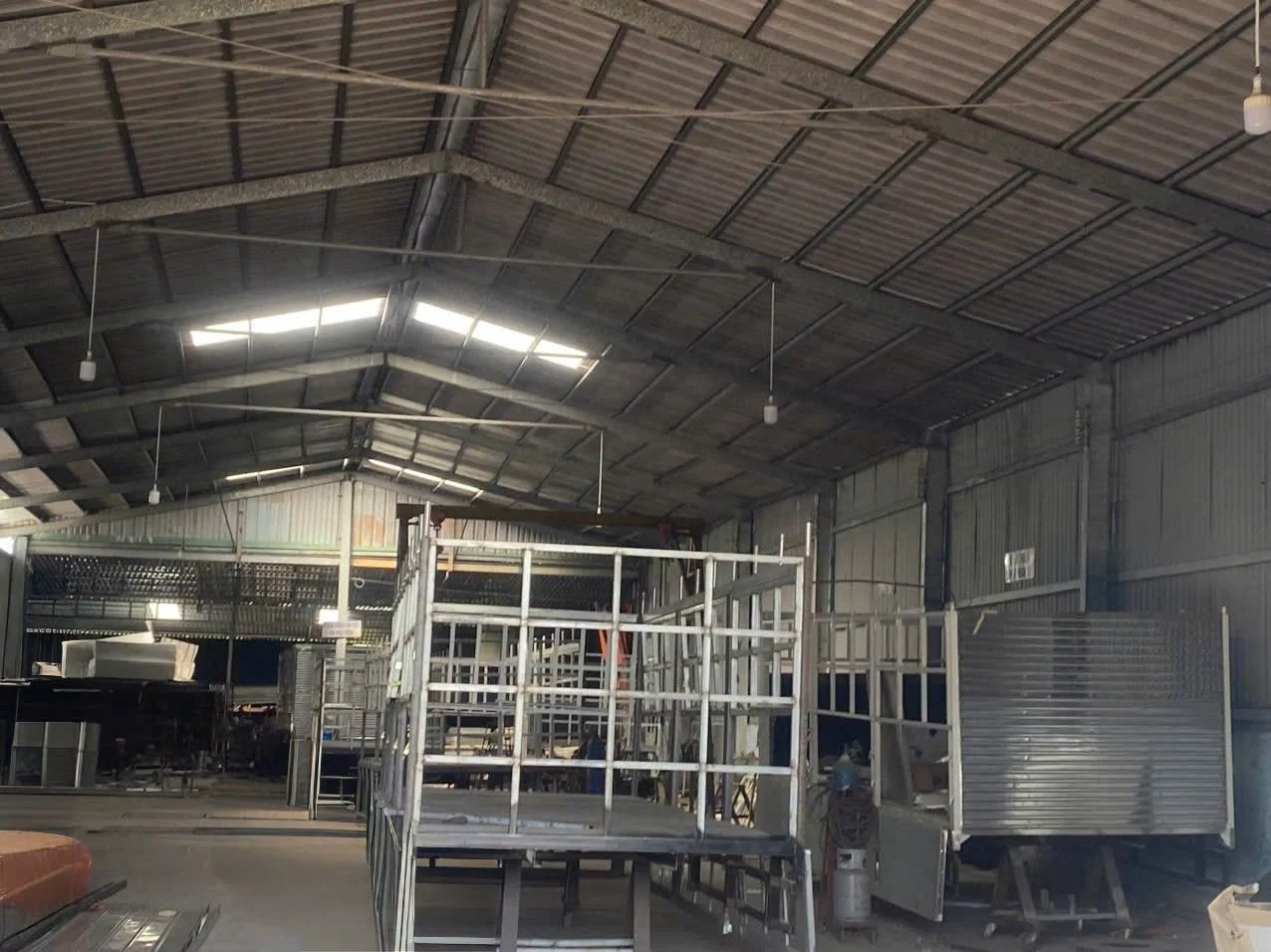
Rent Warehouse or Factory in District 12, Ho Chi Minh City

To rent warehouse or factory in District 12, Ho Chi Minh City, businesses should expect rents significantly lower than central districts, with ample options from standard warehouses to ready-built factories in industrial parks like Tan Thoi Hiep and Quang Trung. District 12 offers strong highway and airport connectivity, making it a practical base for logistics and light manufacturing. This guide covers available space types, legal steps for expats, cost structures, and key areas to help you secure the right industrial property.
Why District 12 Is a Prime Location for Warehouses and Factories

District 12 sits on the northern edge of Ho Chi Minh City and has become a practical base for companies that need to rent warehouse or factory space with fast access to both the city centre and the provinces beyond. It is not a glossy CBD address, but for logistics, light manufacturing and distribution it offers a combination of land availability, road links and lower costs that many inner-city districts cannot match.
Strategic Location and Connectivity
District 12 borders Go Vap, Tan Binh, Binh Tan and Thu Duc City, and it feeds directly into National Highway 22 toward Tay Ninh and the Cambodian border, as well as the Vo Van Kiet corridor and National Highway 1A. Tan Son Nhat International Airport is a short drive from many parts of the district, which suits businesses handling air freight, samples or time-sensitive goods.
This connectivity is why a District 12 warehouse for rent is often shortlisted by freight forwarders, e-commerce sellers and suppliers serving both HCMC and the southern provinces. Container access matters here: many roads and industrial lanes in An Phu Dong, Thoi An and Tan Thoi Hiep allow 40-foot trucks, though you should always verify the route and gate clearance for your own vehicle type.
A typical example is a fire-compliant warehouse with a wide gate and three-phase power in An Phu Dong, the kind of space that suits both storage and light assembly.

Fire-Compliant Warehouse with 11m Gate & 3-Phase Power in An Phú Đông, District 12, HCMC
60 million VND / month
- 2 BA
- An Phu Dong, District 12, Ho Chi Minh City
Labor and Infrastructure Advantages
District 12 has a large resident workforce, and its industrial clusters host supporting businesses such as packaging, metalwork, plastics and transport services. That makes it easier to recruit staff and find local suppliers for factory space for rent in Ho Chi Minh City without moving everything across town.
Zoning is generally oriented toward industrial and warehouse use in designated clusters, and local authorities have encouraged industrial development in the district, though specific incentives and permit conditions should be checked with the relevant office for your project.
Compared with Binh Tan and Thu Duc, District 12 rents are often lower for similar land area, while Binh Chanh can be cheaper still but is further from the airport and city customers. For many firms, industrial property in District 12 is the balance point between cost and accessibility.
Types of Warehouse and Factory Spaces Available in District 12
District 12 offers a wide range of industrial property types to suit different business needs. From small storage units to large manufacturing plots, you can find options for storage, light assembly, heavy production, and cold chain logistics. Understanding these categories helps you narrow your search and rent warehouse or factory in District 12 more efficiently.
Standard Warehouses
Standard warehouses are the most common option, typically ranging from a few hundred to several thousand square meters. They usually feature high ceilings (often 6–8 meters), loading docks or ground-level access, and basic fire safety systems. Many include small office areas and parking for staff. These warehouses suit storage and distribution businesses.
For example, a 620 m² warehouse with container access on an 8 m asphalt road in An Phú Đông is typical of the smaller units available. Larger options, such as a 1,600 m² warehouse on Lê Trọng Tấn in Tân Phú (near District 12), show the range of sizes in the area.
Light and Heavy Industrial Factories
Light industrial factories are designed for assembly, packaging, and light manufacturing. They often come with 3-phase power, higher floor load capacity, and space for machinery. Heavy industrial factories cater to larger-scale production, with reinforced floors, higher clearance, and specialized utilities. Sizes vary from around 500 m² to several hectares.
Common features include loading bays, office spaces, and fire safety systems that meet local regulations. For instance, a factory with container truck access on Quốc lộ 1A in Thới An is a good example of a light industrial space suited for logistics and manufacturing.

Factory with Container Truck Access on QL1A, Thới An, District 12, HCMC
55 million VND / month
- 600 m²
- Thoi An, District 12, Ho Chi Minh City
Other specialized types include cold storage facilities (for food and pharmaceuticals) and logistics centers with advanced racking and sorting systems. These are less common but available in and around District 12, often in industrial parks like Tân Thới Hiệp.
When choosing, consider your business needs: storage operations prioritize ceiling height and loading access; manufacturing requires power capacity and floor strength; distribution benefits from proximity to highways and container access. Always verify specifications and legal compliance before signing a lease.
Rental Process and Legal Requirements for Expats and Businesses

Renting industrial space in Vietnam follows a structured process. For expats and foreign-invested companies, understanding the legal steps and contract terms is essential to avoid delays and disputes.
Step-by-Step Rental Process
- Property search: Define your requirements (size, power, loading bays, clear height) and shortlist options through brokers or online listings. Verify zoning and access for trucks.
- Site inspection: Visit at different times to check traffic, drainage, and utilities. Bring a checklist and photos.
- Negotiation: Discuss rent, deposit, lease term, and fit-out period. Clarify who pays for repairs and upgrades.
- Contract signing: Review the draft with a legal advisor. Ensure the lease is in Vietnamese and, if needed, translated; notarization may be required for enforceability.
- Handover: Conduct a joint inspection, record meter readings, and document the condition of the property. Keep a signed handover minutes.
Legal Documents and Contract Essentials
Foreign businesses typically need an Investment Registration Certificate (IRC) and Enterprise Registration Certificate (ERC) to sign a lease. The lease agreement should be notarized at a Vietnamese notary office; requirements can vary by province, so confirm with your lawyer. The landlord should provide proof of ownership or land-use rights.
Key contract terms to negotiate:
- Lease duration: Common terms are 3–5 years, with renewal options.
- Rent escalation: Annual increases are typical; agree on a fixed percentage or CPI-linked formula.
- Deposit: Usually 2–3 months' rent; clarify refund conditions.
- Maintenance: Specify responsibilities for structural repairs, roof, and equipment.
- Termination: Include notice periods and penalties for early exit.
Brokers and property management companies can help navigate listings, negotiations, and paperwork. Choose ones with experience in industrial property and clear fee structures. Common pitfalls include unclear ownership, missing notarization, and vague maintenance clauses. Avoid them by conducting due diligence, using a bilingual contract, and having a local lawyer review all documents before signing.
Cost of Renting Warehouse or Factory in District 12
Budgeting for industrial space means looking beyond the headline rent. In District 12, quoted rates are usually expressed per square metre per month, and the final figure depends heavily on the property type, location and lease terms you agree. The points below help you plan a realistic budget before you start viewing District 12 rental properties.
Rental Price Ranges and Influencing Factors
As a rule of thumb, warehouse space in District 12 tends to sit in the mid-range compared with central districts and newer industrial zones on the city outskirts. Quoted rents vary widely, so treat any figure you hear as indicative and confirm it in writing.
- Location: Units close to major highways or within established industrial parks usually command a premium over back-street sites.
- Size and layout: Larger floor plates often attract a lower rate per square metre, while small units with high clear height are priced higher.
- Quality and specification: New build, good flooring, loading docks and fire safety systems raise the rate.
- Amenities: Office space, parking, power capacity and security add value and cost.
- Lease term: Longer commitments often unlock better rates and rent-free fit-out periods.
Hidden Costs to Watch For
Beyond rent, expect management or service fees, electricity and water charges, waste disposal, and possibly a sinking fund for common areas. VAT and property insurance may be added depending on the contract, and deposits are typically several months' rent. Ask for a full cost breakdown before signing.
Compared with Binh Tan, Thu Duc or Binh Chanh, District 12 is often competitive on rent while offering strong connectivity. To reduce costs, negotiate a longer lease, ask for a rent-free fit-out period, compare several District 12 warehouse for rent options, and confirm all fees in the contract. Rates change, so verify current market levels with local agents.
Key Industrial Parks and Areas in District 12

When you rent warehouse or factory in District 12, the specific industrial park or cluster you choose will shape your logistics, costs and future expansion. Below is an overview of the main industrial zones, their infrastructure and typical tenants, to help you shortlist the right area for your business.
Tan Thoi Hiep Industrial Park
Tan Thoi Hiep Industrial Park is one of the more established industrial zones in District 12, located near National Highway 22 and the An Suong intersection. It offers good connectivity to the city center and to the Ho Chi Minh City–Trung Luong Expressway, making it suitable for distribution and light manufacturing. Infrastructure includes internal roads, power and water supply, and wastewater treatment, though some sections may show signs of age and require due diligence on maintenance.
Typical tenants include food processing, packaging, consumer goods and logistics companies. Amenities such as worker canteens, parking and security services are generally available. Pros: central location, established supporting services, and a mix of warehouse and factory space for rent. Cons: traffic congestion during peak hours and limited availability of large contiguous plots. Upcoming developments focus on upgrading utilities and road access, but confirm current status with the park management.
Tan Thoi Nhat Industrial Park
Tan Thoi Nhat Industrial Park sits closer to the city center, near Truong Chinh and Tan Ky Tan Quy streets. Its prime location appeals to businesses needing quick access to urban markets and labor, but road infrastructure can be congested and less suited to heavy trucks. The park hosts a variety of light industries, including garment, electronics assembly and food production, with amenities like banking and postal services nearby.
Pros: proximity to residential areas and labor pools, lower transport costs for city deliveries. Cons: tighter roads, higher land values and limited room for expansion. Future prospects include potential infrastructure upgrades and redevelopment of older facilities, but these should be verified locally. For many businesses, Tan Thoi Nhat works well as a last-mile distribution hub rather than a heavy manufacturing base.
Other options include the Quang Trung Industrial Cluster, which is smaller and more mixed-use, often suited to SMEs needing flexible space. Across District 12, industrial property is gradually modernizing, with new warehouses and upgraded facilities expected, but availability and timing vary. Always inspect the specific area and confirm zoning and infrastructure plans before signing a lease.
Tips for Choosing the Right Warehouse or Factory
Choosing the right industrial space in District 12 requires matching your operational needs with the property's physical and legal attributes. The tips below help you avoid costly surprises when you rent warehouse or factory in District 12.
Assessing Your Requirements
Start by quantifying your storage capacity, power load, water usage, and waste management needs. For manufacturing, confirm the available power supply (three-phase, amperage) and whether the landlord permits heavy machinery. If your process generates wastewater or emissions, check that the property has appropriate treatment systems and that local regulations allow your operations. Also consider employee count and parking needs, as these affect daily logistics.
Due Diligence Checklist
Before signing, verify these critical points:
- Infrastructure: Road access for container trucks, number and size of loading bays, ceiling height (clear height), and floor load capacity (e.g., tonnes per square metre). Confirm these suit your racking and equipment.
- Legal status and zoning: Ensure the land use right certificate and construction permit are valid, and that the property is zoned for industrial use. For foreign businesses, check that the lease complies with investment laws.
- Expansion and flexibility: Ask about adjacent available space or expansion options, and review lease terms for flexibility (renewal, termination, rent review).
- Safety and environmental compliance: Inspect fire prevention and fighting systems (sprinklers, extinguishers, exits), electrical safety, and environmental permits. Confirm the landlord maintains these to required standards.
Use this checklist during site visits and request supporting documents. A thorough review now can prevent operational disruptions and legal issues later.
Common Mistakes to Avoid When Renting Industrial Space
Even experienced operators can stumble when they rent warehouse or factory in District 12 for the first time. Most problems trace back to a handful of avoidable errors, and catching them before you sign usually saves far more than the negotiation itself.
Skipping the ownership and legal check
Always confirm that the landlord actually has the right to lease the property. Ask for the land-use rights certificate, the construction permit or handover documents, and the business registration of the leasing entity. Where the landlord is a sublessor, verify written consent from the primary owner, and have a Vietnamese-speaking lawyer review the documents; requirements can change, so confirm current rules with a local adviser.
Overlooking hidden costs
A low headline rent can hide management fees, service charges, electricity and water tariffs, waste treatment, parking, loading access and VAT. Ask for a full cost breakdown in writing and clarify who pays for repairs, insurance and reinstatement at the end of the term.
Underestimating infrastructure needs
Check actual power capacity in kVA, water pressure and quality, drainage, wastewater treatment limits and fire-fighting certification against your real operating load. A space that looks fine empty can fail once machinery and shifts begin.
Failing to negotiate
Rent-free fit-out periods, stepped rent, deposit terms, renewal options and break clauses are often negotiable, especially in softer markets. Put every concession in the contract.
Ignoring zoning and future plans
Confirm the site is zoned for industrial use and check local planning for road upgrades or redevelopment that could affect access or your lease. A short drive around nearby plots often reveals upcoming changes.
Conclusion
Renting a warehouse or factory in District 12 offers a cost-effective solution with good infrastructure and diverse options for businesses of all sizes. By understanding the rental process, legal requirements, and hidden costs, you can avoid common pitfalls and secure a suitable space. Remember to verify ownership, negotiate terms, and assess future development plans before signing.
Ready to find your ideal industrial space? Browse our listings for warehouses and factories in District 12 and throughout Ho Chi Minh City to compare options and connect with trusted landlords.
Frequently asked questions
What is the average rent for a warehouse in District 12?
Rents vary by size, location, and quality. In District 12, warehouse rents generally range from $3 to $6 per square meter per month, while ready-built factories may be higher. Prices are typically quoted in VND or USD and exclude management fees, utilities, and taxes. It's best to request quotes from multiple listings and negotiate based on lease terms and duration.
Can foreigners rent a warehouse or factory in Vietnam?
Yes, foreigners can lease industrial space in Vietnam, but they must establish a legal entity, such as a wholly foreign-owned company or a joint venture, to sign the lease. Individuals cannot directly lease industrial property for business purposes. The process involves obtaining an investment registration certificate and an enterprise registration certificate, and the lease contract must be notarized.
What documents do I need to rent industrial space in District 12?
For foreign businesses, you'll need a valid investment registration certificate, enterprise registration certificate, and legal representative's ID or passport. The landlord should provide ownership documents (land use right certificate, construction permit) and the lease contract must be notarized. Additional documents may include a business license and seal registration. Always verify the landlord's legal status and the property's zoning compliance.
Are there ready-built factories available for rent in District 12?
Yes, District 12 has several industrial parks and clusters offering ready-built factories with standard specifications, including clear height, power supply, and fire safety systems. These are ideal for light manufacturing and assembly. You can find options in Tan Thoi Hiep and Quang Trung industrial parks. Availability fluctuates, so it's advisable to contact local brokers or check online listings regularly.
How long does it take to secure a warehouse lease in District 12?
The timeline varies from a few weeks to several months, depending on the complexity. Finding a suitable property may take 2-4 weeks, followed by due diligence (1-2 weeks), negotiation (1-2 weeks), and legal processing for foreign entities (2-4 weeks). Having your documents ready and working with an experienced broker can expedite the process. For ready-built factories, it can be faster than custom-built options.