Rent a Villa for Living and Office in Ho Chi Minh City: 2026 Guide

To rent a villa for living and office in Ho Chi Minh City, you need to verify zoning rules, register your business address, and budget for higher utilities and maintenance. This guide explains the legal requirements, best districts, costs, and step-by-step process for expats and businesses in 2026.
Why Rent a Villa for Living and Office in Ho Chi Minh City?

The line between home and workplace has blurred in Saigon. More expat founders, consultants and small agencies are choosing to rent a villa for living and office in Ho Chi Minh City rather than paying for two separate addresses. A single lease covers family life and client meetings, and the villa itself becomes part of the brand.
The trend is strongest in the villa neighbourhoods of the old District 2 (now Thu Duc City) — Thao Dien, An Khanh and Thanh My Loi — where quiet streets sit within a short drive of the central business district. Demand is steady, so good properties are often taken quickly once they appear on the market.
Benefits of a Live-Work Villa
- Space and flexibility: a spare bedroom, ground-floor living room or garden pavilion can become a meeting room, studio or small office without structural changes.
- Cost savings: one lease, one deposit and one set of utility accounts usually cost less than a city apartment plus a serviced office or coworking membership.
- Prestige: receiving clients in a private garden villa creates a stronger impression than a shared workspace, which matters for agencies, law and consulting firms.
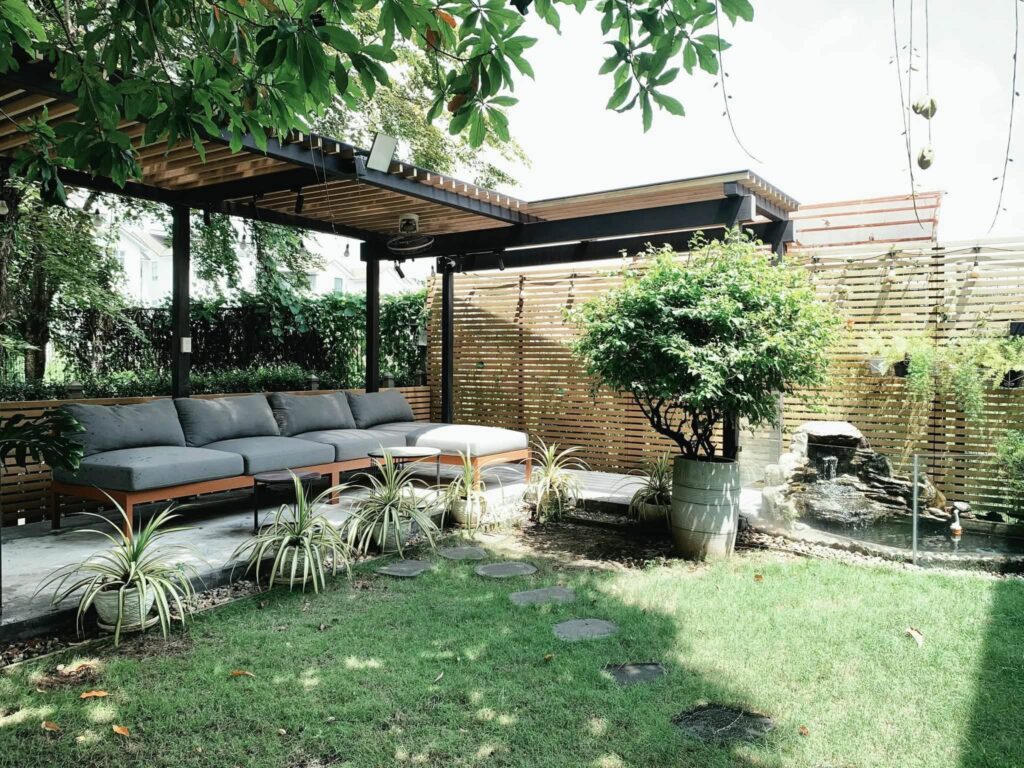
- Neighbourhood appeal: villa areas are typically greener, quieter and gated, with parking for cars and motorbikes and outdoor space for staff breaks or family time.
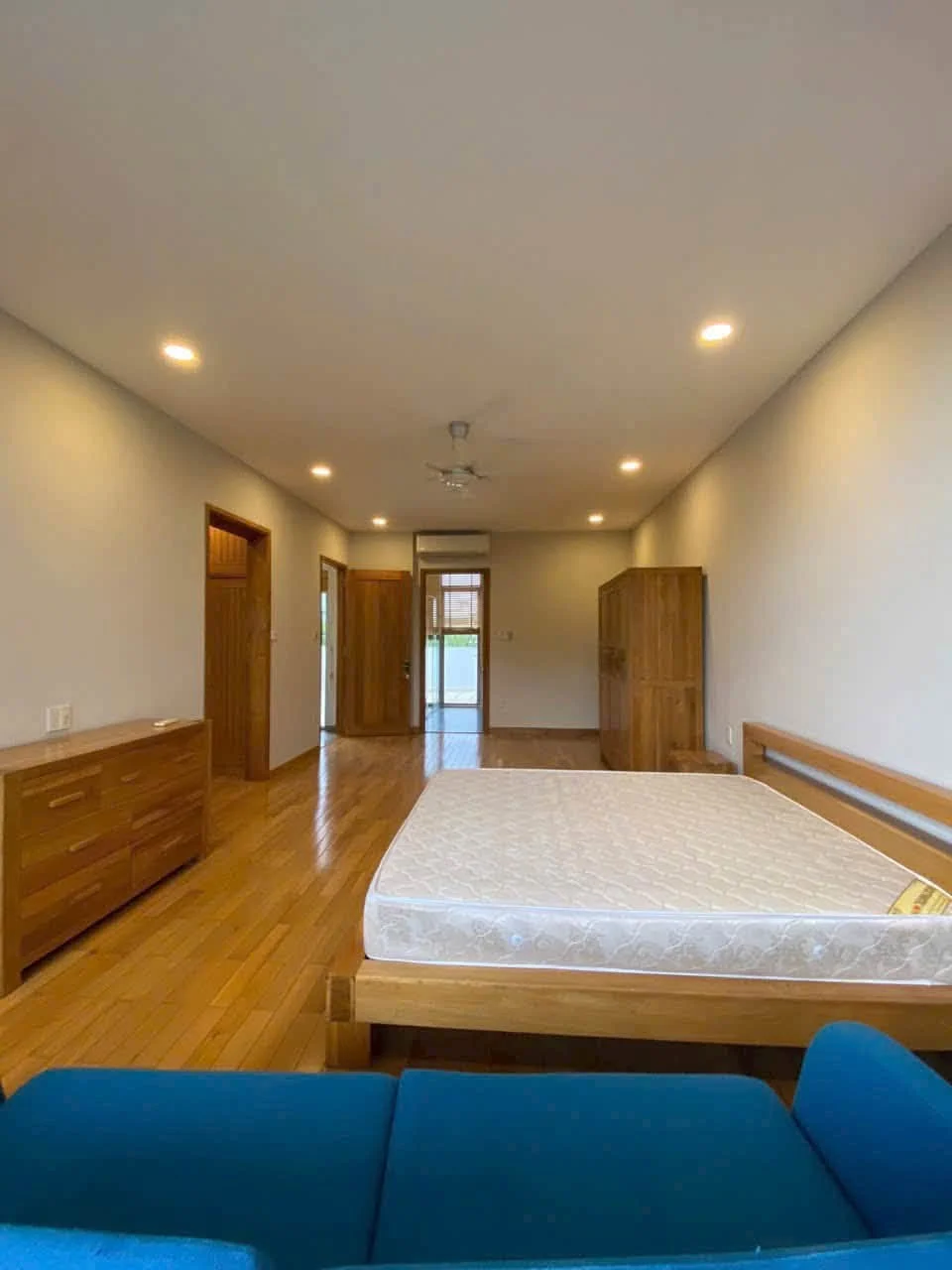
Thao Dien is the most established cluster, with a wide choice of furnished homes that already suit a home-office setup. A typical example is a fully furnished villa with a pool in the area.

Fully furnished 4-bedroom villa with pool in Thao Dien, HCMC
90 million VND / month
- 4 BR
- 4 BA
- Thao Dien, District 2, Ho Chi Minh City
Potential Drawbacks to Consider
A villa is not automatically an office. Zoning rules, the land-use certificate and the landlord's consent can restrict business activity, and neighbours may object to staff or client traffic — always confirm the legal position before signing. Utilities for a large house, especially air conditioning and pool maintenance, are usually higher than for an apartment, and gardens, roofs and pools need ongoing upkeep.
Location is another trade-off: villa neighbourhoods are quieter but further from District 1, so daily commuting and client visits take planning. Weigh these points against the savings and flexibility before you commit to a live-work villa in Saigon.
Is It Legal to Use a Villa as an Office in Ho Chi Minh City?
Using a villa for both living and working is common in Ho Chi Minh City, but legality depends on the property and on how your business is set up. Before you sign a lease to rent a villa for living and office in Ho Chi Minh City, treat zoning and registration as two separate checks, because passing one does not automatically cover the other.
Zoning and Land Use Regulations
Start with the land use certificate, commonly called the sổ hồng or sổ đỏ. It states whether the land is classified for residential use or allows commercial or mixed use, and that classification shapes what you may legally do on the site.
Many villas sit in areas zoned for residential use only. Running a business with staff, clients or signage there may breach local regulations, and enforcement can vary between wards and districts. Ask the landlord for a copy of the certificate and confirm the purpose with the local People's Committee before committing.
Compound or serviced villa developments sometimes add their own management rules on visitors, deliveries and business activity. A villa that looks ideal may still restrict client traffic, so check the house rules as carefully as the paperwork.
Business Registration Requirements
To operate legally, your company generally needs a registered business address at the property. That usually means a business registration certificate showing the villa address, plus any additional licences your sector requires, such as food service or consulting permits.
Some landlords are unwilling to let tenants register a company at their villa, or will only agree with conditions written into the lease. Confirm this in writing before signing, and keep copies of the certificate and lease for your records.
Because rules and local practice change, have a local lawyer or experienced property agent review the certificate, lease and registration plan. A short compliance check now is far cheaper than relocating an office later.
For larger live-work setups, a whole building can offer clearer commercial use, such as this option in central Ho Chi Minh City.

Best Districts for Live-Work Villas in Ho Chi Minh City

Location shapes both your family life and your business credibility. The districts below are where most expats and companies choose to rent a villa for living and office in Ho Chi Minh City, each with a distinct trade-off between space, commute and budget.
District 2: Thao Dien and An Phu
Thao Dien and An Phu remain the default choice for expat families and small firms. Typical stock includes renovated town villas in compounds, garden villas on quiet streets and newer compound villas with shared security and pools. Expect the widest spread of rents in the city, from modest townhouses to large detached villas, so always confirm current quotes with agents.
Amenities are dense: international schools such as BIS, ISHCMC and AIS, plus clinics, restaurants and the Thu Thiem tunnel link to District 1. Commutes to the CBD are typically 15–30 minutes by car depending on traffic.
District 7: Phu My Hung
Phu My Hung offers planned streets, wide sidewalks and a strong concentration of international schools (SSIS, ABC, RISS) and serviced offices. Villa types are mostly compound and town villas with consistent management, and rents are generally higher per square metre than District 2 for comparable space.
The trade-off is distance: a drive to District 1 usually takes 25–40 minutes. It suits businesses serving the southern districts or families prioritising walkability and safety.
Other Emerging Areas
District 9 offers large plots and new-build villas at lower rents, popular with companies needing warehouses or showrooms, but amenities and schools are thinner and commutes are long.
Nha Be is attracting logistics and manufacturing firms with spacious villas near port roads; check utilities and flooding history carefully.
Binh Thanh provides the closest central option, with older villas near the Saigon Bridge and quick access to District 1, though plots are smaller and parking is tighter.
| District | Typical villa type | Rent level (indicative) | Commute to CBD | Vibe |
|---|---|---|---|---|
| District 2 (Thao Dien, An Phu) | Town and garden villas, compounds | Mid to high | 15–30 min | Expat-friendly, lively |
| District 7 (Phu My Hung) | Compound and town villas | High | 25–40 min | Planned, family-oriented |
| District 9 | New-build villas on large plots | Low to mid | 40–60 min | Spacious, emerging |
| Nha Be | Large villas near port roads | Low to mid | 30–50 min | Industrial, quiet |
| Binh Thanh | Older central villas | Mid | 10–25 min | Urban, convenient |
Rent levels and commute times are indicative only and vary by street, compound and traffic; verify current figures and zoning before shortlisting a villa for rent Ho Chi Minh City.
What to Look for in a Live-Work Villa
When you rent a villa for living and office in Ho Chi Minh City, the right property must serve two purposes without compromise. Focus on features that keep business and family life separate, secure and efficient.
Must-Have Features
A separate entrance for the office is essential, so clients and staff do not walk through your living room. Adequate parking for cars and motorbikes is equally important, especially if you expect visitors. High-speed internet with a reliable provider and backup power (generator or UPS) keep your business running during outages. Security features such as a guard, CCTV and a gated fence protect both your family and company assets.
Layout matters: look for a villa with a reception area, at least one room that can serve as a meeting room, and clearly defined living quarters. Noise and privacy are critical—choose a quiet street yet one that is accessible for clients, perhaps near a main road but set back from traffic. Outdoor space, such as a garden or terrace, adds value for staff breaks or family time.
Viewing Checklist
Use this checklist when inspecting a potential live-work villa:
- Separate office entrance with clear signage potential
- Parking capacity for expected number of cars and motorbikes
- Internet speed test and backup power source
- Security: guard, CCTV, fencing, alarm system
- Meeting room and reception area possibilities
- Noise levels at different times of day
- Privacy between office and living areas
- Outdoor space and safety features for children or pets
- Zoning and business registration compatibility (check with landlord and authorities)
- Maintenance responsibilities and utility costs
This checklist helps you compare villas objectively and avoid surprises after signing the lease.
Costs and Budgeting for a Live-Work Villa

Budgeting for a live-work villa means looking beyond the headline rent. Most landlords quote rent in USD per month, and a realistic budget should combine the lease, deposit, recurring utilities and any fit-out you need before moving in. Figures below are indicative for 2026 and should always be confirmed in writing.
Typical Rental Prices
As a rule of thumb, a villa for rent Ho Chi Minh City in Thao Dien or An Phu (District 2) with four to five bedrooms and garden space typically sits in a mid-to-upper range, with premium compounds and riverside streets commanding more. Phu My Hung (District 7) often offers slightly lower rents for comparable built area, partly because supply is larger and layouts are more uniform. Older villas in Binh Thanh or District 9 can be noticeably cheaper but may need renovation.
Expect a deposit of two to three months' rent, returned at the end of the term subject to condition. Ask whether the rent is inclusive of management fees, and clarify who pays VAT and personal income tax withholding — in many leases these are built into the quoted price, but not always.
Additional Expenses to Anticipate
- Utilities: electricity is usually billed at the official residential tariff, but some landlords apply commercial rates if a business is registered at the address. Confirm the rate and meter arrangement in the contract.
- Internet and landline: business-grade fibre is inexpensive by international standards but needs a separate contract for office use.
- Cleaning, gardening and pool service: often extra in standalone villas, even when a management fee applies.
- Security: compound villas usually include guard service; standalone homes may require a private arrangement.
- Renovation and fit-out: partition walls, cabling, air conditioning and signage can add a meaningful one-off cost — negotiate a rent-free period to offset it.
To negotiate well, compare three to five similar listings, offer a longer term in exchange for a lower rate, and put maintenance responsibilities, utility rates and renewal options in writing. A serviced villa Ho Chi Minh City option costs more per month but bundles management, cleaning and sometimes utilities, which can simplify budgeting for a small team.
How to Find and Secure a Live-Work Villa
Finding the right property takes planning, and the process below is the one most expats and businesses follow when they rent a villa for living and office in Ho Chi Minh City. Allow several weeks rather than days, especially if you need a specific district or a registered business address.
Step-by-Step Search Process
- Define your needs. Write down the number of bedrooms, desk capacity, parking bays, budget ceiling and preferred districts. Share this brief with every agent you speak to.
- Search online. Check property portals and agency websites, including our listings, and shortlist five to eight villas that match your brief.
- Engage a reputable agent. Choose a rental agency that specialises in villas and understands the legal requirements for a live-work villa Saigon tenants rely on, including zoning and business-address registration.
- View the properties. Visit at different times of day to judge traffic noise, security and parking, and bring the viewing checklist from the previous section.
- Negotiate and sign. Confirm terms in writing before any deposit is paid.
Negotiation and Contract Tips
Discuss lease duration and renewal options early. Many landlords prefer two- or three-year terms, and a clear renewal clause protects you if the business grows. Agree in writing who handles maintenance, repairs and management fees, and note any cap on annual rent increases.
Before signing, verify the landlord's ownership documents (sổ hồng or sổ đỏ) and match the name to the ID presented. Ask for a notarized lease contract and a signed inventory of furniture, fixtures and meter readings, with photos attached, so the deposit is returned fairly at the end of the term.
Tip: a specialised agent can flag zoning or registration issues before you commit, which is far cheaper than fixing them later.
Conclusion
Renting a live-work villa in Ho Chi Minh City offers space, cost savings, and prestige, but success depends on legal due diligence, choosing the right district, and budgeting for hidden costs. Always confirm zoning and business registration with the landlord and local authorities before signing.
Ready to find your ideal live-work villa? Browse our listings today to explore available properties in prime districts like District 2 and District 7.
Frequently asked questions
Can I use a villa in Ho Chi Minh City as both my home and office?
Yes, but it depends on land-use zoning shown on the property's sổ hồng/sổ đỏ (land use right certificate). Some villas are zoned for residential use only, while others allow mixed-use. You must also register your business address with local authorities. Always confirm both with the landlord and a legal advisor before signing a lease.
What are the typical rental prices for a live-work villa in Ho Chi Minh City?
Rents vary by district and villa size. In District 2 (Thao Dien, An Phu), a 4-bedroom villa typically ranges from $2,500 to $5,000 per month, while District 7 (Phu My Hung) ranges from $2,000 to $4,500. Larger or more luxurious properties can exceed these ranges. Always confirm current prices with listings.
Do I need a special permit to run a business from a rented villa?
You need to register your business address with the local People's Committee and ensure the villa's land-use zoning permits commercial activities. Some businesses may require additional licenses depending on the industry. Consult a legal advisor to navigate the specific requirements for your business type.
Which districts are best for renting a villa with office space?
District 2 (Thao Dien, An Phu) is popular among expats for its international schools and amenities. District 7 (Phu My Hung) offers a planned urban area with good infrastructure. District 9, Nha Be, and Binh Thanh are emerging options with lower rents but may have fewer amenities. Consider your commute and business needs.
What should I check in the lease contract before signing?
Verify the landlord's ownership documents (sổ hồng/sổ đỏ), ensure the lease term and renewal options are clear, clarify maintenance responsibilities, and include a detailed inventory of fixtures. Confirm that the contract is notarized and that business use is explicitly permitted. Also check utility rates and any restrictions on modifications.