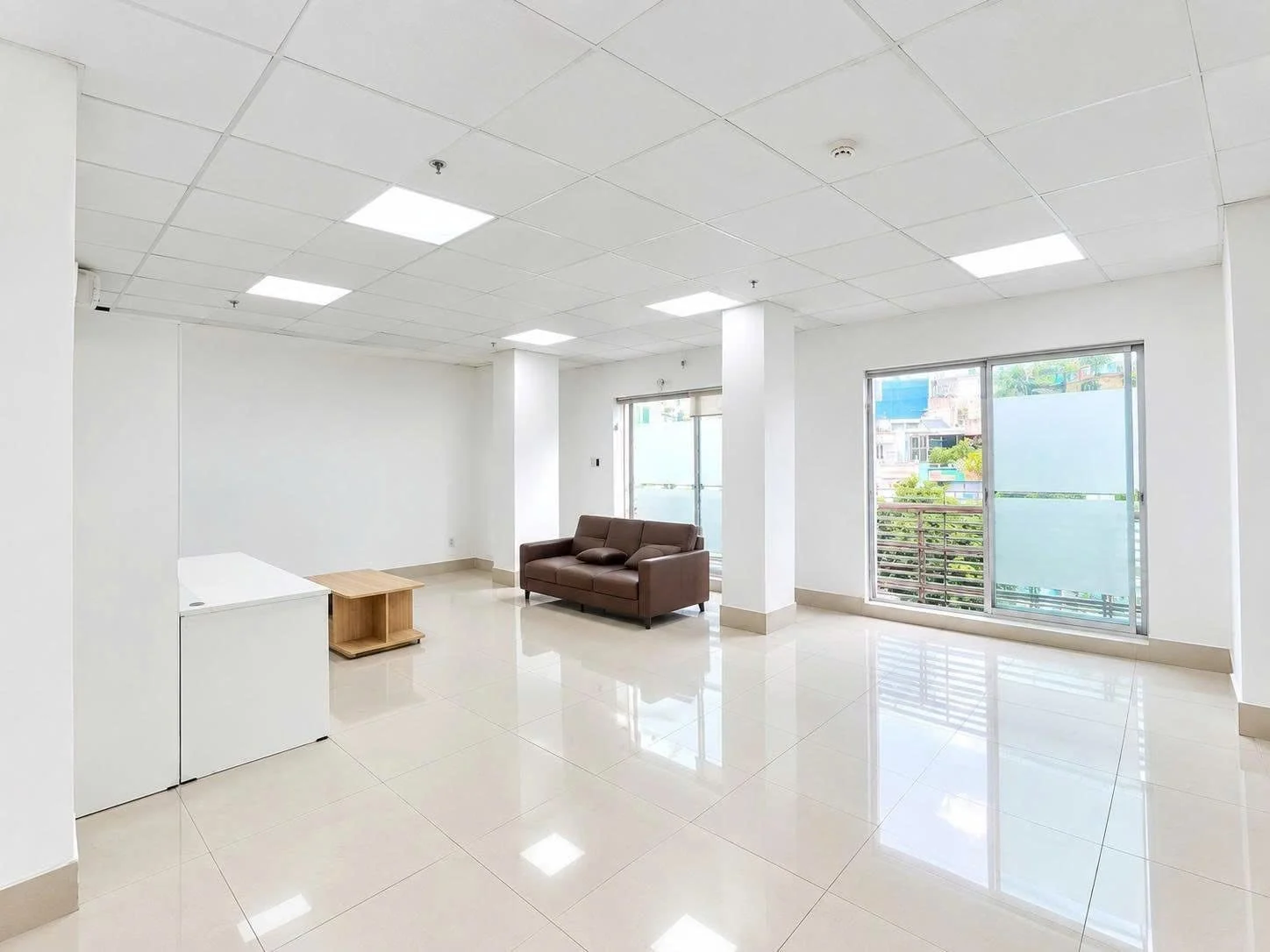
Office For Rent In Ho Chi Minh City: 2026 Market Guide

Finding a suitable office for rent in Ho Chi Minh City requires understanding the market's distinct districts, building grades, and rental conditions. This 2026 guide provides expats and businesses with a clear overview of the city's office rental landscape, including pricing, key locations, and practical steps to secure the right space.
Ho Chi Minh City Office Rental Market Overview 2026

Key trends shaping the market
Demand for office space in Ho Chi Minh City continues to be driven by technology, finance, and professional services companies expanding or entering Vietnam. Landlords are responding with new Grade A developments, particularly in the central business district and emerging hubs like Thu Thiem and District 7. This added supply gives tenants more choice, especially for Grade A office space Saigon, but competition among buildings is also rising.
Infrastructure improvements are reshaping office location decisions. The launch of Metro Line 1 has improved accessibility to districts along its route, making areas such as District 1, Binh Thanh, and Thu Duc more attractive for office leasing Vietnam. Many businesses now consider proximity to metro stations a key factor when choosing office space for rent in Ho Chi Minh City, as it can ease commuting for employees and clients.
Flexibility is another major trend. The shift towards hybrid work has boosted demand for serviced office HCMC and flexible workspace solutions, especially from startups and smaller teams. Even larger companies are increasingly opting for shorter leases or co-working arrangements to test the market before committing to traditional office space.
Rent and occupancy outlook
Rents vary by segment and location. Grade A buildings in prime areas like District 1 typically command the highest rents, while Grade B and C offices offer more affordable options in districts such as District 3, District 7, and Binh Thanh. Occupancy rates also differ: well-managed Grade A buildings in central locations tend to maintain high occupancy, whereas older Grade B and C buildings may face pressure to upgrade or adjust rents to attract tenants.
Overall, the market is expected to remain tenant-favorable in 2026, with ample supply giving businesses negotiating leverage. However, prime locations with strong amenities and metro access may see steadier demand. As always, exact rents and occupancy figures should be verified with local agents or directly with landlords, as they can change quickly.
Key Office Districts in Ho Chi Minh City
Where you rent shapes your budget, your commute and the image your business projects. Most tenants shortlist two or three districts before viewing, and it helps to understand what each one offers before you start comparing office space for rent in Ho Chi Minh City.
District 1: The Central Business District
District 1 is the traditional CBD, home to the largest concentration of Grade A office space Saigon has to offer. Landmarks such as Nguyen Hue, Le Loi and the Ton Duc Thang riverside corridor host many of the city's most recognised towers, and new premium buildings continue to come online nearby.
Rents here are the highest in the city, and vacancy in top buildings can be tight. In return you get prestige, walkable access to banks, law firms, hotels and government offices, and strong public transport links including Metro Line 1. District 1 office rental suits companies that host clients frequently or want a central address on their business cards.
Thu Duc City: The New Office Hub
The former District 2, now part of Thu Duc City, has become the fastest-growing office cluster. Areas around Thao Dien, An Phu and the Thu Thiem peninsula offer newer Grade A and Grade B buildings, often at noticeably lower rents than District 1.
This area appeals to tech firms, creative agencies and expat-led businesses that value space, parking and a quieter environment. Commutes to the CBD are reasonable by car or metro, though traffic at peak hours should be tested before you sign.
Other Notable Districts
District 3 and District 4 sit close to the CBD and offer good value, especially in older Grade B buildings. District 5 and District 7 serve different audiences: District 5 is convenient for businesses working with Cholon's trading community, while District 7 (Phu My Hung) offers modern low-rise offices near family-friendly residential areas. Binh Thanh is a practical middle ground with easy access to District 1 and a growing supply of serviced office HCMC options.
| District | Typical rent range | Building grade | Commute to CBD |
|---|---|---|---|
| District 1 | Highest | Grade A and B | Walking distance |
| Thu Duc City | Mid to high | New Grade A and B | 15-30 minutes by car |
| District 3 | Mid | Mostly Grade B | 5-15 minutes |
| District 4 | Mid to low | Grade B and C | 10-15 minutes |
| District 5 | Low to mid | Grade B and C | 10-20 minutes |
| District 7 | Mid | Grade B and new low-rise | 20-30 minutes |
| Binh Thanh | Low to mid | Mixed | 10-20 minutes |
Ranges are indicative only and vary by building age, floor and fit-out; confirm current quotes with landlords or agents.
Types of Office Space for Rent in Ho Chi Minh City

Landlords in Vietnam classify offices by grade, and that grading is the fastest way to understand what you are paying for. Alongside graded buildings, the city offers serviced offices, co-working desks and whole-building leases. Knowing which category fits your headcount, budget and lease horizon will narrow your shortlist quickly.
Traditional offices by grade
Grade A buildings are the newest and best specified, typically in the District 1 core or Grade A office space Saigon clusters in Thu Duc City. Expect efficient floor plates, higher ceilings, reliable backup power, professional building management and lifts that cope with peak hours. Rents sit at the top of the market, and landlords often ask for longer terms and larger deposits.
Grade B covers solid mid-market buildings, many a decade or two old, in District 1, District 3, Binh Thanh and District 7. Fit-outs vary widely, so inspect air-conditioning, power capacity and lift waiting times. Rents are typically well below Grade A for comparable space, making Grade B the workhorse of office leasing Vietnam for mid-sized firms.
Grade C buildings are older, smaller and often converted from residential or light industrial use. They suit budget-conscious teams and back-office functions, but check fire safety, internet provisioning and building hours. Rents are the lowest of the three grades, though total occupancy cost can rise once you add your own fit-out and upgrades.
Serviced and co-working offices
A serviced office HCMC operators provide is usually fully furnished with reception, meeting rooms, internet and utilities bundled into one monthly fee. Terms are flexible, often month to month, which suits new market entrants and small teams testing the city before committing to a traditional lease.
Co-working spaces go further, offering hot desks, dedicated desks and small private offices alongside community events and networking. They are ideal for freelancers and startups, but privacy and meeting-room hours can be limited. For corporations needing control and security, leasing a whole building or several floors remains the standard route, negotiated directly with the landlord or through a broker.
Most tenants compare options across at least two categories before deciding, so visit a Grade A building, a Grade B floor and a serviced centre in the same week to calibrate what office space for rent in Ho Chi Minh City actually delivers at each price point.
How Much Does an Office for Rent in Ho Chi Minh City Cost?
Office rents in Ho Chi Minh City vary widely by district, building grade and lease terms. The figures below are indicative ranges for 2026 and should be confirmed with landlords or agents, as quoted rents are usually exclusive of fees and taxes.
Rent breakdown by district
In District 1, Grade A office space typically ranges from about US$40 to US$60 per square metre per month, while Grade B is often US$25 to US$40. District 3 and Binh Thanh offer Grade B space at around US$20 to US$35, and Grade C at US$12 to US$20. In Thu Duc City, newer Grade A buildings may ask US$25 to US$40, with Grade B at US$15 to US$25. District 7 and District 4 generally have Grade B at US$18 to US$30 and Grade C at US$10 to US$18. Serviced offices in HCMC are usually priced per desk, often from US$150 to US$400 per person per month depending on location and inclusions.
Hidden costs to watch for
Besides base rent, budget for the management fee (often US$3–6 per square metre monthly), electricity charged at metered rates, parking (around US$50–100 per motorbike or car space), and VAT at 10%. Some landlords also charge for fit-out, air-conditioning outside office hours, or building signage.
Deposits are commonly two to three months’ rent, and payment is usually quarterly in advance, though monthly terms may be negotiable for serviced offices. For office leasing in Vietnam, it’s wise to negotiate rent-free fit-out periods, gradual rent increases, and caps on management fees. Always request a full cost breakdown before signing.
Step-by-Step Guide to Renting an Office in Ho Chi Minh City

Securing the right office for rent in Ho Chi Minh City involves a clear process. Below is a practical sequence to help you navigate from initial search to move-in.
Preparation and search
Start by defining your requirements: required size (square metres or number of workstations), preferred location (e.g., District 1 for prestige or Thu Duc City for value), budget (including rent, management fees, and taxes), and lease term (typically two to three years, though shorter terms may be available). Use these criteria to shortlist buildings that match your needs.
Schedule viewings to inspect the space and building amenities. Check for natural light, air conditioning, parking, and internet connectivity. Ask about building management and security. For serviced offices, confirm what is included (furniture, utilities, reception services). For traditional leases, clarify what fit-out is provided.
Negotiation and legal checks
Once you have a preferred option, negotiate terms such as rent-free fit-out period, rent reviews, and renewal options. Review the lease agreement carefully, paying attention to termination clauses, repair obligations, and dispute resolution. Engage a local lawyer to ensure the contract complies with Vietnamese law.
Foreign businesses must have an investment certificate or enterprise registration certificate to sign a lease. The lease should be registered with the local authority; your landlord or lawyer can assist. Also verify the landlord's ownership certificate and land-use rights.
Handover and move-in
Before handover, conduct a joint inspection with the landlord and document the condition of the premises. If fit-out is required, obtain necessary permits and hire a reputable contractor. Ensure utilities are connected and test systems. Plan your move to minimize disruption, and keep a copy of the handover minutes for future reference.
By following these steps, you can secure a suitable office space for rent in Ho Chi Minh City and avoid common pitfalls.
Tips and Common Mistakes to Avoid
Tenants often focus on the headline rent and miss the details that decide whether an office for rent in Ho Chi Minh City works for them long term. The points below cover the mistakes we see most often, especially among first-time foreign tenants.
Look at the total occupancy cost
Quoted rent is rarely the full bill. Add the management fee, VAT, parking, electricity, air-conditioning charges (often billed separately in older buildings) and fit-out or reinstatement costs. Ask the landlord for a written breakdown of every recurring charge so you can compare buildings on a like-for-like basis.
Check building management and maintenance
Visit the building on a normal working day, not just during a scheduled viewing. Look at lift queues, lobby cleanliness, air-conditioning reliability and how quickly the management team responds to questions. Poor management in a Grade A office space Saigon can cost more in disruption than a slightly higher rent elsewhere.
Verify ownership and legal status
Confirm the landlord's ownership certificate, the building's permitted use and the entity authorised to sign the lease. A serviced office HCMC operator may sublease from a master tenant, so check the chain of authority before paying a deposit.
Plan for expansion and exit
Ask about expansion rights, renewal terms, break clauses and the notice period. A short initial term with clear options is often safer than a long lease at a marginally lower rate.
Never sign without legal review
Have a local lawyer review the lease, especially clauses on deposits, termination and dispute resolution. Rushing to secure space is the most common and most expensive mistake in office leasing Vietnam.
Conclusion
Renting an office in Ho Chi Minh City involves careful consideration of district dynamics, building quality, and lease terms. By understanding the 2026 market trends, typical costs, and legal requirements, you can make an informed decision that supports your business goals. Whether you prioritize a CBD location or a cost-effective emerging hub, thorough preparation is key.
Ready to explore available options? Browse our listings to find the ideal office space for your needs.
Frequently asked questions
What is the average rent for an office in Ho Chi Minh City?
Average rents vary by grade and location. Grade A offices in District 1 typically range from $40 to $60 per square meter per month, while Grade B in secondary districts can be $20 to $35. Emerging areas like Thu Duc City offer Grade A at $25 to $40. These are indicative and subject to market fluctuations.
Which district is best for office rental in Ho Chi Minh City?
District 1 is the CBD and suits businesses seeking prestige and convenience. Thu Duc City is emerging as a tech and innovation hub with newer, more affordable spaces. Secondary districts like District 3, Binh Thanh, and District 7 offer cost-effective options with good accessibility. The best choice depends on your industry, budget, and commute needs.
What is the difference between Grade A and Grade B offices?
Grade A offices are premium buildings with high-quality finishes, advanced facilities, and prime locations, often with international management. Grade B offices are functional with good amenities but may lack some premium features. Grade C offers basic space at lower cost. Grade A commands higher rents but provides a prestigious address and top-notch services.
Can foreigners rent office space in Vietnam?
Yes, foreigners can rent office space in Vietnam. They typically need a valid visa, a business license or investment certificate, and a registered address. It's advisable to work with a local lawyer to navigate the legal requirements and ensure compliance with Vietnamese regulations.
What are the typical lease terms for office space in Ho Chi Minh City?
Lease terms usually range from 2 to 5 years, with 3 years being common. Deposits are typically 2 to 3 months' rent. Payment is often quarterly or monthly in advance. Rent reviews may be annual, and leases may include renewal options. It's important to negotiate terms and have a lawyer review the contract.