
Temporary Residence Registration for Expats Renting Serviced Apartments
Bài viết này chưa được dịch sang ngôn ngữ này.

Temporary residence registration for foreigners is a legal requirement when renting a serviced apartment in Vietnam, and it must be completed for every stay. This guide explains why registration matters, the documents you need, and how the process works so you can stay compliant and avoid fines.
Why Temporary Residence Registration Matters for Expats
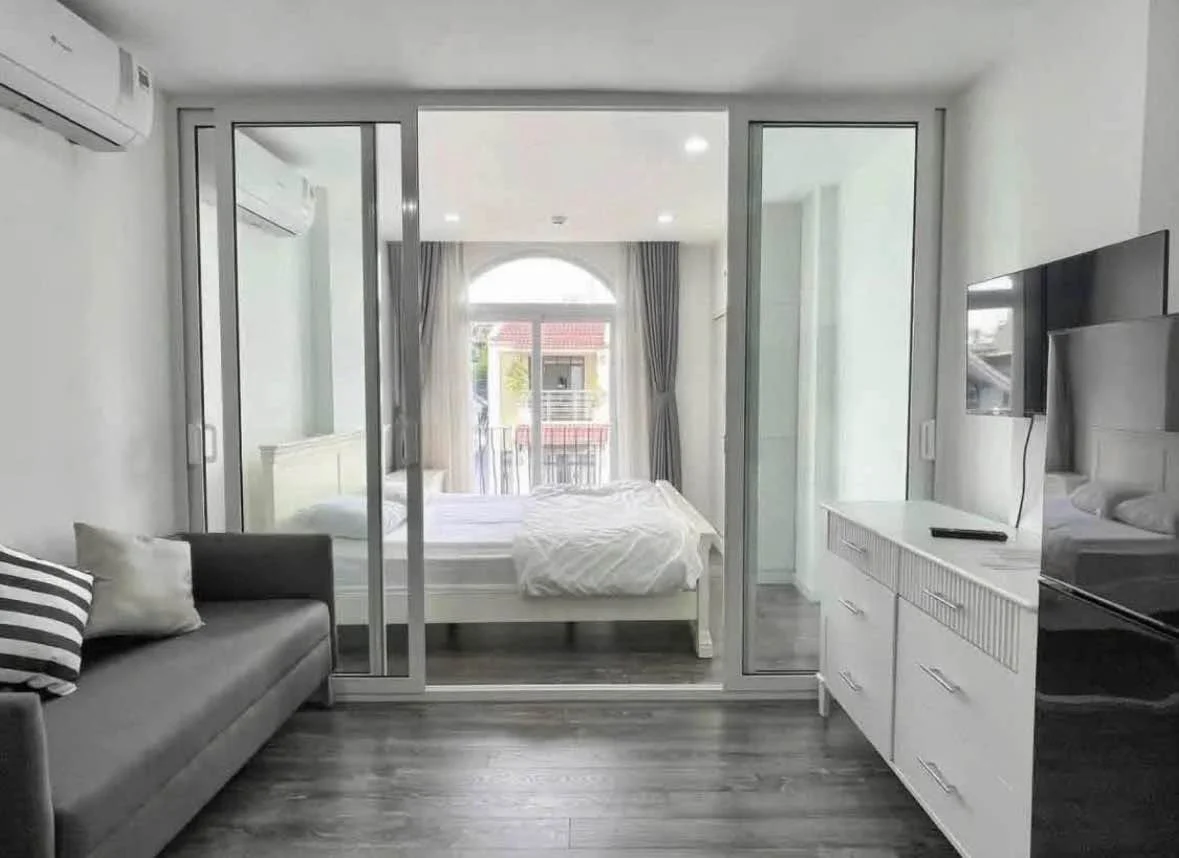
Temporary residence registration for foreigners (khai báo tạm trú) is a legal requirement in Vietnam, and it applies to everyone staying in the country, including those renting serviced apartments. It is not the same as a visa or Temporary Residence Card (TRC), but it complements them by recording your actual address with the local police.
What the Law Says
Under Vietnam visa and residence rules, all foreigners must register their temporary residence with the police in the ward or commune where they live. This is typically done within 24 hours of arrival or moving into a new place, though the exact deadline can vary and should be confirmed with your landlord or local authority. For expats in serviced apartments, the building management or landlord often handles the registration on your behalf, but you should always confirm this before signing a lease.
Risks of Skipping Registration
Failing to register can lead to fines for both you and your landlord, and it may complicate visa extensions or TRC renewals. Without proper registration, you might also face difficulties opening a bank account, signing a long-term lease, or completing other administrative tasks that require proof of address. These issues can disrupt your stay and create unnecessary stress.
On the other hand, registering your stay in Vietnam provides legal security and peace of mind. It makes paperwork smoother for visa applications and gives your employer and landlord confidence that you are complying with local regulations. For those renting a serviced apartment in Saigon, many properties include registration as part of their service, but it is always wise to ask.
When browsing expat housing in Ho Chi Minh City, consider how each landlord handles registration. For example, this serviced apartment in Thao Dien is typical of buildings where management assists with the process:

Căn hộ dịch vụ 2 phòng ngủ mới tinh có hồ bơi trên đường Tống Hữu Định, Thảo Điền, Quận 2, TP.HCM
Liên hệ để biết giá
- 110 m²
- 2 PN
- 2 WC
- Thảo Điền, Quận 2, TP. Hồ Chí Minh
Always verify landlord registration obligations Vietnam before committing, as practices can differ between buildings and districts.
Key Documents You Need for Registration
The paperwork for temporary residence registration for foreigners is straightforward, but it pays to prepare it before you move in. Most serviced apartment operators in Saigon collect copies during check-in, so having everything ready shortens the process considerably.
For Individuals
In most wards, a single tenant will typically be asked for the following. Requirements can vary slightly between district and ward police, so treat this as a general checklist rather than a fixed rule.
- Passport with a valid visa, visa exemption stamp or Temporary Residence Card (TRC), plus copies of the photo page and the most recent entry stamp.
- Rental contract or a confirmation letter from the serviced apartment operator showing your name, unit and rental period.
- Landlord or operator documents, usually a copy of the landlord's ID and the property papers or business registration for the building.
- Completed registration form, which the building's front desk or management office often prepares on your behalf.
Because serviced apartments handle this routinely, the building usually keeps these copies on file and submits them for each new guest. Confirm at booking that registration is included, especially in newer buildings in areas like Thao Dien or Binh Thanh where many expats settle.
For Families or Groups
When a spouse, children or colleagues share one unit, each person needs their own passport and visa or TRC copies, and the rental contract should list all occupants. Some wards ask for proof of relationship for family members, such as a marriage or birth certificate, so carry copies if relevant.
Keep both digital scans and physical copies of every document. Digital files help when a landlord or ward office requests a re-submission, while physical copies are still commonly expected at the counter.
Step-by-Step: How Registration Works in a Serviced Apartment
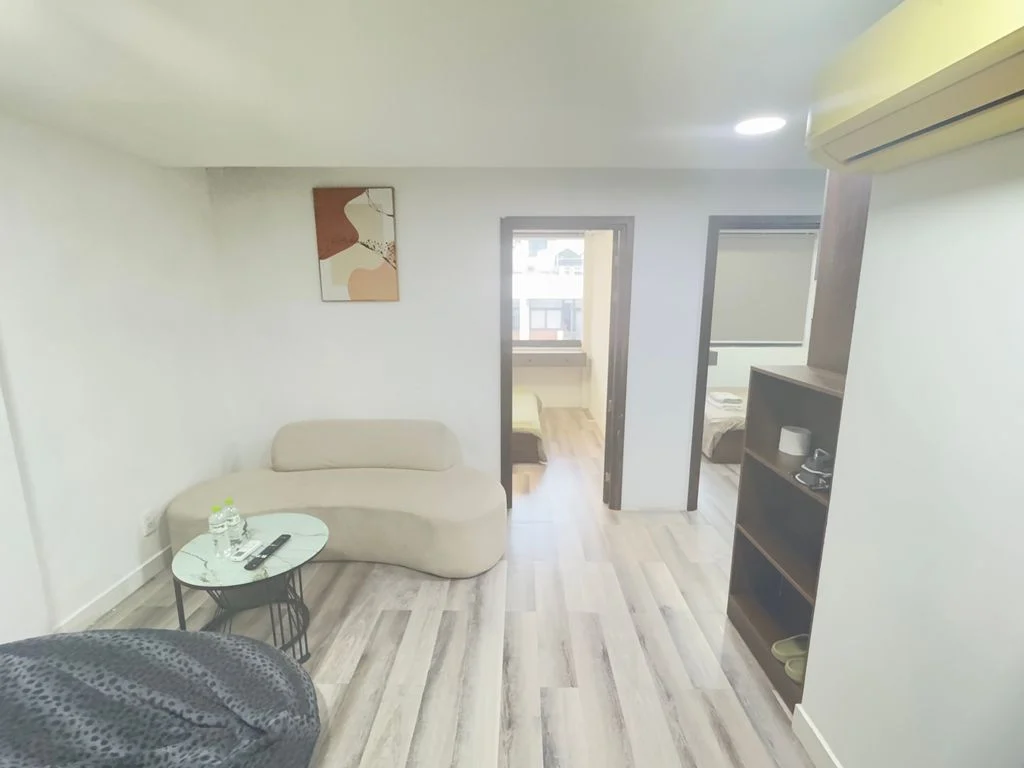
In most serviced apartment rental in Saigon, the operator handles the filing on your behalf, but you still play a part. The process below reflects how things typically work; confirm the specifics with your building before you book.
What You Need to Do
- Confirm before booking. Ask whether the serviced apartment handles temporary residence registration for foreigners and whether it is included in the rent. Get this in writing, such as in the booking confirmation email.
- Provide documents at check-in. Hand over copies of your passport (photo page and visa or TRC) and your entry stamp. Some buildings also ask for a completed registration form.
- Be available if requested. Occasionally the local police may ask to see you in person or request extra information, such as your purpose of stay or employer details.
- Collect your confirmation. Ask for the registration slip or a screenshot of the online submission once it is done.
- Keep it with your passport. Carry a copy or photo on your phone, since it may be checked during travel or at your next visa appointment.
What Your Landlord Does
The landlord or building management submits your details to the local police, usually through the ward-level system. Many operators now use online registration systems where available, which can speed things up. Timing is often within 24 hours of arrival, but it can vary by ward and workload.
Note that even short stays under 30 days must be registered; hotels and serviced apartments are expected to file for guests. If you are weighing options, a professionally managed building in Thao Dien is a good example of where this process is usually routine.
Căn hộ dịch vụ 1 phòng ngủ có ban công, đầy đủ nội thất tại Thảo Điền, Quận 2, TP.HCM
Liên hệ để biết giá
- 59 m²
- 1 PN
- 1 WC
- Thảo Điền, Quận 2, TP. Hồ Chí Minh
Whichever building you choose, treat the registration slip as part of your essential paperwork alongside your passport and visa.
Landlord and Tenant Responsibilities
In Vietnam, the accommodation provider is legally responsible for registering foreign guests with the local police. For expats, this means the serviced apartment operator should handle the temporary residence registration for foreigners on your behalf. However, tenants also have duties to ensure the process runs smoothly. Clear division of responsibilities helps avoid fines or visa complications.
What the Landlord Must Do
The landlord or serviced apartment management must collect your passport and visa details, submit the registration to the local police within the required timeframe (typically 24 hours of your arrival, though this can vary), and provide you with a copy of the registration confirmation. They must also update the registration if your stay is extended or if you change rooms. Reputable operators in Ho Chi Minh City, such as those offering serviced apartment rental in Saigon, usually have a dedicated team for this.
What You Must Do
As a tenant, you must provide accurate and complete documents (passport with valid visa or TRC, and entry stamp) and inform the landlord immediately of any changes: a new passport, visa extension, or extended stay. Keep copies of your registration confirmation with your passport. If you plan to travel and return, notify the landlord so they can update your status if needed.
| Responsibility | Landlord | Tenant |
|---|---|---|
| Submit registration to local police | Yes | No |
| Provide accurate personal documents | No | Yes |
| Notify changes (passport, visa, stay) | No | Yes |
| Keep registration confirmation on file | Yes | Recommended |
| Update registration after changes | Yes | Request update |
If a landlord refuses or delays registration, remind them of their legal obligation under Vietnam visa and residence rules. If they still do not comply, contact the local police or immigration office for advice. When choosing expat housing in Ho Chi Minh City, ask upfront how they handle temporary residence registration and look for operators with a clear process and good reviews.
Common Mistakes to Avoid

Most problems with temporary residence registration for foreigners come from small oversights rather than bad intentions. Avoiding the following mistakes will save you time at the police station and prevent complications later with your visa or TRC.
Booking before confirming registration is included
Not every serviced apartment rental in Saigon includes registration in the quoted rate. Ask before you sign or pay a deposit whether the operator submits your details to the local police, and get that commitment in writing. A cheap unit that leaves the paperwork to you can cost more in time and stress.
Giving incorrect or expired visa details
Your registration must match your passport and current visa or TRC exactly. Check that your visa expiry date, entry stamp and passport number are correct on the form the landlord prepares; small typos are a common cause of rejected submissions.
Assuming registration happens automatically
Even reputable operators can forget to file. Follow up a few days after check-in and ask for the confirmation rather than waiting for a problem to appear.
Forgetting to update when you move
Each new serviced apartment requires a fresh registration. Leaving an old address on file while living elsewhere creates a mismatch that can surface during visa renewals or police checks.
Losing the registration slip and skipping licensed operators
Keep a photo of the slip with your passport at all times. Also avoid unlicensed buildings that skip paperwork entirely; under Vietnam visa and residence rules, that gap is your risk, not theirs.
How Registration Affects Your Visa and Long-Term Stay
Temporary residence registration for foreigners is not just a one-off formality; it creates a record that immigration authorities may review when you apply for a visa extension or a Temporary Residence Card (TRC). A consistent registration history shows you have complied with Vietnam visa and residence rules, which can support your application.
Why a Clean Registration History Matters
When you extend your visa or apply for a TRC, authorities may check whether your registered address matches your actual residence. Gaps or mismatches can raise questions, potentially leading to delays or requests for additional documentation. Keeping your registration up to date at every address helps demonstrate good faith compliance.
Moving Frequently? Register Each Address
If you change accommodations often, ensure each new address is registered promptly. Serviced apartments typically provide proper lease contracts and handle registration, unlike some short-term rentals that may avoid paperwork. This makes them a safer choice for expat housing in Ho Chi Minh City, especially for those on extended stays.
Advice for Digital Nomads and Frequent Movers
For digital nomads or anyone moving regularly, choose serviced apartments that explicitly include registration in the rental agreement. Keep copies of all registration confirmations and ensure your landlord submits updates each time you move. This habit not only keeps you compliant but also simplifies future visa or TRC applications.
Remember that registration requirements and immigration procedures can change, so always verify current rules with your landlord or a qualified professional.
Summary: Stay Compliant with Temporary Residence Registration
Temporary residence registration for foreigners is a mandatory but straightforward process when renting a serviced apartment. By confirming that your landlord handles registration, providing the required documents, and keeping your registration slip with your passport, you can avoid fines and support future visa or TRC applications. Remember that registration is distinct from your visa but complementary to it, and consistent registration history is beneficial for long-term stays.
Ready to find a serviced apartment that takes care of registration for you? Browse our listings of licensed serviced apartments in Vietnam today.
Frequently asked questions
Do I need to register my temporary residence if I stay in a serviced apartment for only two weeks?
Yes, all foreigners staying in Vietnam must register their temporary residence, regardless of the length of stay. This includes short stays in serviced apartments. The registration is typically handled by the apartment operator, but you should confirm this with them upon booking. Failure to register can result in fines, so ensure it is done even for a two-week stay.
Can my landlord register me online, or do we need to go to the police station?
In many areas, landlords can register guests online through the local police's immigration portal, but procedures vary. Some police stations may require in-person submission. Your serviced apartment operator will know the local requirements and handle the process. You typically need to provide your passport and visa details, and the landlord will submit them. Always confirm that registration has been completed.
What happens if I don't register my temporary residence?
If you do not register your temporary residence, you may face fines for both you and your landlord. Additionally, failure to register can cause problems with visa extensions or TRC applications, as immigration authorities check your registration history. It is a legal requirement, so ensure your serviced apartment operator registers you promptly to avoid penalties and future complications.
Is temporary residence registration the same as a visa?
No, temporary residence registration is not the same as a visa. A visa allows you to enter Vietnam, while temporary residence registration is a separate requirement to declare your address to local authorities. Registration is complementary to your visa and is mandatory for all foreigners staying in Vietnam, including those in serviced apartments. It helps authorities track your whereabouts.
How long does temporary residence registration take in Ho Chi Minh City?
In Ho Chi Minh City, temporary residence registration is usually completed within 1-3 working days after the landlord submits the required documents. However, processing times can vary depending on the local police station's workload. Your serviced apartment operator should inform you when it is done. Keep the registration confirmation with your passport for reference.