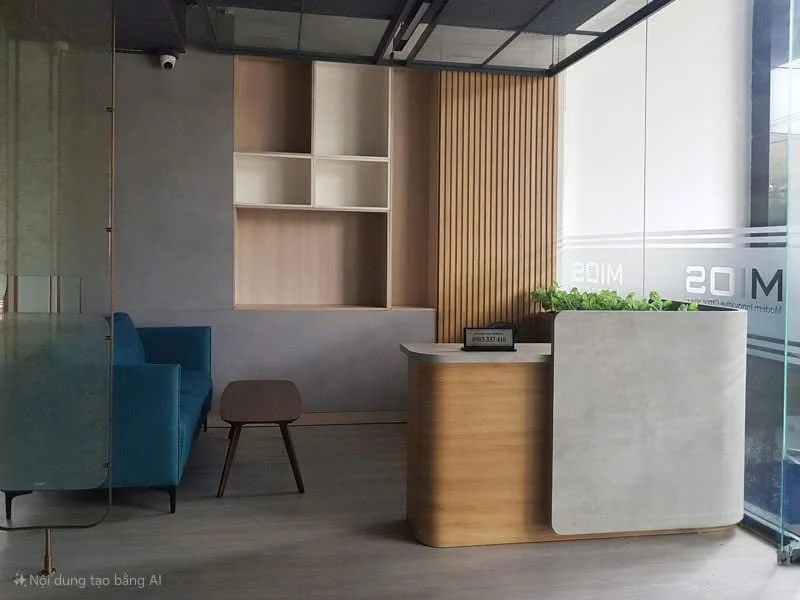
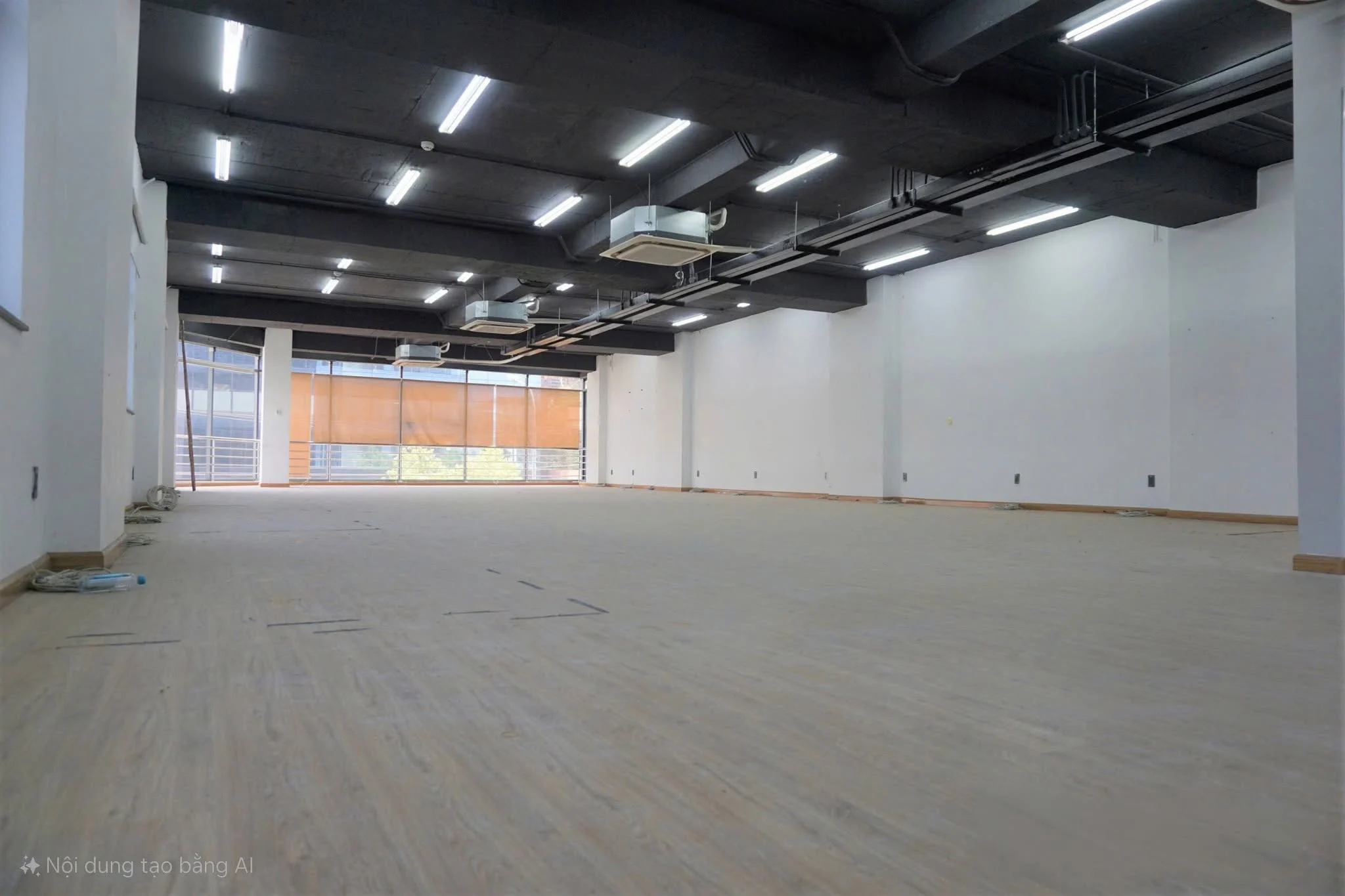
Rent an Office in Saigon: Does Feng Shui Matter?
Bài viết này chưa được dịch sang ngôn ngữ này.

When searching for an office for rent in Saigon feng shui considerations often come into play, as many Vietnamese landlords and businesses believe that a well-chosen space can bring prosperity and harmony. While feng shui is not a legal requirement, understanding its role can help expats and international companies navigate the local market and make informed decisions. This article explains how feng shui influences office rentals in Ho Chi Minh City and how to balance it with practical needs.
Understanding Feng Shui in Vietnamese Office Culture

Feng shui is woven into everyday business life in Vietnam, and Ho Chi Minh City is no exception. Many local landlords, owners and managers treat it as one of the practical criteria for evaluating an office, alongside rent, location and building quality. For foreign tenants, understanding this mindset helps explain why some spaces are marketed with particular emphasis on orientation, entrance position or floor level.
Why Feng Shui Matters to Many Vietnamese Businesses
Common beliefs centre on the main entrance, the direction the building faces, the placement of the reception desk and the managing director's desk, and the flow of light and air through the space. A unit with a blocked entrance, an awkward corridor or a desk facing a wall may be seen as unfavourable, regardless of how competitive the rent is. Some companies also consider the floor number, the view and the position of toilets or staircases relative to the front door.
These views are not universal or fixed, and interpretations vary between consultants, families and regions. Treat any specific rule you hear as a common practice to verify rather than a guaranteed standard, since customs differ and advice can change from one feng shui master to another.
How Expats and International Companies View Feng Shui
Most international tenants approach feng shui as one input among many. They weigh it against commute times, building grade, power backup, parking, nearby amenities and the terms of the lease. Some firms adopt a few simple adjustments, such as a clear reception area and good natural light, while others treat it as a local relationship and negotiation matter rather than a design constraint.
In practice, most office searches in Saigon blend both perspectives. A space that feels welcoming and functions well usually satisfies practical needs and the most common feng shui expectations at the same time, which makes the conversation easier with landlords and local staff.
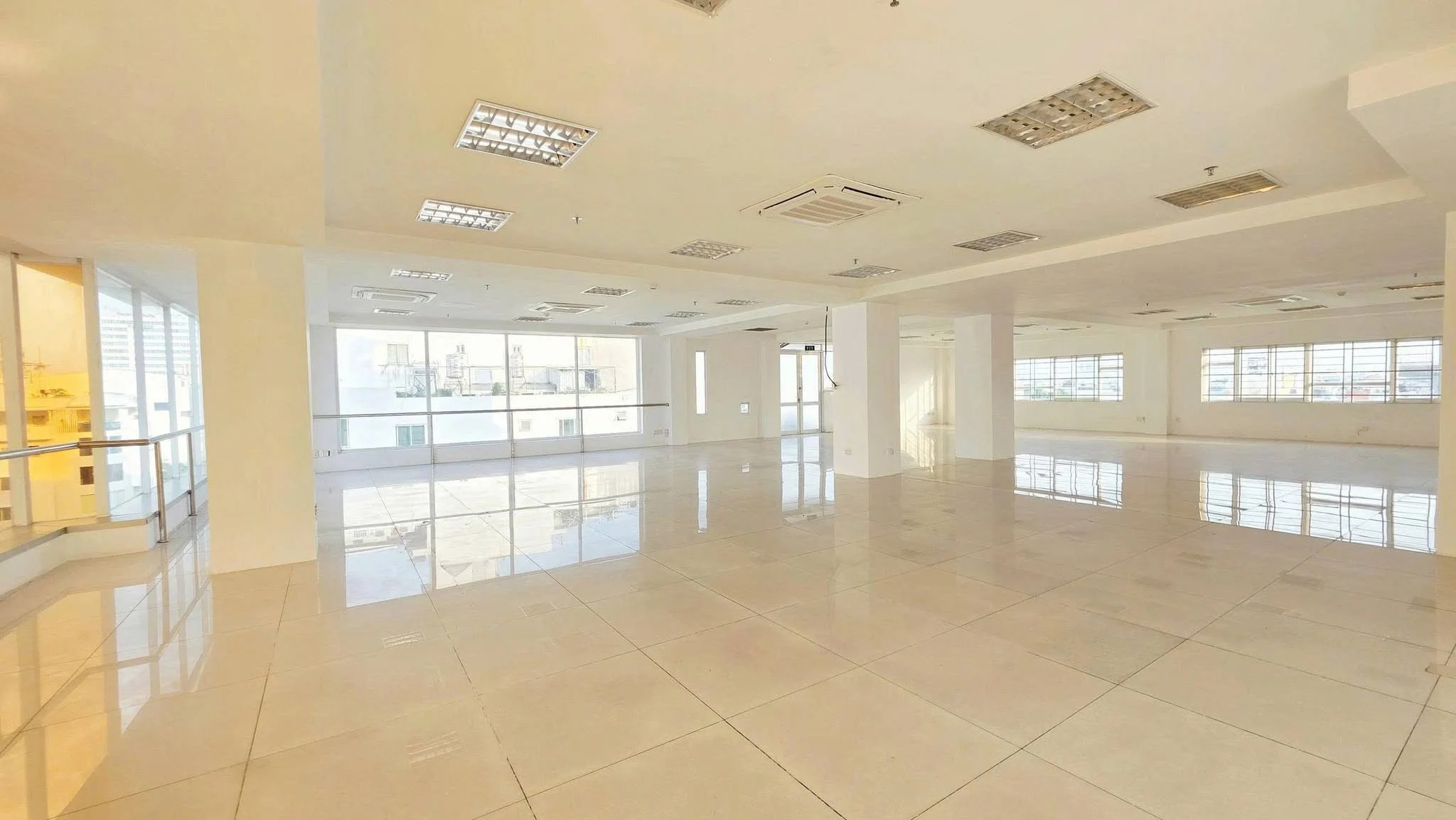
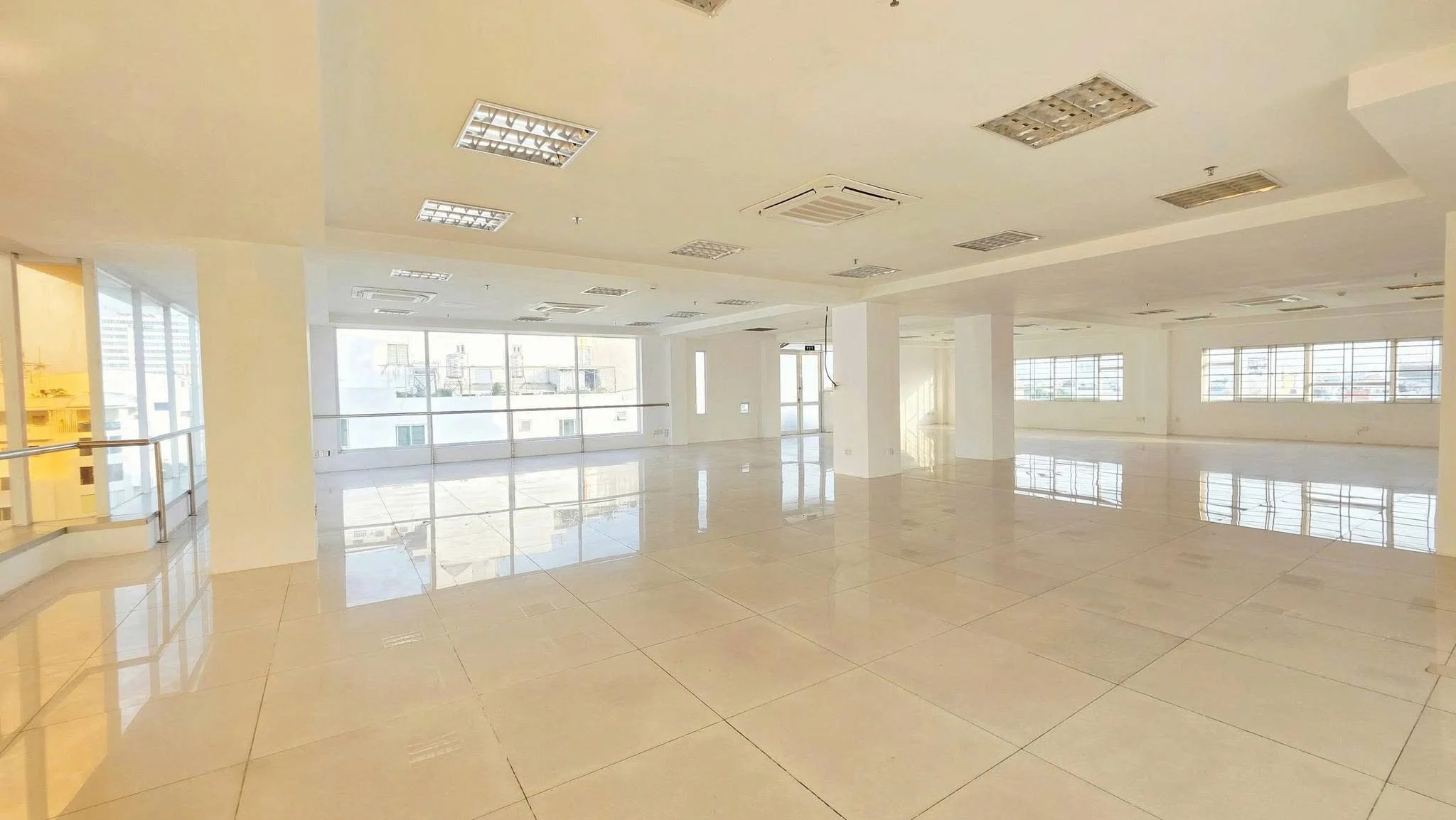
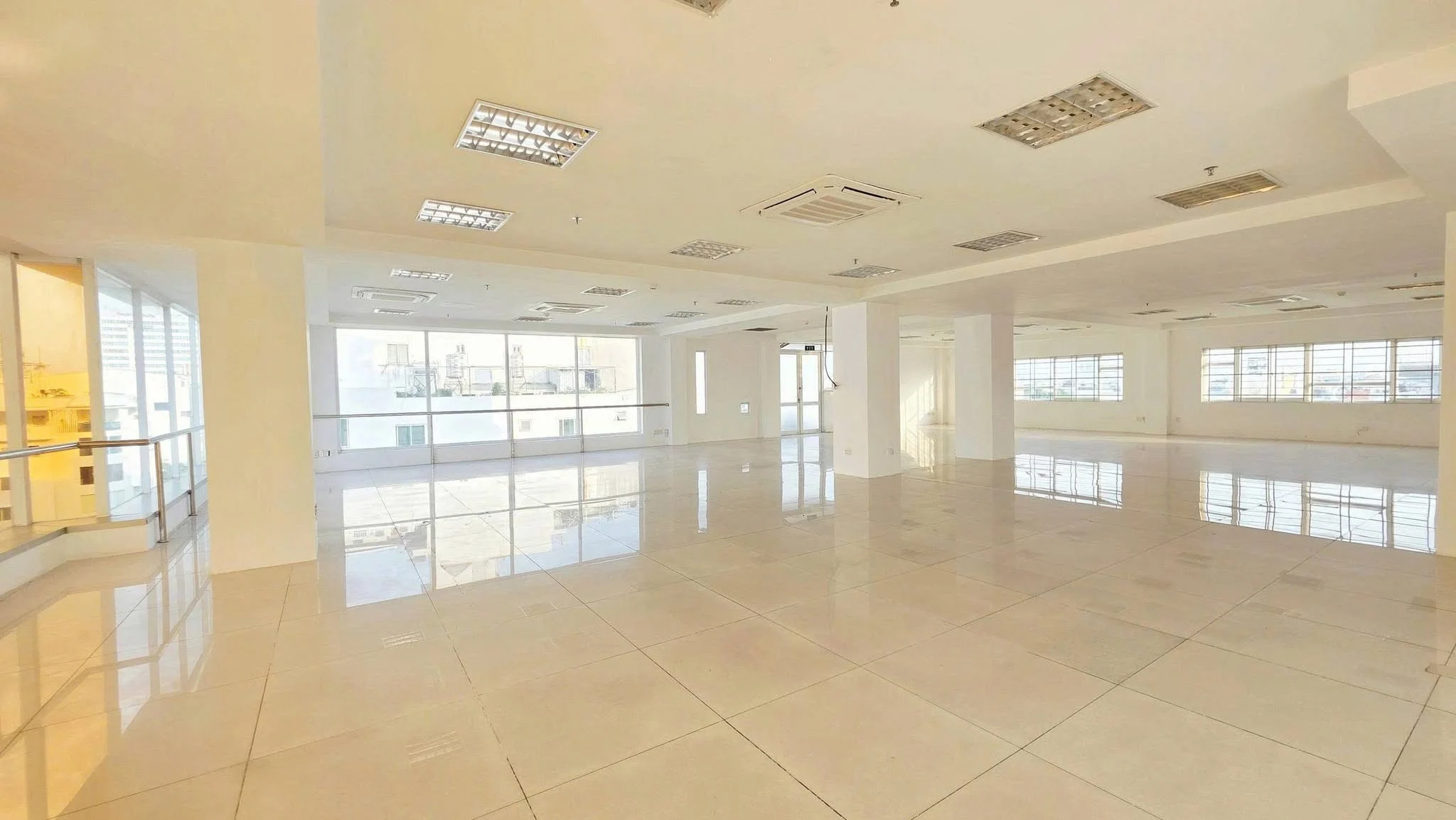
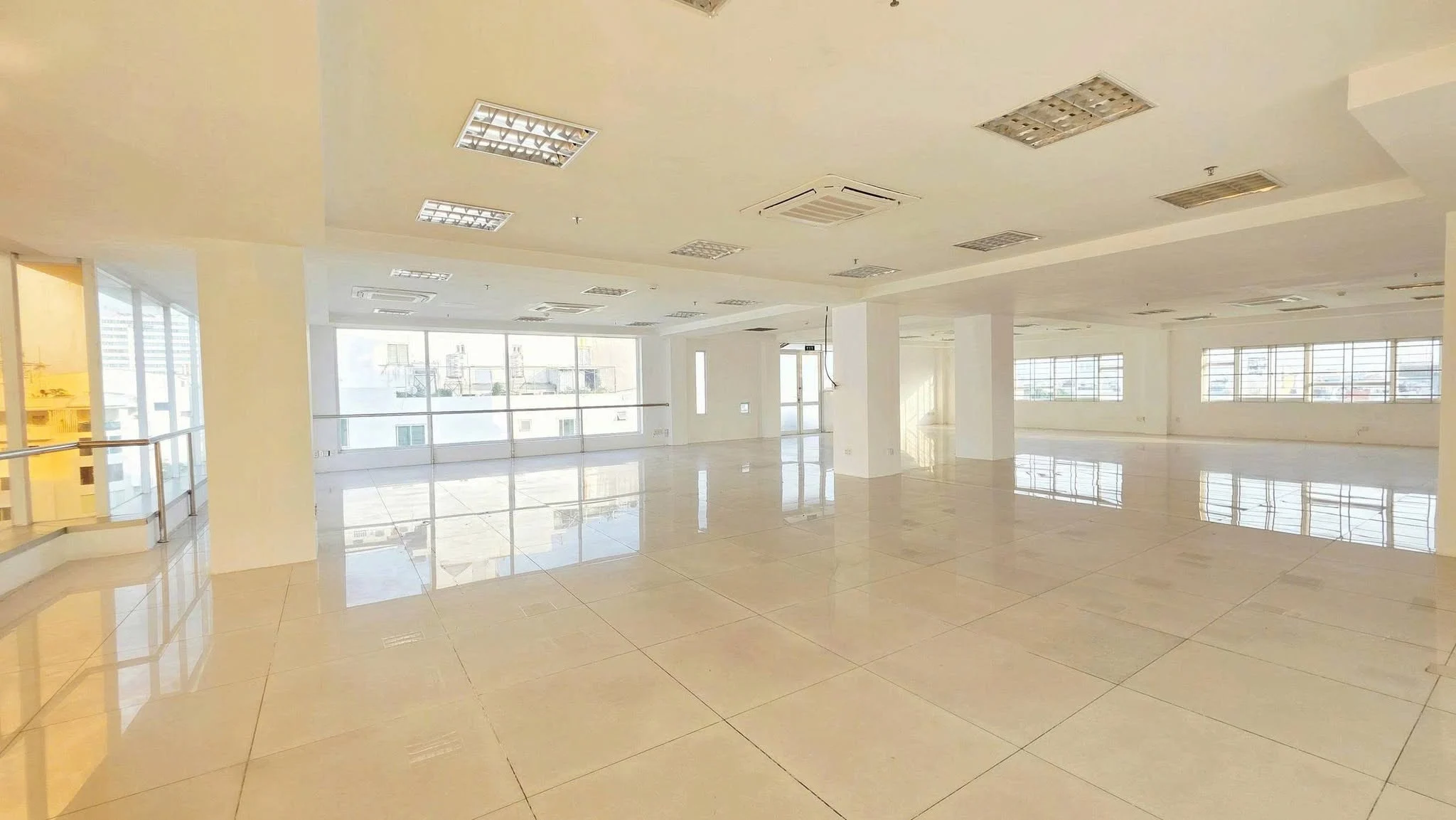
A typical example is a mid-sized floor in Binh Thanh, where location and layout can be assessed together with the entrance and desk placement.
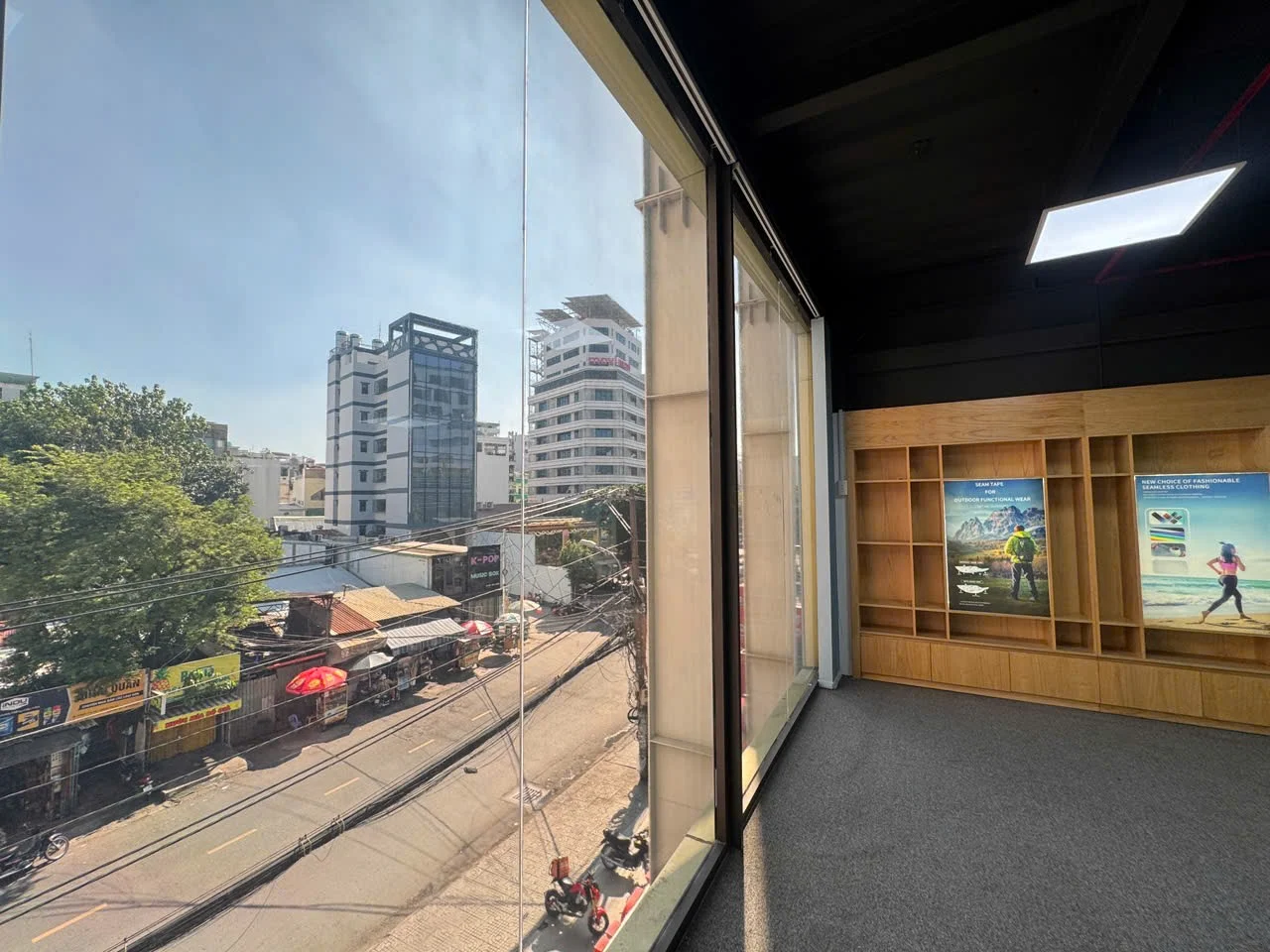
Văn phòng 110 m2 trên đường Ung Văn Khiêm, Bình Thạnh, TP.HCM
Liên hệ để biết giá
- 110 m²
- Thạnh Mỹ Tây, Bình Thạnh, TP. Hồ Chí Minh
Key Feng Shui Considerations for Office Rentals in Saigon
When businesses compare an office for rent in Saigon feng shui considerations usually come down to a handful of factors that are easy to check during a viewing. Treat these as cultural preferences rather than guarantees — many Vietnamese landlords and local staff will weigh them, and international tenants often use them as a tiebreaker between otherwise similar spaces.
Building Orientation and Entrance
Orientation is often the first thing a feng shui adviser will ask about, since it cannot be changed once you sign. Some companies favour a particular compass direction based on the owner's birth year or the business type, and they may ask for a floor plan with north indicated before shortlisting. The main entrance matters too: a clear, unobstructed doorway facing a busy road or a sharp corner is typically viewed less favourably than a sheltered entrance with a visible reception area.
These are fixed features of the building. If the orientation is wrong for a particular decision-maker, interior adjustments — a screen behind the reception desk, plants, lighting, a relocated reception — are sometimes used to soften the concern.
Floor Level and Layout
Floor level is a common talking point. Ground-floor or low-floor units are often preferred by businesses that receive walk-in visitors, while higher floors are sometimes chosen for privacy and a better view. Desk placement is more flexible: many local teams avoid seating staff with their backs to the door or directly under a heavy beam, and a reception desk positioned to see the entrance is a recurring request.
Layout issues such as a long narrow corridor or an awkward pillar can often be resolved with partitions and furniture, which makes them easier to negotiate than orientation.
Surrounding Environment
The view from the window counts. A unit overlooking a park, river or open skyline is generally seen as more pleasant than one facing a construction site, a power substation or the sharp edge of a neighbouring tower. Busy junctions and T-junctions are also noted, and some tenants prefer a quieter side street in Thao Dien or Phu Nhuan over a main road in District 1 for this reason.
Surroundings cannot be altered, so they are best assessed on site at different times of day. A practical example of a quieter, low-rise setting is this ground-floor option:

Văn phòng tầng trệt 20m² tại An Phát Center, TP.HCM
8 triệu VND / tháng
- 20 m²
- An Phat Center, An Khánh, TP. Hồ Chí Minh
Use these points as part of your office leasing tips checklist, alongside rent, lease term and fit-out costs, rather than as a substitute for them.
Balancing Feng Shui with Practical Office Needs

When you rent an office for rent in Saigon feng shui should be one input among many, not the deciding factor. Most businesses start with location, budget, size and amenities, then see whether a shortlisted space can be adjusted to respect feng shui preferences. That order keeps the search grounded while still acknowledging local customs.
Creating a Checklist: Feng Shui vs. Practicality
Use a simple table to compare both sides before viewing spaces. Rate each factor as essential, nice-to-have or not important for your business. This makes trade-offs visible and helps you explain priorities to agents.
| Feng Shui Factor | Practical Factor |
|---|---|
| Main entrance orientation and clear approach | Commute time for staff, proximity to clients and metro or bus links |
| Floor level and layout (e.g., reception placement) | Usable area, meeting rooms, natural light and expansion space |
| Surrounding environment (avoiding sharp corners or heavy construction) | Neighbourhood amenities, security, parking and food options |
| Building reputation and landlord attitude | Rent, service charges, lease terms and fit-out allowance |
Tips for Finding a Balanced Office Space
Compromise is usually possible. If a space has a less ideal entrance, interior adjustments such as a screen, plants or lighting can soften the issue without structural changes. Prioritise fixed feng shui elements you cannot change, like building orientation, and be flexible on details you can redesign.
Look for buildings that already incorporate good feng shui elements — a clean, unobstructed lobby or a sensible lift lobby layout — while still meeting your budget and size needs. Many landlords and agents in Saigon are familiar with feng shui preferences and can point you to floors or units that suit both sides. Ask early in the process; it saves time and shows respect for local office rental Vietnam norms.
Common Feng Shui Mistakes to Avoid When Renting an Office
Many businesses searching for an office for rent in Saigon feng shui focus on the floor plan and rent per square metre but overlook details that are hard to change later. Avoiding these common mistakes early saves both money and awkward conversations with staff and partners.
Typical mistakes
- Ignoring the entrance. A cramped lobby, a door facing a stairwell or lift bank, or an entrance blocked by neighbouring signage is a classic concern in business feng shui — and also a practical wayfinding problem for clients.
- Choosing a unit with poor natural light. Dark, inward-facing floors can feel draining and are harder to lease out later.
- Overlooking the surroundings. A unit beside a construction site, a busy loading bay or facing another tall building may raise feng shui objections and real noise or privacy issues.
- Assuming interior design can fix everything. Partitions and screens help, but orientation and entrance position are fixed.
How to avoid them
During viewings, stand at the main door and look outward, check daylight at different times of day, and walk the immediate neighbourhood. Ask the landlord or agent directly about upcoming construction or changes to shared areas. Keep a short checklist and compare units side by side.
If feng shui is a genuine priority for your team or local partners, bring in a qualified feng shui consultant before signing. Their input on layout and orientation is far cheaper than relocating later, and it complements the practical office leasing tips your agent provides.
How to Incorporate Feng Shui into Your Office Search

Feng shui does not have to complicate your search for an office for rent in Saigon feng shui considerations can be built into the process from day one. A structured approach keeps the shortlist practical while respecting local business culture.
Step 1: Define Your Priorities
Before viewing anything, agree internally on which feng shui elements are non-negotiable and which are nice to have. Entrance position, building orientation and natural light are usually fixed, so rank them alongside budget, size and location.
Step 2: Decide Whether to Consult a Feng Shui Master
Many Vietnamese companies invite a feng shui consultant to review a shortlist before signing. If your leadership values this, engage a consultant early so their criteria can shape the brief rather than delay a decision later.
Step 3: Brief Your Agent Clearly
Share your feng shui preferences openly with your leasing agent. Experienced agents in Saigon can often provide insights into a building's reputation and feng shui history, including how previous tenants fared and how the landlord views layout changes.
Step 4: Evaluate Shortlisted Options
Visit at different times of day to assess light, airflow and the approach to the entrance. Note fixed features you cannot change, and flag anything that conflicts with your priorities for discussion with a consultant.
Step 5: Plan Interior Adjustments
For flexible elements, sketch a feng shui office layout early, covering reception placement, desk orientation and partitions. Confirm with the landlord what alterations are permitted under the lease.
Independent feng shui consultants can also assess specific offices for a fee, which is often worthwhile before committing to a longer office lease in Vietnam.
Feng Shui and Office Lease Negotiations
Feng shui rarely decides a lease on its own, but it can shape how you negotiate. If a unit is close to ideal but has a feature you would like to adjust — a partition, a doorway, the placement of a reception desk — raise it during negotiations rather than after signing. Landlords in Saigon are often open to such requests when they understand that feng shui matters to your team, especially in a competitive office rental market in Vietnam.
What to Put on the Table
- Ask for permission to make minor layout changes, such as adding or removing partitions or adjusting lighting.
- Request a different unit on another floor or with a different entrance if orientation is a dealbreaker.
- Clarify who pays for modifications and whether the space must be restored at the end of the term.
Negotiating Without Losing Ground
Keep feng shui requests separate from commercial terms so one does not weaken the other. Be specific about what you want and why, and put agreed modifications in writing. A lease can include clauses covering permitted alterations for feng shui purposes, restoration obligations and approval timelines; wording varies, so have any agreement checked by a local legal adviser. Used sensibly, business feng shui becomes one more item on your office leasing tips checklist — not a reason to accept a poor deal.
Conclusion
Feng shui plays a significant role in Vietnamese business culture, and for many landlords and local partners, it is an important factor when choosing an office space. While expats and international companies may not share these beliefs, being aware of key feng shui considerations can facilitate smoother negotiations and foster better relationships. By balancing cultural preferences with practical requirements, you can find an office that supports your business goals and respects local customs.
Ready to start your search? Browse our listings of office spaces for rent in Saigon and find a property that meets both your practical and cultural needs.
Frequently asked questions
Is feng shui really important when renting an office in Saigon?
Feng shui is important to many Vietnamese landlords and businesses, as it is believed to affect prosperity and harmony. While not a legal requirement, considering feng shui can ease negotiations and show respect for local culture. Expats may weigh it alongside practical factors like location and price, but it is not mandatory for a successful rental.
How can I find an office for rent in Saigon that has good feng shui?
Start by defining your priorities and consulting a feng shui expert if desired. Brief local agents on your preferences, and evaluate shortlisted offices for factors like entrance orientation and layout. Many landlords are open to adjustments, so discuss possibilities during viewings. Working with experienced agents can help you identify spaces that align with feng shui principles.
What are the most important feng shui factors for an office?
Key factors include the building's orientation and entrance, floor level, layout, and surrounding environment. The entrance is considered the mouth of chi, so a clear, welcoming entrance is preferred. Orientation and surrounding features are often fixed, while layout and interior design can be adjusted. These factors are cultural preferences rather than strict rules.
Can I make feng shui adjustments to a rented office?
Yes, many adjustments can be made through interior design, such as furniture placement, lighting, and decor. However, fixed features like building orientation or entrance location cannot be changed. Discuss any planned modifications with your landlord and ensure they are permitted in the lease agreement. Some landlords may be open to minor changes to improve feng shui.
Should I consult a feng shui expert before signing an office lease?
Consulting a feng shui expert is optional but can be beneficial if you want to ensure the space aligns with your business goals. An expert can assess the office and suggest adjustments. However, it's essential to balance their advice with practical and commercial considerations. Many businesses proceed without expert consultation and still thrive.