Serviced Apartments for Japanese Expats in Ho Chi Minh City

Finding well-equipped serviced apartments for Japanese in Ho Chi Minh City starts with understanding which districts, building features and lease terms best match Japanese living standards. This guide explains where Japanese expats typically rent, what amenities to prioritise and how the rental process works from inquiry to move-in. It is written for expats and companies arranging housing in Vietnam who want a clear, reliable overview before committing to a lease.
Why Japanese Expats Choose Serviced Apartments in Ho Chi Minh City
Ho Chi Minh City has become one of the most active destinations for Japanese companies in Southeast Asia, with manufacturing, trading, logistics and service firms steadily expanding their local teams. Alongside the business community, the demand for quality housing has grown, and many Japanese professionals arrive on assignments of a year or more, often with family. For these tenants, serviced apartments for Japanese in Ho Chi Minh City offer a practical bridge between a hotel and a private long-term home.
A serviced apartment differs from a standard rental in several important ways. Units come fully furnished with housekeeping, reception, security and maintenance handled by the building, and leases are usually more flexible than those for unfurnished apartments. This hotel-like service model suits newcomers who have not yet shipped belongings or decided on a neighbourhood.
Key Benefits for Japanese Tenants
Most Japanese tenants prioritise cleanliness, reliable security, a bathtub and support in Japanese when choosing a home. Buildings that understand these expectations, and that can communicate in Japanese or through an English-speaking agent, reduce stress considerably during the first months.
- Fully furnished units ready to move in, often with a bathtub and separate wet areas
- Housekeeping, maintenance and reception services included in the rental
- 24-hour security, CCTV and controlled access in most serviced buildings
- Flexible lease terms and clearer utility arrangements than many private rentals
- Japanese-speaking support or agents familiar with Japanese tenant requirements
- Central locations near offices, international schools and Japanese restaurants
Long-Term Stay Preferences
While some arrivals begin with a short stay, the majority of Japanese expats settle into long-term serviced apartments in Ho Chi Minh City for a year or more. Long-term tenants value stable management, a consistent standard of service and a neighbourhood they can get to know. Serviced apartment operators often adjust rates and services for annual contracts, which makes budgeting easier for both individuals and companies.
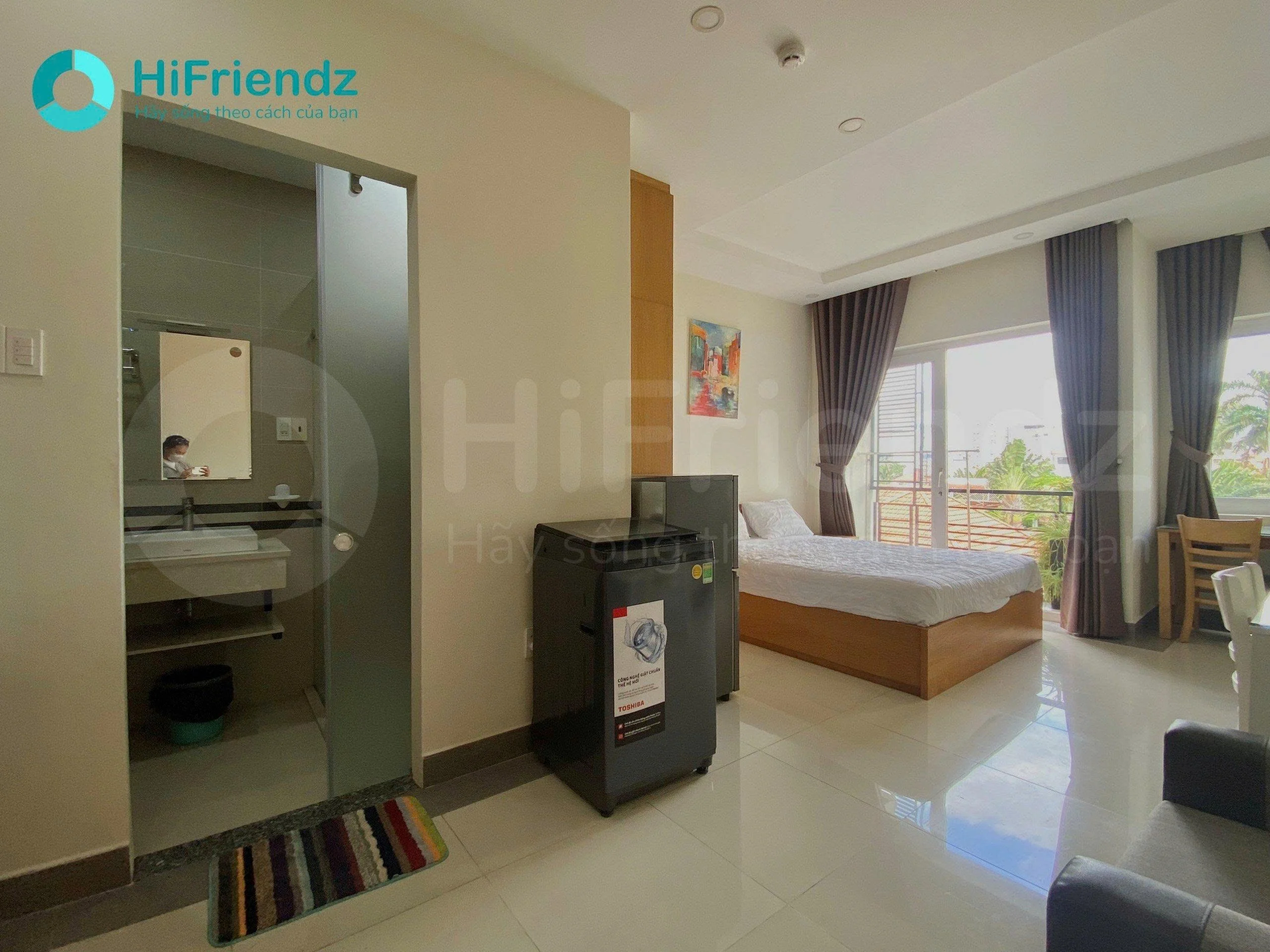
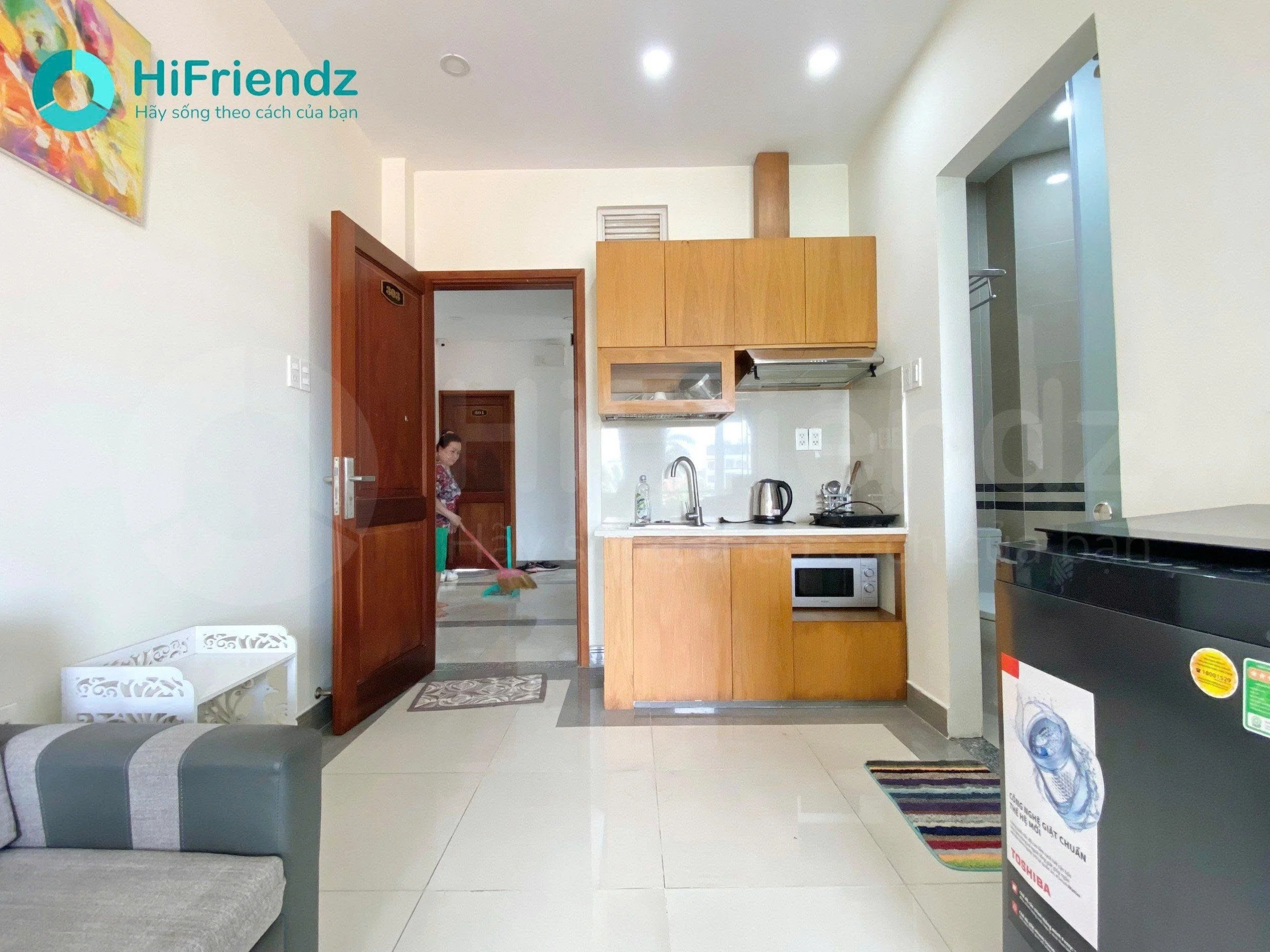
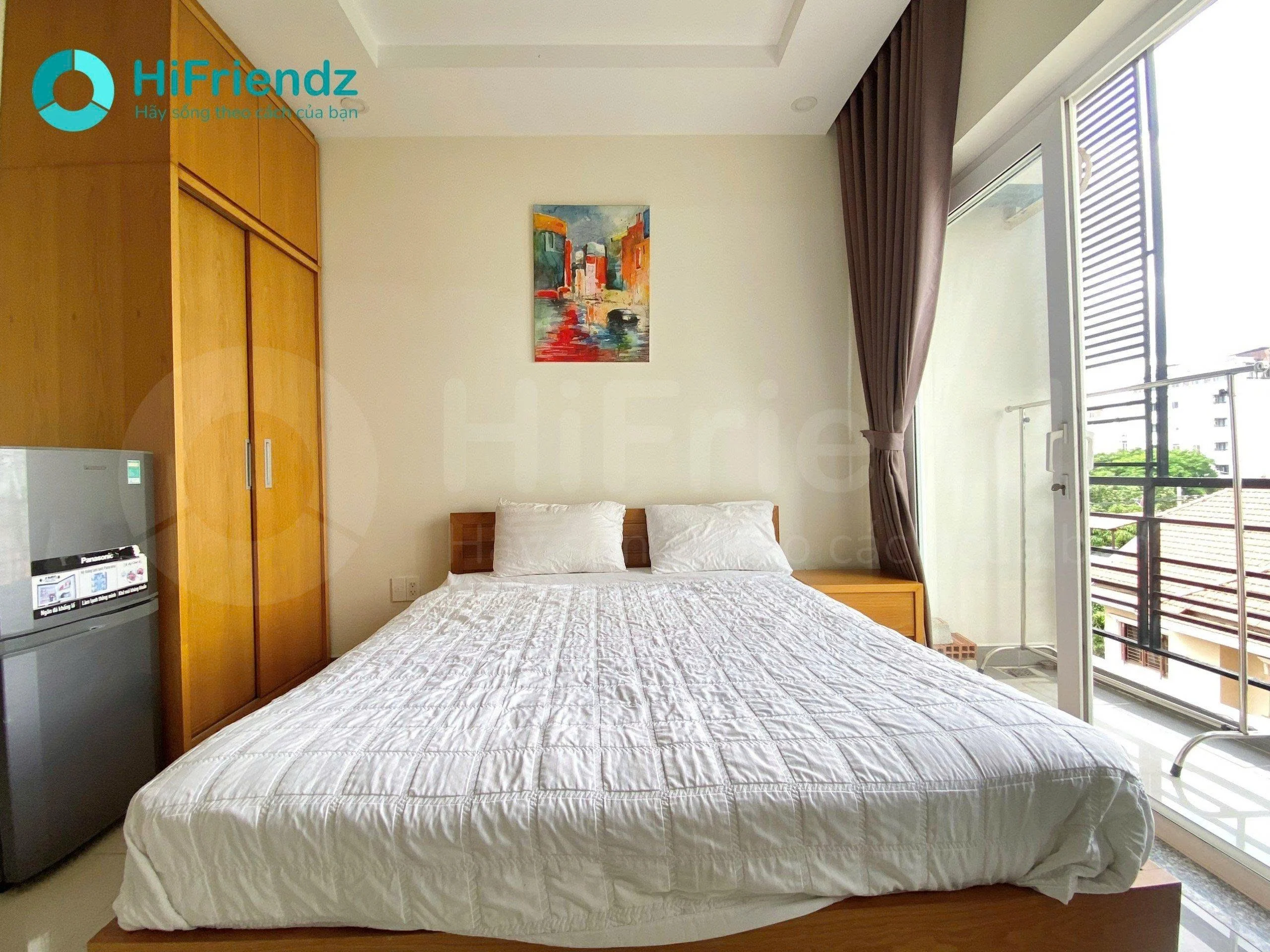
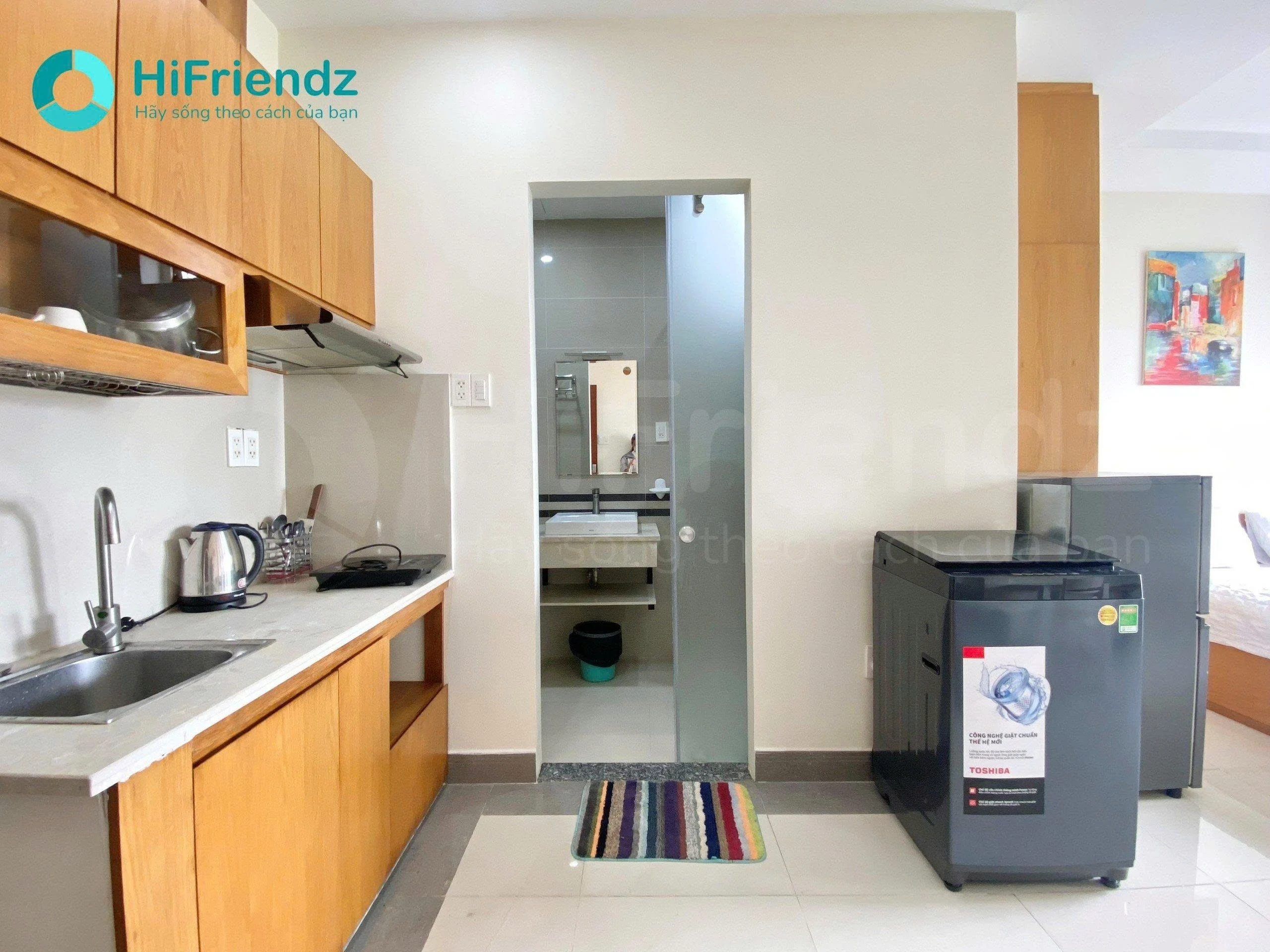
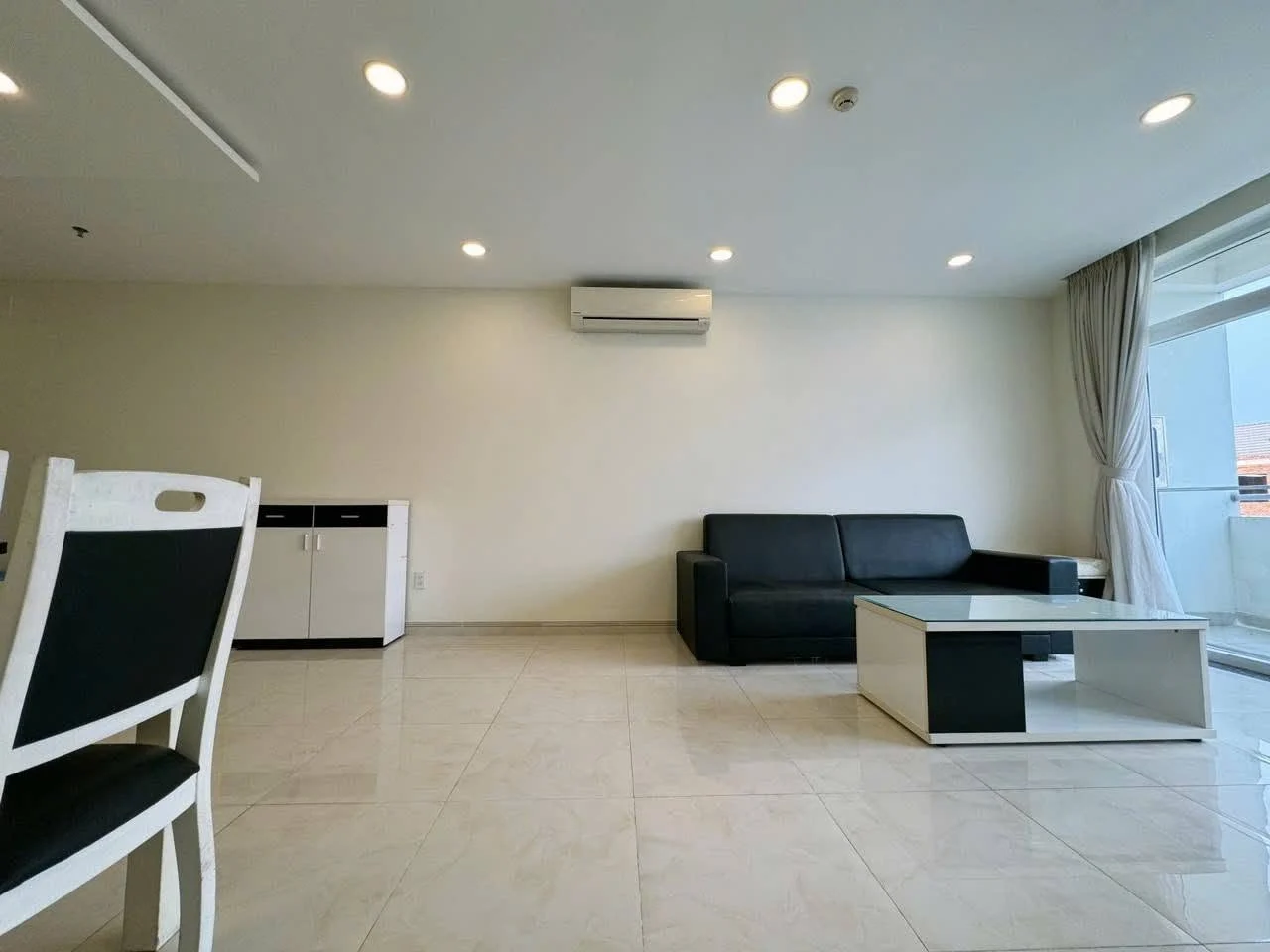
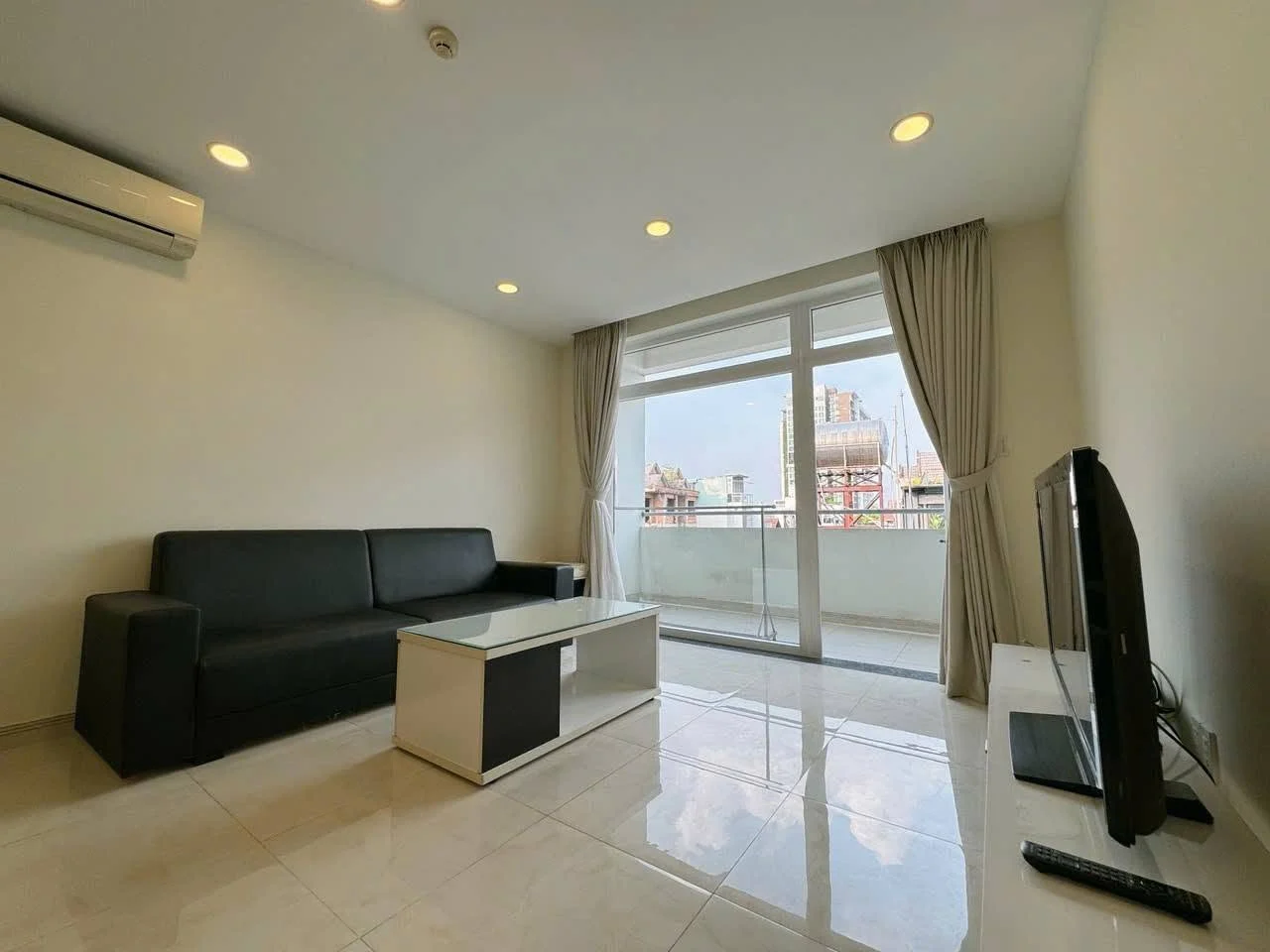
For families, larger units in established residential areas such as Thao Dien are a common choice, offering space, amenities and a community feel. A typical example is a fully furnished apartment with a private balcony in Thao Dien, which reflects the layout and services many Japanese tenants look for.
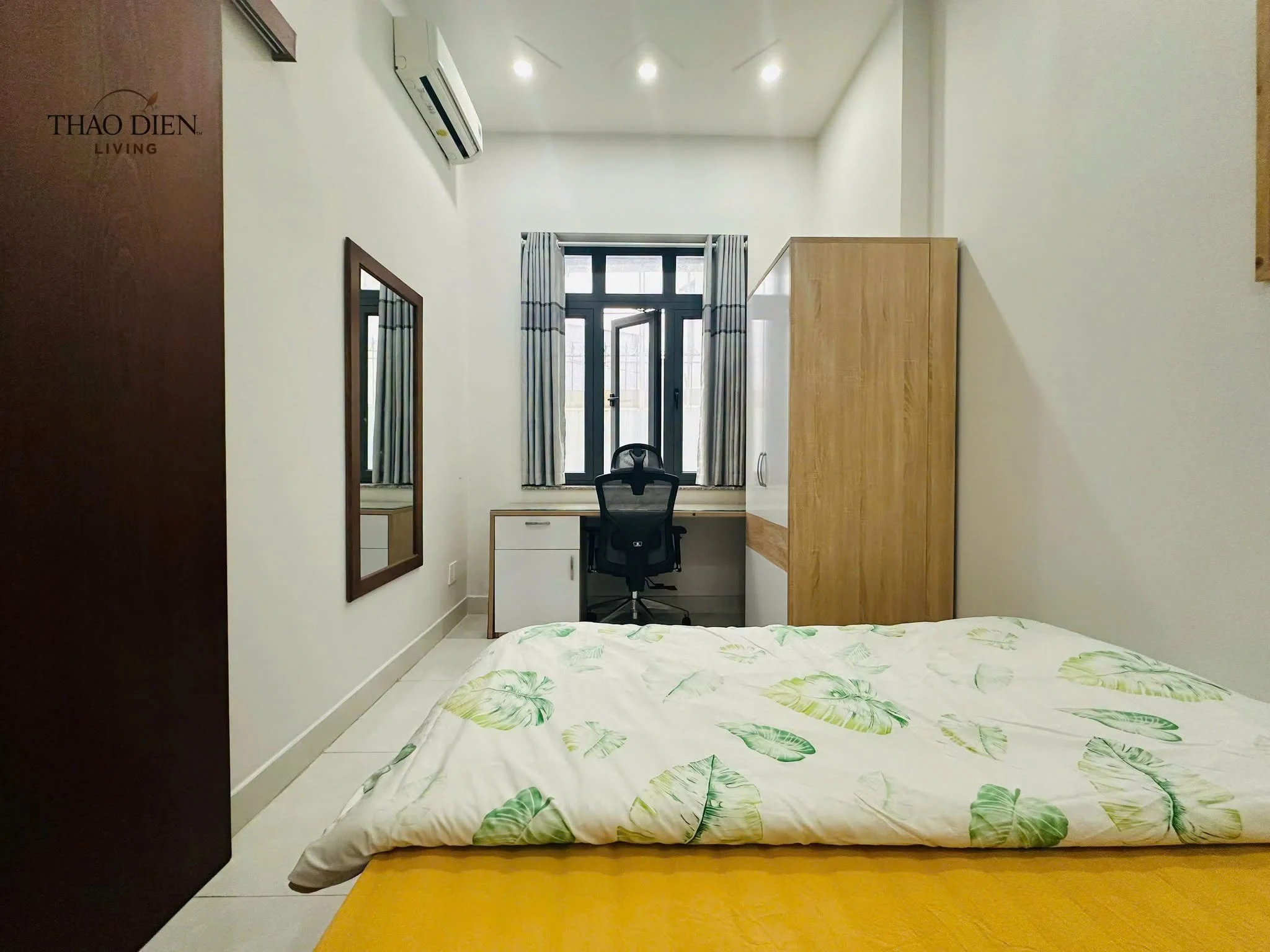
Fully Furnished 1-Bedroom with Private Balcony, Thảo Điền, District 2, HCMC
11.5 million VND / month
- 1 BR
- 1 BA
- Thao Dien, District 2, Ho Chi Minh City
Most Popular Districts for Japanese Serviced Apartments
Where you live shapes your daily commute, your children's school run and how easily you find familiar food. Japanese expat housing in Ho Chi Minh City clusters in a handful of districts, each with a distinct character. The right choice depends on whether you prioritise an office walk, family space or value.
District 1: The Heart of Little Japan
District 1 is the central business district and the natural base for staff posted to Japanese companies. Le Thanh Ton Street, often called Little Japan, is lined with Japanese restaurants, izakayas, clinics and specialist shops, and the Japanese consulate is nearby. Apartments for Japanese tenants in District 1 tend to be compact and command the city's highest rents, so expect less space for your budget. The trade-off is a short commute and a neighbourhood that feels familiar from day one.
District 7: Family-Friendly Suburban Living
Phu My Hung in District 7 is the classic choice for families. Wide, quiet streets, international schools and modern apartment towers make it easy to settle in, and supermarkets stock imported goods. Rents are typically lower than District 1 for considerably more space. The downside is a longer commute to the centre, so many families weigh school proximity more heavily than office distance.
District 3 sits between the two: quieter, leafier streets close to the centre, popular with families and longer-stay tenants who want calm without leaving town. Binh Thanh is the emerging option, with new serviced apartment buildings and good value for singles or couples who don't mind a short ride to District 1.
| District | Japanese schools | Japanese supermarkets | Restaurants | Typical rent range |
|---|---|---|---|---|
| District 1 | Reachable by short commute | Several nearby | Highest concentration | High |
| District 3 | Reachable by short commute | Limited, nearby districts | Moderate | Mid to high |
| District 7 (Phu My Hung) | Close to international schools | Good, imported goods | Growing | Mid |
| Binh Thanh | Short ride to centre | Limited | Limited | Good value |
Rent ranges vary by building, size and lease length, so confirm current figures with each property. Many tenants also consider Thao Dien in District 2 for its expat-friendly feel and Japanese-friendly apartments with bathtub layouts; the listing below is a useful example of that style.
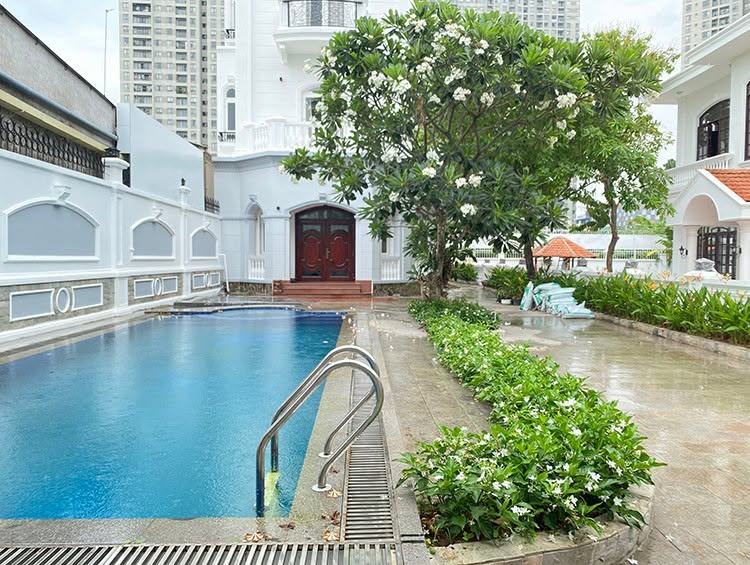
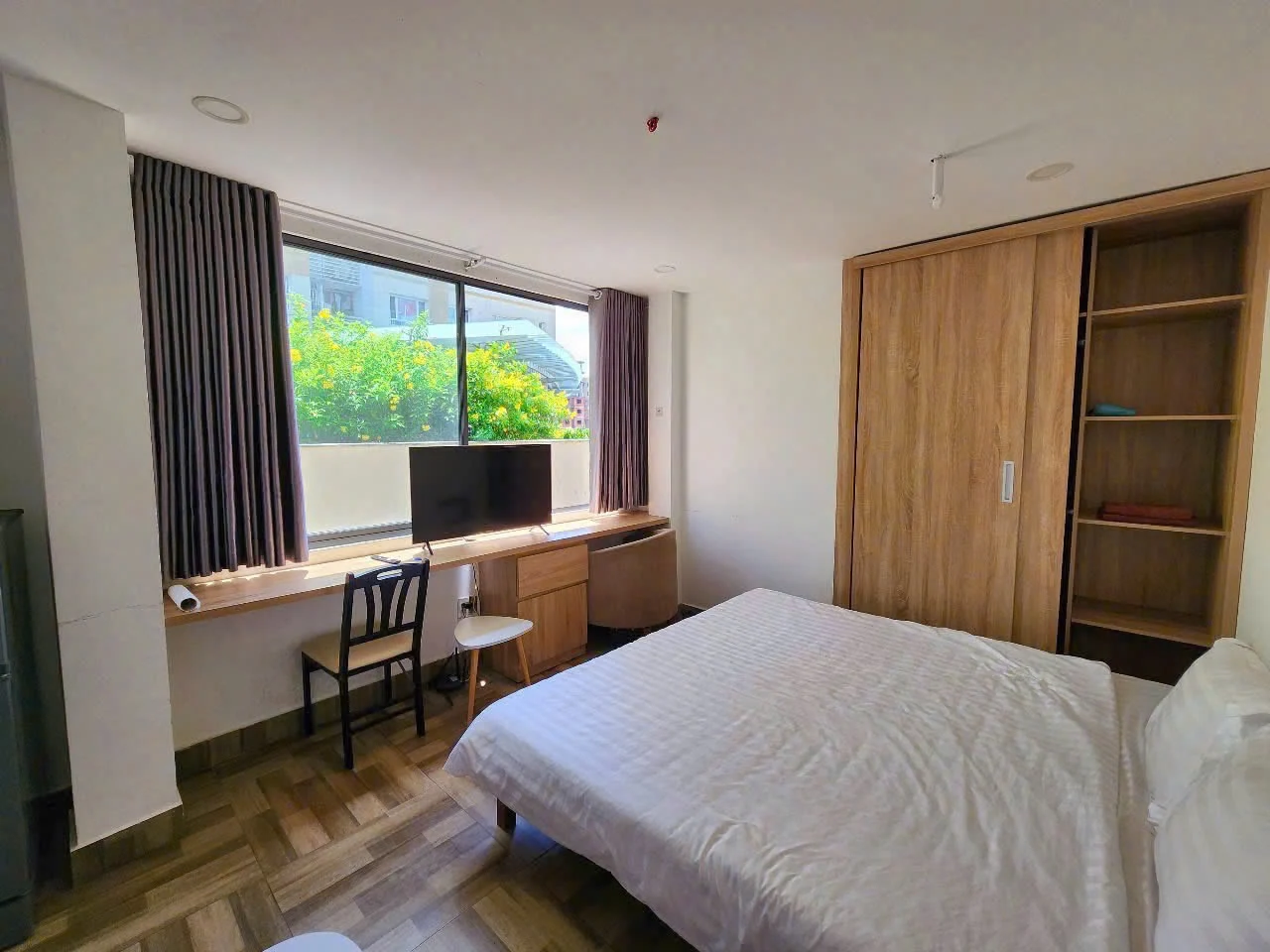
A fully furnished serviced studio with gym and garden in Thao Dien, a practical alternative for singles comparing districts.
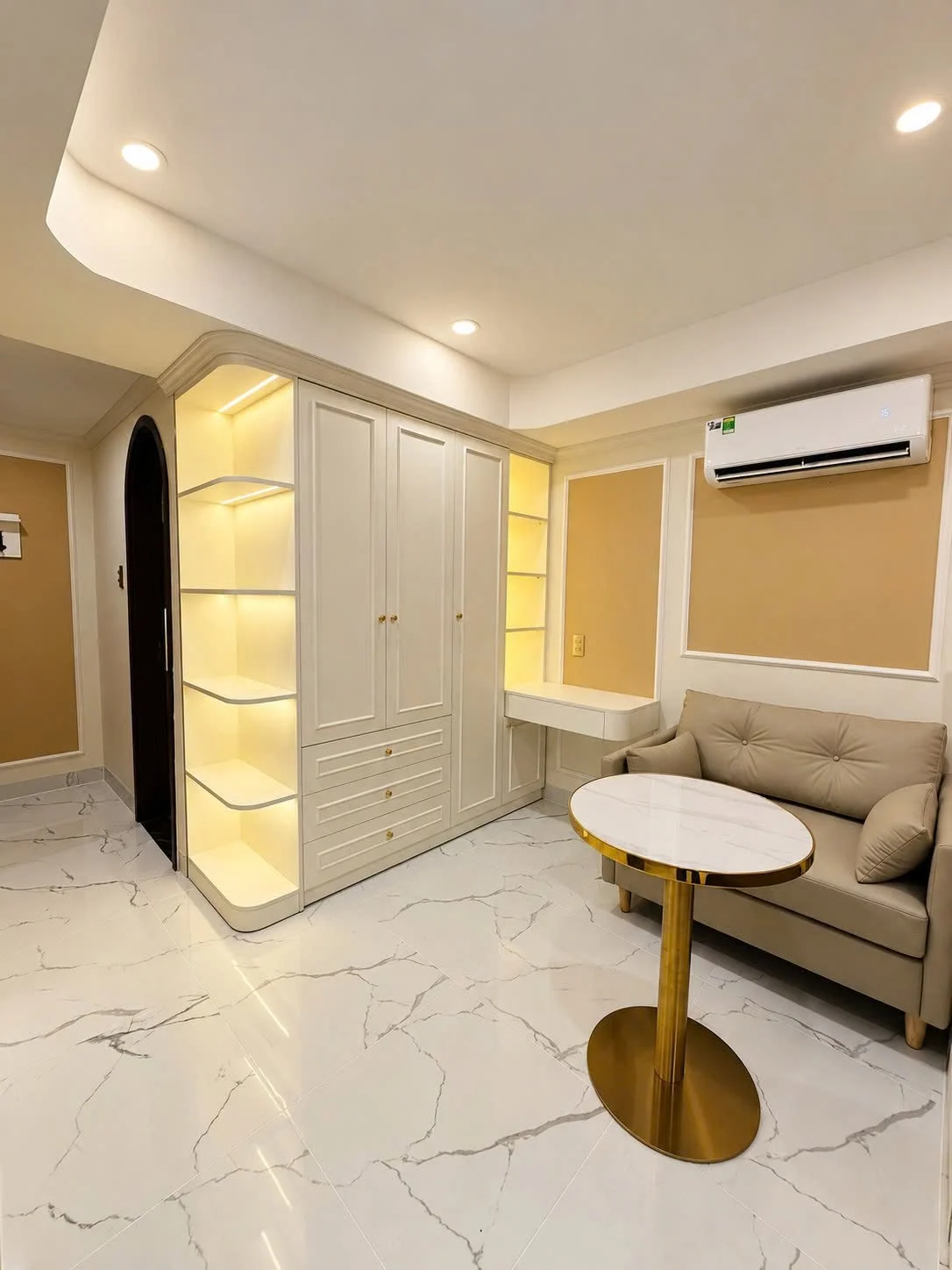
Fully Furnished Serviced Studio with Gym & Garden, Thảo Điền, HCMC
12.5 million VND / month
- Thao Dien, District 2, Ho Chi Minh City
Key Features Japanese Tenants Look For in Serviced Apartments

When comparing serviced apartments for Japanese in Ho Chi Minh City, the details that matter most are often the ones that make daily life feel familiar. Use the points below as a practical checklist, and confirm each item with the landlord or agent before signing.
Must-Have Amenities
- Bathtub. For many Japanese tenants this is non-negotiable, yet plenty of units offer only a shower. Ask specifically whether the bathroom has a tub and check the water pressure and hot water supply.
- Cleanliness and maintenance. Confirm how often housekeeping visits, whether pest control is scheduled, and when air conditioners were last serviced.
- In-unit laundry or laundry service. A washing machine in the unit is ideal; otherwise clarify the cost and turnaround of any building laundry service.
- Fully equipped kitchen. Look for proper cooking facilities and storage. Many Japanese tenants ask about a rice cooker, and a bidet toilet seat is a welcome bonus.
- Japanese-speaking staff or property manager. Even basic Japanese support makes contracts, repairs and emergencies far easier to handle.
- Proximity to daily essentials. Check the distance to Japanese schools, supermarkets such as Fujimart, and clinics or hospitals with Japanese-speaking doctors.
Safety and Security Standards
Security is a top concern for Japanese expat housing in Ho Chi Minh City, especially for families and staff on corporate assignments. Look for 24/7 security guards, working CCTV coverage, and secure access control at the entrance and lift lobby. Visit the neighborhood at night to judge how safe and well-lit the street feels.
For long-term serviced apartments in Ho Chi Minh City, also ask who handles emergencies outside office hours and how quickly maintenance requests are resolved. A short written checklist, confirmed in the contract, protects both tenant and landlord.
Typical Rental Process for Japanese Tenants
Renting a serviced apartment in Ho Chi Minh City follows a fairly standard sequence, but the details matter. For Japanese expats, a clear, documented process reduces stress and helps avoid misunderstandings. Below is what to expect from inquiry to move-in.
Step 1: Inquiry and shortlist. Contact an agency that specialises in Japanese expat housing Ho Chi Minh City. Share your budget, preferred district, move-in date and must-have features (such as a bathtub). The agent will send a shortlist of suitable serviced apartments for Japanese in Ho Chi Minh City.
Step 2: Viewings. Schedule viewings, ideally with a Japanese-speaking agent. Check the apartment condition, security, noise levels and nearby amenities. Ask about included services and any extra fees.
Step 3: Application. Once you choose a unit, submit an application with the required documents (see below). The landlord or management company reviews it, usually within a few days.
Step 4: Contract signing. Review the contract carefully. A bilingual (Japanese-English or Japanese-Vietnamese) contract is strongly recommended. Clarify all terms before signing.
Step 5: Move-in. Pay the deposit and first month’s rent, then arrange move-in. Confirm handover procedures, inventory and any cleaning fees.
Documents and Paperwork
Landlords typically require a passport, a valid visa, and a work permit (or proof of employment). Some may also ask for a copy of your employment contract or company guarantee. Requirements can vary, so confirm with your agent early. Having digital and printed copies ready speeds up the process.
Lease Terms and Negotiation
Lease terms for long-term serviced apartments Ho Chi Minh City are commonly 6–12 months, with a deposit of 1–2 months’ rent. Payment is usually in VND, though some places may quote in USD. Always confirm the currency and payment schedule. Negotiation is possible, especially for longer stays: ask about including utilities, housekeeping frequency, internet and other services in the rent. A specialised agency can help you compare offers and negotiate on your behalf.
Common Mistakes to Avoid When Renting a Serviced Apartment

Even experienced renters can overlook details during a short viewing, especially when relocating from Japan and touring several serviced apartments for Japanese in Ho Chi Minh City in a single day. The pitfalls below come up often and are usually easy to prevent with a checklist and a second visit.
Pitfalls and How to Avoid Them
- Not checking water pressure and hot water. Turn on the shower and the kitchen tap at the same time, and ask whether hot water is central or per-unit. In some older buildings pressure drops on upper floors, so test at the actual unit, not a show unit.
- Overlooking additional fees. Ask for a written breakdown of management fee, parking for cars and motorbikes, electricity, water, internet and any cleaning charges. Confirm which are included in the quoted rent and which are billed monthly.
- Not verifying security. Check access control, CCTV coverage, reception hours and whether guests are logged. Visit the neighborhood in the evening to judge lighting and street activity.
- Assuming a bathtub is available. Many Saigon units are shower-only, so confirm the bathtub in writing and see the exact apartment, not a similar layout.
- Ignoring the cancellation and early termination policy. Clarify notice periods, forfeited deposit rules and penalties for leaving before the lease ends, since terms vary by landlord.
- Skipping a professional inspection. Ask about mold in bathrooms and ceilings, pest control schedules and air-conditioner servicing. A short inspection before signing is worth the time.
Put every promise in the draft contract, and keep a signed inventory of furniture and appliances. For Japanese expat housing in Ho Chi Minh City, this simple discipline prevents most disputes later.
Tips for a Smooth Long-Term Stay
Long-term serviced apartment living in Ho Chi Minh City becomes much easier when you invest a little time in relationships and routines. These practical tips help Japanese tenants settle in and avoid friction later.
Settling In: Neighborhood and Community
Get to know your property manager early. A friendly, direct relationship means maintenance requests are handled faster and small issues are resolved before they grow. Keep a simple list of contacts, including the manager’s phone number and the building’s front desk.
Learn where to buy Japanese groceries — many wards in District 1 and District 3 have Japanese supermarkets or import shops, while Aeon and similar malls carry a wide range of Japanese products. For healthcare, international clinics and hospitals with Japanese-speaking staff are available in Districts 1, 3 and 7; confirm opening hours and insurance acceptance in advance.
Join local expat communities or Japanese associations, such as those linked to schools or business groups. These networks are valuable for recommendations on dentists, babysitters, and reliable service providers, and they help you feel at home faster.
Lease Renewal and Communication
Start renewal discussions at least one to two months before your lease ends. This gives you time to compare options and negotiate rent or included services like housekeeping or internet. Put any agreed changes in writing, even if it is just an email confirmation.
Follow local etiquette to keep good relations with neighbors: keep noise down, especially at night; sort waste according to the building’s rules; and greet staff and neighbors politely. Save emergency numbers — police, fire, ambulance — and your embassy’s contact details in your phone. For any emergency, the general emergency number in Vietnam is 113 for police, 114 for fire, and 115 for ambulance, but confirm with your building manager as procedures can vary.
Final Thoughts on Renting a Serviced Apartment in Ho Chi Minh City
Choosing the right serviced apartment comes down to matching location, building features and lease terms to your daily routine. Districts such as District 1, District 3, District 7 and Binh Thanh each offer different trade-offs between proximity to Japanese amenities, international schools and budget, so it pays to visit several buildings and confirm what is included in the rent before signing.
Pay close attention to water pressure, bathtub availability, security standards and termination clauses, and negotiate included services such as housekeeping and laundry where possible. With the right preparation, a serviced apartment can make your relocation to Ho Chi Minh City smooth and comfortable. Browse our current listings to compare options and find a home that suits your needs.
Frequently asked questions
What is the average rent for a serviced apartment for Japanese in Ho Chi Minh City?
Rent varies by district, unit size and building quality. Central areas such as District 1 and District 3 generally command higher rents, while District 7 and Binh Thanh often offer better value for larger units. Rather than relying on a single average, compare several listings in your preferred district and confirm which services, utilities and fees are included in the quoted rent.
Which districts in Ho Chi Minh City are most popular among Japanese expats?
District 1, particularly the Little Japan area, is popular for its concentration of Japanese restaurants, shops and offices. District 3 appeals to families wanting central convenience, District 7 (Phu My Hung) is favoured for international schools and a suburban feel, and Binh Thanh, including Thao Diem, attracts those seeking newer buildings and good value within reach of the centre.
Do serviced apartments in Ho Chi Minh City typically have bathtubs?
Not all serviced apartments include a bathtub, as many units are built with showers only. Because a bathtub is a common priority for Japanese tenants, confirm this feature explicitly during viewings rather than assuming it from photos. If a bathtub is essential, shortlist buildings that specify it and verify water pressure and hot water capacity at the same time.
What documents do I need to rent a serviced apartment as a Japanese expat?
Most landlords or management companies ask for a valid passport and visa or temporary residence card, and some request proof of employment or a company guarantee. Bring your passport, visa documents and any employer confirmation to the viewing. Requirements can differ between buildings, so ask the agent in advance which documents are needed so the paperwork does not delay your move-in date.
How long are typical lease terms for serviced apartments in Ho Chi Minh City?
Lease terms vary by building, but many serviced apartments offer flexible arrangements ranging from short monthly stays to longer contracts of six to twelve months. Longer commitments often come with better rates, while shorter terms provide flexibility for new arrivals. Always review renewal and termination clauses carefully, and clarify notice periods before signing.