Building Use Conversion for Rentals in Vietnam: Rules & Steps

Building use conversion in Vietnam allows tenants to change a property's function, such as turning a house into an office or a warehouse into a showroom, but it requires careful legal and practical steps. This guide explains the rules, permits, and procedures so expats and businesses can navigate the process confidently.
Understanding Building Use Conversion in Vietnam

What Is Building Use Conversion?
Building use conversion is the legal process of changing a property's approved use—for example, from residential to commercial, or from warehouse to office—so that it matches your intended rental activity. In Vietnam, the land use certificate (often called the Red Book) and the construction permit specify the permitted use, and any change requires approval from local authorities. This matters for tenants because renting a property for a use that is not legally permitted can lead to fines, forced closure, or difficulty obtaining a business license.
Why Do Tenants Need It?
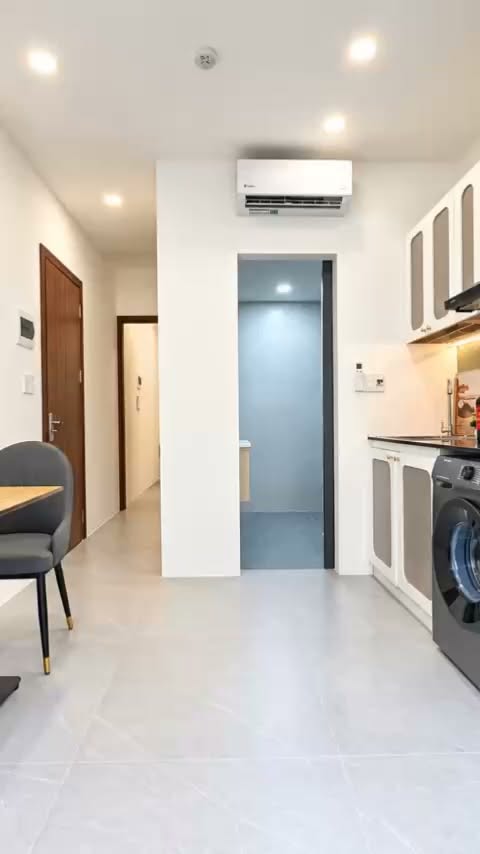
Tenants, especially expats and foreign businesses, often need building use conversion to ensure their rental property complies with Vietnam building regulations. Common scenarios include converting a residential house to an office, turning a warehouse into a showroom or light industrial space, or repurposing a shophouse for retail. Without proper conversion, your business registration may be rejected, and you could face penalties during inspections.
Regulations vary by locality and property type. For instance, rules in Ho Chi Minh City may differ from those in Hanoi or provincial areas, and converting a standalone house is often simpler than converting part of an apartment building. Always check the land use certificate and construction permit before signing a lease. These documents show the property's legal status and any restrictions. If the certificate lists the land as residential, you cannot legally operate a business without conversion. Similarly, the construction permit may limit the number of floors or the building's purpose.
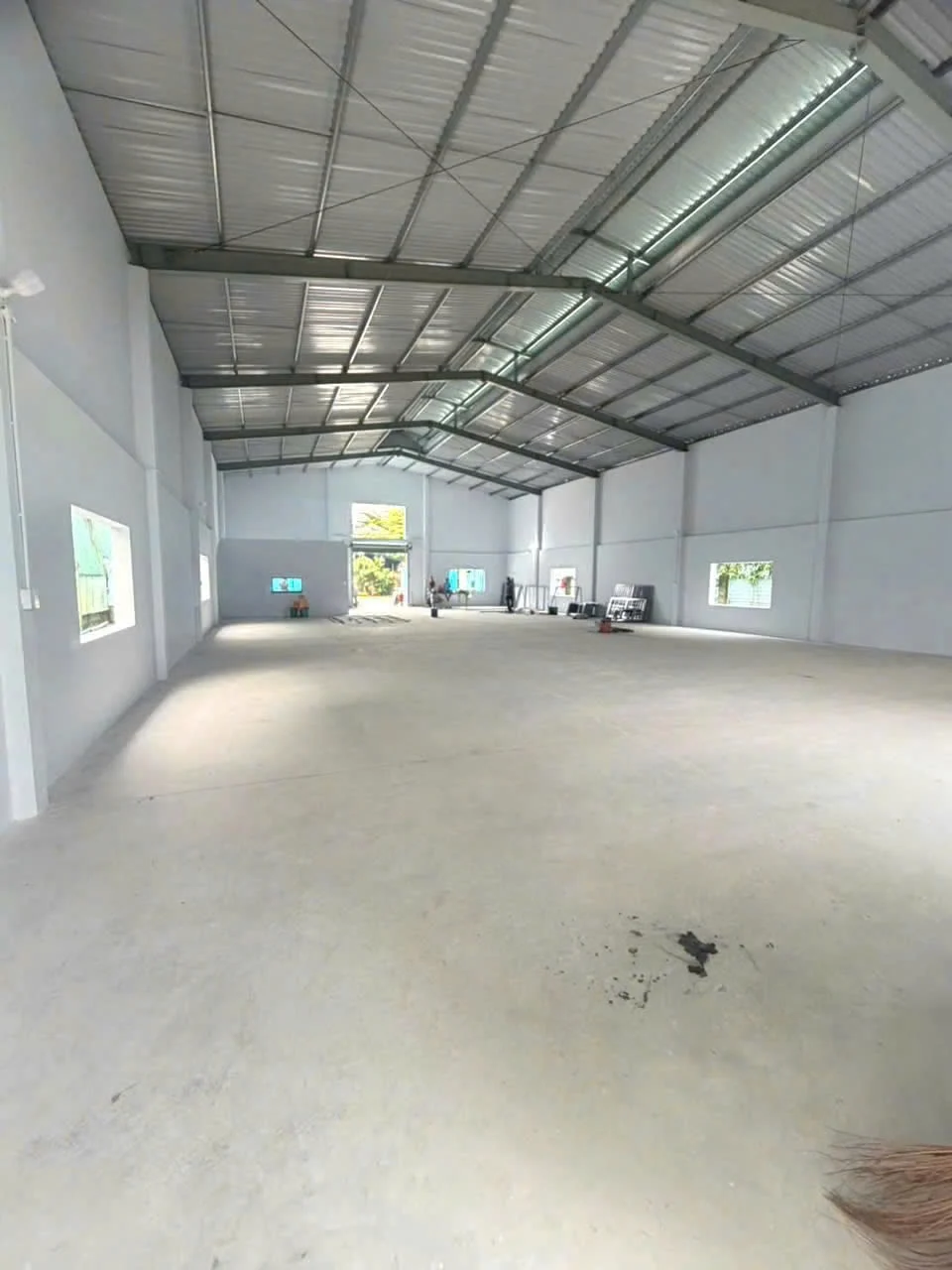
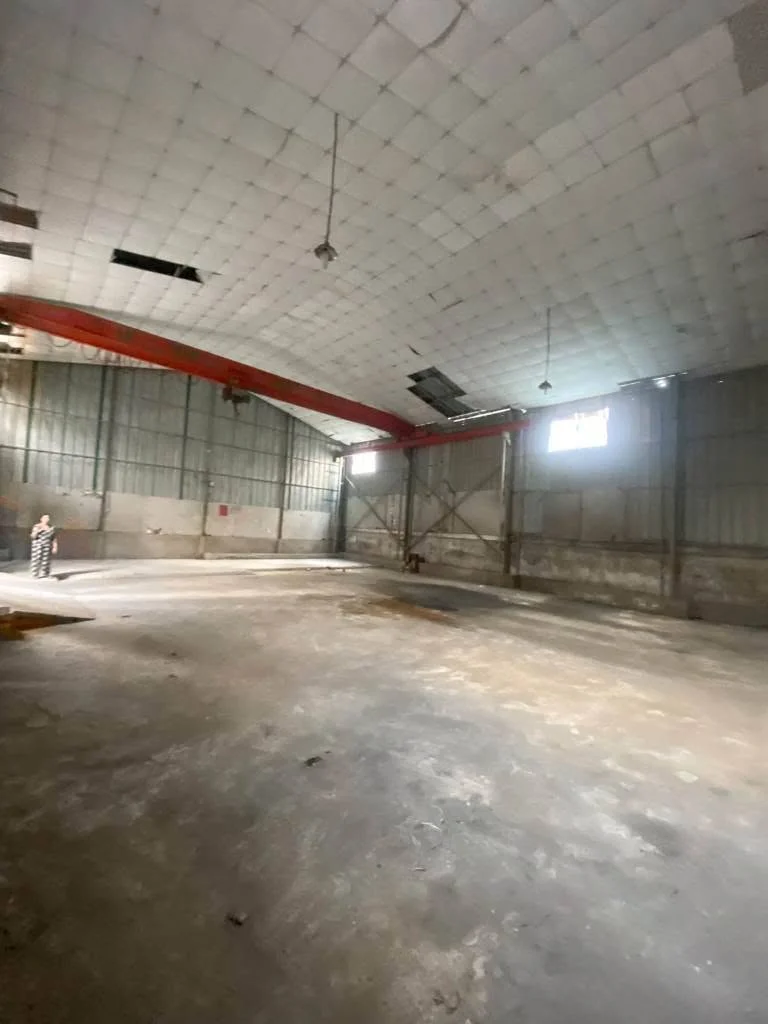
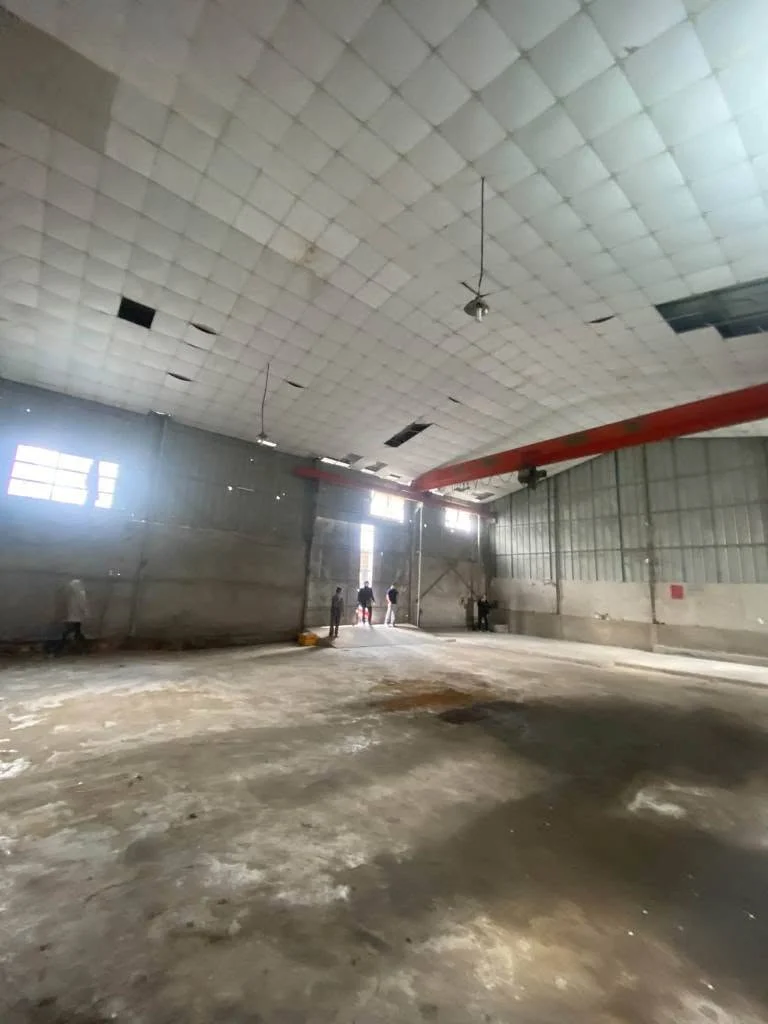
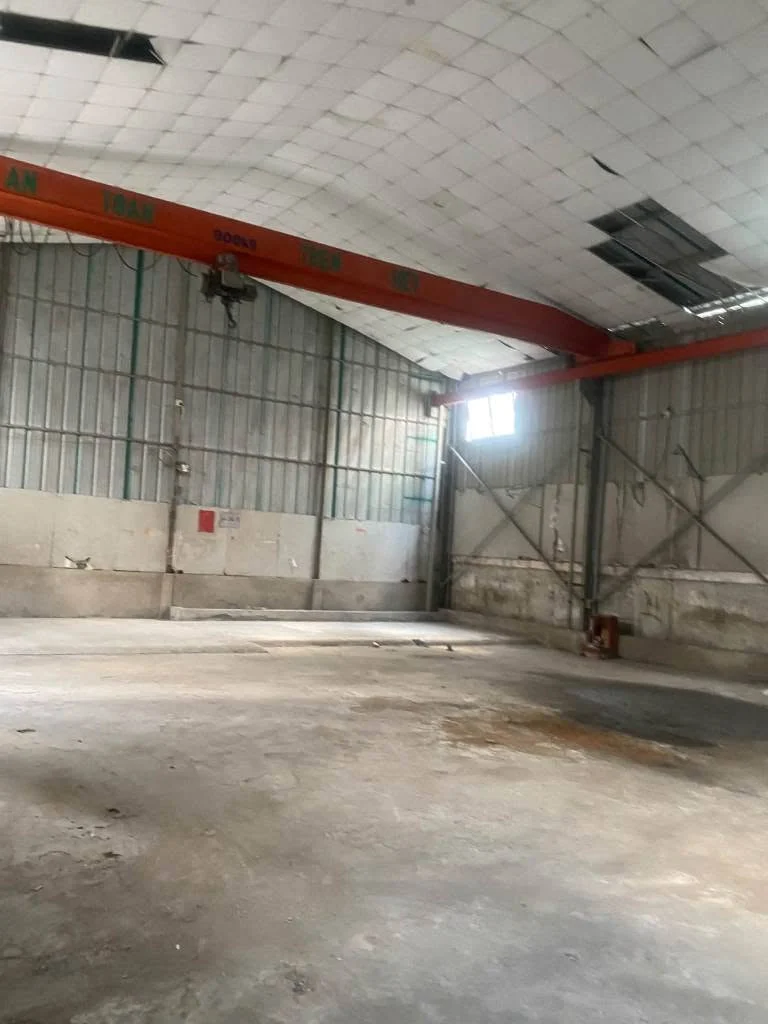
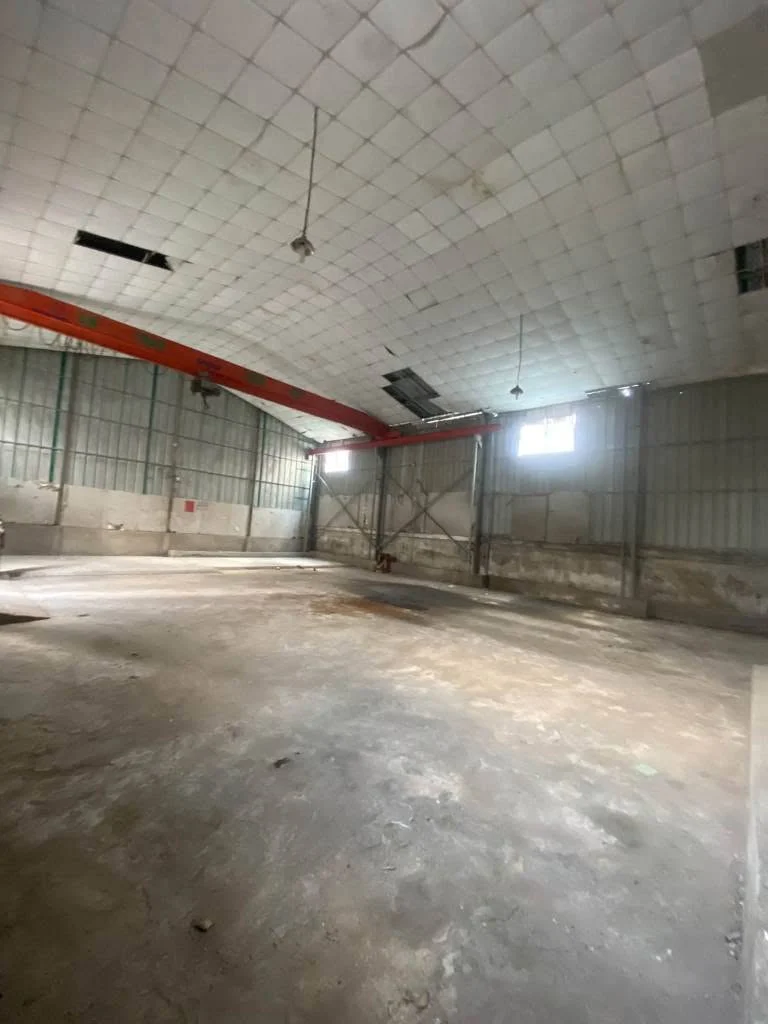
For warehouse conversions, verify that the property is zoned for industrial or commercial use. Many warehouses for rent in Hóc Môn or District 12 are already approved for storage and light manufacturing, but converting them to an office may still require additional permits. For example, a container-access factory in Hóc Môn may suit logistics but need approval for office space.
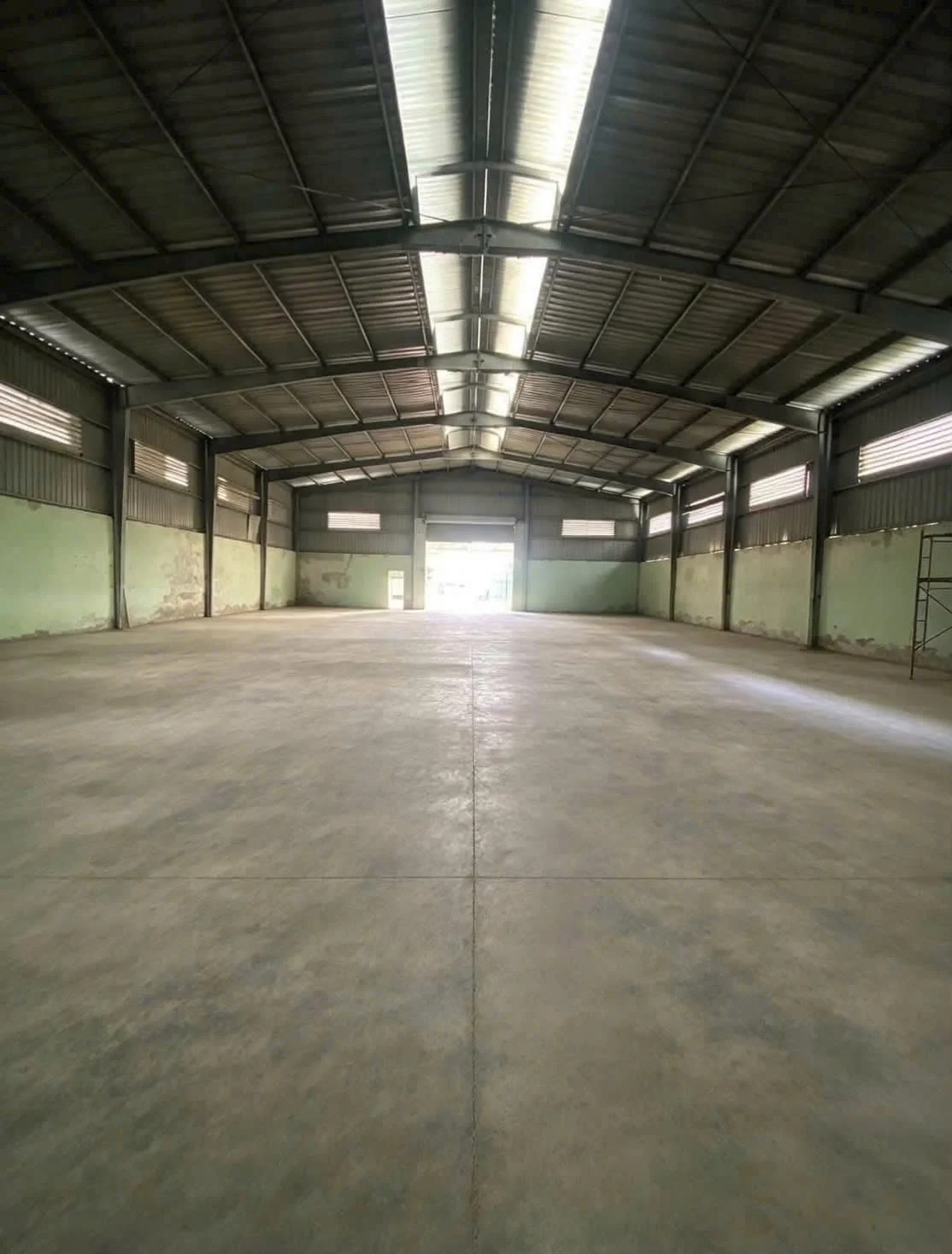
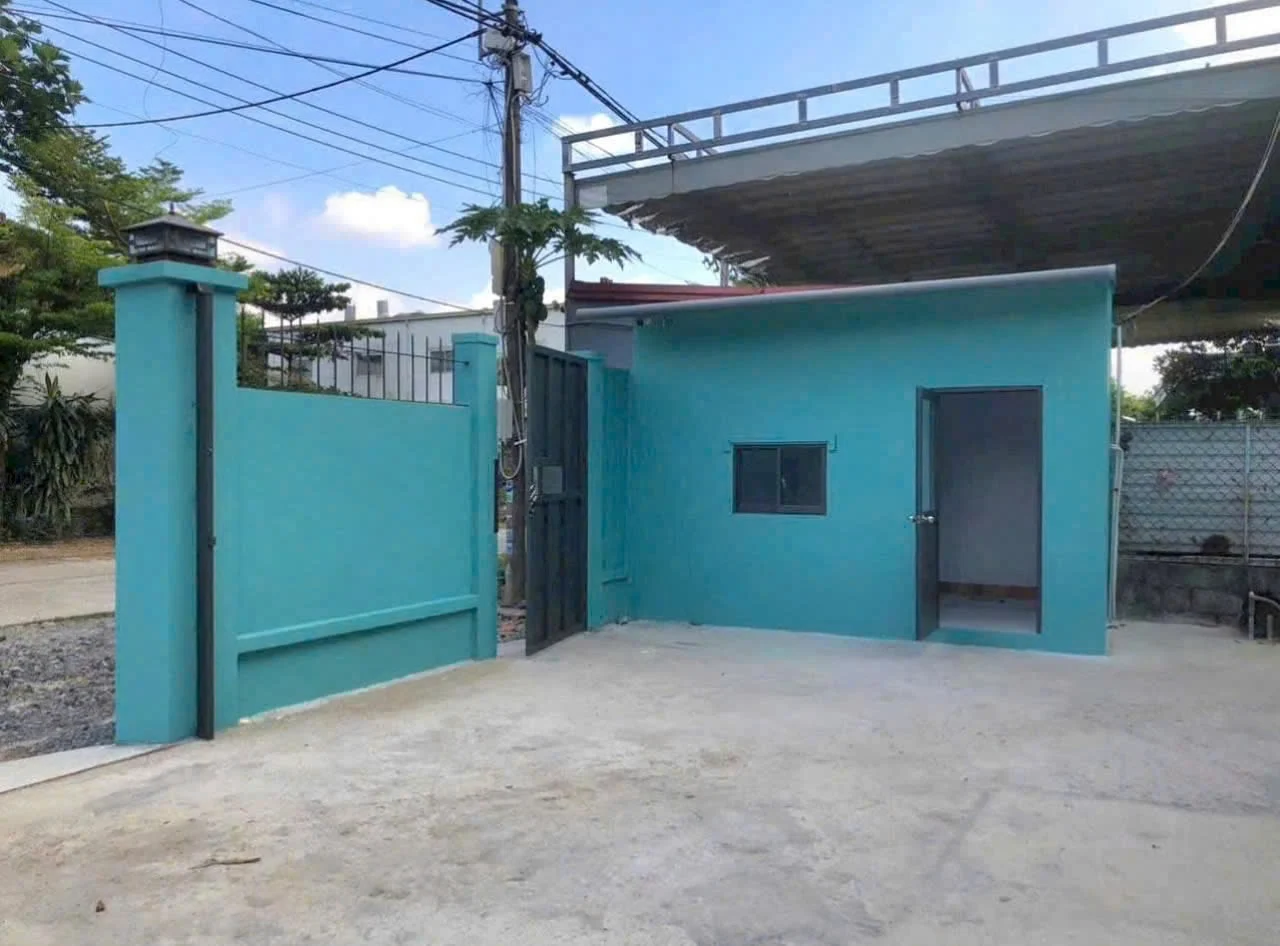
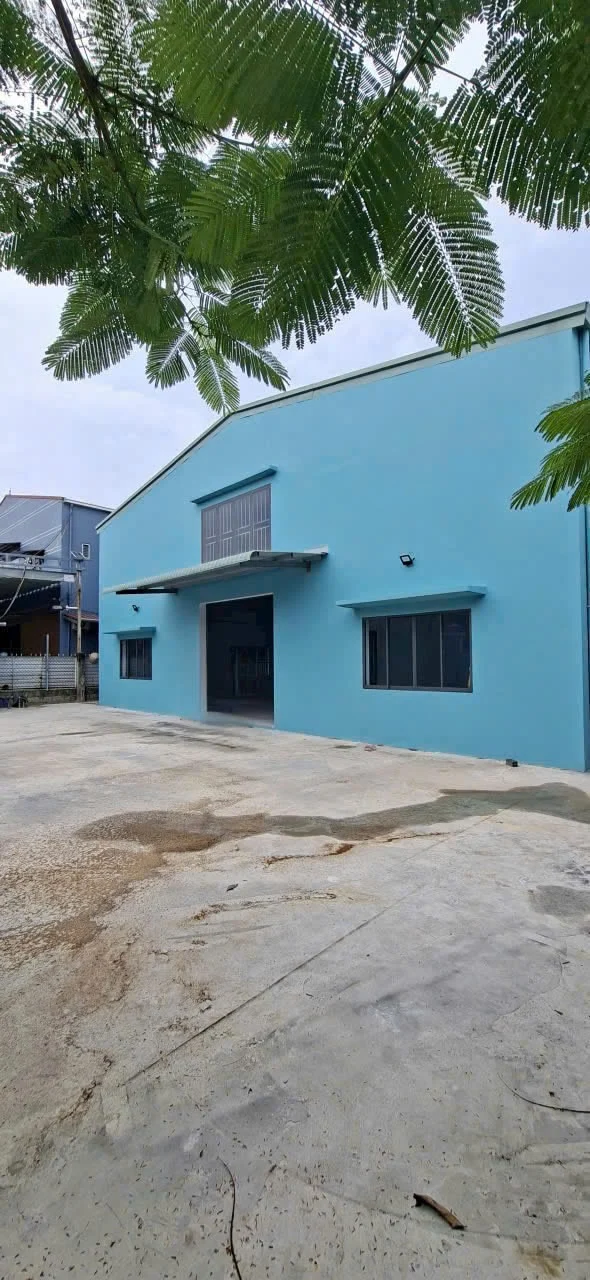
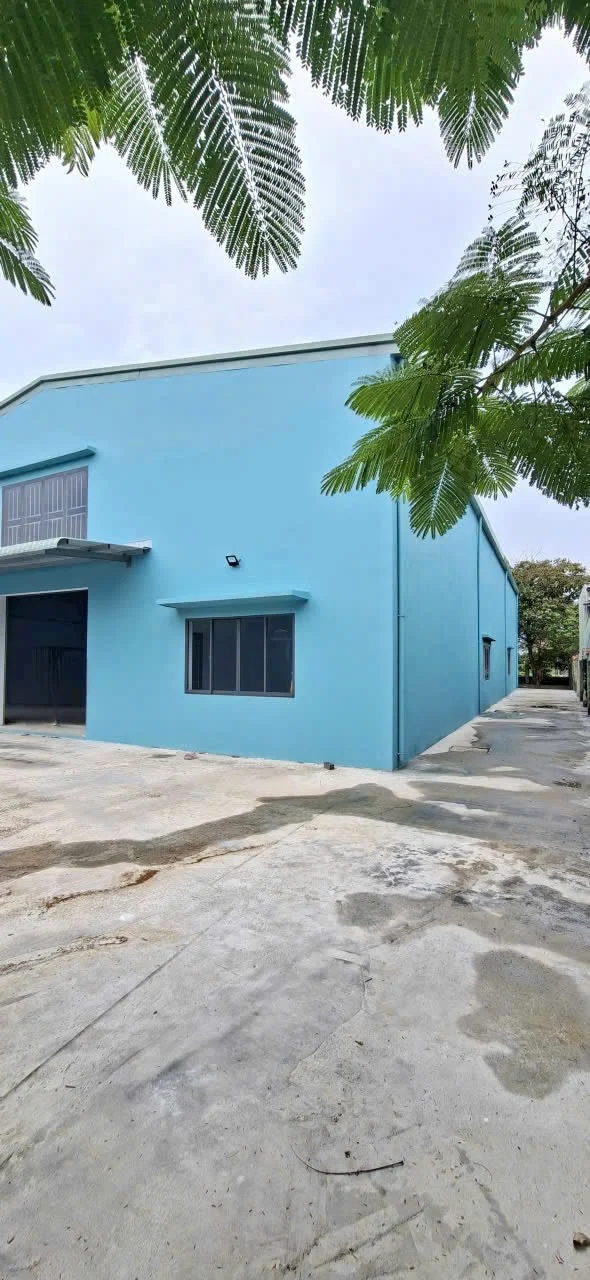
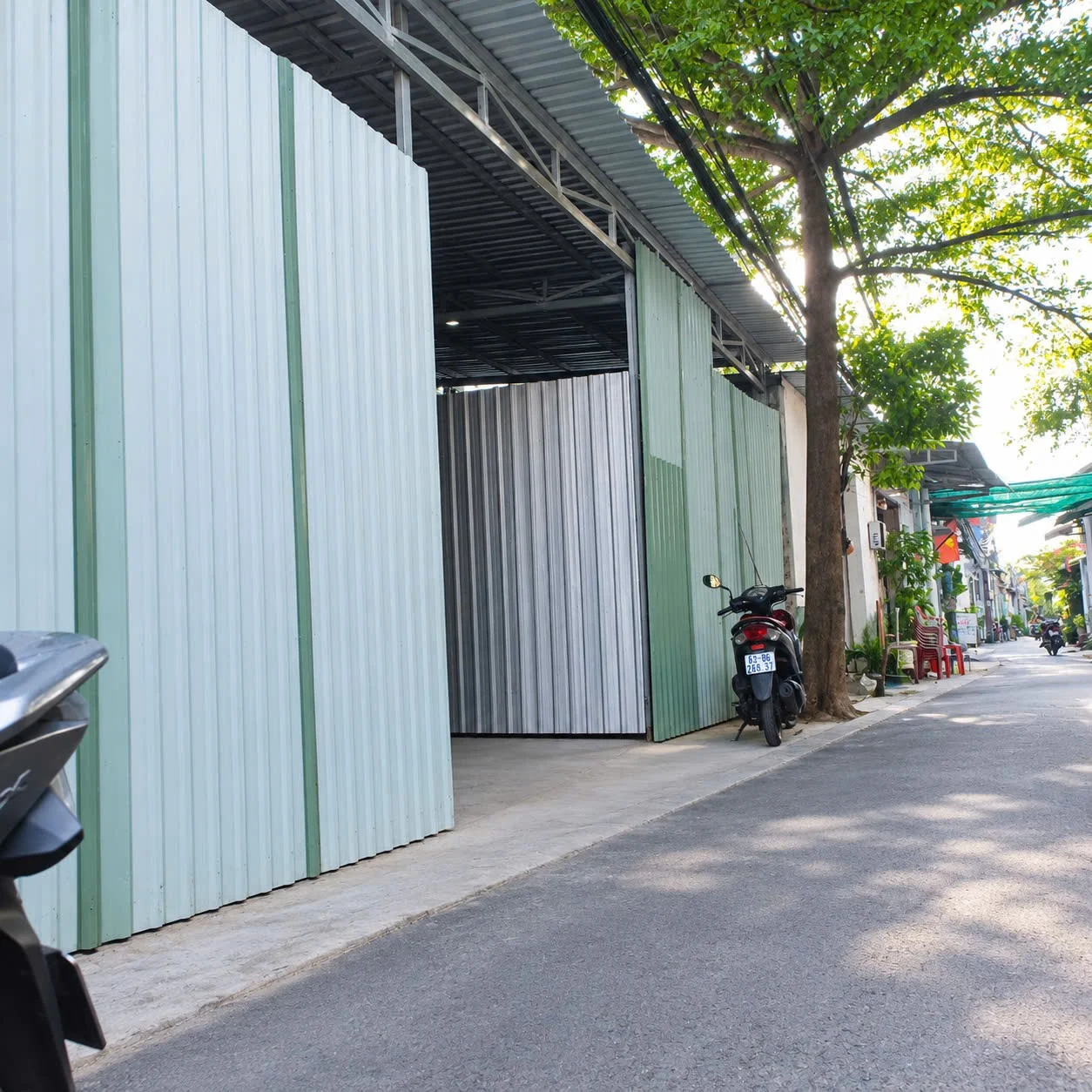
Container-Access Factory 800 m2 on Xuân Thới Thượng, Hóc Môn, HCMC
40 million VND / month (negotiable)
- Xuan Thoi Thuong, Hoc Mon, Ho Chi Minh City
Legal Framework for Changing Building Function
Key Laws and Regulations
Building use conversion in Vietnam is primarily governed by the Construction Law and its implementing decrees, which set out the procedures for changing a building's function. The Law on Land and the Law on Housing also apply when the change affects the land use purpose or involves residential properties. Local People's Committees often issue their own decisions and guidance, so requirements can vary by province or city. Always check the latest versions of these documents and any local amendments before starting.
For example, converting a warehouse for rent into a light industrial workshop may require compliance with fire safety and environmental regulations under separate decrees. The same applies to turning a house into an office, which may trigger additional requirements for parking, access, and fire egress. Because regulations are updated periodically, confirm details with a legal advisor or the local construction authority.
Role of Local Authorities
The Department of Construction at the provincial or municipal level is the main authority for approving construction permit modifications and building use conversions. It reviews technical aspects such as structural safety, fire prevention, and environmental impact. The People's Committee at the district or commune level often has the final say on land use purpose changes and may coordinate with other departments like Natural Resources and Environment.
For minor renovations, such as interior modifications that do not change the building's function or structure, you may only need a notification or a simple permit from the district. However, full conversion—like changing a residential house to an office or a warehouse to a retail space—typically requires a formal application and approval from the Department of Construction and possibly the People's Committee. The distinction hinges on whether the change alters the building's classification under the construction permit.
Some conversions may also require changing the land use purpose, especially if the land is designated for residential use but you intend to operate a business. This involves additional steps with the Department of Natural Resources and Environment and may incur land use fees. For instance, converting a residential property to an office in a residential zone might require re-zoning approval.
When searching for a warehouse for rent that already has the correct zoning for your business, verify the land use certificate. Here is a typical listing that may suit such needs:
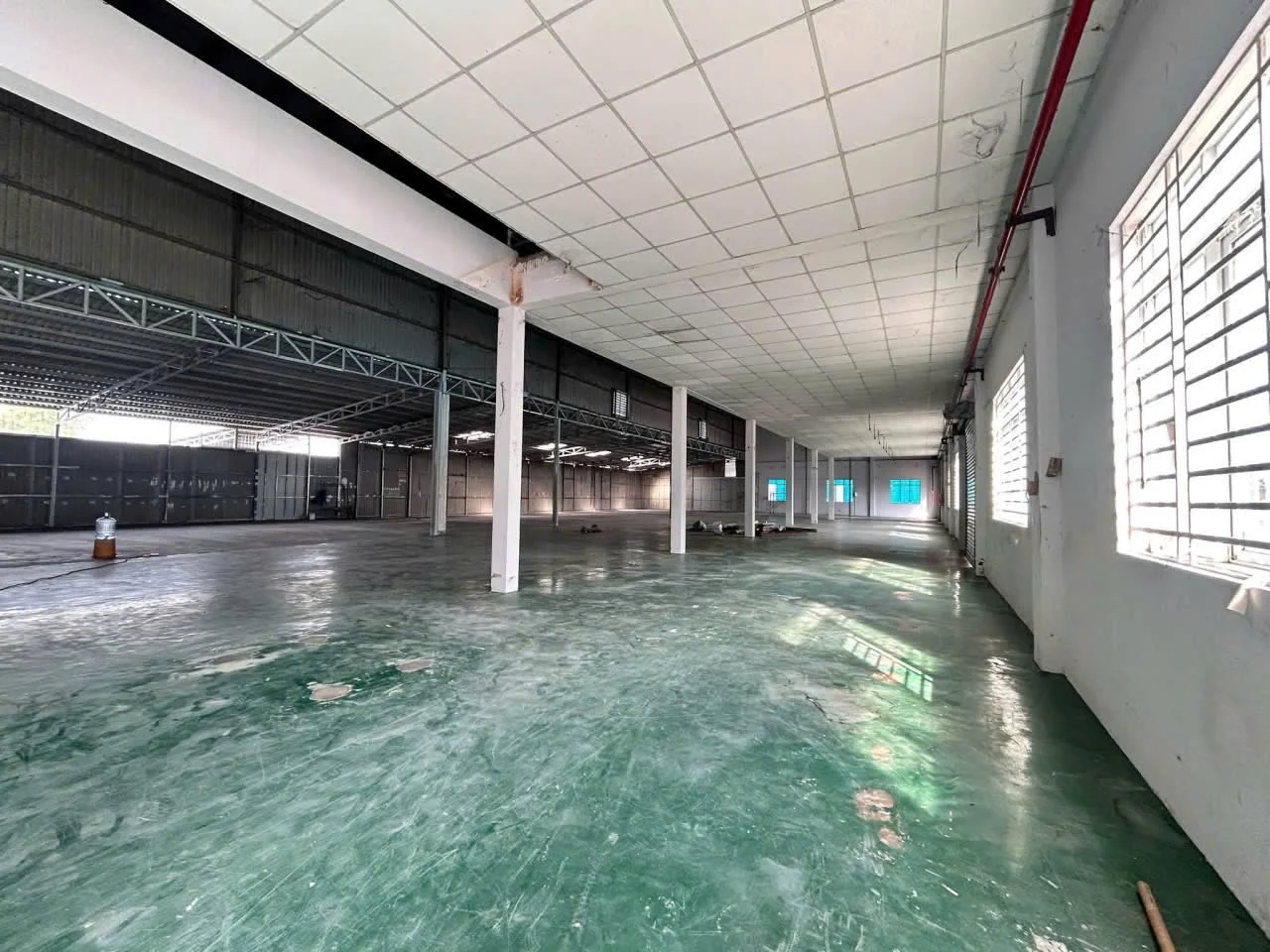
1,500 m² Factory with Container Truck Access at Ngã Ba Giồng, Hóc Môn, HCMC
120 million VND / month (negotiable)
- Hoc Mon, Ho Chi Minh City
Can You Convert a Residential House to an Office?

Yes, it is often possible to convert a residential house to an office in Vietnam, but the conversion is conditional. Whether you can proceed depends on the property's location, land use status, and local regulations. Many expats and businesses rent houses in districts like District 2 (Thu Duc City) or District 7 for office use, but success requires careful checks.
Key Requirements
Before starting a rental property conversion, ensure the following typical requirements are met. Note that these can vary by province and should be verified with local authorities.
- Zoning: The land use certificate should allow commercial or mixed-use purposes. If the land is purely residential, you may need to apply for a land use purpose change.
- Fire safety: Offices must comply with fire prevention and fighting regulations, which may require adding extinguishers, alarms, and clear escape routes. For small offices, basic measures often suffice, but larger ones may need approval from the fire police.
- Parking: Adequate parking for staff and visitors is necessary. In dense residential areas, limited parking can be a hurdle.
- Noise and disturbance: The office should not cause excessive noise or other disturbances to neighbors. Activities like late-night operations or heavy foot traffic may be restricted.
- Building modifications: Any structural changes, such as adding partitions or changing the facade, require a construction permit.
Be aware that some residential areas, especially within apartment buildings or gated communities, restrict commercial activities entirely. Always check the building's internal rules and the local People's Committee's stance.
Step-by-Step Process
- Obtain landlord permission: Get written consent from the landlord to use the property as an office and to make any necessary modifications. This should be included in the lease agreement.
- Apply for a construction permit: If you plan to renovate, submit an application to the district's Department of Construction. This typically includes drawings, land use documents, and fire safety plans.
- Notify neighbors: Inform adjacent residents about the intended use and any construction work. While not always a formal requirement, it helps prevent complaints.
- Register with local authorities: Some districts require registration of the business address with the ward People's Committee. Check if this applies to your situation.
Keep in mind that the process can take several weeks to months, so plan accordingly. Working with a local legal advisor can help navigate the specifics of building use conversion in Vietnam.
Converting a Warehouse for Rent: What to Consider
Warehouse conversions are popular for turning large, cost-effective spaces into offices, retail showrooms, or light industrial workshops. However, a warehouse for rent may come with hidden infrastructure and zoning challenges. Before signing a lease, assess the building’s suitability for your intended use and confirm that a building use conversion is feasible.
Zoning and Infrastructure
Zoning is critical: warehouses in industrial zones are typically restricted to industrial uses, while those in mixed-use or residential areas may allow office or retail conversion. Check the land use certificate and local master plan with the district People’s Committee. Infrastructure matters too: ensure adequate power capacity (especially for light industrial equipment), reliable water supply, and suitable access roads for staff and deliveries. Fire safety is non-negotiable—warehouses often lack fire escapes, sprinklers, or proper egress, so you may need to upgrade these to meet current Vietnam building regulations.
Permitting Process
Obtaining permits for a warehouse conversion usually involves applying for a construction permit and, if the use changes significantly, adjusting the land use purpose. The process can be lengthy, so start early and engage a local consultant familiar with the district’s requirements. Negotiate with the landlord before signing: clarify who is responsible for obtaining permits, covering upgrade costs, and bearing any delays. A common mistake is assuming verbal approval is sufficient—always get commitments in writing. Also, confirm that the landlord supports the change building function, as their cooperation is essential for a smooth approval. For rental property conversion, factor permit timelines into your lease commencement date to avoid penalties.
Step-by-Step Procedure for Building Use Conversion
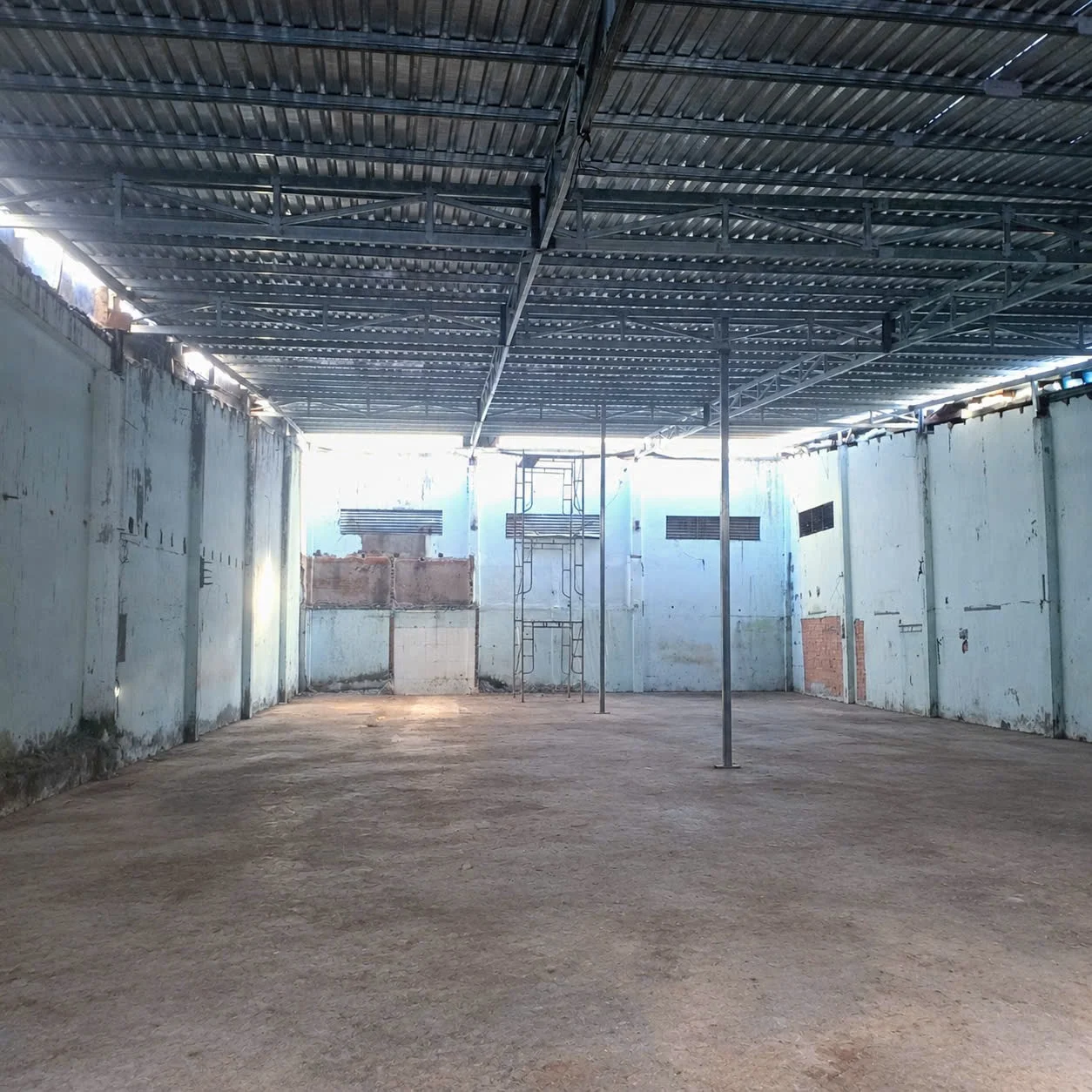
Once you have confirmed that a building use conversion is possible in principle, the practical work follows a fairly predictable sequence. The exact forms and offices differ between provinces and cities, so treat the steps below as a roadmap and confirm details with the local Department of Construction or People's Committee before you start.
- Check land use rights. Review the land use certificate (Giấy chứng nhận quyền sử dụng đất) and the current construction permit. Confirm the land category and whether the intended use fits the approved planning for that street or ward.
- Consult local authorities. Speak with the ward People's Committee and the district-level construction office about zoning, fire safety and parking expectations for your proposed use. A short informal consultation can save weeks of rejected paperwork.
- Prepare documents. Assemble the application and supporting files listed below, ideally with a licensed design consultant who knows local standards.
- Submit the application. File at the one-stop desk of the district People's Committee or the Department of Construction, depending on the scale of the change. Keep stamped copies of everything you submit.
- Await approval. Authorities may request clarifications or an on-site inspection. Respond quickly and in writing to keep the file moving.
- Implement the changes. Only begin construction or fit-out after approval, and follow the approved drawings so that a later inspection does not create problems for your rental agreement.
Documents Needed
Requirements vary, but a typical file includes an application form for changing the building function, a copy of the land use certificate and house ownership papers, the current construction permit, architectural and structural design plans for the new use, and a fire safety plan with fire-fighting equipment details. For a warehouse for rent or an office conversion, you may also need parking and access drawings and a noise or environmental note.
Timeline and Costs
Processing commonly takes around 30 to 60 days, though it can run longer if the file needs revision or an inspection. Budget for administrative fees plus design, fire safety and possible land use purpose adjustment costs; these figures are indicative only and should be checked with local authorities and your consultant before signing a lease.
Common Mistakes to Avoid
Most problems in a building use conversion come from small oversights, not from the rules themselves. Before you commit to a rental property, make sure you are not repeating these typical errors.
Skipping due diligence on zoning
Tenants often assume that because the landlord allows a change of building function, the authorities will too. Zoning, land use purpose and local planning can differ from one ward to the next, even within the same district in Hanoi or Ho Chi Minh City. Check the land use certificate and confirm the permitted use with the local People's Committee before signing anything.
Not getting the landlord's written consent
A verbal agreement is not enough. Ask for written consent that clearly describes the scope of the conversion, who pays for permits, and what happens to the premises at the end of the lease. Without it, disputes over restoration costs are common.
Underestimating fire safety requirements
Fire safety is one of the most frequent reasons conversions stall. Escape routes, extinguishers, alarms and electrical load may all need upgrading, and the cost and timeline should be agreed in advance. Budget for this early rather than treating it as a formality.
Ignoring neighbours' concerns
Noise, parking and delivery traffic can trigger complaints that slow down approvals. Talk to neighbours early and adjust operating hours or access arrangements where possible.
Failing to update the rental contract
Once the use changes, the lease should reflect it: permitted use, rent adjustments, maintenance responsibilities and reinstatement terms. An outdated contract can leave both sides exposed if the conversion is later questioned.
Tips for a Smooth Conversion Process
A building use conversion rarely fails because of one big problem; it usually stalls on small, avoidable gaps. The following habits help expats and businesses keep a rental property conversion on schedule and on budget.
Hire a local legal consultant
Rules on changing building function are applied differently between provinces and even between wards. A local consultant or lawyer who works with the Department of Construction can confirm which permits your case needs and flag issues before you sign a lease. Ask for a fixed fee and a written scope of work.
Communicate early with landlord and neighbours
Tell the landlord about your plans in writing before applying for anything, and confirm who submits the paperwork. For a house-to-office conversion, a short courtesy notice to adjacent units about working hours, deliveries and noise prevents complaints that can delay approvals.
Budget for unexpected costs
Fire safety upgrades, electrical work, extra parking and permit fees often exceed initial estimates. Set aside a contingency of roughly 10–20 percent of the fit-out budget, and treat this as a typical planning range rather than a fixed rule.
Consider hiring an architect for layout changes
An architect can show how partitions, exits and load-bearing walls will change, which makes the permit file stronger and avoids costly rework later. This is especially useful when converting a warehouse for rent into offices or mixed use.
Keep all approvals documented
Store every permit, stamped drawing and approval letter, plus translations if needed, in one shared folder. These documents protect you at inspection and make the rental contract easier to renew.
Conclusion
Building use conversion in Vietnam is a viable option for tenants seeking flexible spaces, but it demands thorough due diligence on zoning, permits, and fire safety. By following the legal framework and avoiding common pitfalls, you can successfully adapt a property to your business needs.
Ready to find the perfect space for your next venture? Browse our listings today and discover rental properties with conversion potential.
Frequently asked questions
Can I change the use of a rented building in Vietnam?
Yes, but only with the landlord's written consent and compliance with local regulations. You must obtain necessary permits, such as construction and fire safety approvals, and ensure the change aligns with zoning laws. The process involves notifying authorities and may require adjusting the lease agreement to reflect the new use.
What is the process to convert a house into an office in Vietnam?
The process includes checking zoning regulations, obtaining landlord permission, applying for a construction permit if structural changes are needed, ensuring fire safety compliance, and notifying neighbors. You may also need to change the land use purpose if the property is on residential land. Consult local authorities for specific requirements.
Do I need a permit to convert a warehouse into an office?
Yes, a permit is typically required. You must apply for a construction permit for any changes to the building's structure or use. Additionally, fire safety approval is mandatory. Check with the Department of Construction and local People's Committee to ensure compliance with zoning and infrastructure requirements.
How long does building use conversion take in Vietnam?
The timeline varies depending on the complexity and local procedures, but it generally takes several weeks to a few months. Factors include permit processing times, fire safety inspections, and any required structural modifications. Engaging a local consultant can help streamline the process and avoid delays.
What are the fire safety requirements for converting a building?
Fire safety requirements include installing fire alarms, extinguishers, emergency exits, and clear evacuation routes. The building must comply with Vietnam's fire safety regulations, and you may need approval from the fire police. It's essential to conduct a fire safety assessment and make necessary upgrades before the conversion is approved.