Serviced Apartments in Ho Chi Minh City for Chinese and Taiwanese Expats
이 글은 아직 이 언어로 번역되지 않았습니다.
Finding serviced apartments for Chinese expats Ho Chi Minh City is straightforward when you know which districts offer Chinese-speaking support and all-inclusive utilities. This guide covers the best neighborhoods, typical amenities, rental steps, costs, and tips to help you secure a comfortable home in Vietnam's largest city.
Why Chinese and Taiwanese Expats Choose Serviced Apartments in Ho Chi Minh City

Ho Chi Minh City has become a base for a growing Chinese and Taiwanese business community, from manufacturing and trading firms to tech, logistics and finance professionals on rotation. Many arrive on short notice and need housing that works from day one, without the hassle of buying furniture or setting up utilities. That demand is one reason serviced apartments for Chinese expats Ho Chi Minh City have become such a practical default.
Key Benefits of Serviced Apartments
Serviced apartments combine the privacy of a home with hotel-style support. Most units come fully furnished, with utilities, internet and regular housekeeping typically bundled into the monthly rate. Buildings usually have reception, 24-hour security and maintenance on call, which matters when you are still learning the city.
Flexibility is the other big draw. Many landlords accept stays of a few months rather than a full year, so a short-term assignment or a project-based posting does not lock you into a long commitment. For Taiwanese expat housing Ho Chi Minh City, this flexibility often outweighs the slightly higher monthly cost compared with an unfurnished long-term lease.
Location also works in your favour. Serviced buildings cluster near the central business districts and around areas with Chinese-speaking shops, restaurants and community networks, and several sit within reach of international schools. A furnished apartment in Thao Dien, for example, gives you a quiet residential base while keeping District 1 and the Thu Thiem area accessible.
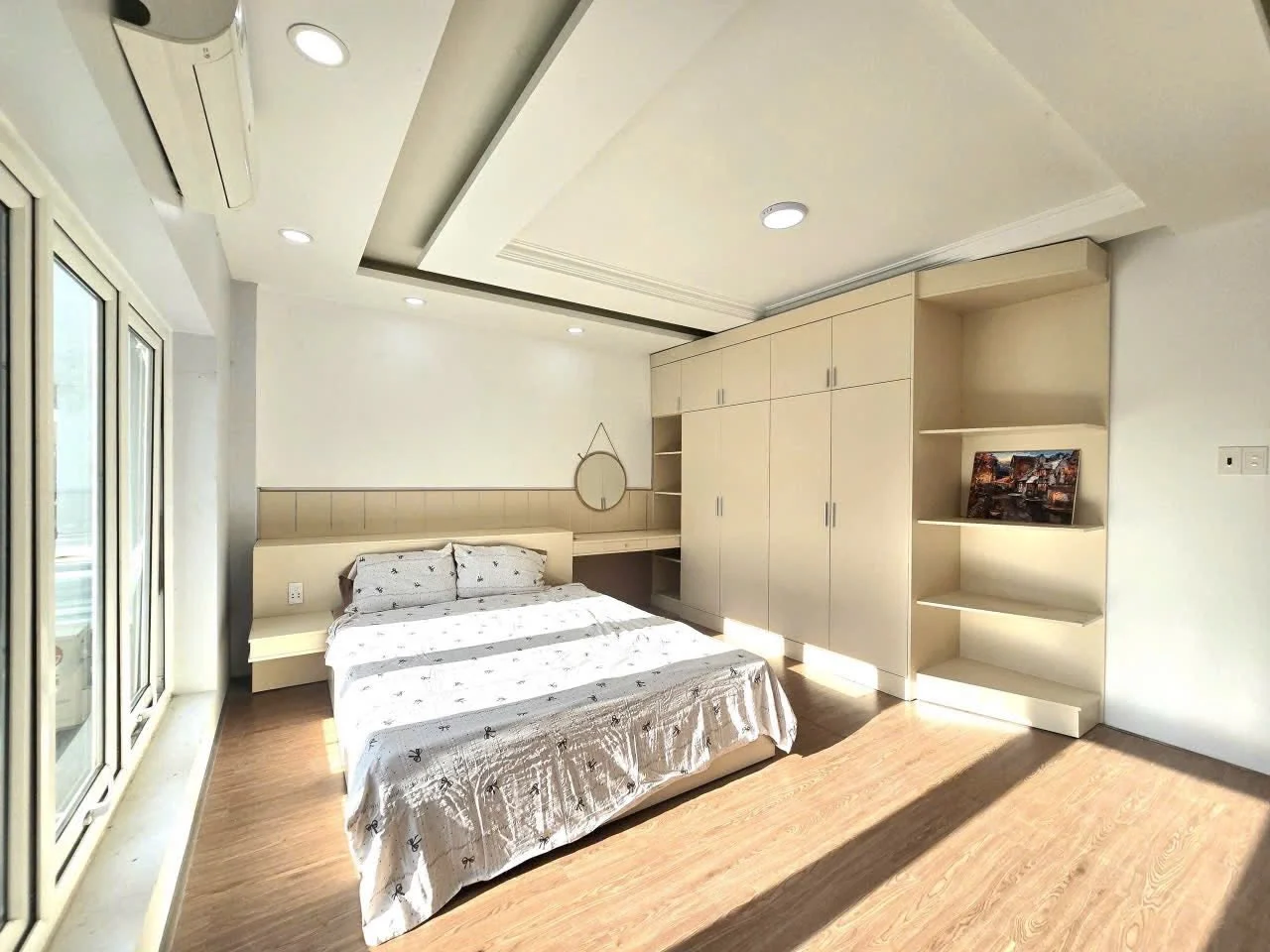
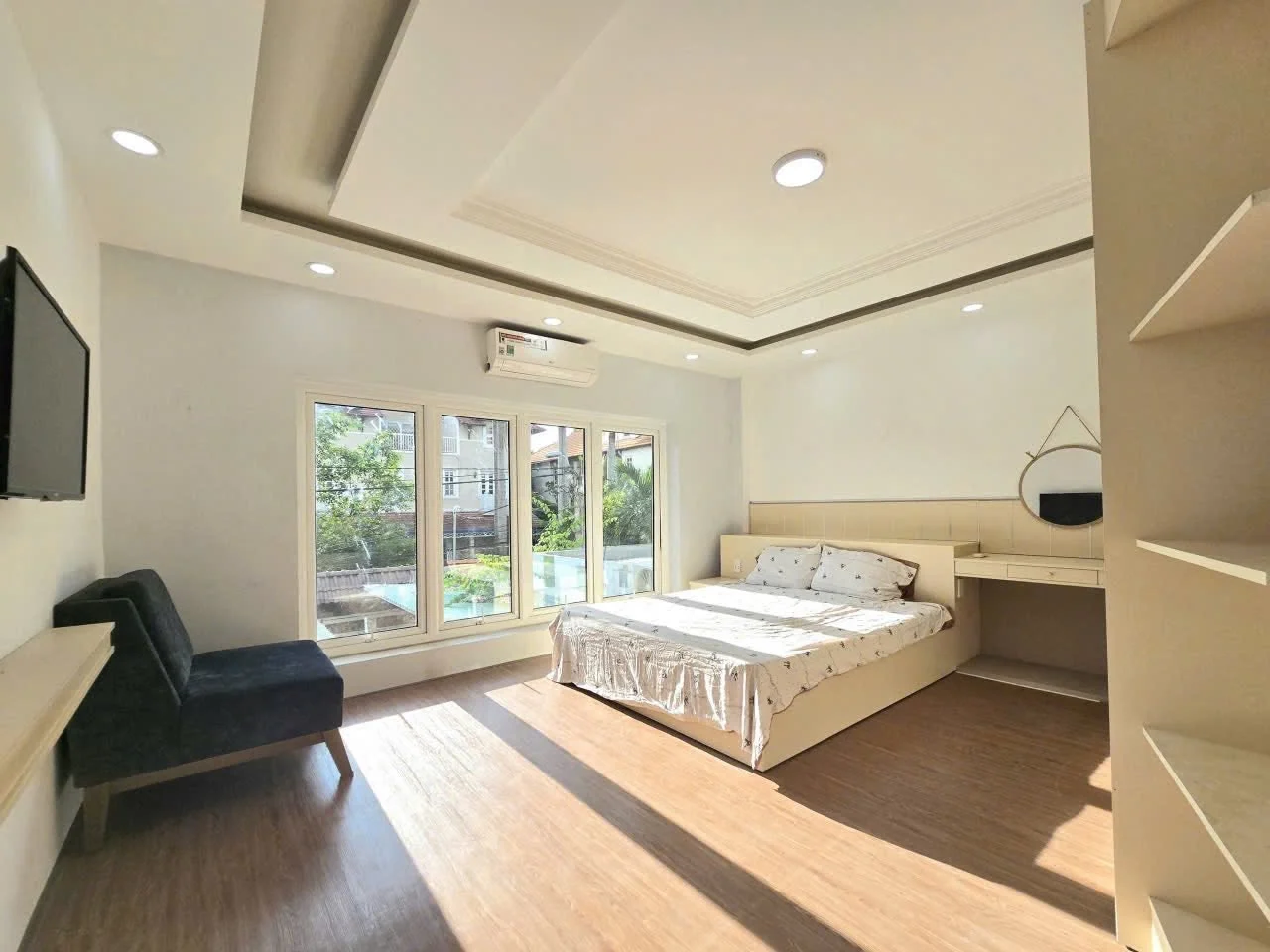
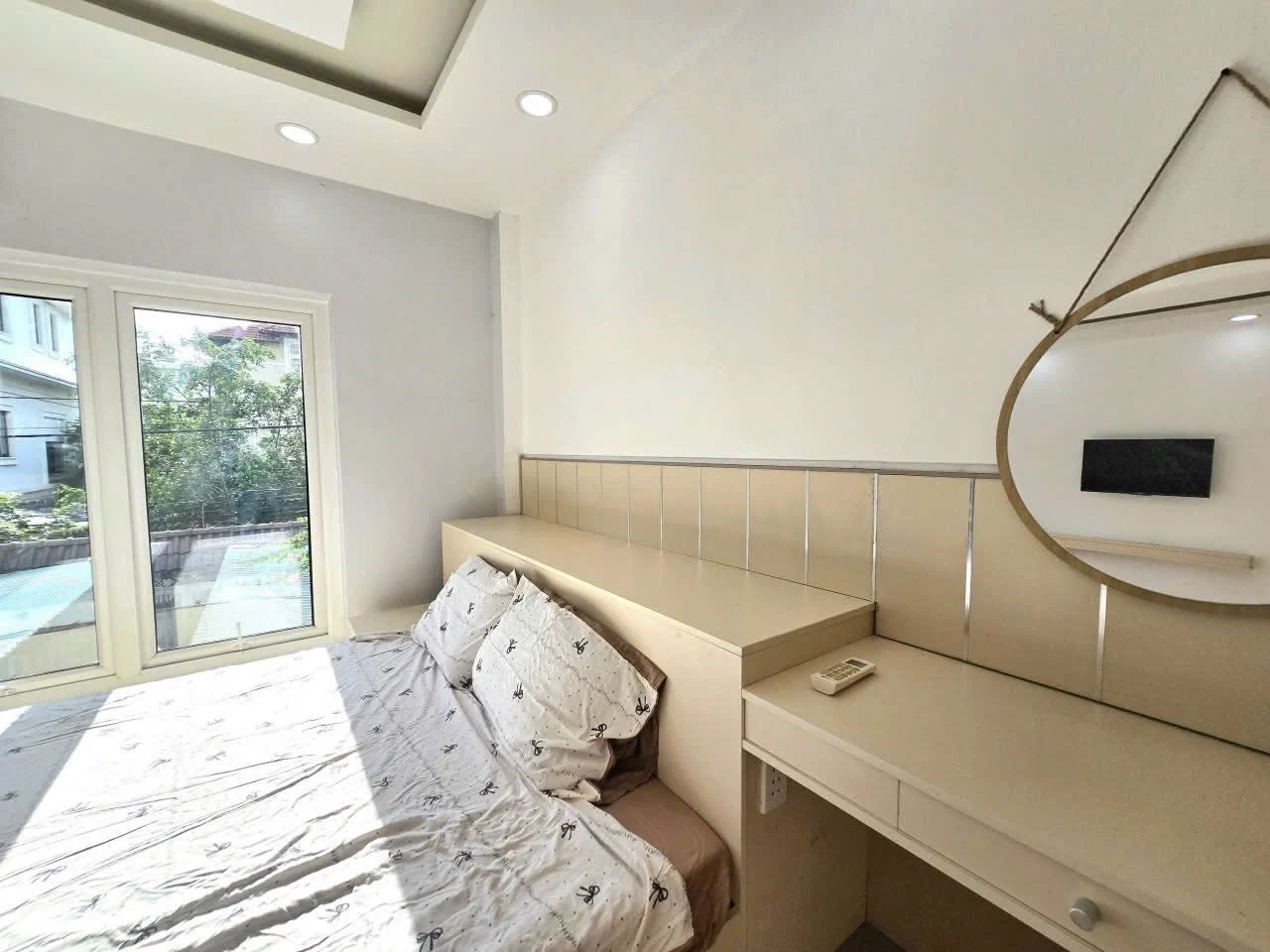
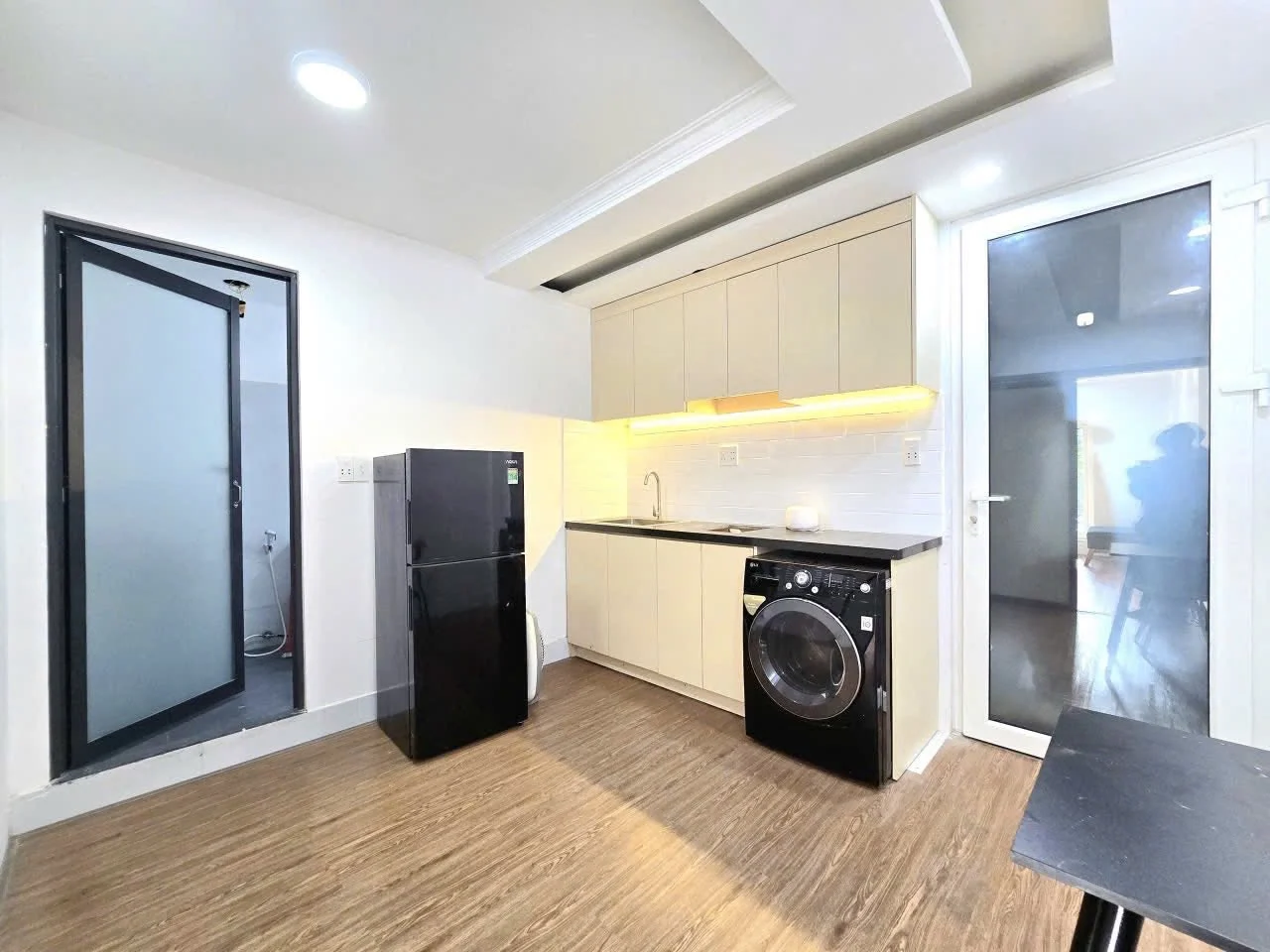
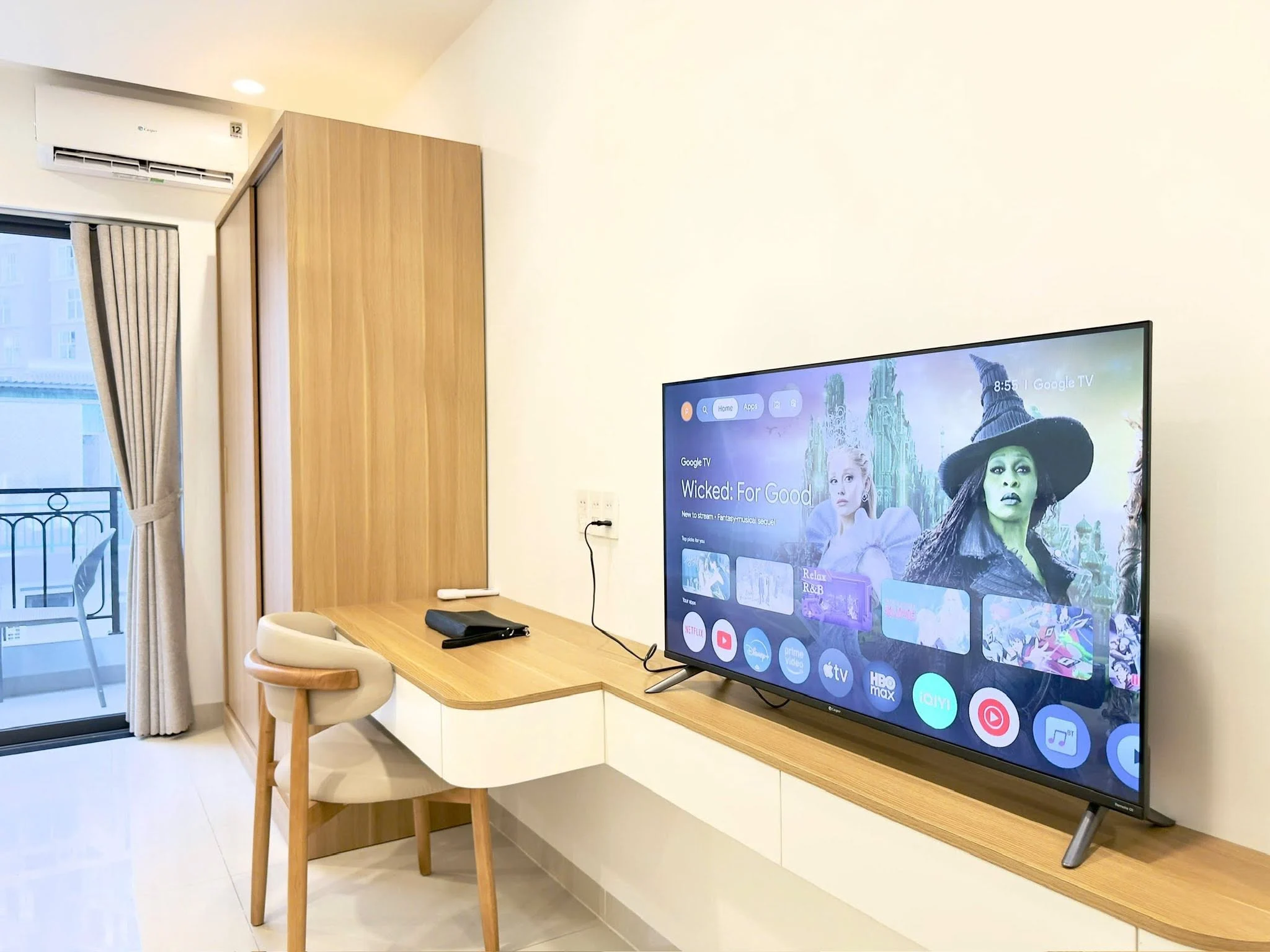
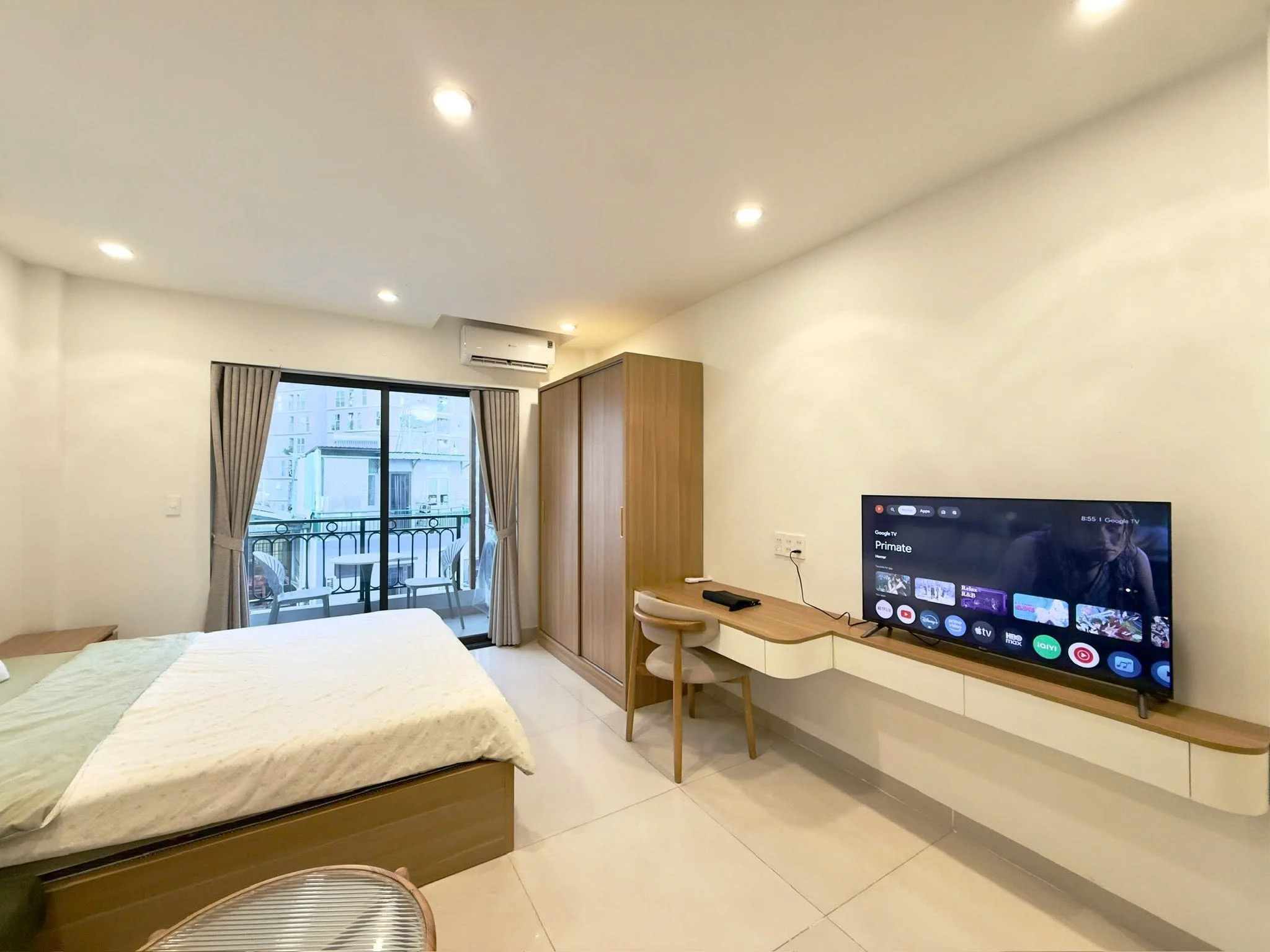
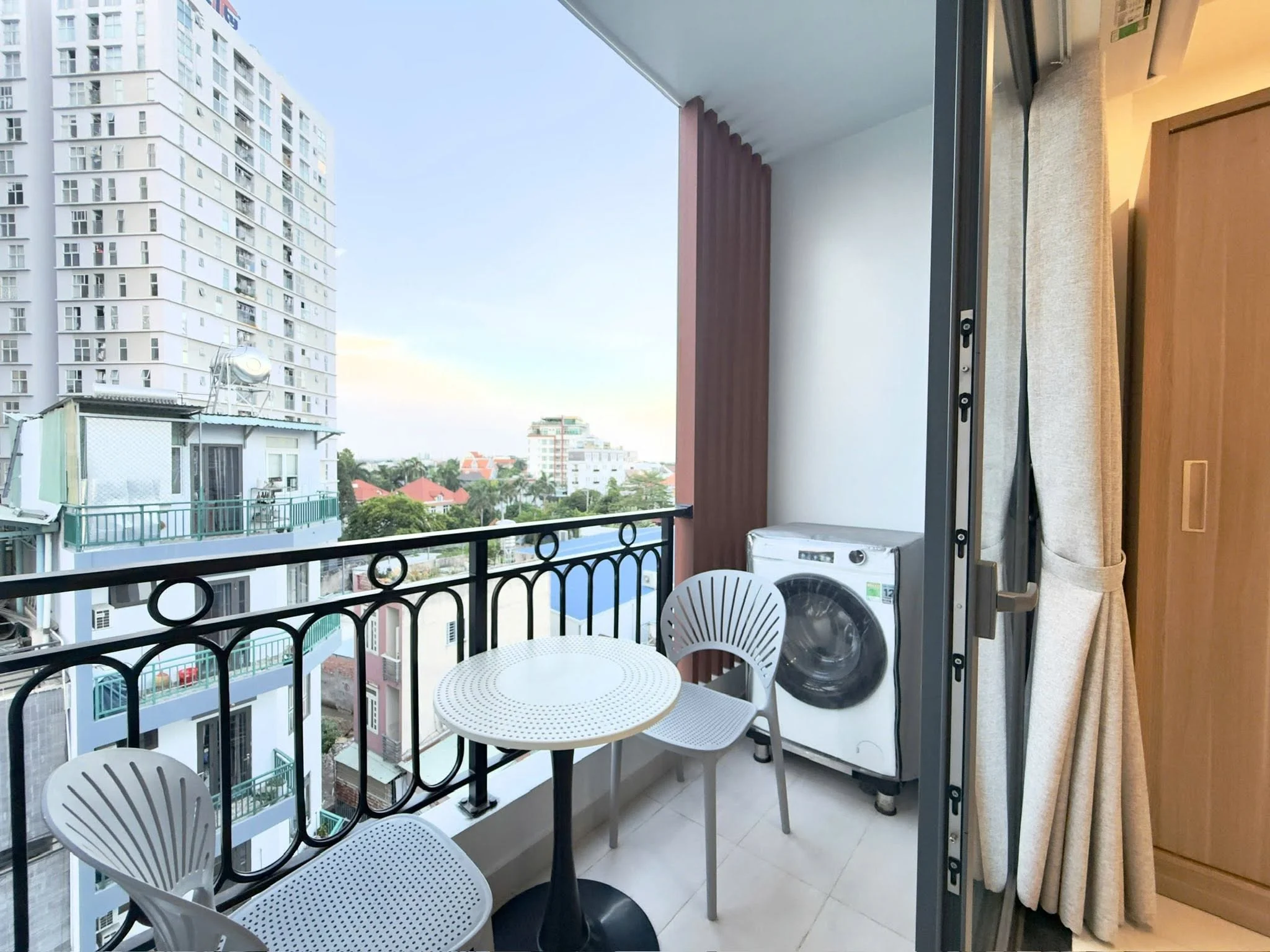
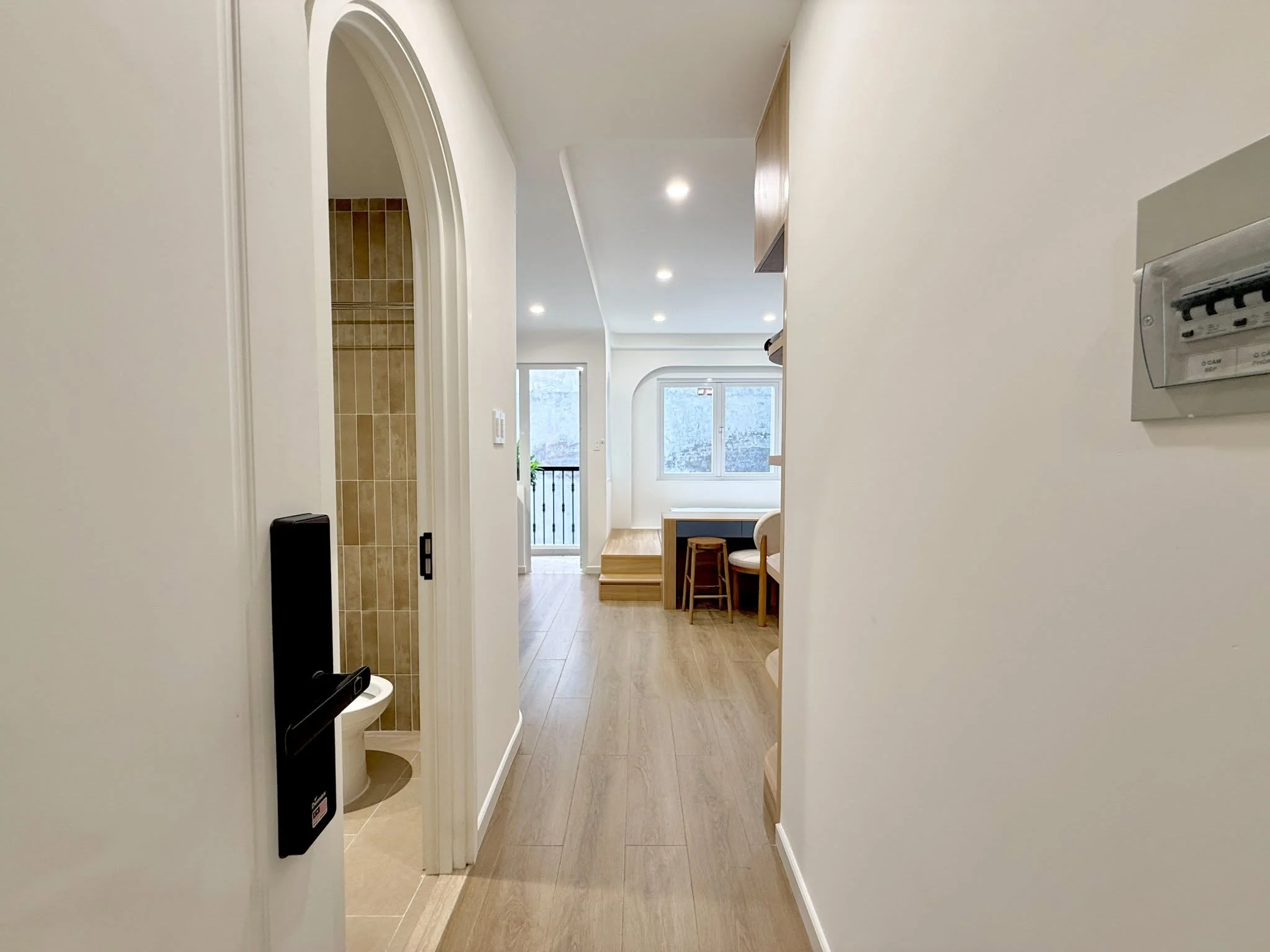
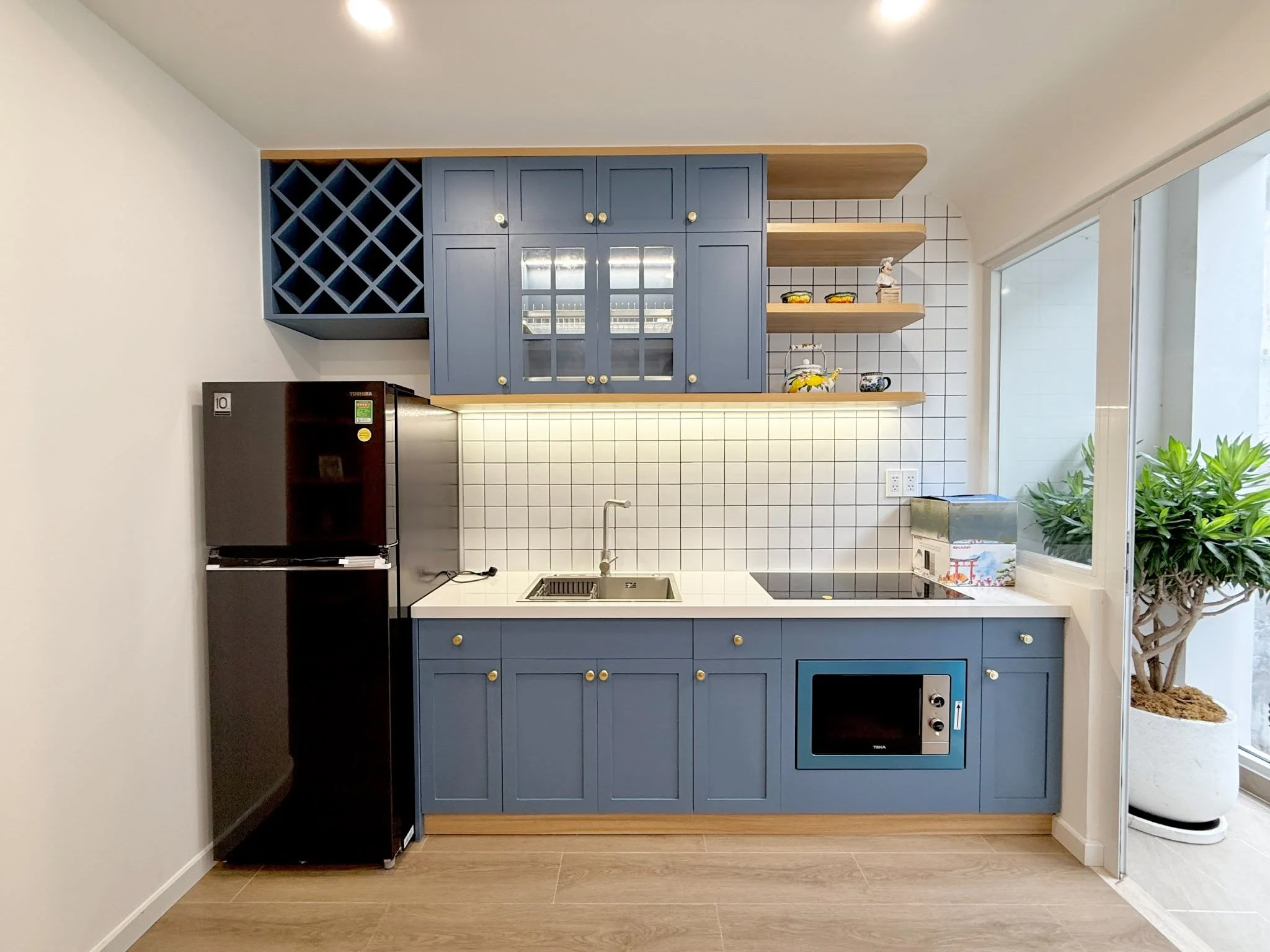
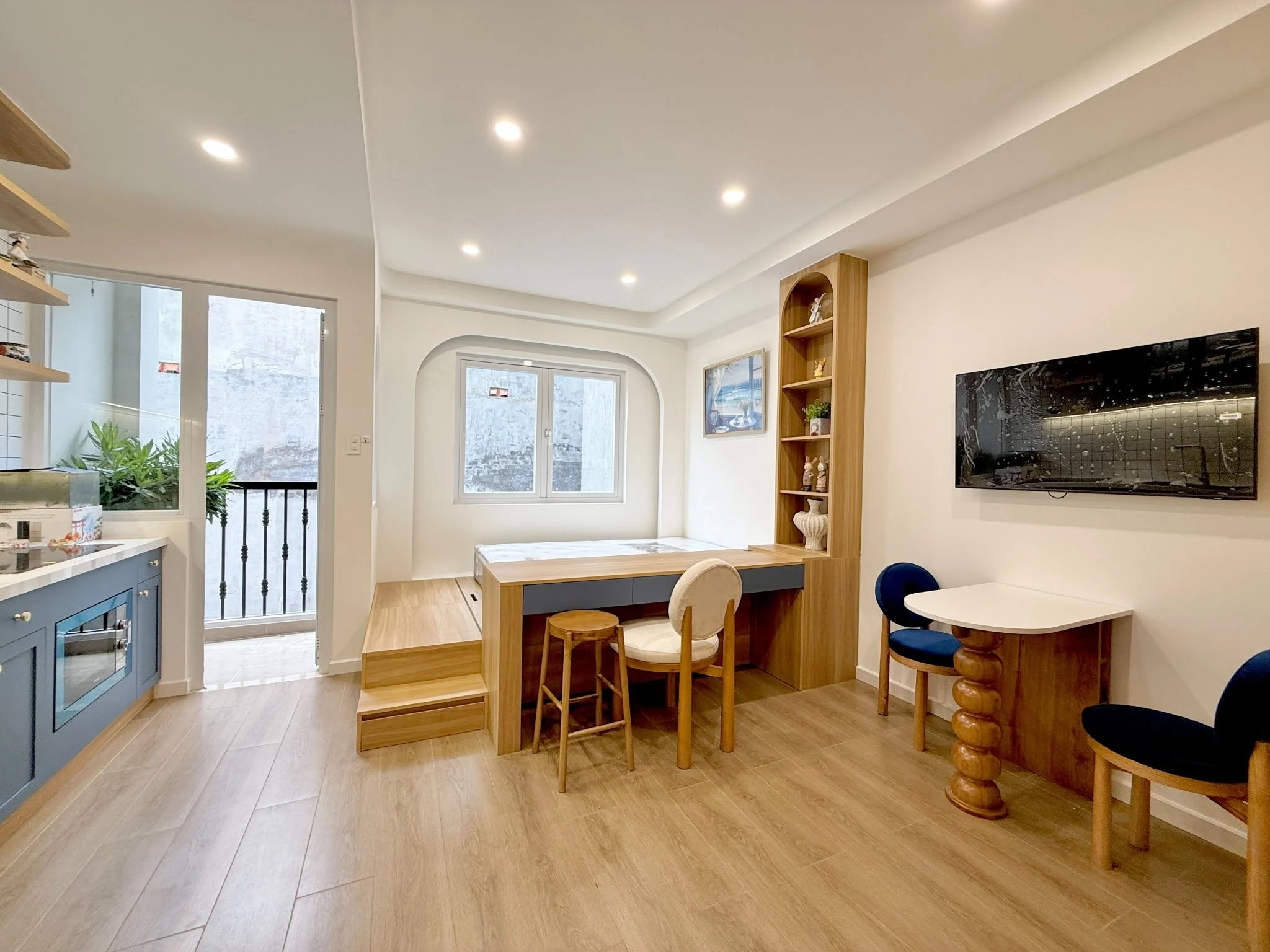
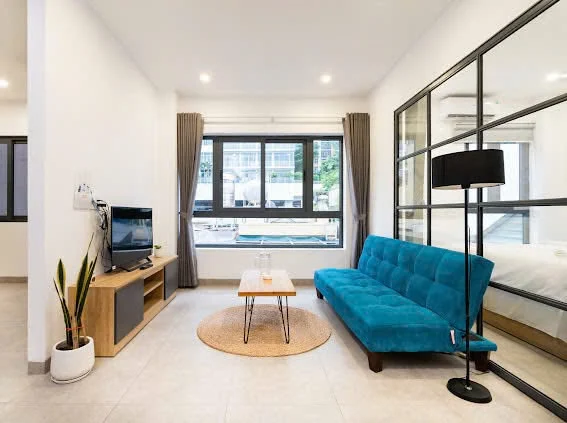
A typical example of this style of housing is a bright one-bedroom serviced apartment near Giang Van Minh in An Phu.
Who Typically Rents Serviced Apartments?
The core renters are managers and engineers on short assignments, employees of Chinese and Taiwanese companies setting up or expanding local operations, and families waiting for a long-term home to be ready. Smaller studios and one-bedroom units suit single professionals, while two-bedroom furnished apartments for foreigners in Ho Chi Minh City are common for couples and small families. Lease lengths vary, but three, six and twelve months are typical, and terms should always be confirmed with the landlord or agent.
Best Districts in Ho Chi Minh City for Chinese and Taiwanese Renters
Where you live shapes your daily commute, your children's schooling and how easily you settle in. The city's main expat districts each offer a different mix of housing, amenities and access to work, so it helps to compare them before you shortlist serviced apartments for Chinese expats Ho Chi Minh City.
District 7: Phu My Hung
Phu My Hung in District 7 is the most established choice for families. Wide, walkable streets, international schools, clinics, supermarkets and a growing number of Chinese and Taiwanese restaurants make daily life easy. Most housing is in modern high-rise compounds with pools, gyms and 24-hour security, and District 7 serviced apartments tend to suit longer leases and larger households.
The trade-off is distance: commuting to District 1 can take considerably longer in peak traffic. Many families accept this in exchange for space, safety and a strong community atmosphere.
District 2: Thu Duc City
Thao Dien and An Khanh in District 2 (now part of Thu Duc City) offer a mix of serviced apartments and villas, often with leafy surroundings and international food options. The area is convenient for professionals working in the Thu Duc industrial parks and the eastern parts of the city, and it is popular with Taiwanese expat housing Ho Chi Minh City searches thanks to its family-friendly feel.
A good example of the furnished apartments for foreigners in Ho Chi Minh City available here:

호치민시 탈로이(Thảo Điền) 응우옌반흐엉(Nguyễn Văn Hương) 거리 풀퍼니시드 2베드룸 아파트
1500만 VND / 월
- 80 m²
- 2 침실
- 2 욕실
- 타오디엔, 호찌민시
District 1: Central Business District
District 1 puts you in the middle of the central business district, close to offices, banks and embassies. High-rise serviced apartments here appeal to single professionals and short-stay business travellers who value a short commute. Expect smaller units, higher rents and more street noise than in the outer districts.
Other Notable Areas
Binh Thanh and District 4 are emerging options with good value and quick access to District 1. They suit renters who want to be near the centre without paying central prices, though the choice of international schools and Chinese-speaking services is thinner. Always visit at different times of day to judge noise and traffic.
| District | Lifestyle | Commute to District 1 | Amenities |
|---|---|---|---|
| District 7 (Phu My Hung) | Family-oriented, suburban, calm | Longer, traffic-dependent | International schools, malls, clinics |
| District 2 (Thu Duc City) | Relaxed, mixed apartments and villas | Moderate | International food, schools, parks |
| District 1 | Urban, central, busy | Very short | Offices, retail, dining |
| Binh Thanh / District 4 | Local, good value | Short | Markets, cafes, basic services |
Typical Features and Amenities in Serviced Apartments
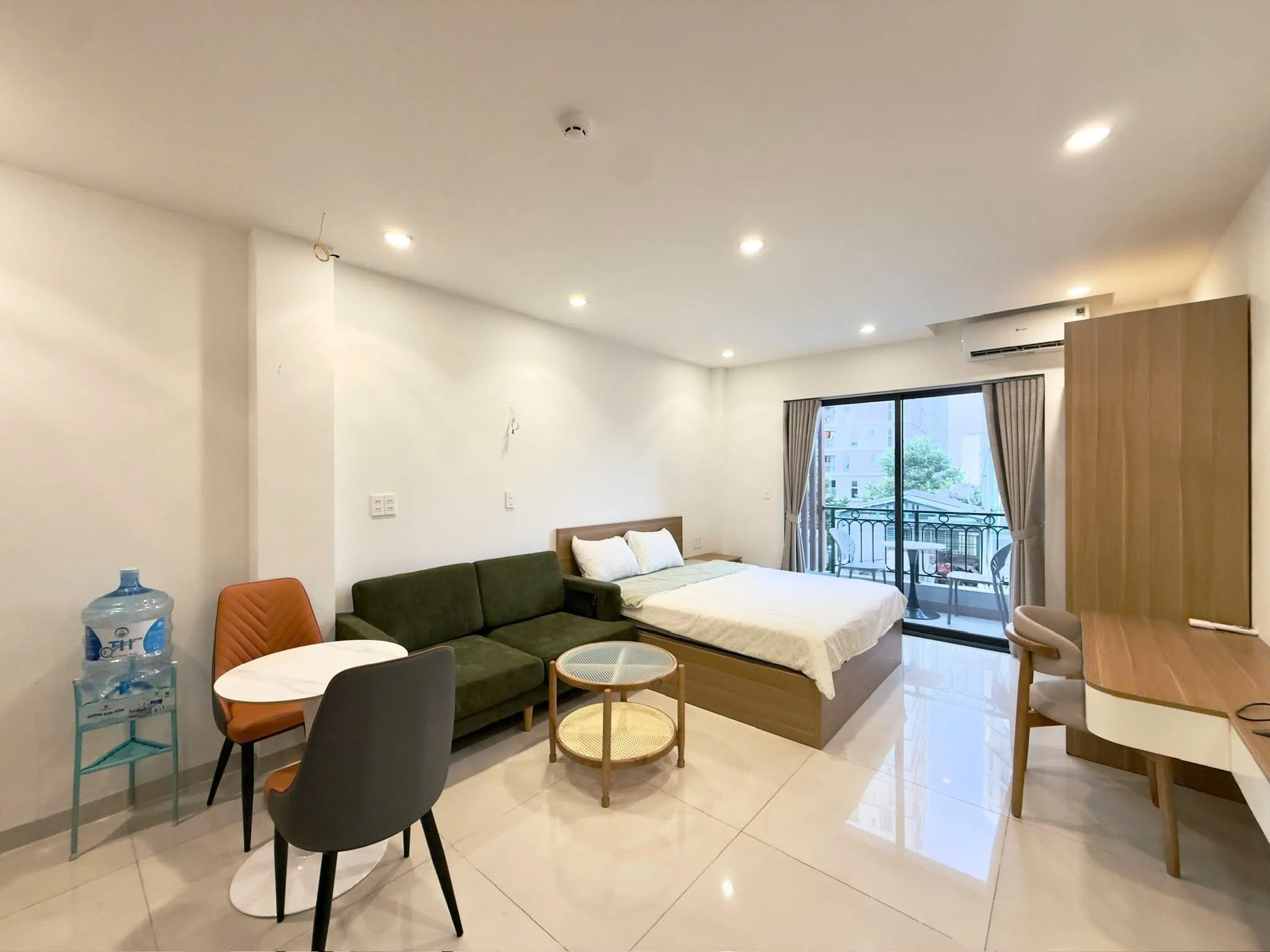
Serviced apartments in Ho Chi Minh City generally fall between a hotel and a standard rental: you get a furnished, self-contained unit with hotel-style services, but on a monthly lease. For Chinese and Taiwanese expats, the best buildings also offer language and lifestyle support that makes the first months much easier.
In-Unit Features
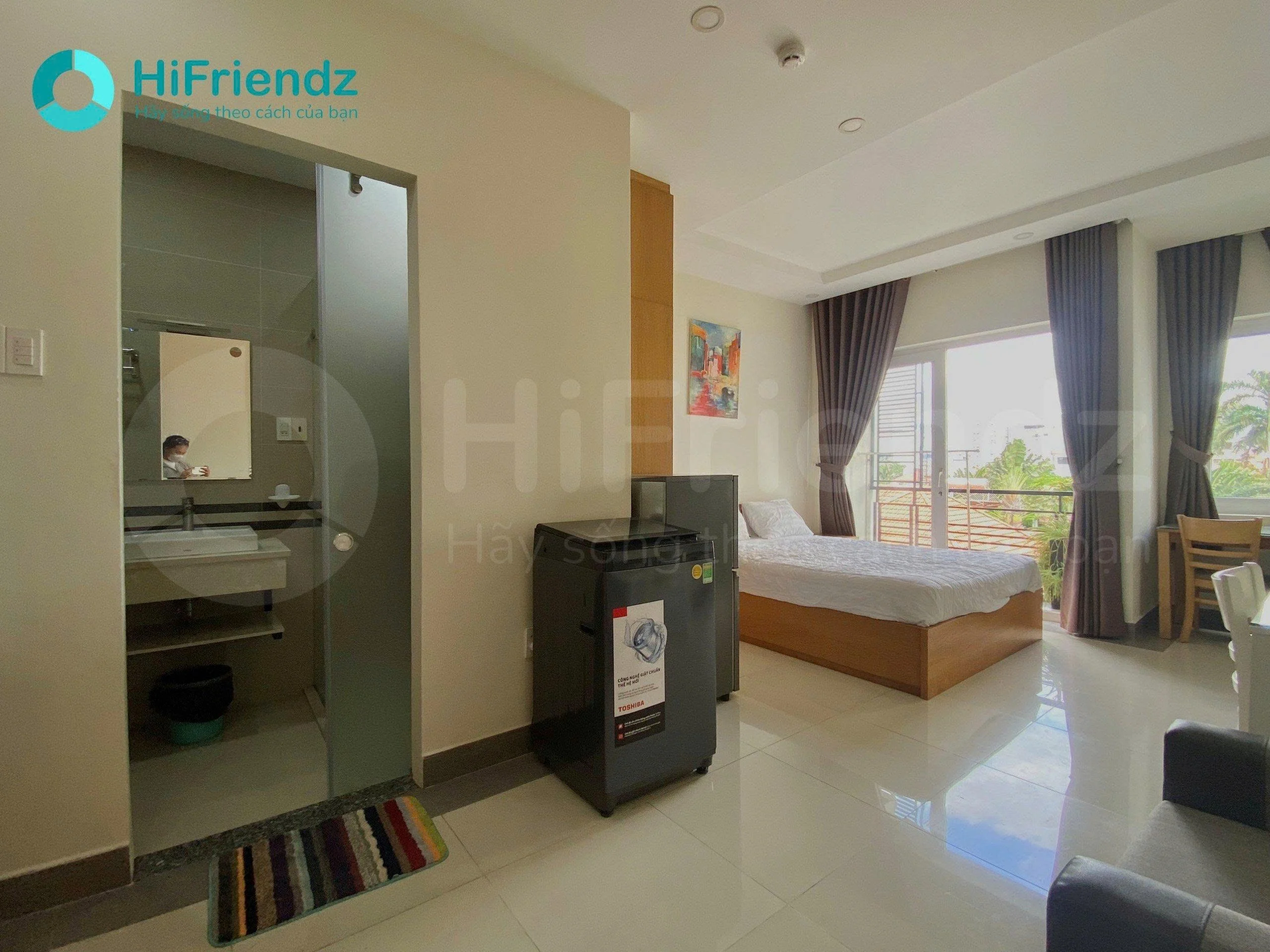
Most serviced apartments for Chinese expats Ho Chi Minh City come fully furnished with a sofa, dining table, bed and wardrobe, plus a kitchenette or full kitchen with a stovetop, fridge, microwave and basic cookware. You can usually expect a washer/dryer (or a shared laundry room), air conditioning in every room, high-speed Wi-Fi, and cable TV with international channels. Some operators include Asian-language channels such as Mandarin or Taiwanese news and entertainment; ask for the channel list before signing.
Units are typically cleaned once or twice a week, with linen and towel changes included. Check whether electricity is billed separately or capped in the rent, since air-conditioning use can vary a lot between buildings.
Building Amenities and Services
Common building amenities include 24/7 security, secure parking for motorbikes and sometimes cars, a swimming pool, a gym, and a lobby with reception. Many buildings also offer a small convenience store, a coffee shop or a co-working corner. For Taiwanese expat housing Ho Chi Minh City, the most useful extras are Chinese-speaking reception staff, WeChat or Zalo support for maintenance requests, and help with parcel delivery and visa paperwork.
Nearby Asian grocery stores—common in District 7 and around Ben Thanh—make it easy to buy familiar ingredients. Utility inclusions vary: some rents cover management fees, water and Wi-Fi, while electricity is usually charged at a metered rate. Always confirm what is included in writing, as terms differ by building and should be checked before you commit.
How to Find and Rent a Serviced Apartment: Step-by-Step
Finding serviced apartments for Chinese expats Ho Chi Minh City does not have to be complicated, but a structured approach saves time and reduces risk. The process below works whether you are relocating alone, with family, or arranging housing for a colleague.
Research and Shortlist
Step 1: Define your brief. Set a realistic monthly budget, list two or three preferred districts, and write down must-have amenities such as a kitchen, washing machine, gym, parking or Chinese-language TV channels. A clear brief helps agents filter options quickly.
Step 2: Research online and shortlist agencies. Browse listing portals and Facebook or WeChat expat groups, but treat individual posts with caution. For serviced apartment rental Saigon, working with a reputable agency that offers English or Chinese support gives you a verifiable paper trail and someone accountable if issues arise.
Viewings and Negotiation
Step 3: Schedule viewings. Visit in person where possible, or request a live video walkthrough if you are still abroad. Ask specifically about lease length, deposit size, which utilities and services are included, notice periods, and any cleaning or management fees.
Step 4: Negotiate and review the contract. Compare two or three similar units before agreeing on rent, and confirm what the quoted price covers. Insist on a contract in a language you fully understand; a Chinese or English translation alongside the Vietnamese version is common and worth requesting.
Lease Agreement and Move-In
Step 5: Sign, pay and move in. Pay the deposit only after signing, obtain a receipt, and keep copies of the contract, the landlord's ID and the property ownership documents. Arrange a move-in checklist and note the meter readings on day one.
To avoid scams, never transfer money to an individual before viewing the unit or verifying ownership, and be wary of rents far below market rate. For Chinese-speaking apartment rental HCMC, choose agents with a physical office and check reviews. Verify that the person signing is the registered owner or an authorised representative, and confirm the building permits short-term foreign tenants. Rules vary by building, so always check.
Lease Terms and Costs: What to Expect
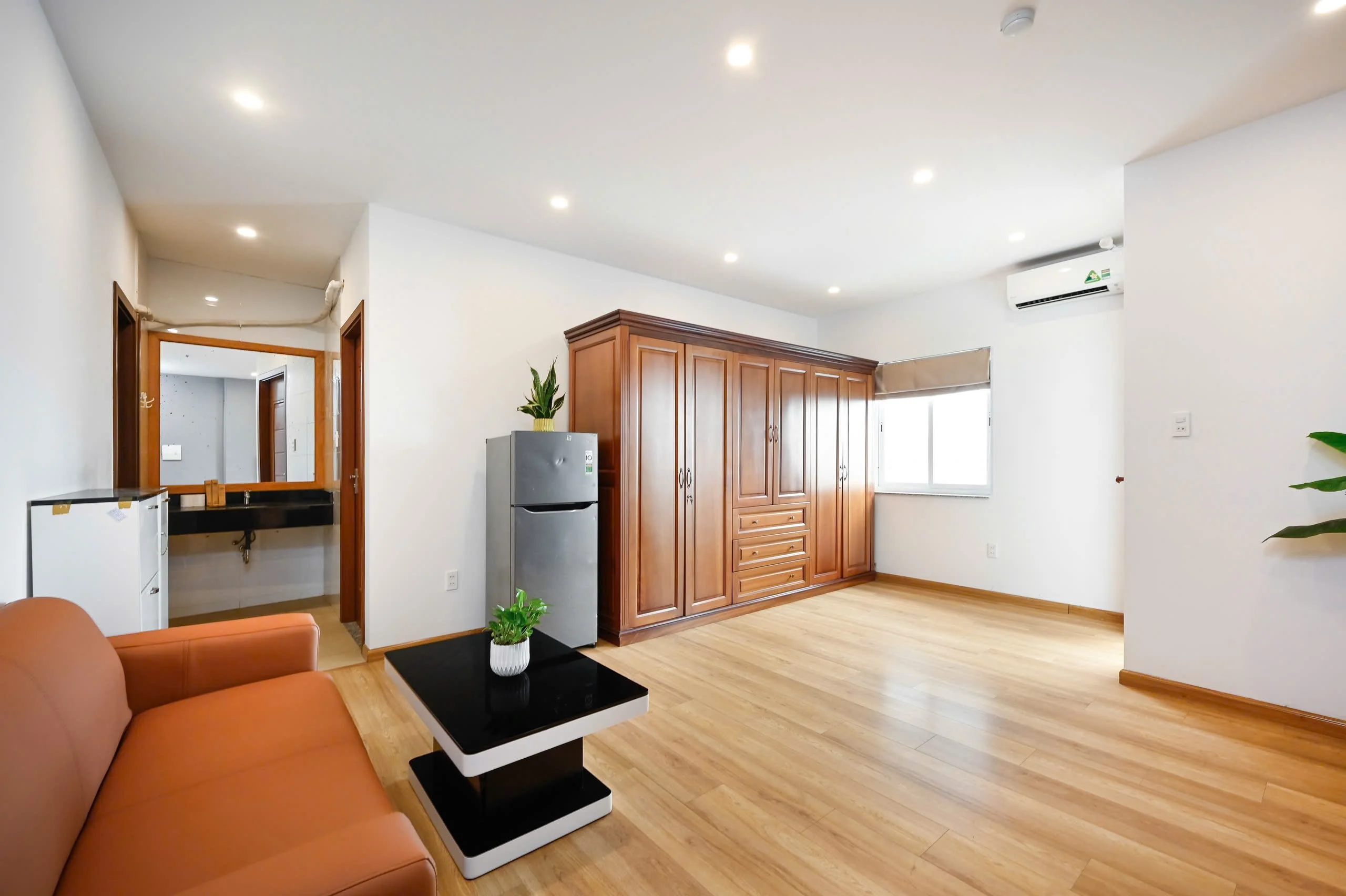
Budgeting for a serviced apartment rental Saigon style means understanding both the upfront commitment and the recurring monthly costs. Terms are usually straightforward, but they vary by building and landlord, so always confirm the details in writing before signing.
Lease Duration and Deposit
Most serviced apartments in Ho Chi Minh City are rented on contracts of six to twelve months, though some buildings accept shorter stays of one to three months at a higher monthly rate. A deposit of one to two months' rent is typical and is normally returned at the end of the lease, minus any damage or unpaid utility charges.
Rent is quoted and paid in Vietnamese dong (VND). Bank transfer is the most common method, and larger operators may accept international transfers; cash is also widely accepted. Ask whether the rent is fixed for the whole term or reviewed at renewal, and get the deposit refund conditions in writing.
Monthly Costs and Utilities
Check carefully which costs are bundled into the rent. Electricity is often charged separately per meter, especially in smaller buildings, while water, internet, cable and management fees are frequently included in managed serviced apartments. Air-conditioning use in Saigon can push electricity bills noticeably higher in the hot months, so ask for a typical monthly figure.
For taxes and legal requirements, landlords are responsible for registering the lease and declaring rental income; foreign tenants should ensure their stay is properly documented and confirm with the landlord or a local advisor what paperwork is needed. As a rough planning guide, a furnished one-bedroom unit might range from budget-friendly in outer areas to premium in District 1 or Phu My Hung, with District 7 and District 2 sitting in between — always verify current quotes.
Tips for Chinese and Taiwanese Expats: Language, Community, and Lifestyle
Finding a Chinese-Speaking Community
Areas with a visible Chinese-speaking presence include parts of District 5 (Cholon), where Chinese-language signage, clan associations and Cantonese or Mandarin-speaking shopkeepers are common. In District 7, Phu My Hung has a growing cluster of Taiwanese and Chinese families, supported by restaurants, bakeries and grocery stores that cater to East Asian tastes. District 2 (Thu Duc City) also has pockets of Chinese-speaking residents, particularly around Thao Dien and An Phu, where international schools and family-oriented amenities attract expats.
For everyday needs, look for Chinese supermarkets, dim sum restaurants and traditional medicine shops in Districts 5 and 7. These areas make it easier to settle in, especially during the first few months.
Language and Communication
Vietnamese is the main language, and English is widely spoken in serviced apartments and business settings but less so in local markets and taxis. Learning basic Vietnamese phrases—greetings, numbers and directions—goes a long way. Translation apps such as Google Translate (with offline Vietnamese packs) and Zalo (Vietnam's popular messaging app) help with daily communication.
For important matters like lease negotiations or medical appointments, consider hiring a bilingual assistant or using a Chinese-speaking rental agent. Many serviced apartment operators in District 7 and District 2 have staff who speak Mandarin or Cantonese, which can simplify serviced apartment rental Saigon processes.
Schools and Healthcare
International schools with Chinese-language support or Mandarin curricula are available in District 7 and District 2, though fees and waitlists vary—check directly with each school. For healthcare, hospitals such as FV Hospital in District 7 and international clinics in District 1 often have Chinese-speaking staff or interpretation services; confirm availability when booking.
Community groups on WeChat, Facebook and Zalo connect Chinese and Taiwanese expats for networking, parent groups and social events. These networks are valuable for recommendations on serviced apartments for Chinese expats Ho Chi Minh City and for settling in.
This guide is also available in Simplified and Traditional Chinese versions for easier sharing with family or colleagues.
Common Mistakes to Avoid When Renting a Serviced Apartment
Even experienced renters can slip up when searching for serviced apartments for Chinese expats Ho Chi Minh City. Most problems trace back to a handful of avoidable mistakes, and catching them early saves both money and stress.
Contract and cost pitfalls
- Signing without reading every clause. Ask for the contract in English or Chinese where possible, and clarify terms on early termination, deposit refunds, renewal and guest rules before signing.
- Assuming utilities are included. Confirm in writing which services (electricity, water, internet, cleaning, laundry) are bundled and which are metered or billed separately.
- Underestimating extras. Parking, electricity overage, extra cleaning or guest fees can add meaningfully to the monthly total; ask for a full cost breakdown.
- Not negotiating. Longer stays or off-peak timing can sometimes soften rent or terms—it is worth asking politely.
Location and due diligence
- Ignoring the commute. Test the actual morning drive from a District 7 serviced apartment to your office, and check walking distance to supermarkets, clinics and restaurants.
- Skipping the landlord check. Ask for the management company's name, recent tenant feedback and proof of ownership or authorization to rent.
- Rushing the inspection. Walk through the unit before signing: test air conditioning, water pressure, Wi-Fi and appliances, and photograph any existing damage.
A little patience during the Taiwanese expat housing Ho Chi Minh City search prevents most disputes later.
Conclusion
Choosing the right serviced apartment in Ho Chi Minh City involves understanding district profiles, verifying lease terms, and leveraging Chinese-speaking support. By following the steps and tips outlined, you can avoid common pitfalls and find a home that suits your lifestyle and budget.
Ready to explore? Browse our curated listings of serviced apartments tailored for Chinese and Taiwanese expats and start your hassle-free rental journey today.
Frequently asked questions
What is the average rent for a serviced apartment in Ho Chi Minh City for Chinese expats?
Rent varies by district and apartment size. In District 7 (Phu My Hung), a one-bedroom serviced apartment typically ranges from 15 to 25 million VND per month, while in District 2 (Thu Duc City), similar units may cost 12 to 20 million VND. District 1 commands higher prices, often 20 to 35 million VND. These figures are indicative and depend on amenities and lease terms.
Are utilities included in serviced apartment rent in Ho Chi Minh City?
Many serviced apartments include utilities such as water, internet, and cable TV in the rent, but electricity is often charged separately based on usage. Some premium buildings may include electricity up to a cap. Always confirm with the landlord which utilities are included and request a sample bill to understand potential extra costs.
Can I rent a serviced apartment in Ho Chi Minh City without speaking Vietnamese?
Yes, you can. Many serviced apartments, especially in expat-friendly districts like District 7 and District 2, have English-speaking staff. Some buildings also employ Chinese-speaking staff to assist Chinese and Taiwanese tenants. Using a bilingual agent or a reputable listing platform can further ease communication and help you navigate the rental process.
What documents do I need to rent a serviced apartment in Ho Chi Minh City as a foreigner?
Typically, you need a valid passport with a visa or temporary residence card, and sometimes proof of employment or a reference letter. Landlords may also require a deposit equivalent to one or two months' rent. Ensure your visa status allows long-term stay; tourist visas may not be accepted for long-term leases.
Are there serviced apartments with Chinese-speaking staff in Ho Chi Minh City?
Yes, several serviced apartment buildings in Districts 7, 2, and 1 have Chinese-speaking staff to cater to the Chinese and Taiwanese expat community. These buildings often advertise this service and may also offer Chinese-language materials. It's advisable to confirm the availability of Chinese-speaking support during your inquiry or viewing.