What Is a Serviced Apartment? A Clear Guide for Expats in Vietnam
この記事はまだこの言語に翻訳されていません。

What is a serviced apartment? It is a fully furnished rental property that comes with hotel-like services such as housekeeping, security, and maintenance, typically rented on a medium- to long-term basis. For expats and businesses in Vietnam, serviced apartments offer a convenient and comfortable living solution in major cities like Ho Chi Minh City, Hanoi, and Da Nang.
Serviced Apartment Definition: What Exactly Is It?

A serviced apartment is a fully furnished rental property that comes with hotel-like services such as regular housekeeping, linen changes, and a reception or management team on site. Unlike a standard apartment, you do not need to buy furniture or set up utilities; you simply move in with your luggage. This makes it a practical option for expats who want a ready-to-live space without the hassle of long-term setup.
Serviced apartments are typically rented for medium to long terms, ranging from one month to a year or more. This flexibility sets them apart from hotels, which are usually booked by the night, and from regular apartments, which often require longer leases and self-furnishing. In short, a serviced apartment bridges the gap between a hotel and a regular apartment, offering the privacy of a home with the convenience of hospitality services.
Key Characteristics of Serviced Apartments
Beyond housekeeping and reception, serviced apartments often include amenities like Wi-Fi, cable TV, a fitness center, and sometimes a pool or garden. The exact serviced apartment amenities vary by building, but the core idea is a hassle-free living experience. Units are usually available in several layouts to suit different needs: studio, one-bedroom, two-bedroom, and even penthouse options. This range means solo travelers, couples, and families can all find a suitable fit.
Who Are Serviced Apartments For?
Serviced apartments are ideal for expats on medium-term assignments, business travelers needing more space than a hotel room, and families relocating to Vietnam. They also suit companies looking for comfortable accommodation for staff. In Vietnam, serviced apartments are common in major cities like Ho Chi Minh City and Hanoi, particularly in expat-friendly districts such as District 2 (Thao Dien) and District 1 in HCMC. For example, a pet-friendly serviced apartment in Thao Dien offers added flexibility for those traveling with animals.
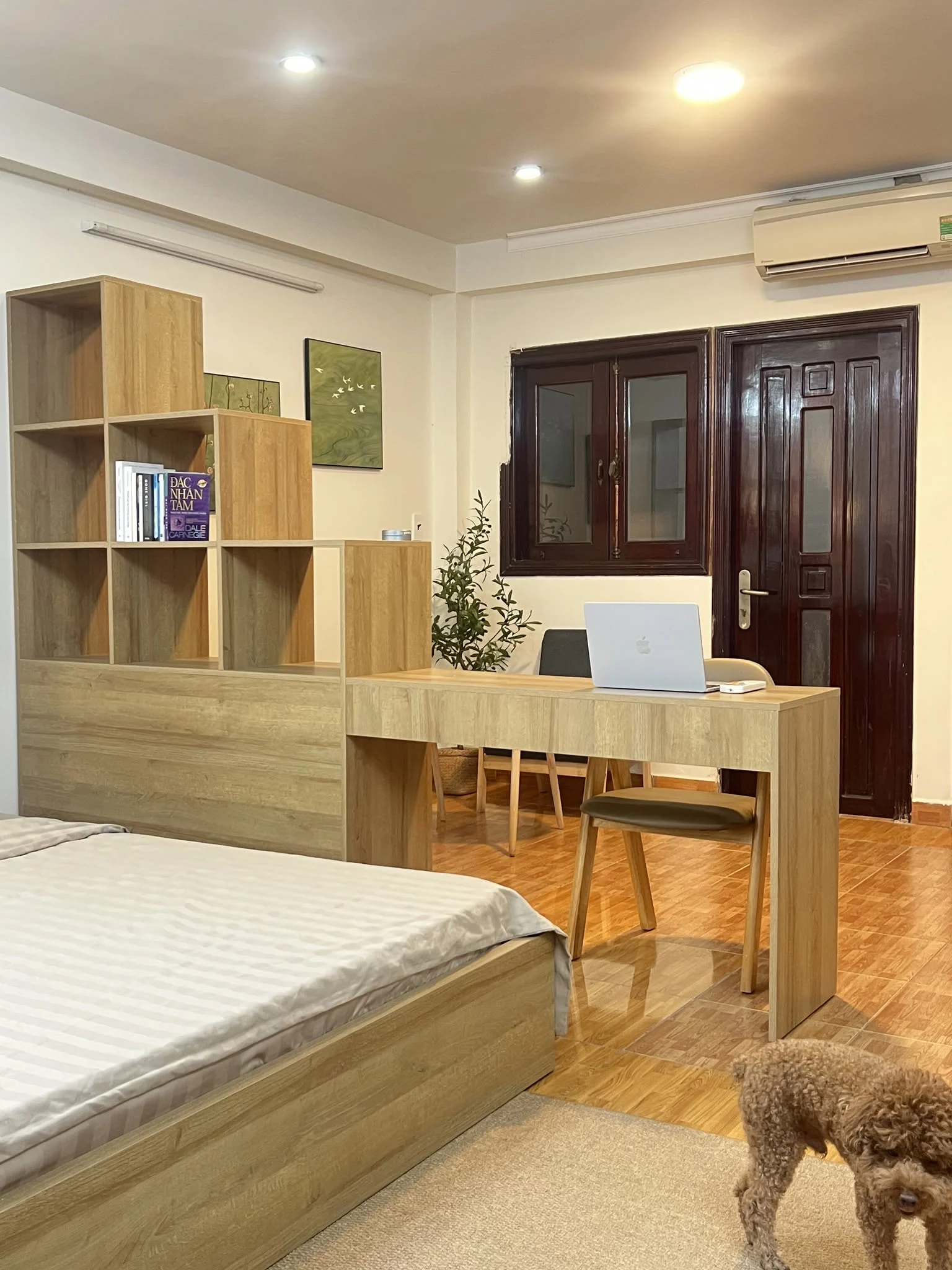
Thảo Điền, District 2, HCMCのThao Dien Hausにあるペット可サービスアパートメント
価格はお問い合わせください
- Thao Dien Haus, タオディエン, 2区, ホーチミン市
Key Features and Amenities of Serviced Apartments
What separates a serviced apartment from an ordinary rental is the bundle of services attached to it. Understanding this bundle helps you compare offers fairly and judge whether the monthly rent reflects real value for your lifestyle.
Included Services
Most buildings include housekeeping (often weekly, sometimes more frequently), 24/7 security, a reception or on-site management team, and routine maintenance for plumbing, electrical and air-conditioning issues. Utilities such as water, electricity, internet and sometimes cable TV are commonly bundled into the rent or billed at a fixed rate.
This is a key difference from a regular apartment, where you typically register and pay for utilities yourself. Confirm exactly which services are covered, since packages vary between buildings and operators.
In-Room Amenities
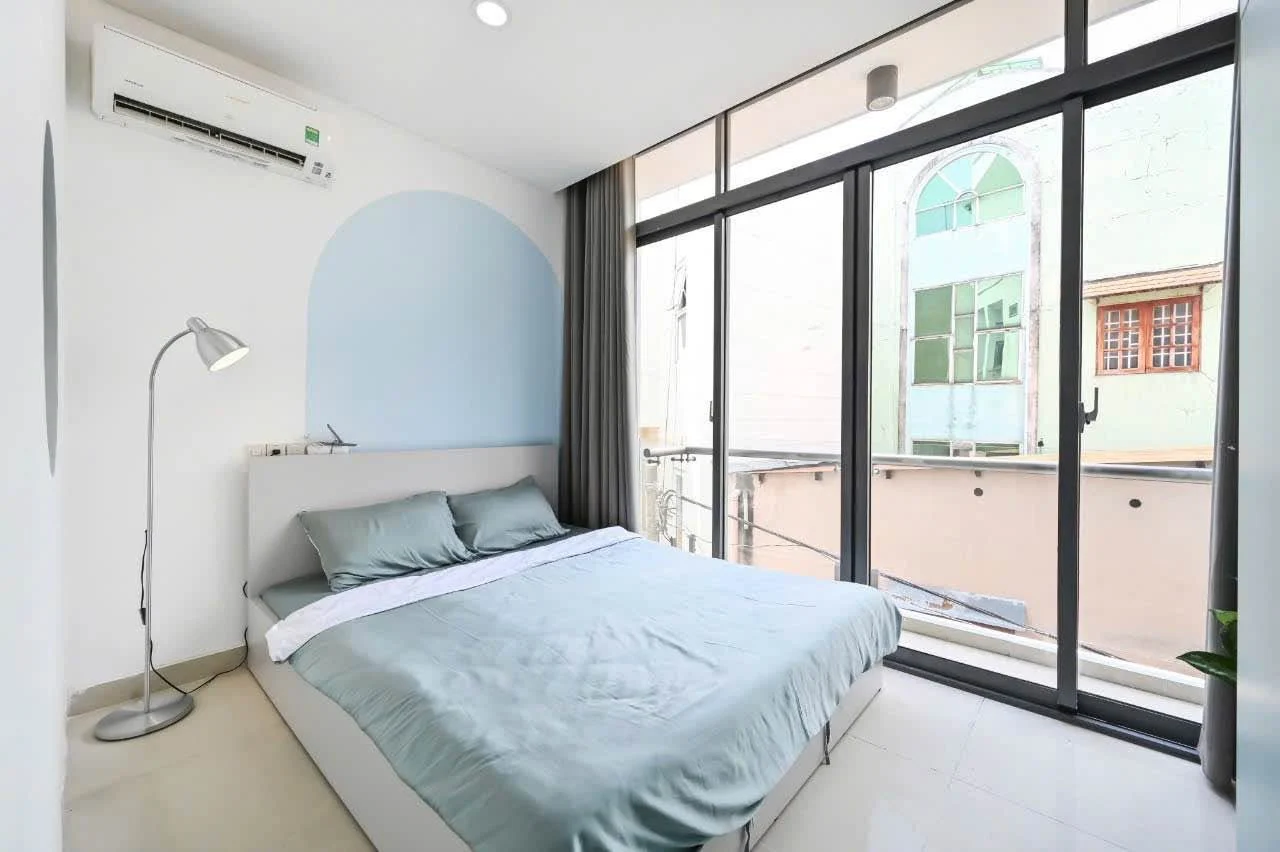
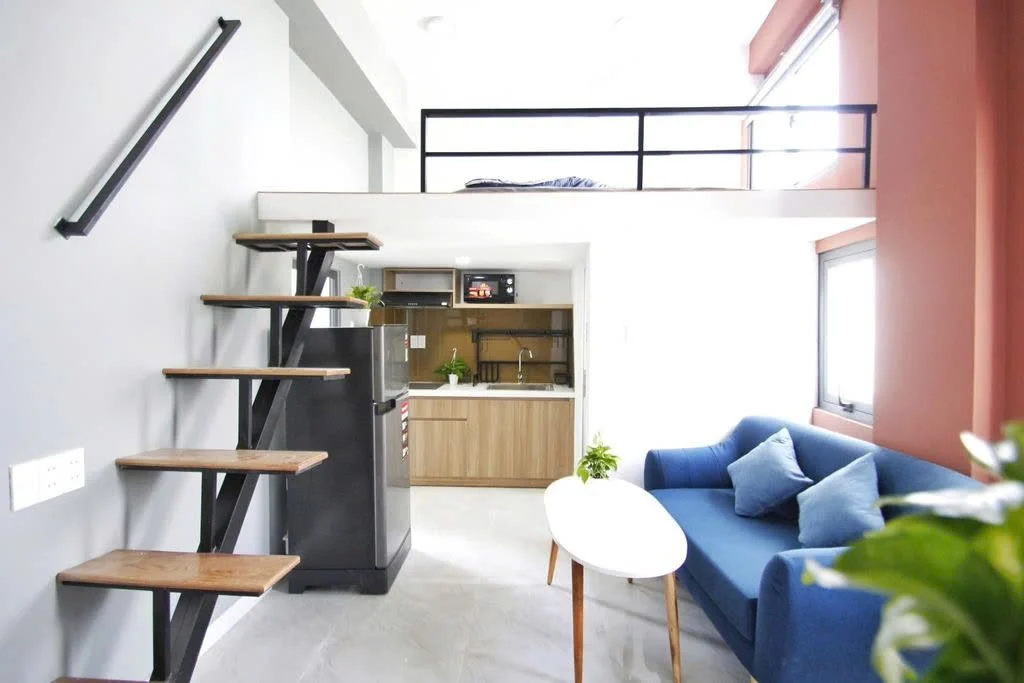
Units are normally fully furnished and ready to move into: a bed, seating, storage, air conditioning and Wi-Fi. A fully equipped kitchen with cooking utensils, plus an in-unit washing machine, is standard in most serviced apartments for rent in Vietnam, though smaller studios may share laundry facilities.
If a full kitchen matters to you, check the listing details carefully. For example, some units in District 1 offer a separate kitchen and private balcony, which suits longer stays.
Shared Facilities
Many buildings add a gym, swimming pool, parking and communal lounge, and some include breakfast or a cafe in the lobby. These shared facilities are a major part of the serviced apartment amenities that justify the premium over a plain rental, especially in expat-heavy areas like Thao Dien or District 2.
Leases are flexible: you can sign monthly or for a year, and service packages may scale accordingly. Shorter stays sometimes carry a higher rate or a lighter housekeeping schedule, so ask for the package in writing before you commit.
Serviced Apartment vs Regular Apartment: What's the Difference?

The clearest way to understand what is a serviced apartment is to set it beside a regular long-term apartment. Both are residential units, but they are rented and managed in very different ways, and that difference shapes your monthly costs, your paperwork and how much effort you put into daily living.
Services and day-to-day management
A serviced apartment comes with an operating team behind it. That usually means a reception or on-site manager, maintenance handled for you, and housekeeping on a set schedule, often weekly. A regular apartment, whether unfurnished or partly furnished, is normally just a lease on a unit: repairs, cleaning, internet setup and dealing with the landlord are your responsibility, and response times depend entirely on the individual owner.
Lease terms and flexibility
Serviced apartments are built for shorter stays and commonly rent by the month, which suits project assignments, relocation or a first arrival in Vietnam. Regular apartments tend to come with longer contracts, often six to twelve months, and some landlords expect a longer commitment or a notice period before you move out. Always confirm the minimum stay and notice terms in writing.
Upfront costs and total value
Serviced apartments often carry a higher headline rent, but the price typically bundles furniture, utilities, internet and housekeeping, so setup costs are minimal. A regular apartment may look cheaper per month, yet you may pay a deposit of one to three months, buy furniture, arrange your own internet and electricity accounts, and cover cleaning. Compare the all-in monthly figure, not just the rent.
| Factor | Serviced apartment | Regular apartment |
|---|---|---|
| Furnishing | Fully furnished, ready to move in | Unfurnished or partly furnished |
| Housekeeping | Usually included | Your responsibility |
| Maintenance | Managed by the operator | Arranged with the landlord |
| Lease length | Flexible, often monthly | Typically 6–12 months |
| Utilities | Often bundled into rent | Usually set up and paid separately |
| Upfront costs | Lower setup costs | Deposit plus furniture and connections |
For expats comparing serviced apartments for rent in Vietnam, the practical rule is simple: choose a serviced unit when convenience and flexibility matter most, and a regular apartment when you want a lower long-term rate and are happy to manage the details yourself.
Serviced Apartment vs Hotel: Which Is Better for You?
For many expats arriving in Vietnam, the first question is whether to book a hotel or a serviced apartment. The honest answer depends on how long you are staying and what you need day to day. A short tourist visit and a three-month relocation are very different use cases, and the right choice changes accordingly.
Space, Cost and Amenities Compared
Hotels sell rooms; serviced apartments sell living space. A typical one-bedroom serviced apartment includes a separate living area and a kitchen, while a hotel room at a similar nightly rate is usually a single room with a bathroom. For stays longer than about a week, serviced apartments are often cheaper per night, partly because you can cook instead of eating out for every meal. Exact pricing varies by city, district and building, so compare quotes for your specific dates.
Hotels typically provide daily housekeeping, a 24-hour front desk and concierge support. Serviced apartments usually offer housekeeping a few times a week and a reception with limited hours, which means more privacy but less hand-holding. Amenities such as gyms, pools and laundry vary widely between buildings and should be confirmed before booking.
| Factor | Serviced Apartment | Hotel |
|---|---|---|
| Space | Living area plus kitchen; larger footprint | Single room; compact |
| Cost for longer stays | Often lower per night beyond a week | Higher nightly rates over time |
| Housekeeping | Usually a few times per week | Typically daily |
| Kitchen | Common; good for families | Rare; room service instead |
| Best for | Long stays, families, relocations | Short business trips, tourists |
Which Should You Choose?
Choose a serviced apartment if you are staying more than a couple of weeks, travelling with family, or need a base while you search for a long-term home. Choose a hotel for short business trips or sightseeing, where daily service and a central location matter more than space. If you are unsure what is a serviced apartment in practice, book a few nights first and inspect a building before committing to a month.
Serviced Apartment vs Homestay: Understanding the Differences
Homestays have grown popular in Vietnam, especially in Da Lat, Hoi An and the Mekong Delta, but they serve a very different purpose from a serviced apartment. Understanding the gap helps you pick the right base for your stay.
What a Homestay Usually Involves
Homestays are often run by local families in a private house or a small cluster of rooms. Guests may share a bathroom, kitchen or common area with the host family, and meals or tours may be offered informally. Service levels vary widely from one property to the next, and standards are rarely documented or consistent.
Where Serviced Apartments Differ
A serviced apartment is a self-contained unit with its own kitchen, bathroom and living space, managed by a professional operator. Housekeeping, maintenance and security are handled by staff, and the amenities listed in the lease are generally reliable. For expats, this means more privacy and fewer surprises than a shared homestay arrangement.
Who Each Option Suits
Homestays appeal to culture-focused travellers and budget visitors who want local interaction and don't mind shared facilities or flexible standards. Serviced apartments for rent in Vietnam suit business travellers, relocating families and long-stay expats who need dependable comfort, a proper workspace and a fixed monthly arrangement.
| Factor | Serviced Apartment | Homestay |
|---|---|---|
| Hosting | Professional management company | Local family, often on-site |
| Privacy | Private, self-contained unit | May share bathrooms or common areas |
| Services | Housekeeping, maintenance, security | Limited and variable |
| Lease terms | Monthly or long-term contracts | Usually nightly or short stays |
| Best for | Business travellers, expats, families | Cultural immersion, budget travellers |
If reliability and privacy matter most, a serviced apartment is the safer choice; if you want local connection for a short trip, a homestay can be rewarding. Always confirm what is included before booking either option.
How to Choose the Right Serviced Apartment in Vietnam
Choosing a serviced apartment in Vietnam involves more than comparing monthly rents. Expats and businesses should evaluate location, included services, lease flexibility and the condition of the property before signing anything. The tips below help you avoid common pitfalls and secure a unit that fits your daily routine and budget.
Location and Neighborhood
Start by mapping your daily commute. In Ho Chi Minh City, District 2 (Thao Dien) and District 7 (Phu My Hung) are popular with families for international schools and quieter streets, while District 1 and District 3 suit professionals who want to be near offices and dining. In Hanoi, Tay Ho and Ba Dinh are common choices for expats. Check proximity to work, schools, hospitals and supermarkets, and visit at different times of day to gauge traffic and noise.
Services and Fees
Clarify exactly what the rent covers. Typical serviced apartment amenities include utilities, Wi-Fi, cleaning, laundry and access to a gym or pool, but packages vary widely. Ask how often cleaning is provided, whether internet is shared or dedicated, and if there are extra charges for electricity, water, parking or management fees. Request a written breakdown of all costs to compare options fairly.
Lease Terms and Flexibility
Review the minimum stay, notice period and payment schedule carefully. Most serviced apartments for rent in Vietnam offer monthly contracts, but some require longer commitments or a deposit equal to one or two months’ rent. Confirm the notice period for moving out and any penalties for early termination. If your assignment length is uncertain, negotiate a shorter initial term or a break clause.
Inspection and Due Diligence
Always inspect the unit in person or take a detailed virtual tour if you are abroad. Check water pressure, air conditioning, internet speed and noise levels, and look for signs of mold or poor maintenance. Ask about security (24/7 staff, CCTV, access control) and whether management speaks English. Avoid common mistakes by reading the fine print, estimating the total monthly cost including extras, and politely negotiating rent or included services—especially for longer stays.
Conclusion
Serviced apartments in Vietnam provide a hassle-free living option for expats and businesses, combining the comfort of a furnished home with the convenience of hotel-like services. They differ from regular apartments, hotels, and homestays in terms of services, lease terms, and costs, making them ideal for medium- to long-term stays. When choosing a serviced apartment, consider location, services, lease terms, and conduct a thorough inspection to ensure a smooth rental experience.
Ready to find your ideal serviced apartment in Vietnam? Browse our listings today to discover a wide range of options tailored to your needs.
Frequently asked questions
What is a serviced apartment?
A serviced apartment is a fully furnished rental unit that includes hotel-like services such as housekeeping, security, and maintenance. It is designed for medium- to long-term stays and is popular among expats and business travelers. In Vietnam, serviced apartments are common in major cities and offer flexible lease terms, often with utilities and services bundled into the rent.
How is a serviced apartment different from a hotel?
Serviced apartments offer more space, such as a living area and kitchen, and are typically rented for longer periods at a lower cost per night compared to hotels. They provide a home-like environment with services like housekeeping, but without the extensive facilities of a hotel such as a restaurant or concierge. Hotels are better for short stays, while serviced apartments suit longer stays and families.
Are serviced apartments more expensive than regular apartments?
Serviced apartments generally have higher monthly rents than regular apartments because they include services, utilities, and furnishings. However, when you factor in the cost of setting up a regular apartment (buying furniture, paying bills, hiring help), serviced apartments can be cost-effective, especially for shorter stays. The convenience and all-inclusive pricing often justify the premium.
What is typically included in the rent of a serviced apartment?
Rent for a serviced apartment usually includes utilities such as water, electricity, and internet, as well as services like housekeeping, security, and maintenance. Many also provide access to shared facilities like a gym or pool. Some buildings offer additional services like laundry or airport pickup for an extra fee. Always confirm what is included before signing a lease.
Can I rent a serviced apartment for just one month in Vietnam?
Yes, many serviced apartments in Vietnam offer flexible lease terms, including one-month rentals, though the rate may be higher than for longer leases. It's advisable to check with individual buildings about minimum stay requirements and availability. Short-term rentals are common in tourist areas and business districts, but booking in advance is recommended.