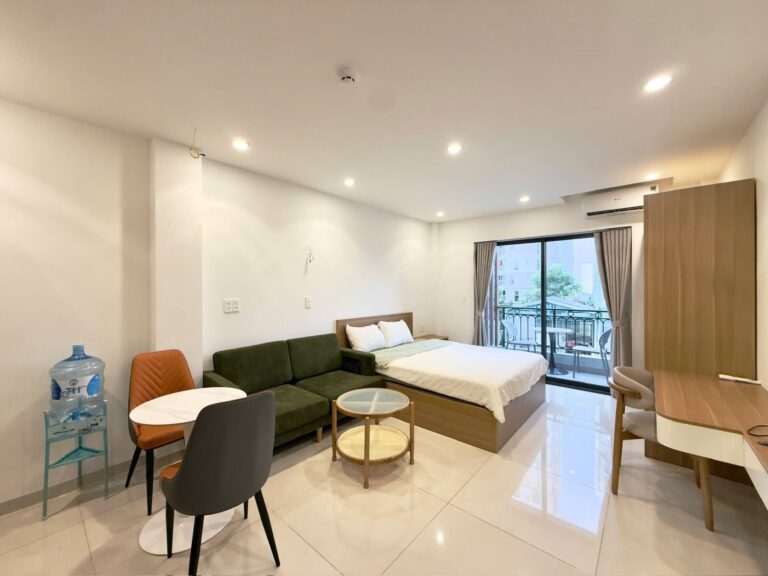
Long-Term Building Lease Contracts: 5-10 Year Terms in Vietnam
この記事はまだこの言語に翻訳されていません。

A long-term building lease contract in Vietnam typically spans 5 to 10 years and is used for warehouse, industrial, or commercial space, requiring careful attention to terms, legal compliance, and negotiation. This guide explains the key components, rent escalation, deposits, legal framework, and pitfalls to help expats and businesses secure a favorable lease.
Key Components of a Long-Term Building Lease Contract

A long-term building lease contract for warehouse or industrial space in Vietnam typically runs 5–10 years, so it must cover more than a short-term rental. Essential elements include the parties, a precise property description, the lease term, rent and escalation, security deposit, and permitted use clauses. Getting these right upfront prevents disputes later.
Essential Clauses for Warehouse Leases
Parties: Confirm the landlord's legal ownership or right to sublease. For foreign-invested enterprises, ensure the lessor can legally lease to you. Property description: Specify address, floor area, clear height, loading docks, power capacity, and fire protection systems. Vague descriptions lead to conflicts over what is included.
Term: State start and end dates, renewal options, and notice periods. Unlike short-term leases, long-term contracts often include rent escalation clauses and may require registration. Rent and deposit: Apart from base rent, clarify what is included (management fees, taxes) and the deposit amount and refund conditions. Use clause: Define permitted activities (e.g., storage of non-hazardous goods) and any restrictions.
These clauses differ from short-term leases, which are simpler and often month-to-month. Long-term contracts need detailed provisions for maintenance responsibilities, insurance, subletting, and termination. For example, a 5-10 year lease term in Vietnam should address who handles structural repairs and how disputes are resolved.
When reviewing a warehouse lease agreement, check that the property description matches your operational needs. For instance, a warehouse with container truck access and sufficient ceiling height is essential for logistics. Here is a typical listing that meets such requirements:

Checklist for Expats and Businesses
- Verify the landlord's ownership certificate (red book) or sublease rights.
- Confirm the exact area, clear height, floor load, and power supply.
- Check fire protection compliance and any pending inspections.
- Clarify rent escalation, deposit, and payment terms.
- Review maintenance and repair obligations.
- Ensure the use clause covers your intended operations.
- Check registration requirements for leases over a certain duration.
- Include a dispute resolution clause and governing law.
Use this checklist during commercial lease negotiation to avoid costly omissions. Always have a local legal advisor review the contract before signing.
Rent Escalation Clauses: What to Expect and How to Negotiate
In a long-term building lease contract in Vietnam, the escalation clause often matters more than the starting rent. Over five to ten years, small annual increases compound into a large difference in total occupancy cost, so read this clause before you compare headline rents.
Fixed vs. Index-Linked Escalation
Most 5-10 year lease terms Vietnam landlords offer use a fixed annual increase, commonly in the range of a few percent per year, though this varies by asset, district and market cycle. Index-linked clauses tied to CPI are less common but appear in professionally managed industrial parks and with institutional landlords. Some contracts combine both: a fixed floor with a CPI top-up if inflation runs higher.
| Escalation type | How it works | Pros | Watch out for |
|---|---|---|---|
| Fixed percentage | Rent rises by an agreed % each year or every two years | Predictable budgeting; simple to administer | Can drift above market if rents fall |
| CPI-linked | Increase follows a published index, sometimes with a cap | Tracks inflation; seen as fair | Index choice and cap matter; verify which CPI series applies |
| Hybrid | Fixed minimum plus CPI adjustment above a threshold | Balances both sides | More complex to calculate and dispute |
| Market review | Rent reset to market at set intervals | Flexible | Uncertainty; insist on a defined valuation method |
On the legal side, rent and any increase should be stated clearly in the contract, and increases should not be applied retroactively. Because rules and local practice can change, confirm the current position with a Vietnamese lawyer before signing.
Negotiation Tips
- Ask for a rent-free fit-out period instead of a lower starting rent if the landlord resists on escalation.
- Push the first increase to year two or three, especially for warehouse lease agreement terms where you fund racking and upgrades.
- Cap CPI-linked increases and name the exact index and reference period.
- Request a downward review or break option if market rents fall sharply.
- Lock the escalation schedule into the signed long-term building lease contract rather than a side letter.
For larger industrial space, landlords with institutional owners tend to be more open to capped indexation, while private owners often prefer simple fixed steps. A well-located example such as this Thu Duc warehouse shows the type of asset where multi-year terms are common:

ホーチミン市トゥドゥック区ビンチエウの24時間コンテナアクセス可能な5,600 m2倉庫
130.000 VND / ㎡/月(応相談)
- 10,000 m²
- KCN Sóng Thần 1, ビンチエウ, トゥードゥック市, ホーチミン市
Security Deposits and Guarantees in Long-Term Leases
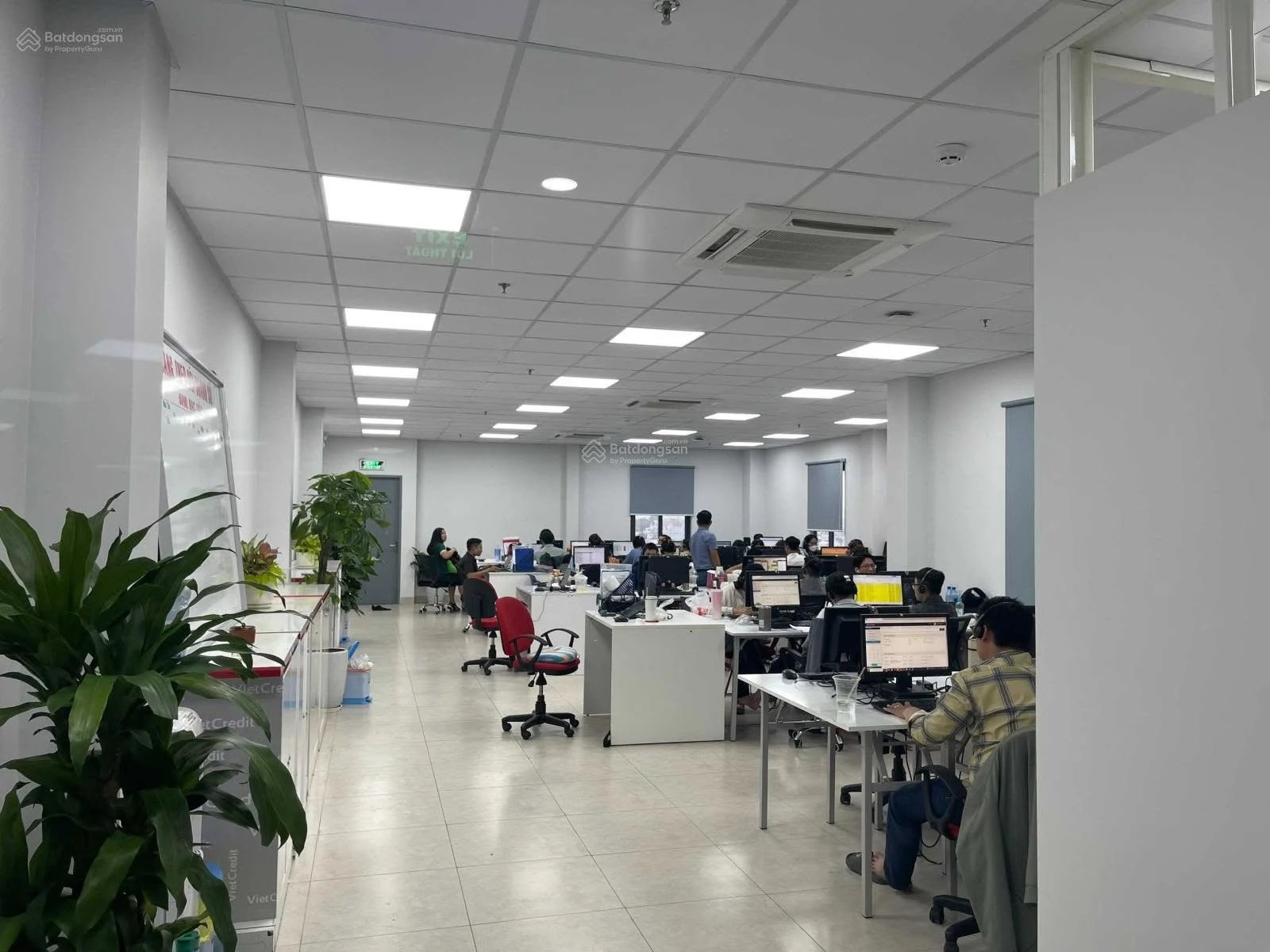
In a long-term building lease contract, the security deposit is your main financial protection for the landlord—and your main risk if things go wrong. Understanding typical amounts, refund rules and guarantee options helps you avoid surprises at the end of a 5–10 year lease term in Vietnam.
Deposit Amounts and Refund Conditions
Deposits for warehouse and commercial space in Vietnam typically range from 3 to 6 months' rent, though 2–3 months is common for smaller units and 6 months or more may be requested for large, customised premises. The deposit usually covers unpaid rent, damage beyond normal wear and tear, and restoration costs. Always confirm whether the deposit is held in cash or via bank transfer, and get a receipt.
Refund conditions should be spelled out: the deposit is normally returned within 30–60 days after lease expiry, once the landlord inspects the property and confirms no outstanding utilities or repairs. Forfeiture clauses should be narrow—typically limited to early termination without cause, abandonment, or uncured default. Avoid clauses that let the landlord deduct "any damages" at its sole discretion.
Bank and Corporate Guarantees
For larger commitments, landlords may accept a bank guarantee or a parent company guarantee instead of—or alongside—a cash deposit. A bank guarantee is issued by a local or international bank and pays out on demand if you default; it ties up credit rather than cash. A parent company guarantee is a written promise from your head office to cover your obligations, useful for subsidiaries or new entities in Vietnam.
Both should specify the guaranteed amount, expiry date and claim conditions. Note that Vietnamese banks may require collateral or fees, and foreign guarantees may need notarisation and translation.
Tips to protect your deposit:
- Document the property's condition with photos and a joint inspection report at handover.
- Negotiate a clear refund timeline and a deduction mechanism requiring itemised invoices.
- Ask for the deposit to be held in a separate account or referenced in the lease.
- Include a clause that the deposit cannot be used as rent without your written consent.
- For 5–10 year lease terms in Vietnam, consider a reduced deposit after the first renewal or a step-down schedule.
Review these terms during commercial lease negotiation and seek local legal advice before signing.
Legal Framework and Registration Requirements
Long-term building lease contracts in Vietnam are primarily governed by the Civil Code and the Law on Real Estate Business, with additional guidance from decrees and circulars. For expats and businesses, understanding these rules is essential to ensure the contract is enforceable and compliant. While the framework is generally clear, some provisions can change, so it is wise to verify current requirements with a local legal advisor.
Notarization and Registration
Notarization is not mandatory for all leases, but for terms exceeding a certain duration (often more than one year, though this should be checked), notarization or authentication is strongly recommended to avoid disputes. Registration of the lease with the local People's Committee or land registry office may also be required, especially for warehouse lease agreements and industrial properties. Failure to register can affect the lease's enforceability against third parties. Ensure both parties retain certified copies and that any amendments are similarly documented.
Tax Obligations
Lessors must pay value-added tax (VAT) and personal or corporate income tax on rental income, typically through a withholding mechanism. Lessees may have withholding obligations if the lessor is an individual. For foreign-invested enterprises, tax registration and compliance are critical. Keep in mind that tax rates and procedures are subject to change, so confirm current rules with the tax authority or a qualified accountant. Proper invoicing is essential for deductibility.
Common legal mistakes include using an unclear property description, omitting required permits, failing to notarize or register, and ignoring tax withholding. To avoid pitfalls, engage a local lawyer to review the contract and verify the lessor's ownership and licensing. A well-drafted long-term building lease contract that follows legal procedures protects both parties and supports smooth commercial lease negotiation.
Negotiation Strategies for Expats and Businesses
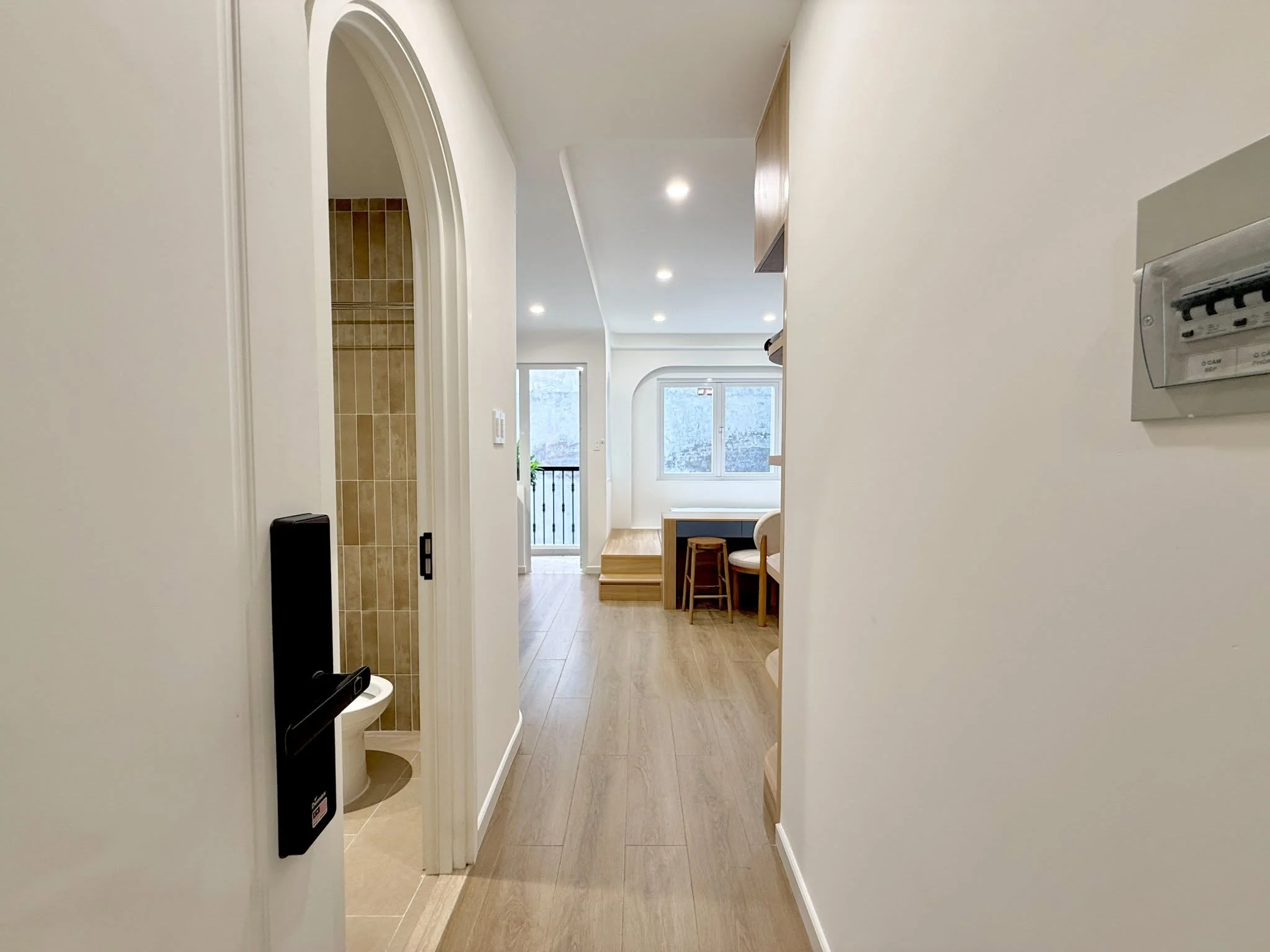
Negotiating a long-term building lease contract in Vietnam rewards preparation and patience. Landlords often value a reliable, long-term tenant, so approach talks as a relationship rather than a one-off transaction. Expect several meetings, and be ready to explain your business clearly and consistently.
Working with Local Lawyers
Language and culture shape how terms are discussed. Vietnamese is the language of most negotiations, and a qualified translator or bilingual lawyer helps avoid misunderstandings in a 5-10 year lease term in Vietnam. A local lawyer can review the draft, flag unusual clauses, and confirm that the Vietnamese and English versions match.
Agents who know the district, such as industrial zones around Ho Chi Minh City or Bac Ninh, can introduce credible landlords and benchmark typical rents. Treat their advice as a starting point and verify key points independently. Building trust takes time: be punctual, keep promises, and avoid aggressive tactics that can stall talks.
Key Negotiation Points
Rent is only one part of commercial lease negotiation. Use this checklist to widen the discussion:
- Repairs and maintenance: clarify who handles structural, roof, and system repairs, and set response times.
- Renewal options: ask for a renewal right at a pre-agreed formula, not just a vague promise.
- Fit-out period: request rent-free time for setup and any landlord contributions.
- Escalation: link the rent escalation clause to a clear index or cap.
- Exit terms: define early-termination conditions and deposit treatment.
Put every agreed change in writing and confirm it in the final warehouse lease agreement or building contract before signing.
Common Pitfalls and How to Avoid Them
Even well-negotiated long-term building lease contracts can unravel due to avoidable mistakes. Expats and businesses often stumble on ambiguous clauses, missing exit strategies, and skipped legal steps. Below are the most frequent pitfalls and how to steer clear of them.
Due Diligence Checklist
Before signing, verify the landlord’s ownership certificate, land-use rights, and any mortgages or disputes on the property. Confirm that the building’s use certificate matches your intended purpose (e.g., warehouse lease agreement for industrial storage). Check zoning and fire safety approvals, and inspect the property for structural issues. A practical checklist includes:
- Original ownership documents and landlord ID
- Approval for your specific use (warehouse, office, retail)
- Outstanding debts or liens on the property
- Utilities, access rights, and parking allocation
- Condition report with photos attached to the contract
Failing to register the lease can invalidate your legal protection, especially in disputes over rent escalation or deposit refunds. Registration also strengthens your position if the landlord sells the property.
Exit Strategy Considerations
Many long-term building lease contracts lack clear termination rights. Without an exit strategy, you may be locked in even if your business needs change. Negotiate early termination options, sublease rights, and renewal terms. Specify notice periods and penalties, and ensure force majeure clauses cover events like pandemic disruptions. For 5-10 year lease terms Vietnam, build in periodic review points to reassess rent and space needs.
Finally, always have a local lawyer review the contract. Legal review catches ambiguous language, missing protections, and compliance gaps—saving you from costly disputes later.
Conclusion
Understanding the key components, rent escalation clauses, security deposits, legal requirements, and negotiation strategies is essential for a successful long-term building lease contract in Vietnam. By avoiding common pitfalls and conducting thorough due diligence, expats and businesses can secure favorable terms and protect their interests.
Ready to find your ideal long-term lease? Browse our listings today to explore available warehouse and industrial spaces across Vietnam.
Frequently asked questions
What is a typical security deposit for a long-term warehouse lease in Vietnam?
Security deposits for long-term warehouse leases in Vietnam usually range from 3 to 6 months' rent, depending on the property and landlord. This deposit secures the landlord against damages or unpaid rent. It's important to clarify refund conditions and timelines in the contract to ensure your deposit is returned promptly at the end of the lease.
How often can rent be increased in a 5-10 year lease?
Rent increases in long-term leases are typically negotiated annually or biennially, often linked to inflation or a fixed percentage. The frequency and amount should be clearly stated in the contract. Tenants can negotiate caps or fixed increases to provide predictability. Always review the escalation clause carefully and consider seeking legal advice to ensure fair terms.
Do I need a local lawyer to review a long-term lease contract?
While not mandatory, hiring a local lawyer is highly recommended for expats and businesses. A lawyer can ensure the contract complies with Vietnamese law, identify unfavorable clauses, and assist in negotiations. They can also help with notarization and registration, reducing the risk of future disputes. Investing in legal review can save significant time and money.
What happens if the landlord sells the property during the lease term?
In Vietnam, the sale of a property does not automatically terminate an existing lease. The new owner is generally bound by the lease terms, so your rights as a tenant remain protected. However, the contract should include a clause stating that the lease continues in the event of a sale. It's advisable to notify the landlord of your intention to stay and ensure the new owner acknowledges the lease.
Can a long-term lease contract be terminated early?
Early termination is possible if both parties agree or if specific conditions are met, such as breach of contract by either party. The contract should outline termination clauses, including notice periods and penalties. Without such clauses, terminating early can be difficult and costly. Tenants should negotiate clear exit strategies, such as subletting or a break option, to mitigate risks.