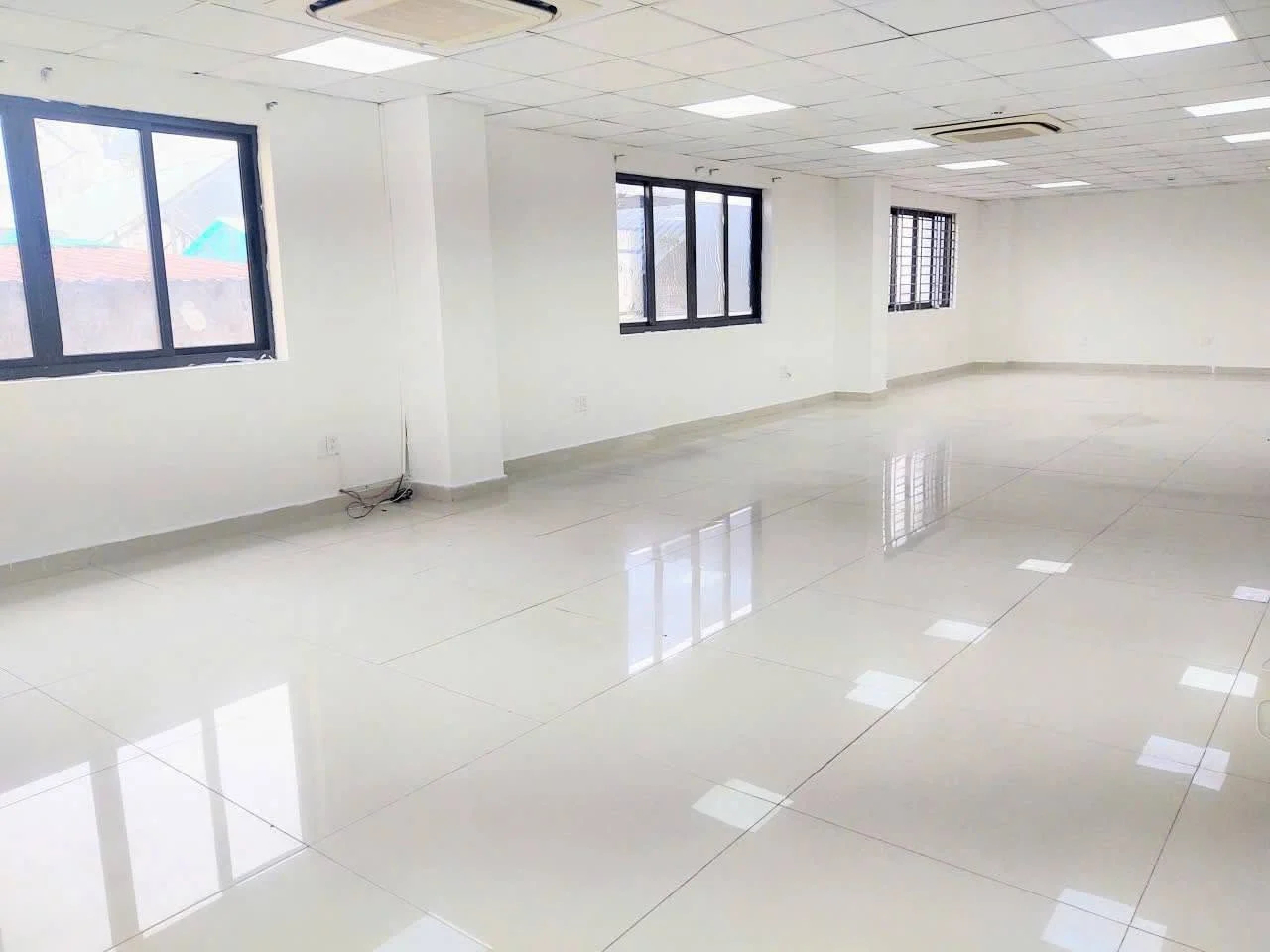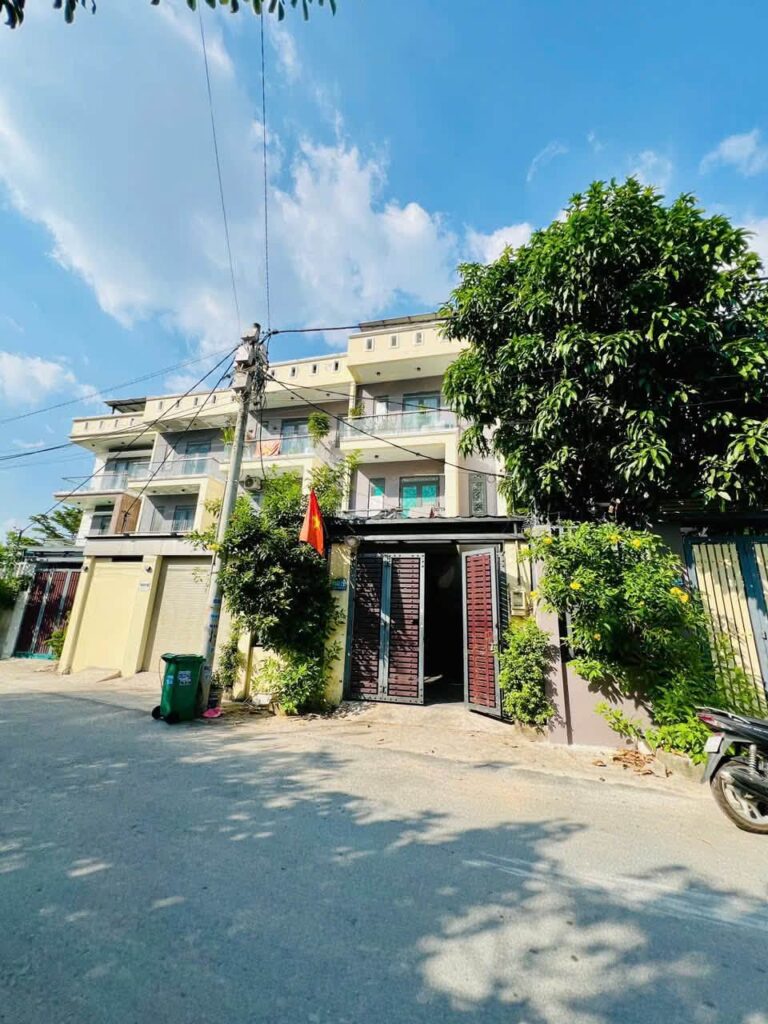
Rent a Whole Building vs Office Floor: Cost Comparison

When comparing rent a whole building vs office floor in Vietnam, the cheaper option depends on your space needs and negotiation—whole buildings often have lower per-square-meter rent but higher total costs, while office floors offer smaller, more manageable expenses. This guide breaks down rent, deposits, fit-out, operational costs, and lease terms to help expats and businesses make an informed decision.
Understanding Whole Building and Office Floor Rentals

Before comparing costs in the rent a whole building vs office floor debate, it helps to be clear about what each option actually involves. The two are structured differently in Vietnam, and that difference shapes everything from rent to who handles maintenance.
What is a whole building lease?
A whole building lease gives your business exclusive use of an entire property, usually across multiple floors. You control access, signage, shared areas and often the lobby or parking, which is why this format suits headquarters, large teams or companies that want a strong brand presence.
These buildings are more common outside the central business district, in smaller districts and new urban areas where larger plots are available. In Ho Chi Minh City, whole building options often appear in places like Tân Bình, Gò Vấp or District 5 rather than the core CBD. A whole building lease in Vietnam is typically negotiated directly with the landlord or developer on longer terms.
What is an office floor rental?
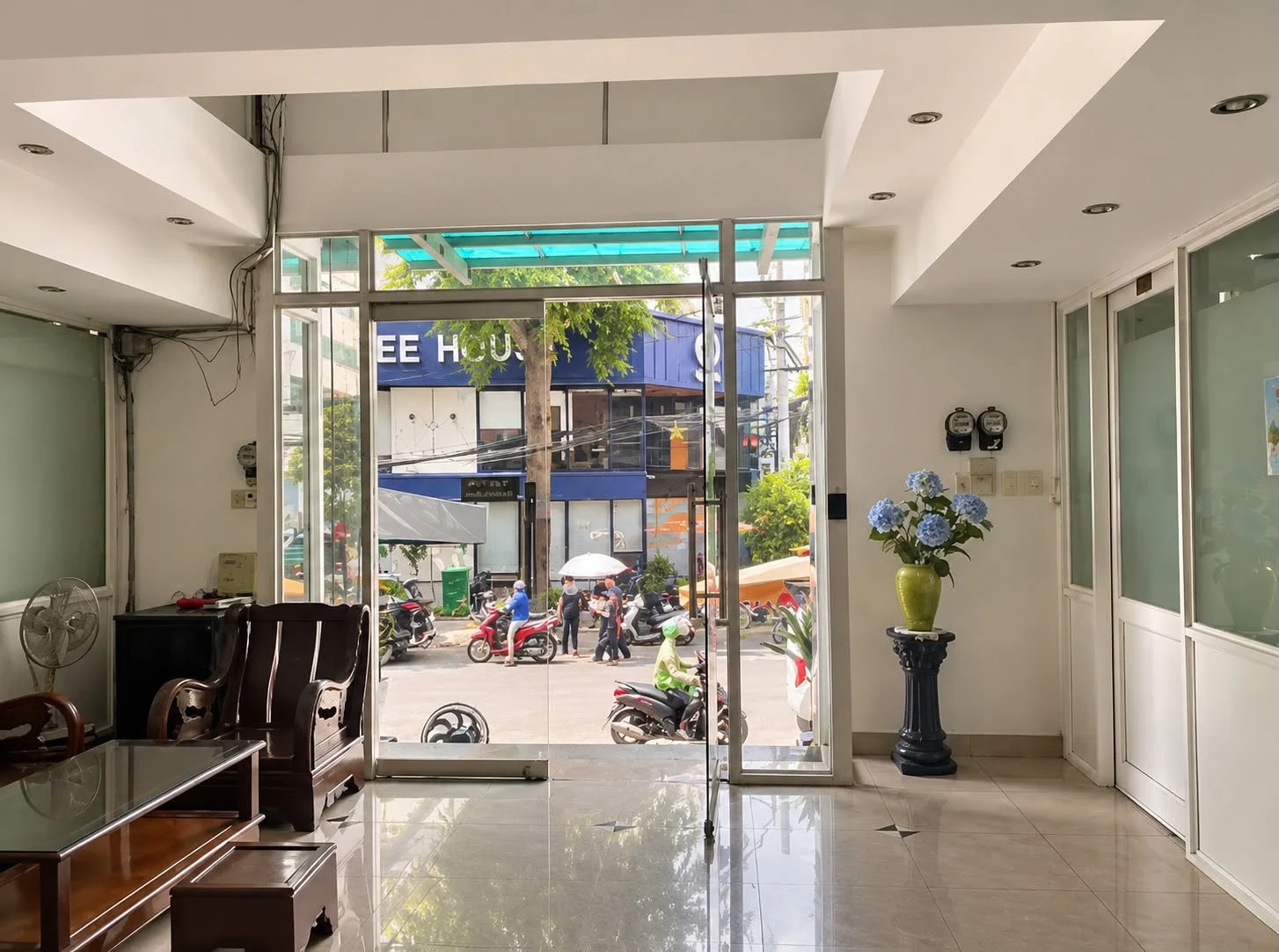
An office floor rental means you lease a single floor within a shared building, while common areas such as the lobby, lifts, corridors and sometimes meeting rooms are shared with other tenants. This is the standard setup for most office space for rent in Ho Chi Minh City, especially in District 1, District 3 and Bình Thạnh.
Lease structures generally follow two models. In a gross rent arrangement, service charges and management fees are bundled into one figure. In a net rent arrangement, you pay base rent plus a separate service charge that covers building management, security, cleaning and shared utilities. Always confirm which model applies, since office floor rental costs can look lower than they really are once service charges are added.
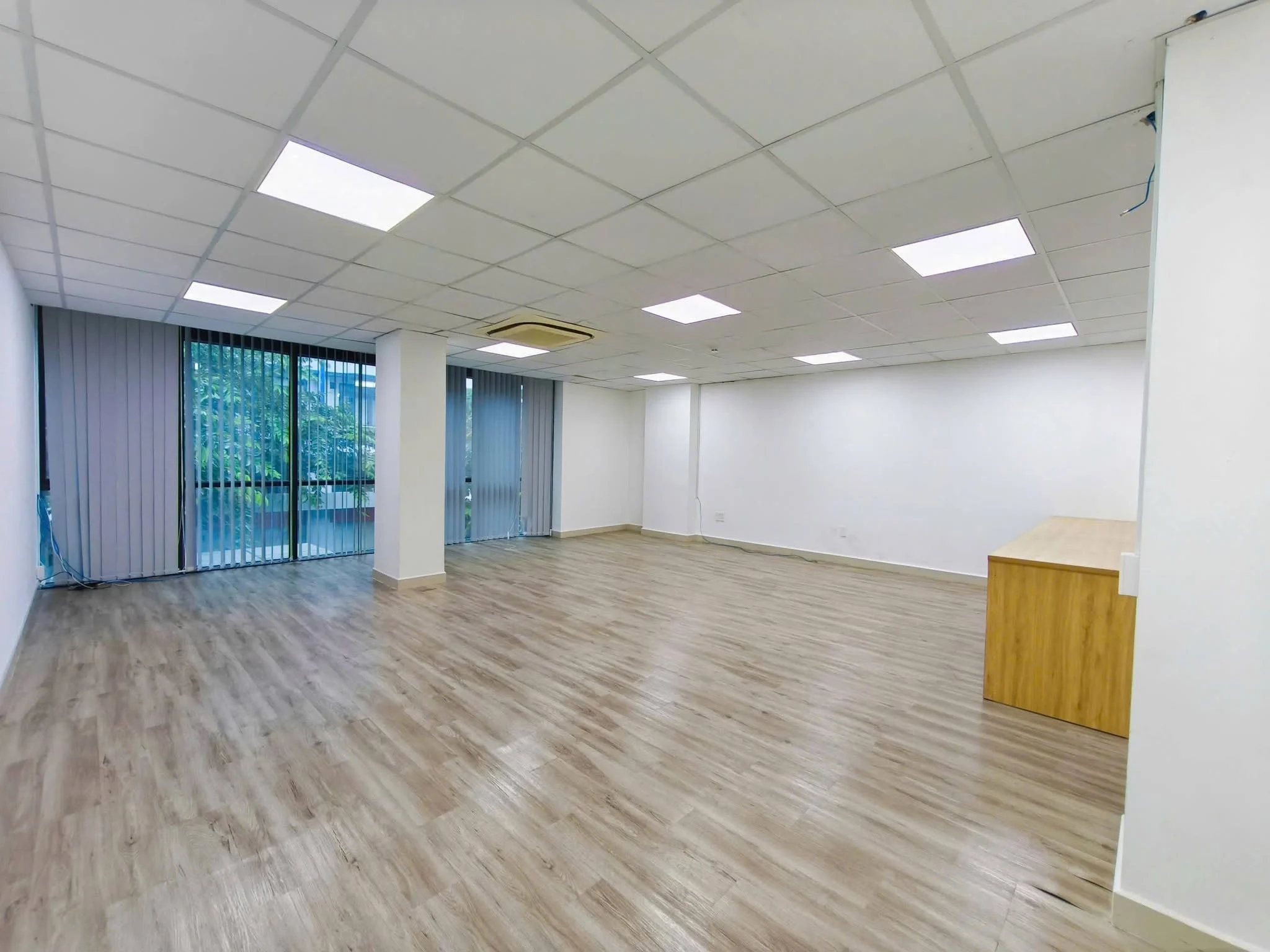
A serviced office or coworking floor sits between these formats, offering furnished space and shared facilities on flexible terms. For example, a coworking office floor with a meeting room on Nguyễn Hữu Cảnh in Bình Thạnh shows how this option looks in practice:
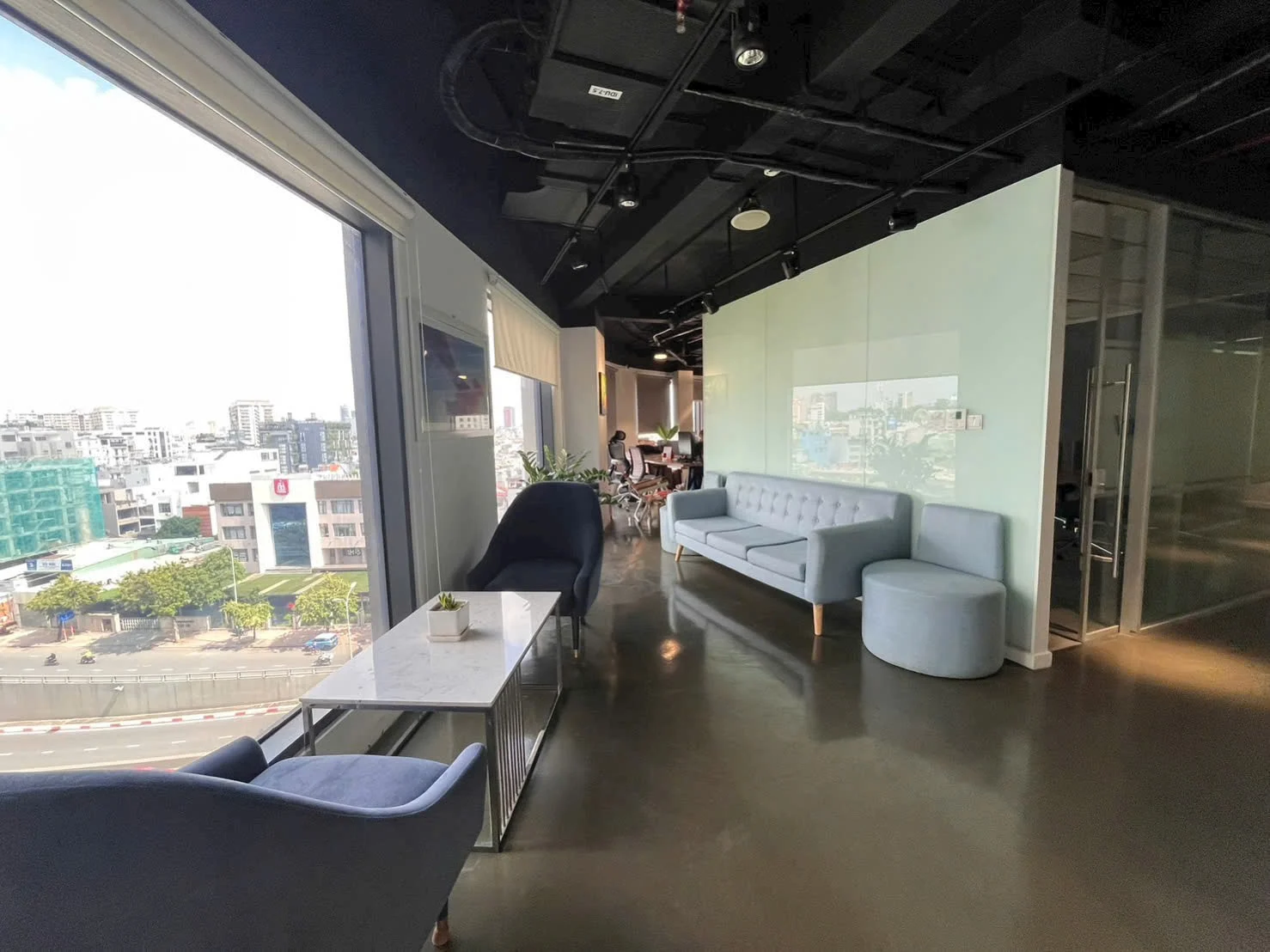
Coworking Office Floor with Meeting Room on Nguyễn Hữu Cảnh, Bình Thạnh, HCMC
Contact for price
- 92A Nguyễn Hữu Cảnh, Binh Thanh, Ho Chi Minh City
Cost Breakdown: Rent, Deposit, and Service Charges
When comparing rent a whole building vs office floor options, the headline rate per square meter can be misleading. Whole buildings often quote a lower rate per square meter because the landlord is leasing a large, exclusive area, but the total monthly outlay is naturally much higher than a single floor. Office floors in competitive districts usually carry a higher per-square-meter rate but let you pay only for the space you actually use.
Base rent and deposit norms
Most office floor leases in Vietnam require a deposit of roughly two to three months' rent, while whole building leases typically call for three to six months, reflecting the landlord's larger exposure. These are typical ranges only, so confirm the exact terms in the draft contract before signing. For expat teams, this difference in upfront cash matters as much as the monthly rent.
Service charges and who pays what
Office floor rentals usually bundle building management, security, cleaning of common areas, and lift maintenance into a service charge, quoted either per square meter or as a fixed monthly amount. Whole building tenants often manage these functions themselves, meaning separate contracts for security, cleaning, and maintenance. Always clarify whether rent is quoted gross or net, since this changes your true monthly cost.
| Cost item | Office floor | Whole building |
|---|---|---|
| Base rent per m² | Higher | Lower |
| Total monthly rent | Moderate | High |
| Deposit | Typically 2–3 months | Typically 3–6 months |
| Service charge | Usually included | Often separate contracts |
| Management burden | Landlord-led | Tenant-led |
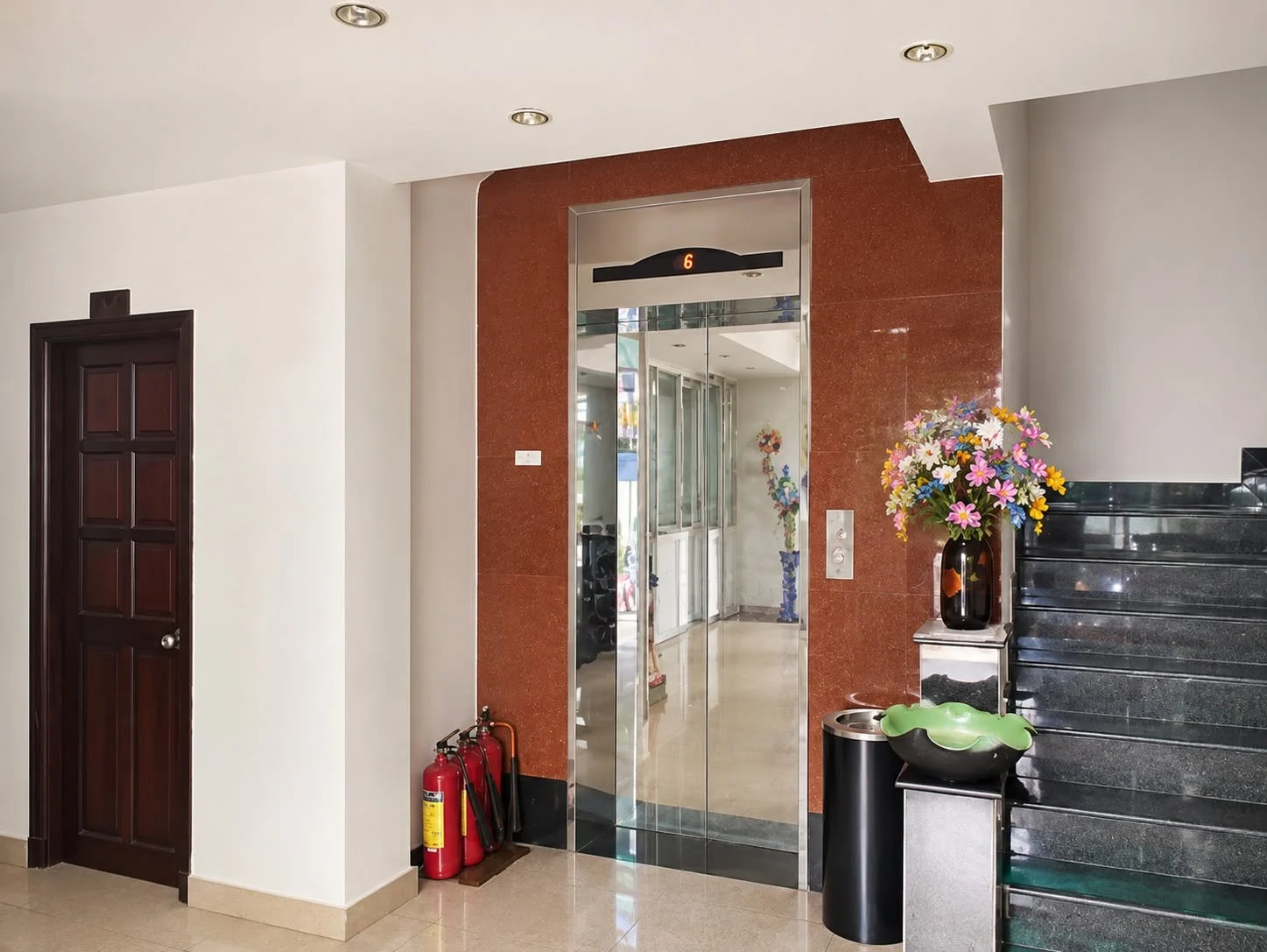
A mid-sized floor in a well-managed building can be a practical middle ground for growing teams. For example, an eight-storey office building in District 3 offers floor-by-floor space with shared building services.

8-Storey Office Building on Trương Định, District 3, HCMC
Contact for price
- District 3, Ho Chi Minh City
Fit-Out and Renovation Costs

Fit-out is often the largest upfront cost after rent, and it differs sharply between a whole building and an office floor. Budgeting for this early helps you compare options fairly in the rent a whole building vs office floor decision.
Fit-out for whole buildings
A whole building lease typically means taking a shell or partially finished structure. You may need to install or upgrade partitions, HVAC, electrical distribution, plumbing, and fire safety systems to meet local building codes. In Vietnam, compliance checks can add time, so involve a licensed contractor early. Typical fit-out costs vary widely by specification and city; as a rough guide, basic works might start from a few hundred thousand VND per square meter, while high-spec fit-outs can exceed one million VND per square meter. Allow around 2–4 months for design, approvals, and construction, depending on scale and landlord cooperation.
Fit-out for office floors
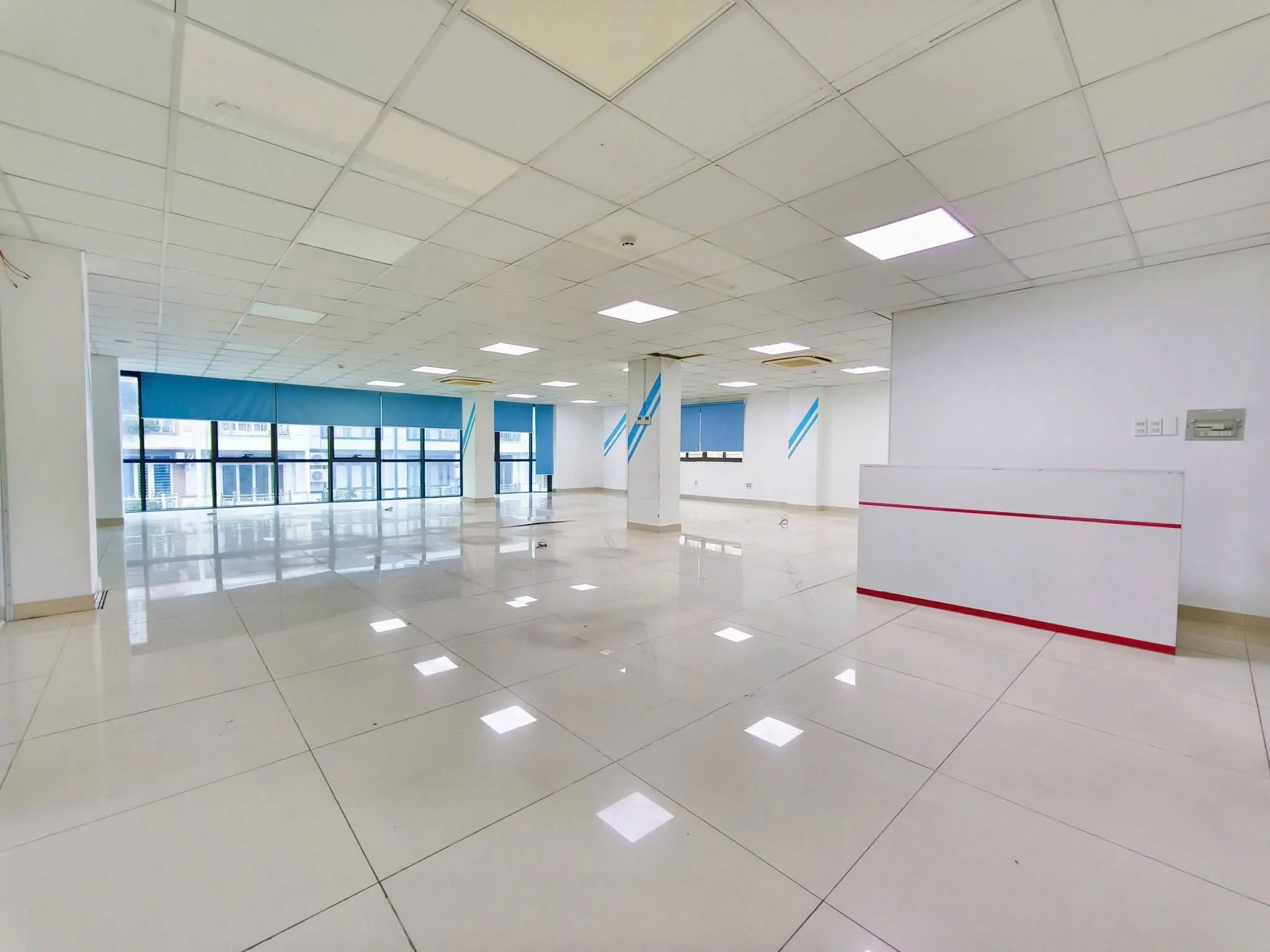
Office floors in existing buildings often come with a basic fit-out: ceiling, lighting, and air-conditioning are usually in place, though quality varies. Some are offered as bare shell, requiring similar works to a whole building but on a smaller footprint. A typical office floor fit-out might take 1–2 months and cost less per square meter if base systems are usable. Serviced offices are move-in ready, with fit-out included in the service fee, which suits shorter commitments.
To control costs, negotiate a rent-free fit-out period, obtain at least three contractor quotes, and confirm building regulations on working hours, permits, and insurance before signing. For office space for rent in Ho Chi Minh City, landlords in prime districts may be more flexible on rent-free time than on headline rent.
Operational and Hidden Costs
When you rent a whole building vs office floor, the monthly rent is only part of the picture. Operating costs often decide which option is genuinely cheaper, and they vary widely by building and should be confirmed in writing before signing.
Utilities and Electricity
A whole building lease in Vietnam usually comes with separate meters for electricity and water, and you pay consumption directly. Because you run the entire property — lifts, common lighting, possibly your own chiller — usage is naturally higher and harder to predict. In an office floor rental, air conditioning and sometimes electricity are bundled into the service charge, so costs are more predictable but you have less control over efficiency.
Maintenance and Repairs
Whole-building tenants typically carry responsibility for major systems: lifts, the chiller or HVAC plant, fire safety equipment and the facade. Budget for a maintenance contract and a contingency fund. With an office floor, the landlord handles common areas and base-building systems, which shifts both cost and risk away from you.
Insurance
Renting a whole building generally requires property insurance covering the structure and your fit-out, plus public liability. For an office floor, the building policy often covers common areas, but you should still confirm what is included and insure your own contents and liability.
Parking, Security and Waste
Check whether parking fees, security staffing and waste management are included or billed separately. In many Ho Chi Minh City buildings, parking is charged per motorbike or car space, and dedicated security for a whole building is an added payroll cost. Ask for a written schedule of inclusions and extras so nothing appears only on the first invoice.
Flexibility and Lease Terms

Flexibility is often the deciding factor when businesses weigh whether to rent a whole building vs office floor. In Vietnam, landlords of whole buildings typically expect longer commitments, often in the five to ten year range, because they are handing over exclusive control of a large asset. Office floors in Grade A or B buildings in Ho Chi Minh City more commonly come with two to five year terms, while serviced offices operate on monthly or rolling agreements, which suits companies testing the market or awaiting a licence.
Exit Strategy and Break Clauses
Review termination terms carefully before signing. Whole building leases may allow subleasing with landlord consent, but approval is rarely automatic and can carry fees. Break clauses are negotiable but often come with penalties equal to several months' rent, so confirm the exact formula in writing. For office floor rental costs, shorter terms usually mean simpler exits, though deposits may still be forfeited for early departure.
Room to Grow
A whole building lease gives you space to expand floors or reconfigure without relocating. A single office floor offers little headroom; if your team grows, you may need to negotiate additional floors or move entirely.
Points to Negotiate
- Rent-free fit-out periods, especially for whole buildings
- Step-up rent schedules that rise gradually rather than sharply
- Renewal options fixed at signing to avoid future surprises
As with any commercial rent expat guide, treat verbal promises as provisional and have every clause checked against the final contract.
Location and Building Quality Considerations
Location is where the rent a whole building vs office floor decision becomes most visible in the budget. Whole buildings are generally easier to find in emerging districts such as District 2, District 7 and Binh Thanh, where larger plots and lower land values keep cost per square meter more moderate. Office floors in the prime CBD of District 1 typically command higher rents, but they deliver prestige, walkable amenities and easier client access.
Building grade and what it means for rent
Grade A, B and C buildings differ mainly in facilities, management standards and finishing. Grade A space usually means modern systems, professional building management and higher rents; Grade B is the common middle ground; Grade C stock is older and cheaper but may lack reliable lifts, backup power or modern fire systems. Ratings are not always consistent, so verify facilities directly rather than relying on labels.
Older whole buildings need honest due diligence
A whole building lease in Vietnam often means taking an older property that needs upgrades. Check electrical capacity, air-conditioning, water pressure, fire compliance and roof condition before signing. Budget for remedial works, and confirm who pays for structural repairs in the lease.
Accessibility and commuting
Proximity to public transport and main roads matters, but so does traffic congestion at peak hours. Test the commute from likely employee neighborhoods, and check parking capacity. For an office space for rent in Ho Chi Minh City, a slightly less central address with better access can be more practical than a prestigious but congested CBD tower.
Which Option Suits Your Business?
The right answer to rent a whole building vs office floor depends less on headline rent and more on how your business actually works. Use the profiles below as a starting filter, then confirm figures with landlords and agents before committing.
When a Whole Building Makes Sense
A whole building lease in Vietnam typically suits large corporations, regional headquarters, or companies that need visible branding and exclusive facilities such as a dedicated lobby, parking, canteen or secure floors. If you want full control over access, security and building management, and you have the team and budget to operate the property, a whole building can be the better long-term home. Expect to take on more management responsibility and a longer commitment.
When an Office Floor Works Better
An office floor is often the sweet spot for SMEs, startups scaling up, and companies that want a prestigious address without running an entire building. You share lifts, reception, security and common areas, which keeps operational demands low. In the CBD, office space for rent in Ho Chi Minh City on a single floor can deliver the address and image you want while keeping office floor rental costs more predictable than a full-building lease.
When a Serviced Office Is the Flexible Choice
For small teams, project-based work or short-term market entry, a serviced office vs traditional lease comparison usually favours serviced space. You get furnished rooms, utilities and support included, with short commitments and room to move in quickly. The trade-off is less control over layout and branding, and a higher cost per desk at scale.
Decision Checklist
- Team size and growth: Can the space absorb planned headcount, or will you outgrow it within a year?
- Budget: Compare total occupancy cost, not just rent.
- Control: Do you need exclusive facilities and building management, or is sharing acceptable?
- Location priority: Is a CBD address essential, or would an emerging district work?
- Time horizon: Short-term flexibility may outweigh the savings of a longer lease.
As a commercial rent expat guide rule of thumb, match the lease type to your three-year plan, then negotiate terms that protect your exit.
Make the Right Choice for Your Business
Choosing between a whole building and an office floor involves weighing total costs, flexibility, location, and control. Whole buildings suit larger businesses needing exclusivity and branding, while office floors are ideal for smaller teams seeking cost efficiency and shared amenities. Serviced offices offer flexibility for short-term needs.
Use our decision checklist to evaluate your priorities, and remember to negotiate lease terms and confirm all costs in writing. Browse our listings to find the perfect office space for your business in Vietnam.
Frequently asked questions
Is it cheaper to rent a whole building or an office floor in Vietnam?
Per square meter, whole buildings often have lower rent, but total costs are higher due to larger space. Office floors have higher per-square-meter rates but smaller total expenses. The cheaper option depends on your required area and negotiation. Consider all costs: rent, deposit, service charges, fit-out, and operations. For small teams, an office floor is usually more cost-effective; for large companies, a whole building may offer savings and control.
What are the typical lease terms for whole building vs office floor rentals?
Whole building leases in Vietnam typically range from 5 to 10 years, while office floor leases are often 3 to 5 years. Serviced offices offer flexible terms from 1 month to 2 years. Longer terms may include rent-free periods and step-up rent clauses. Break clauses and exit strategies are negotiable, especially for whole buildings. Always review terms carefully and seek legal advice.
How much deposit is required for office space in Ho Chi Minh City?
Deposits for office space in Ho Chi Minh City usually equal 2 to 3 months' rent, but can be higher for whole buildings or Grade A offices. The deposit is typically refundable at lease end, minus any damages or unpaid fees. Negotiate the deposit amount and refund conditions. Ensure the deposit is stated in the lease agreement and understand what deductions may apply.
Can I sublease part of a whole building if I have extra space?
Subleasing part of a whole building depends on the lease agreement and landlord approval. Many leases prohibit subleasing without consent, but you can negotiate a sublease clause. If permitted, you can offset costs by renting out unused floors. However, subleasing adds complexity, including managing tenants and legal compliance. Always get written approval and understand the terms before proceeding.
What hidden costs should I watch out for when renting office space in Vietnam?
Hidden costs include utilities (electricity, water, AC), maintenance fees, insurance, parking, security, waste management, and fit-out expenses. Service charges may not cover everything; confirm inclusions in writing. Also watch for management fees, taxes, and periodic rent increases. Review the lease carefully and ask for a detailed cost breakdown to avoid surprises.