
Cold Storage for Rent in Ho Chi Minh City: Prices & Standards

For businesses and expats seeking cold storage for rent in Ho Chi Minh City, rental prices typically range from $3 to $8 per square meter per month for chilled space and $5 to $12 for frozen, depending on location, facility standards, and lease terms. This guide covers the types of cold storage available, key standards and certifications, pricing factors, and where to find reliable facilities across the city.
Why Rent Cold Storage in Ho Chi Minh City?

Ho Chi Minh City is the commercial heart of Vietnam, and demand for reliable cold storage for rent in Ho Chi Minh City is rising fast. As food, seafood, and pharmaceutical sectors expand, businesses need temperature-controlled space that meets strict standards. Renting gives you immediate access to professional facilities without the burden of construction.
Key Industries Driving Demand
Seafood processors, food importers, pharmaceutical distributors, and e-commerce grocers all depend on cold chain storage Vietnam to protect product quality. Seafood exporters need blast freezing and consistent temperatures, while pharmaceutical companies require validated cold rooms for vaccines and biologics. Online grocery platforms rely on cold storage warehouse rental HCMC to keep fresh produce and frozen goods moving quickly to customers.
Benefits of Renting vs. Owning
Building your own cold storage requires significant capital, permits, and ongoing maintenance. Renting a refrigerated warehouse for rent Ho Chi Minh City eliminates those upfront costs and offers flexibility to scale space as your needs change. You also benefit from professional management, including temperature monitoring, pest control, and food-grade cold storage compliance—critical for audits and customer trust.
For example, a food distributor might choose a facility in District 12 or Hóc Môn with good truck access and reliable power. Here is a typical warehouse that could suit such needs:

1,350 m2 Factory with Epoxy Floor & 3-Phase Power on Quốc lộ 1A, Thới An, District 12, HCMC
120 million VND / month (negotiable)
- Thoi An, District 12, Ho Chi Minh City
Types of Cold Storage Available for Rent
When searching for cold storage for rent in Ho Chi Minh City, you'll encounter several facility types designed for different temperature needs and products. Understanding these options helps you match the right storage to your goods and budget.
Chilled vs. Frozen Storage
Chilled storage typically maintains temperatures between 0°C and 8°C, ideal for fresh produce, dairy, meat, pharmaceuticals, and other perishables that must stay cool without freezing. Frozen storage operates at -18°C to -25°C, suitable for long-term preservation of seafood, meat, and frozen foods. For products requiring ultra-low temperatures, deep-freeze storage at -30°C and below is available, commonly used for ice cream and specialty items. Blast freezers are also offered for rapid freezing, which helps maintain texture and quality in seafood and meat before moving to frozen storage.
Specialized Cold Rooms for Pharma
Pharmaceutical cold storage demands stricter controls, including temperature mapping to ensure uniform conditions and backup power to prevent excursions. Food-grade cold storage facilities come with hygiene certifications and are designed to meet food safety standards, often with pest control and sanitation protocols. When choosing, consider your product's temperature sensitivity, volume, and whether you need value-added services like blast freezing or repacking. For businesses needing flexibility, some providers offer convertible spaces that can be adapted to chilled or frozen use.
If you require a dedicated facility, you might consider a refrigerated warehouse for rent in Ho Chi Minh City that can be customized. For instance, a large warehouse with mezzanine and office space in District 12 could be modified for cold storage operations.

1,200 m2 Warehouse with Mezzanine & Office on Trường Chinh, District 12, HCMC
135 million VND / month (negotiable)
- District 12, Ho Chi Minh City
Cold Storage Standards and Certifications to Look For
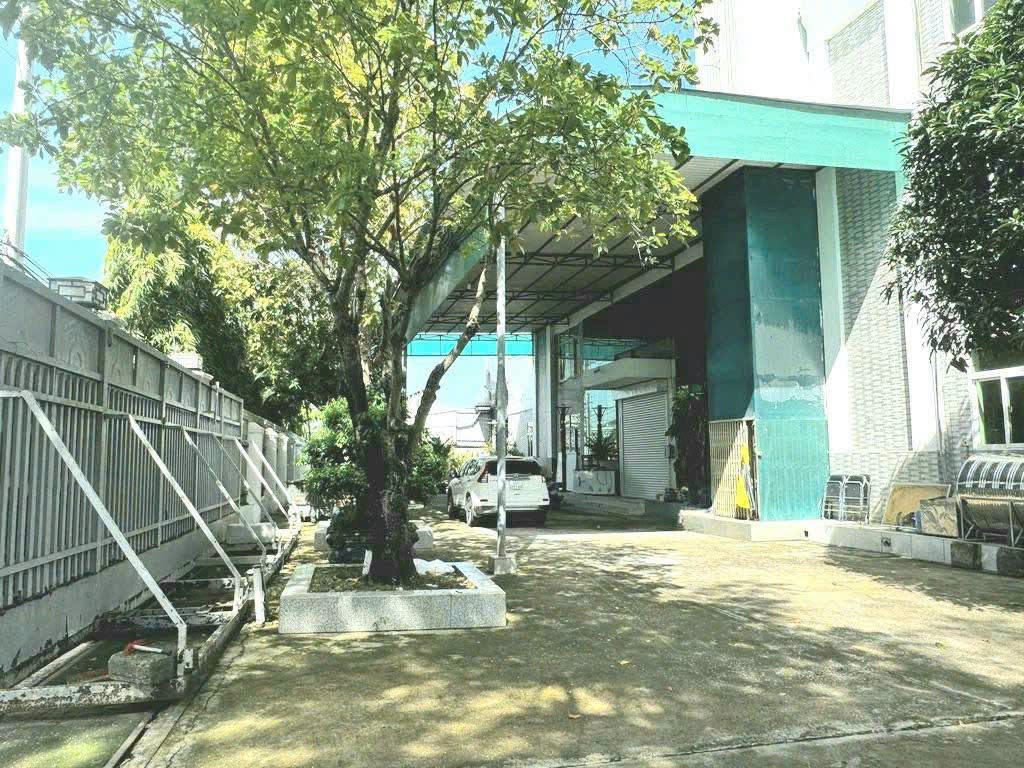
Standards separate a basic refrigerated warehouse from a facility that protects your product and your reputation. When comparing providers for cold storage for rent in Ho Chi Minh City, treat certifications and monitoring systems as part of the product, not paperwork.
Food Safety and Pharma Certifications
For food, look for HACCP and ISO 22000, which show the operator has mapped hazards and controls across receiving, storage and dispatch. Food-grade cold storage should also follow Vietnam's food safety regulations, so ask how the facility is registered and inspected. For medicines and vaccines, GDP (Good Distribution Practice) is the benchmark, covering temperature control, handling and documentation through the cold chain storage Vietnam depends on.
Ask to see certificates and recent audit reports rather than a logo on a brochure. Confirm the certificate covers the specific unit and service you are renting, and check expiry dates. If an operator cannot produce documents on request, that is a warning sign.
Temperature Monitoring and Backup Systems
Reliable facilities use calibrated data loggers across rooms, with alarms and remote monitoring so staff are alerted to excursions day or night. Ask whether you can receive temperature reports and export history for your own audits. Traceability matters too: batch records, in/out logs and clear segregation of your stock from other clients' goods.
Hygiene and pest control should be scheduled, documented and paired with employee training. Finally, probe redundancy: backup generators, dual refrigeration systems and maintenance routines prevent spoilage during power cuts, which are a real risk in HCMC. A short site visit to a refrigerated warehouse for rent in Ho Chi Minh City will quickly show whether these systems are genuinely in place.
How Cold Storage Rental Prices Are Determined in HCMC
Rates for a cold storage for rent in Ho Chi Minh City are not published on a single price list. They move with location, temperature, volume and the services bundled into the contract, so treat any figure you receive as a starting point for negotiation rather than a fixed market rate.
Key Cost Factors
- Location: Facilities in inner districts such as Binh Thanh or Tan Binh sit closer to restaurants, retailers and clinics but cost more per square metre. Warehouses in industrial zones such as Binh Chanh, Cu Chi, Nha Be or the Nhon Trach side of Dong Nai are cheaper but add transport time and trucking costs.
- Storage type: Chilled space (roughly 0 to 8°C, depending on the product) is the cheapest to run. Frozen storage (typically around -18°C or lower) and deep-freeze or blast-freeze capacity cost more because of energy use and equipment.
- Volume and unit: Small users often rent by pallet position or by cubic metre; larger tenants negotiate per square metre of dedicated space. Committed volume almost always lowers the unit rate.
- Duration: Short seasonal bookings cost more per month than annual contracts.
- Additional services: Handling in and out, labelling, inventory management, order picking and last-mile delivery are usually quoted separately. Ask for a full cost breakdown, not just the storage rate.
Price Ranges and Negotiation Tips
Indicative rates for cold storage warehouse rental HCMC vary widely. As a rough guide, chilled storage often falls in a range of roughly a few hundred thousand to over one million VND per pallet per month, while frozen storage typically sits higher, and pharmaceutical or GDP-compliant space higher still. Always confirm current quotes directly, as rates change with energy costs and demand.
Renting your own unit gives you control but ties up capital in fit-out, power and staff. Outsourcing to a 3PL provider bundles labour and administration into one fee, which suits businesses with fluctuating volumes. Compare the total monthly cost, not the headline storage rate.
To negotiate: commit to a longer term in exchange for a lower rate, share space with other tenants where the provider allows it, and stay flexible on access hours and dock scheduling. Clarify how temperature excursions, power outages and minimum monthly volumes are handled before signing.
Where to Find Cold Storage for Rent in Ho Chi Minh City

Industrial Zones and Districts
Most cold storage for rent in Ho Chi Minh City is concentrated in industrial zones and outlying districts where land is more available and truck access is easier. Thu Duc City (formerly District 9) hosts several clusters, including the Linh Trung area, which is popular with food and pharmaceutical tenants. Binh Tan district, particularly around Tan Tao Industrial Park, offers a mix of older and newer facilities with good connections to the city center. Tan Binh district, near Tan Son Nhat airport, suits businesses that need quick access for airfreight or city deliveries, though space is tighter and rents are typically higher. Nha Be and Hoc Mon districts provide more affordable options, with Nha Be benefiting from proximity to ports and Hoc Mon serving the northwest corridor.
Proximity to Ports and Highways
For import and export operations, proximity to Cat Lai port (Thu Duc City) and Hiep Phuoc port (Nha Be) is a key advantage. Facilities in Hiep Phuoc Industrial Park are especially suitable for container traffic, while those near Cat Lai offer shorter drayage to the city's main gateway. Major highways such as the Ho Chi Minh City – Long Thanh – Dau Giay expressway and National Highway 1A provide links to neighboring provinces. When shortlisting a cold storage warehouse rental in HCMC, consider traffic congestion during peak hours, which can affect delivery times. Also check truck access and loading bay capacity, especially if you operate large vehicles. Finally, weigh proximity to your customers or suppliers to minimize cold chain storage Vietnam transport costs and maintain product integrity.
Tips for Choosing the Right Cold Storage Provider
Choosing a cold storage provider in HCMC is a long-term operational decision, not just a price comparison. A structured approach helps you avoid temperature failures, hidden costs and contract disputes after you have already moved stock in.
Due Diligence Checklist
Start by defining your own requirements: the exact temperature range your products need, the volume in pallets or cubic metres, and how long you expect to store. This makes it easier to compare providers on a like-for-like basis and to spot facilities that are oversized or unsuitable for your cold chain storage Vietnam needs.
Visit the facility in person and check cleanliness, maintenance of doors and seals, and security such as access control and CCTV. Ask for copies of HACCP, ISO 22000 and, where relevant, GDP certificates for pharmaceutical cold storage, and confirm when they were last audited. A reputable provider will also share temperature logs and incident records.
Finally, ask for references from existing clients in a similar industry and speak to them about service reliability, communication and how the provider handles peak seasons. This is often the most revealing part of the due diligence process.
Contract Considerations
Review the contract carefully to clarify who is responsible for what: loading and unloading, temperature monitoring, insurance, and liability for spoilage or damage. Service level agreements (SLAs) should specify response times for temperature alarms, maintenance windows and reporting frequency.
Check how billing works for extra services such as handling, palletisation or after-hours access, and whether minimum storage periods or notice periods apply. For a cold storage warehouse rental HCMC agreement, it is also worth confirming the process for scaling space up or down as your volumes change. If anything is unclear, ask for it in writing before signing.
Conclusion
Renting cold storage in Ho Chi Minh City offers a flexible and cost-effective solution for businesses needing temperature-controlled space. By understanding the types of storage, standards, pricing, and key locations, you can make an informed decision. Always conduct thorough due diligence, visit facilities, and review contracts carefully to ensure your products remain safe and compliant.
Ready to find the perfect cold storage for your needs? Browse our listings today to compare options and connect with trusted providers.
Frequently asked questions
What is the typical price for cold storage rental in Ho Chi Minh City?
Prices vary based on location, facility standards, and storage type. Chilled storage generally ranges from $3 to $8 per square meter per month, while frozen storage ranges from $5 to $12. Specialized facilities for pharmaceuticals or food-grade may command higher rates. For accurate quotes, request detailed proposals from multiple providers and compare inclusions.
What temperature standards should I look for in a cold storage facility?
Temperature standards depend on your products. Chilled storage typically ranges from 0°C to 8°C, frozen from -18°C to -25°C, and deep-freeze from -30°C to -40°C. For pharmaceuticals, ensure the facility maintains 2°C to 8°C for vaccines and complies with GDP. Always verify that the facility has continuous temperature monitoring and alarm systems.
Which districts in Ho Chi Minh City have cold storage warehouses?
Key districts include Thu Duc City, Binh Tan, Tan Binh, Nha Be, and Hoc Mon. Thu Duc City and Binh Tan are popular for their proximity to industrial zones and highways, while Nha Be offers easy access to ports. Tan Binh is near the airport, and Hoc Mon provides more affordable options. Choose based on your distribution needs.
Can I rent cold storage for pharmaceuticals in Ho Chi Minh City?
Yes, several facilities in Ho Chi Minh City offer GDP-compliant cold storage for pharmaceuticals. Look for providers with validated temperature mapping, continuous monitoring, and backup power. Ensure they have experience handling sensitive products and can provide documentation for audits. It's advisable to visit the facility and review their certifications before committing.
What is the minimum lease term for cold storage in Ho Chi Minh City?
Minimum lease terms vary by provider, but typically range from 6 to 12 months for dedicated spaces. Some facilities offer shorter terms for shared or pallet-based storage, starting from 1 month. For long-term contracts, you may negotiate better rates. Always clarify the minimum term and any penalties for early termination in the contract.


