Serviced Apartment Rental Checklist: 20 Things to Check Before Signing
Before signing a lease for a serviced apartment in Vietnam, you need a serviced apartment rental checklist to ensure you cover all essential aspects, from location and condition to legal matters. This guide provides 20 key checks to help expats and businesses make a confident and informed decision.
Why You Need a Serviced Apartment Rental Checklist

Renting a serviced apartment in Vietnam is usually straightforward, but the details that trip people up are rarely visible during a quick viewing. A structured serviced apartment rental checklist turns a pleasant walk-through into a documented comparison, so you can weigh units on the same criteria instead of on first impressions.
Serviced apartments are not ordinary rentals
Serviced apartments for rent typically bundle utilities, housekeeping, internet, security and sometimes breakfast into one monthly fee, and leases are often shorter and more flexible than a standard residential contract. That convenience is real, but it also means the price is harder to compare unit to unit. Two apartments at a similar rent can include very different services, caps on electricity or cleaning frequency, so the checklist forces you to confirm what is actually included.
Expats face unfamiliar paperwork
For expat housing in Vietnam, the tenancy agreement may exist in Vietnamese and English versions, and the two do not always say exactly the same thing. Deposit rules, notice periods, renewal terms and who arranges temporary registration are common sources of confusion. Good tenancy agreement tips start with asking questions early, in writing, before any deposit changes hands.
How the 20 points are organised
The rest of this article walks through the 20 checks in six groups: location and neighbourhood, apartment condition and maintenance, lease terms and financial obligations, services and amenities, legal and administrative matters, and moving-in and moving-out procedures. Each point includes what to inspect, what to ask and what to get in writing, so you can use it as a practical apartment viewing checklist on the day.
Location and Neighborhood Checks
Location is the part of a serviced apartment rental checklist you cannot renovate later. Before you commit, visit the building at least twice — once on a weekday morning and once at night — and walk the surrounding streets on foot rather than only driving past.
Transport and Commute
Time your actual door-to-desk commute during rush hour, not on a quiet Sunday. In Ho Chi Minh City, a short distance on the map can double in real minutes during peak traffic, so test the route to your workplace or your children's school before deciding.
Check how far you are from main roads, bus stops, and any metro or future transit stations, and whether the last stretch is walkable after dark. Confirm how you will get around daily: motorbike parking, ride-hailing pickup points, or a building car park with an extra fee.
Compare areas rather than single buildings. A serviced apartment in Binh Thanh, for instance, sits closer to the city centre than a Thao Dien unit, which trades convenience for a quieter, more residential feel — a good example of the trade-offs many expats weigh.
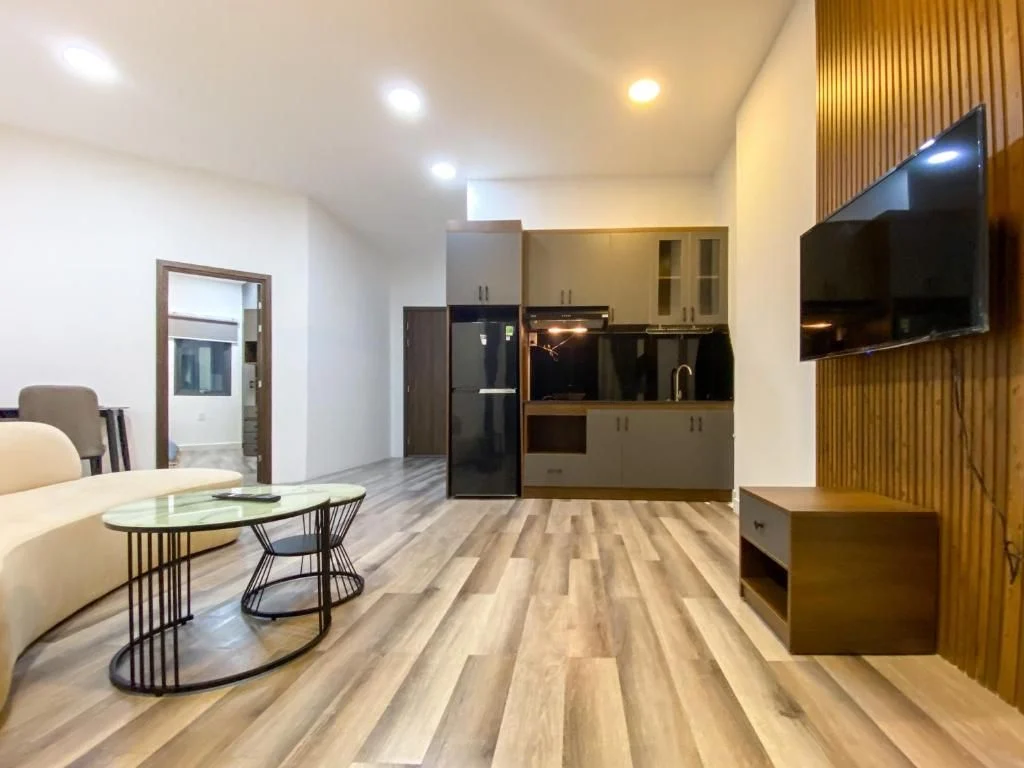
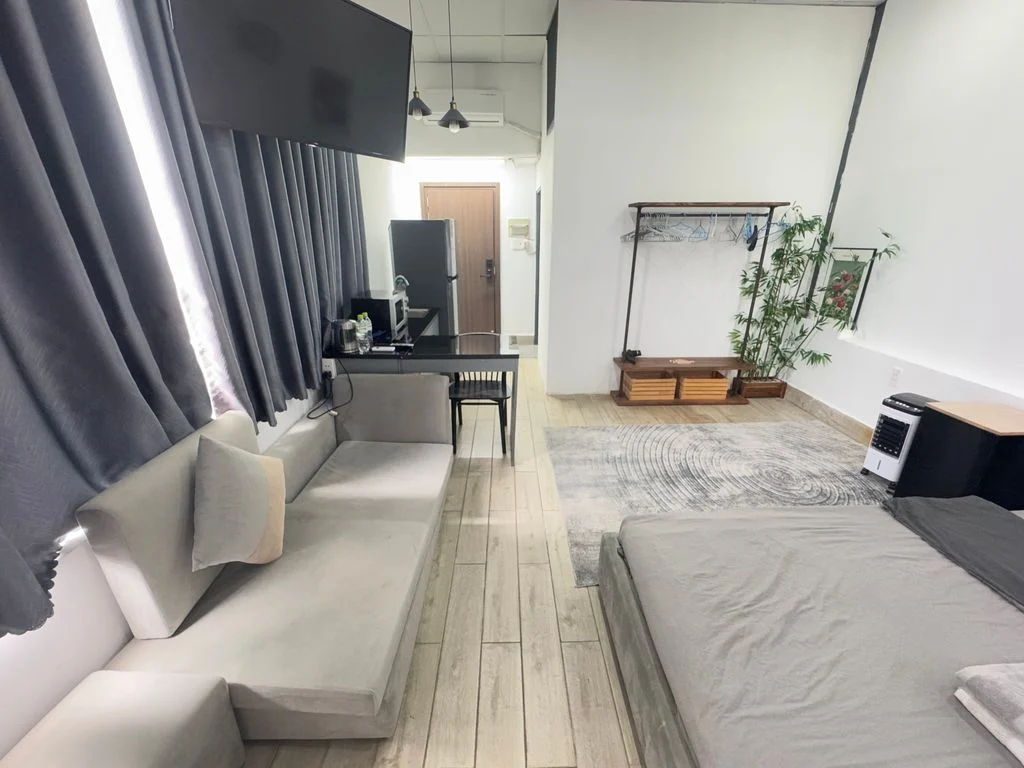
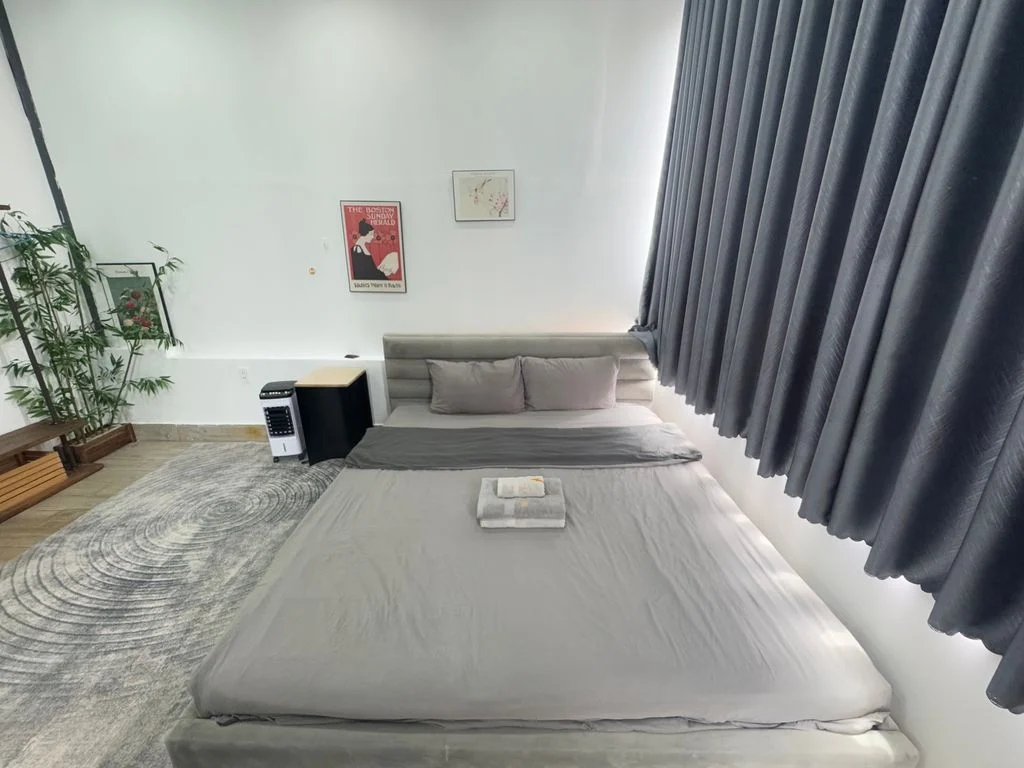
For a sense of how these areas compare in practice, here is one option from our current listings:
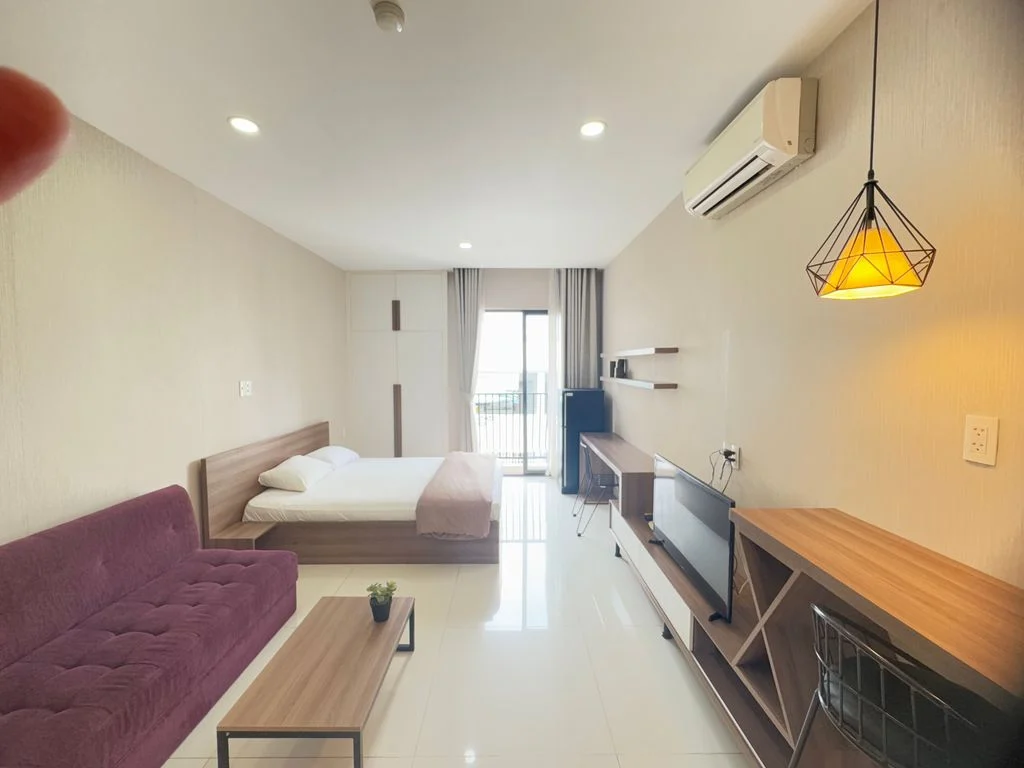
Fully Furnished Studio at Hoàng Gia Thái Apartment on Nguyễn Huy Tưởng, Bình Thạnh, HCMC
9.5 million VND / month
- 30 m²
- 1 BR
- 1 BA
- Hoàng Gia Thái Apartment, Ward 7, Binh Thanh, Ho Chi Minh City
Safety and Convenience
Assess neighborhood safety at different times of day. Check street lighting, whether the alley or entrance is well lit, and whether the building has a guard, CCTV, and a controlled front door. Ask how visitors and deliveries are handled.
Map the everyday amenities within walking distance: supermarkets, convenience stores, pharmacies, hospitals or clinics, international schools, restaurants, and entertainment. For families, confirm school bus routes and clinic opening hours.
Listen for noise — traffic on a main road, nearby construction, karaoke bars, or nightlife — and ask whether the unit faces the street or an inner courtyard. Finally, ask the landlord or neighbors about planned construction nearby that could affect your view or add months of noise.
Apartment Condition and Maintenance
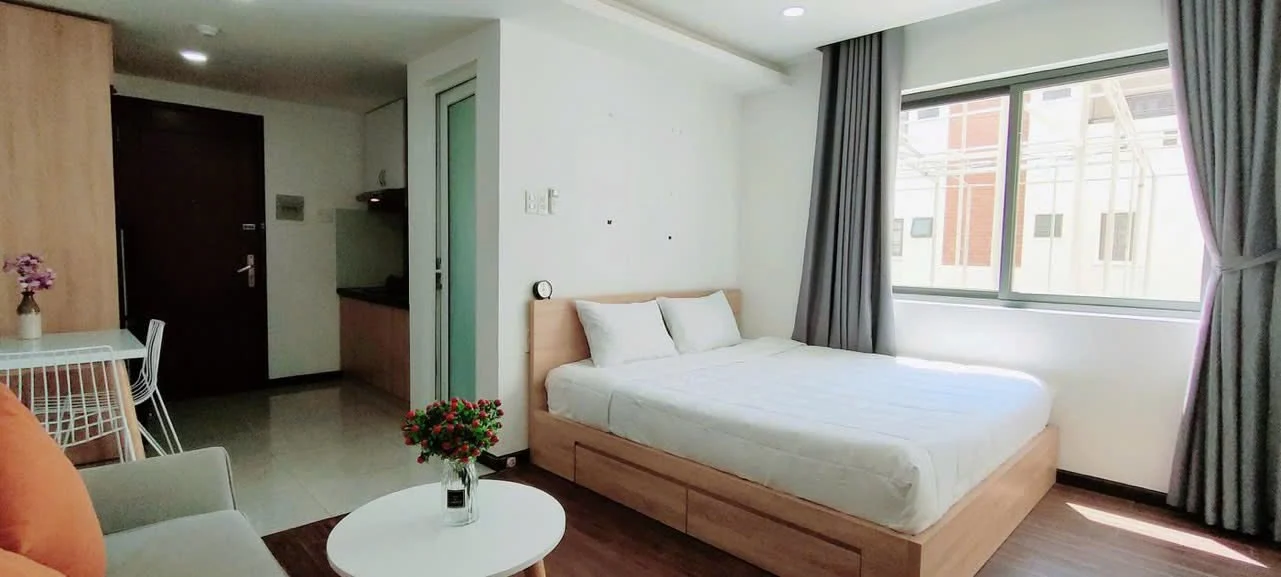
Condition problems are the easiest thing to miss during a short viewing, and the most expensive to live with afterwards. Walk through every room slowly, open every door and tap, and note anything that looks worn. The points below form the core of any apartment viewing checklist for serviced apartments for rent in Vietnam.
Interior Inspection
Check walls and ceilings for hairline cracks, damp patches, bubbling paint and dark streaks near windows or air-conditioning units. Water damage often reappears in the rainy season, so ask whether the ceiling above has ever leaked. On floors, look for lifted tiles, soft patches in timber, and gaps around the baseboards.
Test the plumbing yourself: turn on hot and cold taps in the bathroom and kitchen, watch water pressure, and wait for hot water to arrive. Flush the toilet, run the shower, and check under sinks for slow drainage or old stains that suggest past leaks. Ask who handles repairs and how quickly, and confirm the process in writing.
Bring a small phone charger to test outlets in each room, switch every light on and off, and run the air conditioners long enough to judge cooling and noise. Check that included furniture and appliances are in working order, and note their approximate age. Confirm in the lease exactly which items are included, and list any existing damage with photos before signing.
Look inside wardrobes, under the sink and behind the fridge for droppings, ant trails or traps. Ask whether regular pest control is part of the service, and how often it is scheduled.
Utilities and Appliances
Ask how electricity, water and internet are billed, and whether utility costs are included in the rent or charged separately. Confirm the internet provider and typical speed, and test the signal in the bedroom, not just the living room. Check that the kitchen has what you need: fridge, hob, microwave and enough storage.
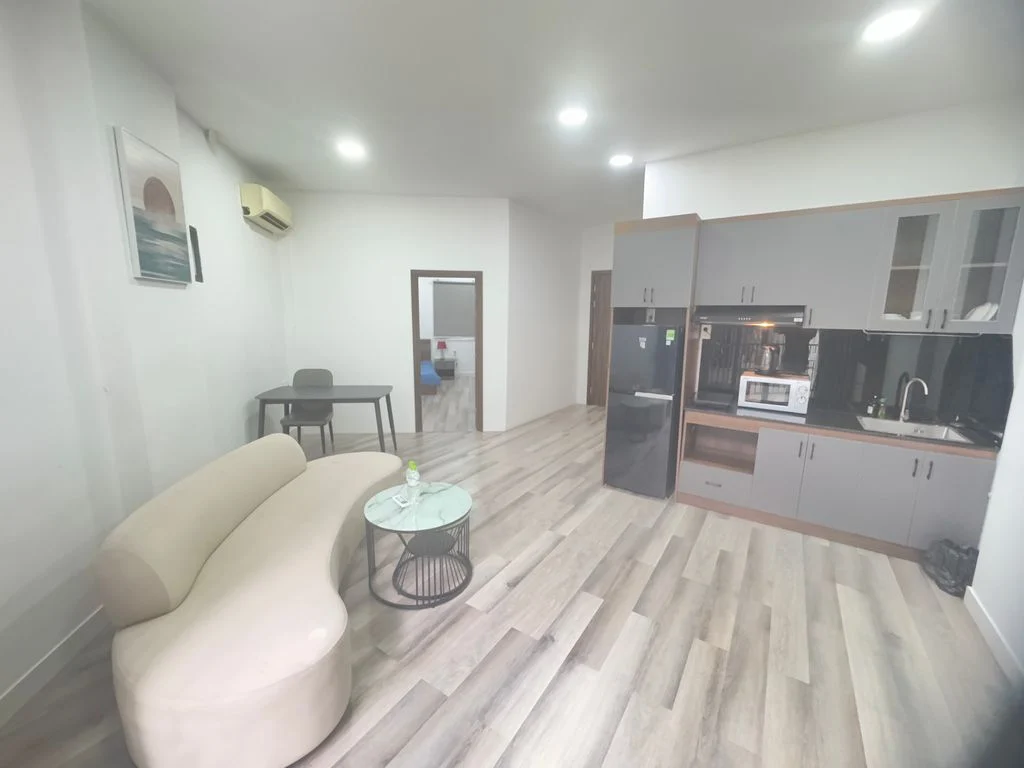
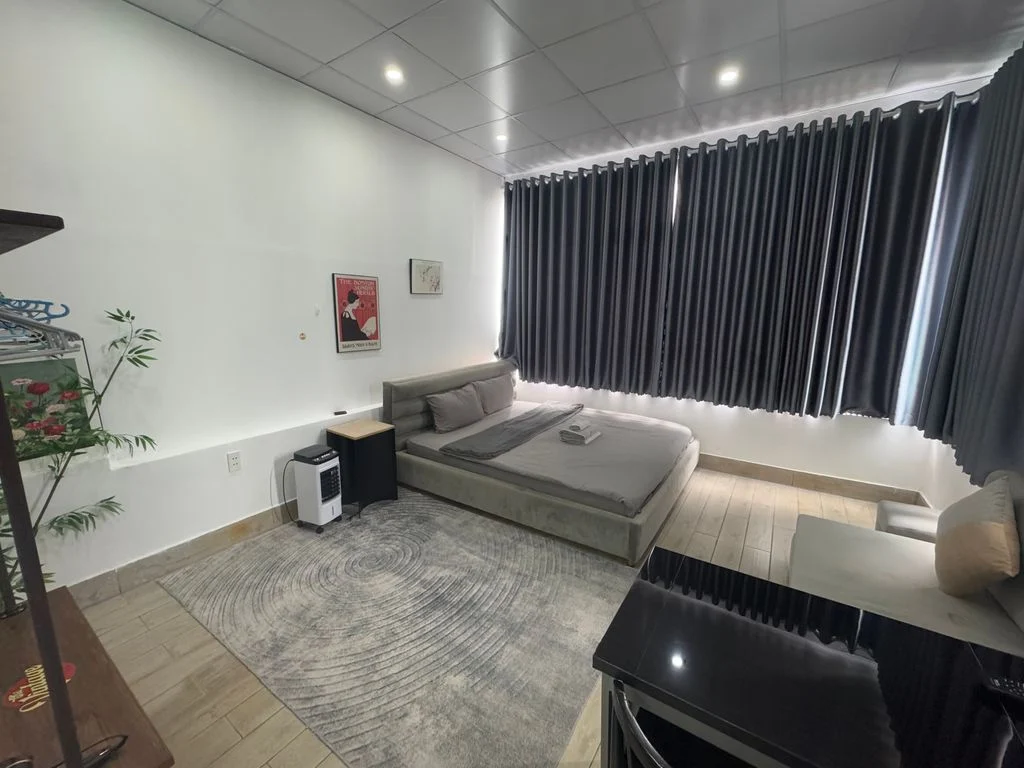
If the apartment is shown fully furnished, a quick comparison helps. For example, this serviced apartment in Binh Thanh is presented as a complete unit, so you can see what a furnished package typically includes.
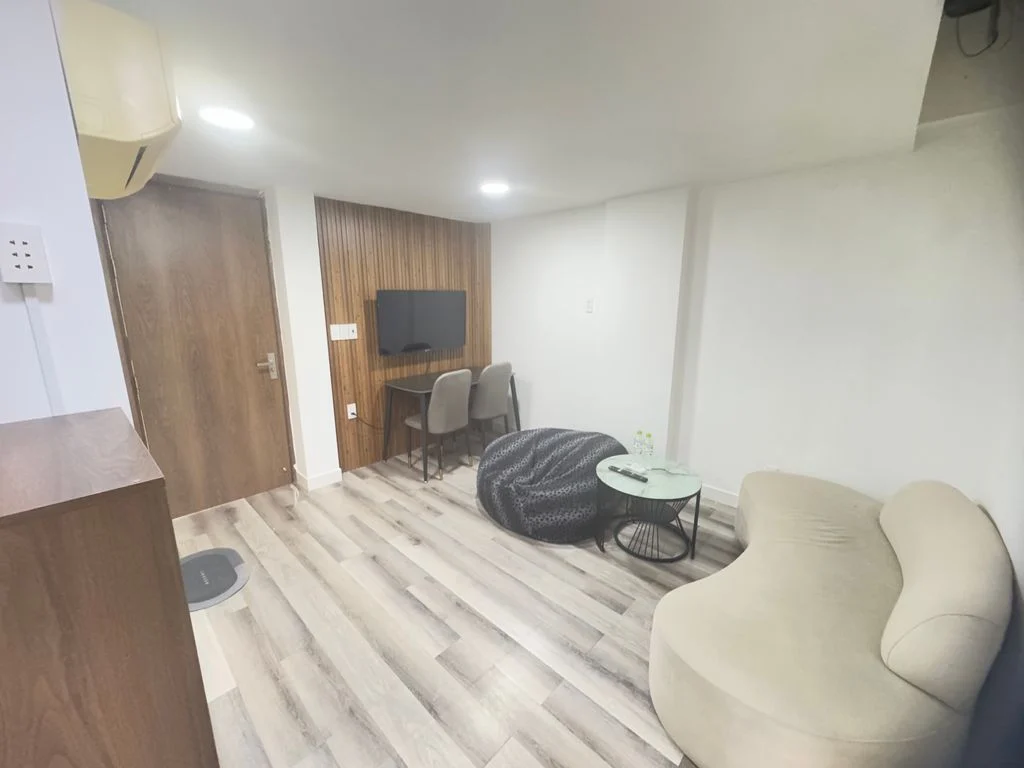
Serviced 2-Bedroom at Zeus Living on Nguyễn Ngọc Phương, Phường 19, Bình Thạnh, HCMC
16 million VND / month
- 75 m²
- 2 BR
- 1 BA
- Zeus Living, Ward 19, Binh Thanh, Ho Chi Minh City
Finally, ask who to call for maintenance, how response times are handled, and whether emergency repairs are covered. A clear answer here is one of the most useful tenancy agreement tips for expat housing in Vietnam.
Lease Terms and Financial Obligations
Understanding the money side of a serviced apartment rental checklist is essential to avoid surprises. This section covers rent, deposit, utilities, extra fees, and contract flexibility.
Costs and Payments
Confirm the rent amount and due date—typically monthly, paid in advance. Check accepted payment methods (bank transfer, cash, card) and any late fees. For serviced apartments for rent, deposits are usually one to two months' rent. Clarify refund conditions and timeline, often within 30 days after move-out, minus deductions for damages or unpaid bills.
Utilities vary: some rents include electricity, water, internet, and cable; others charge separately. Ask for average monthly costs, especially for air conditioning. Additional fees may cover management, parking, cleaning, laundry, and other services. Get a full list in writing.
Contract Flexibility
Lease duration and renewal options matter. Minimum stays are often one to six months, with a notice period (typically 30 days) for non-renewal. Check renewal terms—whether rent can increase and by how much. Termination clauses should state penalties for early termination and conditions for breaking the lease (e.g., job relocation). Review tenancy agreement tips with a local legal advisor if unsure.
For expat housing in Vietnam, ensure the contract is in English and Vietnamese, and that all verbal promises are written in. A thorough serviced apartment rental checklist includes these financial and legal points to protect your interests.
Services and Amenities
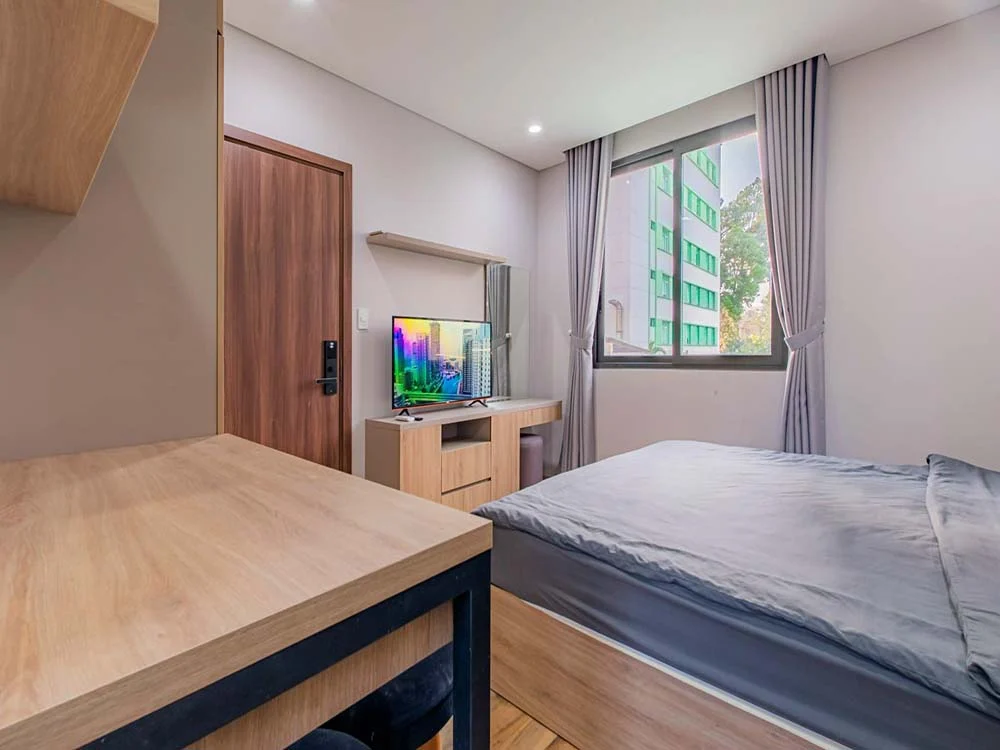
Services are what separate a serviced apartment from a plain rental, but the details vary widely between buildings in Vietnam. Confirm exactly what is covered in your rent and what carries an extra charge before you commit.
Included Services
Ask how often housekeeping visits and what each visit covers. Weekly cleaning with linen and towel changes is typical, but some buildings offer twice-weekly service or charge for extra visits. Clarify whether laundry, dishwashing or cooking are part of the package or billed separately.
Security matters for expat housing in Vietnam, so check for 24/7 guards, CCTV coverage in lobbies and corridors, and access control such as keycards or a reception sign-in system for visitors. Ask how deliveries and guests are handled.
Internet and TV deserve a practical test. Ask which provider supplies the building, request a speed test during your viewing and check whether Wi-Fi is shared or dedicated to your unit. Confirm whether cable or streaming TV is included or extra.
Find out how to report maintenance issues, whether via reception, an app or a hotline, and what response time the building commits to for urgent problems like leaks or air-conditioning failure. Get this in writing if possible.
Building Facilities
A gym, pool, parking and common areas can add real value, but verify each one is actually operational and included in your rent rather than paid per use.
- Gym: equipment condition, opening hours, any membership fee
- Pool: maintenance schedule, lifeguard or rules, guest access
- Parking: motorbike and car spaces, monthly cost, security
- Common areas: lobby, co-working space, garden, resident lounge
Visit facilities in person during your apartment viewing checklist walk-through and ask whether any are closed for renovation. For serviced apartments for rent in busy districts, parking availability is often limited, so confirm your allocation early.
Legal and Administrative Matters
Before signing, confirm that the landlord has the legal right to rent the unit. Ask to see the ownership certificate (Giấy chứng nhận quyền sở hữu) or, if the landlord is not the owner, a notarized authorization letter. This step is essential for a smooth serviced apartment rental checklist and protects you from future disputes.
Documentation
Ensure you receive a contract in a language you understand. If the contract is in Vietnamese, request an English translation and check that both versions match. Pay attention to clauses on rent, deposit, utilities, termination, and renewal. Keep copies of all documents, including the landlord's ID and ownership papers.
Check that the contract clearly states the landlord's responsibility to register your stay with local authorities. In Vietnam, landlords are typically required to register temporary residence for foreign tenants. Confirm this is done within the legally required timeframe and ask for proof of registration.
Compliance
Verify insurance coverage: ask whether the building has insurance and what it covers. Consider purchasing renter's insurance for your personal belongings. Clarify the dispute resolution process—whether through negotiation, mediation, or arbitration—and ensure it is written into the contract. For expat housing in Vietnam, understanding these legal points is crucial to avoid problems. Always consult a legal professional if anything is unclear.
Moving-In and Moving-Out Procedures
The final stage of any serviced apartment rental checklist is the handover. Getting the paperwork right at both ends protects your deposit and avoids disputes later. Ask the landlord or building management to schedule a joint inspection at move-in and confirm the same process in writing for move-out.
Before You Move In
Walk through the unit with the landlord or a representative and complete an inventory check. List every item — furniture, appliances, kitchenware, linens — and note its condition, including existing scratches, stains or dents. Take dated photos and short videos of each room, then have both parties sign the inventory so there is a shared record.
Record electricity and water meter readings on the day you receive the apartment, and photograph the meters. Confirm who is responsible for cleaning before move-in; in most serviced apartments the landlord arranges it, but this should be stated in the tenancy agreement tips you review. Clarify the key handover too: how many keys and access cards you receive, and what happens — and what it costs — if a key or card is lost.
When You Move Out
Check the notice period required before you leave; it is typically one month but varies by building and contract, so confirm it early. Ask what cleaning standard is expected and whether a professional clean is required at your cost. Finally, confirm the conditions for deposit refund, including the inspection timeline and how long the refund usually takes, and get the move-out checklist in writing.
Summary: Your Key to a Smooth Rental Experience
A thorough serviced apartment rental checklist is your best tool for avoiding surprises and securing a comfortable home in Vietnam. By systematically reviewing location, condition, lease terms, services, legalities, and move-in procedures, you protect your interests and ensure a smooth transition.
Ready to find your ideal serviced apartment? Browse our curated listings today and apply your checklist with confidence.
Frequently asked questions
What should I check in a serviced apartment before signing the lease?
Before signing, thoroughly inspect the apartment's condition, including furniture, appliances, and plumbing. Verify the landlord's ownership, review all lease terms, and confirm what services and utilities are included. Also, check the neighborhood for noise, safety, and amenities, and ensure the contract clearly states deposit, payment, and termination conditions.
How much deposit is typical for a serviced apartment in Vietnam?
Deposits for serviced apartments in Vietnam usually range from one to three months' rent, depending on the property and lease length. It's common for landlords to require a deposit equal to one or two months' rent. Always confirm the deposit amount and refund conditions in writing before signing.
Are utilities included in the rent for serviced apartments?
Utilities inclusion varies by property. Some serviced apartments include electricity, water, and internet in the rent, while others charge separately based on usage. Always clarify what is included and request a sample utility bill to understand potential monthly costs.
Can I negotiate the terms of a serviced apartment lease?
Yes, many terms are negotiable, especially for longer leases or with professional landlords. You can discuss rent, deposit, included services, and even minor repairs. However, be prepared to compromise and ensure any agreed changes are documented in the contract.
What are common mistakes to avoid when renting a serviced apartment?
Common mistakes include not inspecting the apartment thoroughly, failing to verify the landlord's ownership, not reading the contract carefully, and overlooking additional fees. Also, avoid skipping the joint inventory at move-in and not understanding the notice period for termination.