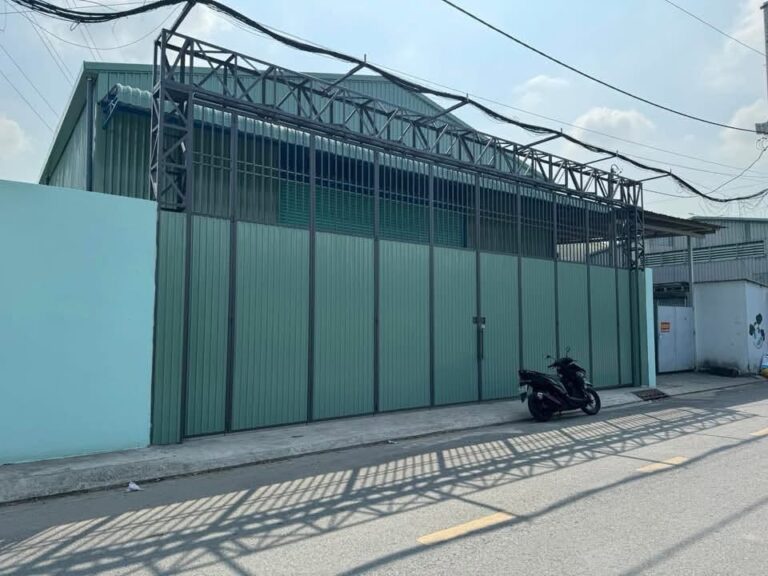
Fire Safety Permit for Warehouse Rentals in Ho Chi Minh City

Obtaining a fire safety permit for warehouse rentals Ho Chi Minh City is a legal requirement that protects both landlords and tenants from severe penalties and operational risks. This guide explains why the permit matters, the consequences of non-compliance, and how to verify and negotiate fire safety compliance before signing a lease.
Why a Fire Safety Permit Matters for Warehouse Rentals

Many businesses begin their search for a warehouse for rent Ho Chi Minh City by comparing rent, ceiling height and truck access, then only discover later that the building lacks a valid fire safety permit. In Vietnam, fire prevention and fighting (PCCC) approval is not a formality — it is the legal foundation that allows a warehouse to be used for storage or production at all. Skipping this check can stall your launch, expose you to fines and leave your goods unprotected.
Legal Requirements for Fire Safety in Vietnamese Warehouses
Under Vietnam's fire safety regulations for warehouses, buildings used for storage or industrial activity generally require a fire prevention and fighting permit — either an approval of the fire safety design and a subsequent acceptance inspection, or a certificate confirming the facility meets fire safety conditions. The exact requirement depends on the warehouse's floor area, height, storage type and fire risk classification, and the rules are updated periodically, so always confirm the current thresholds with a qualified local consultant or the local fire police authority.
For tenants, the practical message is simple: a warehouse without the correct fire prevention and fighting permit Vietnam requires is not a legally usable warehouse for your operations.
Landlord vs. Tenant Responsibilities
In a typical industrial warehouse rental HCMC arrangement, the landlord is responsible for obtaining the initial permit and for ensuring the structure, escape routes, fire alarm and sprinkler systems meet the approved standard. The tenant is usually responsible for keeping those systems maintained, not blocking exits, training staff and not exceeding the approved storage limits or fire load. Your lease should state clearly who handles what, and who pays for periodic inspections.
If the permit is missing, the consequences fall on you as the occupier: your business licence and fire safety self-declaration may not be accepted, authorities can fine the operator, insurers may reduce or refuse fire claims, and your staff and stock face genuine risk. A landlord fire certificate is therefore a document worth verifying before you sign — not after you move in.
When shortlisting options, ask for the fire documents at the same time you review the layout. For example, a larger facility like this one is the type of property where you should request the fire acceptance documentation early:

High-Ceiling 1,500 m2 Warehouse with Container Truck Access, District 12, HCMC
150 million VND / month
- KCN Tân Bình, Tan Binh, District 12, Ho Chi Minh City
Legal Consequences for Landlords Without a Fire Safety Permit
Under Vietnamese fire prevention and fighting regulations, the responsibility for holding a valid fire safety permit sits with the owner or operator of the facility, not the tenant. If a warehouse landlord skips the permit, renews it late, or lets it lapse, the exposure falls on them first — but the practical fallout often reaches tenants through disruption and reputational risk. The exact penalties are set by government decrees that are amended from time to time, so treat the points below as typical and confirm current figures with a local legal advisor.
Fines and Penalties Under Vietnamese Law
Administrative fines for operating a warehouse without a required fire safety permit, or for failing to maintain fire prevention and fighting equipment, can be substantial and are generally higher for larger or higher-risk facilities. Inspectors may also require the landlord to correct deficiencies within a fixed deadline and can impose additional penalties for each violation found during a follow-up inspection.
Beyond the fine itself, a recorded violation can affect the landlord's ability to obtain or renew other approvals and may trigger closer scrutiny of the whole property. For tenants, this is a reminder to check the warehouse landlord fire certificate before signing anything, not after moving in.
Business Suspension and Closure
Where violations are serious or remain uncorrected, authorities can order part or all of the warehouse to stop operating until the problems are fixed. That can mean a tenant's goods sit idle, shipments are delayed, and staff cannot access the site — losses that a lease rarely covers.
In severe cases, particularly where a violation contributes to a fire or where repeated breaches show clear disregard, individual managers may face criminal liability under Vietnamese law. This is uncommon but real, and it is one reason serious landlords treat the permit as non-negotiable.
Before signing, ask for the permit and check that it matches the actual use, area and storage type. If you are comparing industrial warehouse rental HCMC options, a compliant landlord is worth more than a slightly lower rent.
Risks for Tenants Renting a Warehouse Without Fire Safety Permit

When you sign a lease for a warehouse for rent Ho Chi Minh City, the fire safety permit is not only the landlord's problem. As the occupier, your business carries much of the day-to-day exposure, and that exposure can surface quickly during an inspection or, worse, after an incident.
Operational and Financial Risks
Authorities can order a warehouse closed or suspend operations if fire safety conditions are not met. For a tenant, a forced closure means stock frozen inside, deliveries missed and staff idle while the issue is resolved. In many cases the tenant must still pay rent during the shutdown, because the lease obligations continue even when the premises cannot be used.
If a fire occurs, investigators will look at whether the tenant stored goods safely, blocked exits or overloaded electrical systems. A tenant that knew the permit was missing or expired may be treated as partially responsible, exposing the company to administrative fines and civil claims from neighbours, insurers or business partners. Common scenarios include a landlord who promises the certificate is "being renewed" and a tenant who moves in anyway, then faces a closure order weeks later with goods already inside.
Before committing to an industrial warehouse rental HCMC, confirm the fire certificate covers the actual use you plan. A warehouse approved for general storage may not be certified for flammable goods, and that mismatch is a frequent source of fines.
Insurance and Liability Issues
Most property and stock insurance policies require the premises to meet local fire safety regulations. If the warehouse lacks a valid permit, an insurer may reduce or reject a claim after a fire, leaving the tenant to absorb the loss of goods, equipment and business interruption. This is why a warehouse landlord fire certificate should be checked before you sign, not after a loss.
Business continuity and reputation are also at stake. A fire incident or forced closure can interrupt contracts, delay shipments and damage relationships with clients who expect reliable supply. For export-oriented businesses, a serious safety failure can also trigger scrutiny from buyers and auditors.
Tenants should treat fire compliance as a condition of the lease, not an afterthought. Verifying the permit early protects your operations, your insurance and your company's standing.
How to Negotiate with Your Landlord for Fire Safety Compliance
Negotiation works best when it starts early, before you commit to a lease. Ask for a copy of the fire safety permit for warehouse rentals Ho Chi Minh City as part of your initial due diligence, alongside the land use certificate and the landlord's business registration. Reviewing the document before discussions get serious gives you room to raise concerns calmly rather than after you have paid a deposit.
Many landlords in HCMC are genuinely unfamiliar with the paperwork required under fire prevention and fighting permit Vietnam rules, particularly owners of smaller or older industrial warehouse rental HCMC stock. A short, factual conversation about what the certificate covers and why your insurer or client may ask for it often resolves the issue without conflict.
Contract Clauses to Include
Put fire safety obligations in writing. A clear clause protects both sides and removes ambiguity if an inspection occurs mid-tenancy.
- State that the landlord holds and maintains a valid fire safety permit for the premises throughout the lease term.
- Require the landlord to provide a certified copy on signing and to renew it before expiry.
- Assign responsibility for extinguishers, alarms, signage and periodic inspections, and who pays.
- Include a remedy if the permit lapses, such as rent abatement or a right to terminate without penalty.
- Confirm that any fit-out you install will be reviewed and approved under the existing permit or a new one.
What to Do If the Landlord Refuses
If the landlord will not obtain the permit, you have two realistic options. The first is to negotiate a rent reduction that covers the cost, time and risk of securing compliance yourself, with the arrangement documented in the lease. The second is to walk away, because an unpermitted warehouse exposes your goods, insurance and operations to disruption.
Well-managed industrial parks and newer developments usually hold current certificates, so comparing options helps. For instance, this recently listed facility in Tân Tạo Industrial Park is the type of premises where compliance paperwork is typically easier to confirm.

Factory with 7 m Eaves Height at Tân Tạo Industrial Park, HCMC
$6 / m²/month
- Khu công nghiệp Tân Tạo, Ho Chi Minh City
Steps to Verify Fire Safety Compliance Before Renting
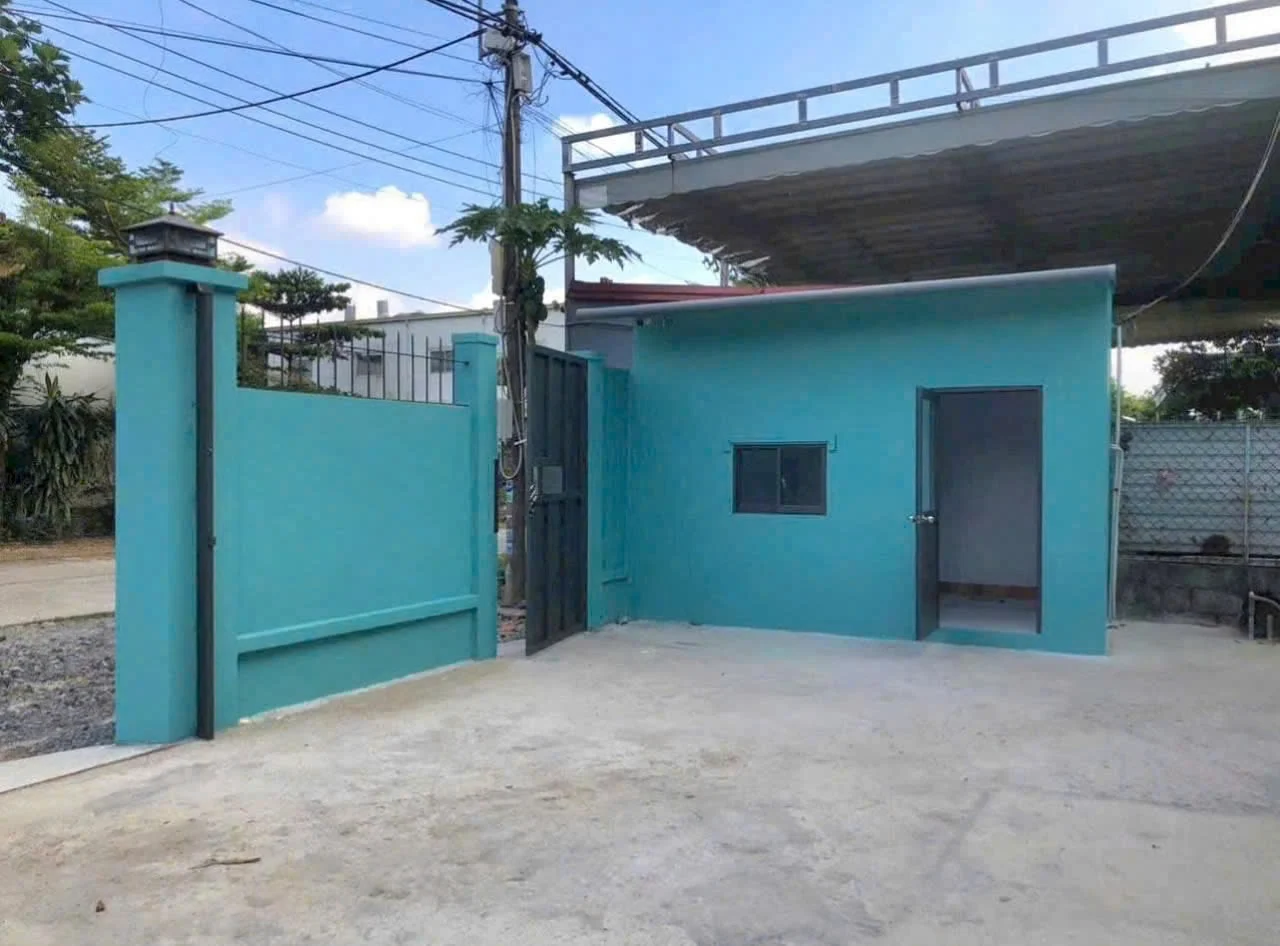
Before signing any industrial warehouse rental HCMC contract, treat fire safety verification as a due-diligence step, not a formality. A valid fire safety permit for warehouse rentals Ho Chi Minh City should be checked against the actual building, not just the landlord's word.
Checklist for Tenants
- Ask for the fire safety permit (giay chung nhan PCCC) and request a clear copy, not a photo of a photo.
- Check the expiry date and confirm whether renewal is due before your lease starts.
- Match the details: the permit should show the same warehouse address, floor area and approved use (storage, goods type) as your intended operation.
- Inspect the equipment on site: extinguishers with current inspection tags, working smoke alarms, clearly marked and unobstructed exits, and emergency lighting.
- Confirm the fire prevention and fighting permit Vietnam requirements for your specific goods, since flammable or hazardous storage may need extra approval.
Consequences of Non-Compliance
If the permit is missing, expired or does not match the address, do not rely on verbal assurances. Ask the landlord to correct it in writing before signing, and note that a warehouse landlord fire certificate that covers a different use may not protect your operation.
If you are unsure, contact the local fire police (PCCC) office for the district where the warehouse sits to verify the record. For larger or high-value leases, hire a legal consultant to run full due diligence on the permit and fire safety regulations for warehouses, so any gap is found before your deposit is committed.
Alternatives If Your Landlord Won't Comply
If your landlord refuses to obtain or renew a valid fire safety permit for warehouse rentals Ho Chi Minh City, you are not out of options. The right path depends on your timeline, budget and willingness to take on compliance work yourself.
Finding a Compliant Warehouse
The safest and usually fastest route is to walk away and find another warehouse for rent Ho Chi Minh City that already holds a valid fire prevention and fighting permit. Reputable industrial parks in districts such as Thu Duc, Binh Chanh, Nha Be and Long An border areas often have clearer legal status and standardised fire safety infrastructure. When shortlisting, ask for the warehouse landlord fire certificate and check that the permit matches the exact address, use and floor area you intend to rent.
Another option is to invest in fire safety infrastructure yourself, but only with the landlord's written permission. This may include installing detectors, sprinklers, extinguishers, signage and emergency exits that meet fire safety regulations for warehouses. Keep in mind that any upgrade usually requires approval and may become part of the property, so clarify ownership and cost-sharing before spending money.
Self-Application for Fire Safety Permit
In some cases, tenants can apply for the fire prevention and fighting permit themselves, but this is rarely straightforward. It typically requires landlord cooperation, access to the property's legal documents, and coordination with the local fire police. Without the owner's signature and full documentation, your application is likely to stall.
To reduce risk, prioritise industrial warehouse rental HCMC options in established industrial parks or with clearly verified legal status. Our listings include warehouses with verified fire safety permits, so you can shortlist with confidence and avoid the compliance gaps that put your operations at risk.
Key Takeaways on Fire Safety Permits for Warehouse Rentals
Ensuring a warehouse has a valid fire safety permit is essential for legal compliance, risk management, and business continuity. Tenants should verify permits thoroughly, negotiate compliance with landlords, and consider alternatives if necessary. By prioritizing fire safety, businesses can avoid fines, closures, and liability issues.
Browse our listings to find warehouses in Ho Chi Minh City with verified fire safety permits, ensuring a safe and compliant operating environment for your business.
Frequently asked questions
What is a fire safety permit for a warehouse in Vietnam?
A fire safety permit, known as Giấy chứng nhận thẩm duyệt thiết kế về phòng cháy và chữa cháy, is an official document issued by the fire police authority confirming that a warehouse meets fire safety standards. It covers design approval, equipment inspection, and operational readiness. Without it, the warehouse cannot legally operate.
Who is responsible for obtaining the fire safety permit, landlord or tenant?
The landlord is typically responsible for obtaining and maintaining the fire safety permit for the warehouse structure and fixed systems. However, tenants may be responsible for permits related to their specific operations or modifications. The lease agreement should clearly define these responsibilities to avoid disputes.
What are the penalties for operating a warehouse without a fire safety permit?
Penalties can include administrative fines ranging from millions to hundreds of millions of VND, suspension of operations, and forced closure. In severe cases or repeated violations, criminal liability may apply. Landlords and tenants alike can face consequences, so compliance is crucial.
Can I rent a warehouse if the landlord doesn't have a fire safety permit?
Renting without a permit is risky and illegal. You may face forced closure, fines, and liability in case of fire. It's advisable to negotiate with the landlord to obtain the permit or choose a compliant alternative. Always verify the permit before signing a lease.
How can I check if a warehouse has a valid fire safety permit?
Request a copy of the permit from the landlord and verify its authenticity with the local fire police authority (PCCC). Check that the permit's expiry date, address, and approved use match the warehouse. Also, conduct an on-site inspection of fire safety equipment and ask for recent inspection records.