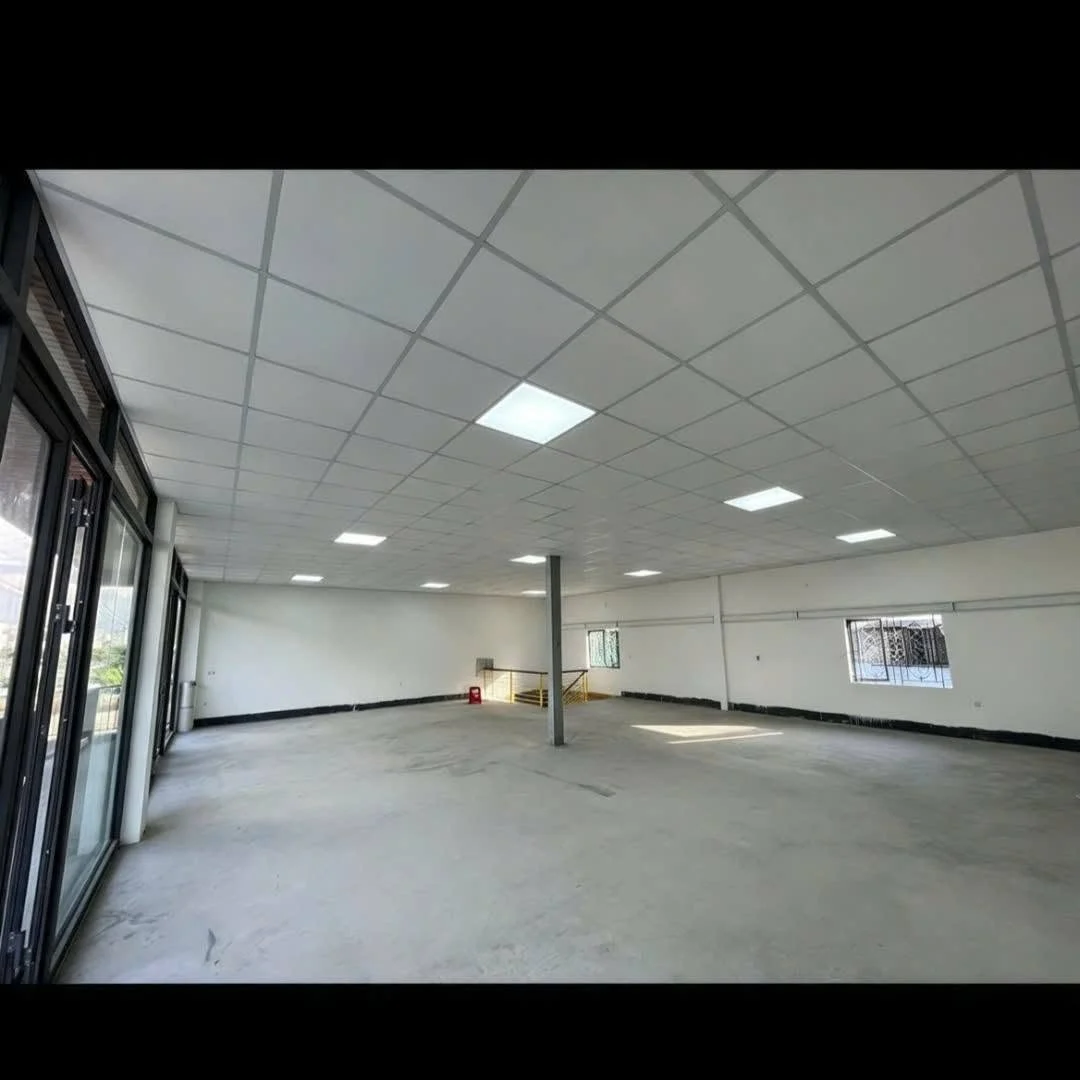
Rent a Building for a School or Training Center in Saigon
To rent a building for a school in Saigon, you need to consider location, building type, fire safety compliance, licensing, and lease terms that suit educational use. This guide walks expats and businesses through each step, from shortlisting suitable properties in key districts to negotiating a lease that allows for necessary fit-out and licensing. With the right approach, you can secure a compliant and well-located space for your school or training center.
Why Saigon Is a Prime Location for Schools and Training Centers

Ho Chi Minh City combines a large, young population with a deep pool of expatriate families and professionals, which keeps demand steady for schools, language centers and skills training. For operators planning to rent a building for a school in Saigon, the city offers both catchment depth and a wide choice of building types across its central and suburban districts.
Key Districts for Education Businesses
District 7, Binh Thanh, Phu Nhuan and the Thao Dien area of District 2 are among the most requested for education space. These districts mix dense residential neighborhoods with young families, international compounds and office hubs, so a campus can draw students from nearby homes and from parents working close by.
District 3 and District 1 remain attractive for language and test-prep centers that benefit from central visibility, while District 12 and Tan Binh offer larger floor plates and lower rents for vocational or supplementary programs. Many operators compare a whole house for rent in Saigon in these areas before committing to a long lease.
Buildings on main roads such as Vo Van Tan or Phan Xich Long put a school in front of passing traffic and near bus routes. A central building with strong frontage can support both a ground-floor reception and upper-floor classrooms.

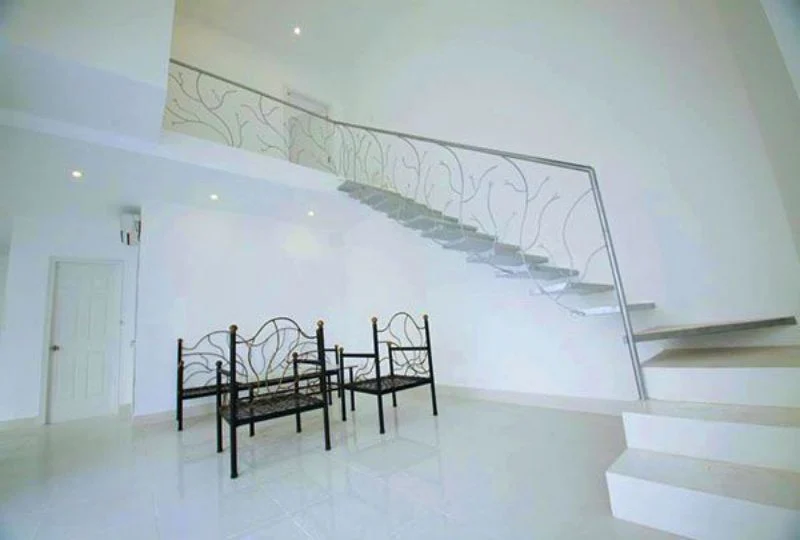
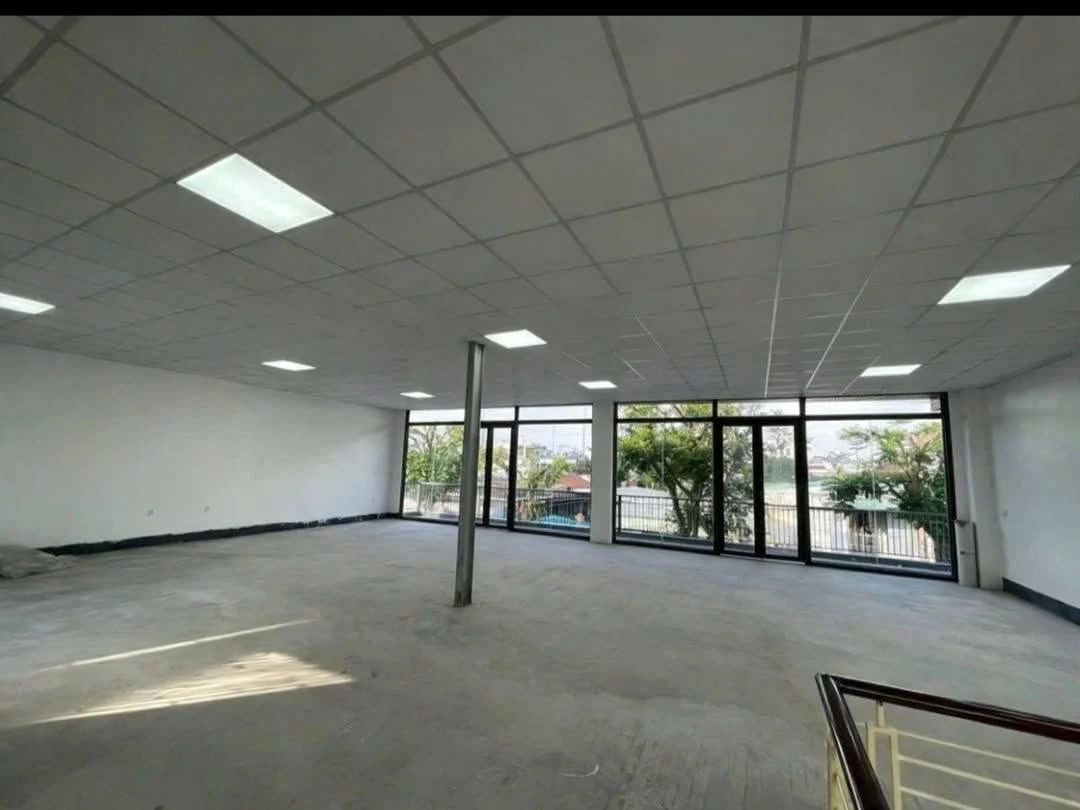
10 m Frontage Building with Elevator on Võ Văn Tần, Bàn Cờ, District 3, HCMC
300 million VND / month (negotiable)
- Ban Co, District 3, Ho Chi Minh City
Demand Drivers for Education Space
Demand comes from several directions at once: international and bilingual schools serving expat children, English and foreign-language centers for local students, and vocational or corporate training tied to the city's business districts. This breadth means a well-located training center for rent in Ho Chi Minh City can target more than one student segment.
Accessibility matters. Sites near metro corridors, major arteries and office clusters shorten commute times for parents and adult learners, which supports enrollment and retention. Proximity to residential areas keeps after-school and weekend classes full.
Competition is real, so differentiation helps: niche programs such as STEM, arts, exam preparation or industry-specific vocational courses can justify a smaller, well-fitted space. Operators who define their niche early usually shortlist buildings more efficiently.
Types of Buildings Suitable for Schools and Training Centers
When you rent a building for a school in Saigon, the property type shapes your licensing, layout and budget. Most operators choose between whole houses, office buildings, villas and warehouse conversions.
Whole House Rentals
A whole house for rent in Saigon (nhà nguyên căn) typically offers multiple floors and rooms, making it easy to separate classrooms, offices and break areas. Many have a ground-floor frontage that can serve as a reception or enrolment area. They suit language centres, tutoring centres and small kindergartens, especially in inner districts like Phu Nhuan, Binh Thanh and District 3. Check stair width, natural light and whether the electrical system can support air conditioning and projectors in every room.
Office Buildings and Villas
Former office buildings provide flexible floor plans and professional facades, often with lifts and backup power—useful for training centres for rent in Ho Chi Minh City that need a central address. Villas with gardens and outdoor space are popular for a kindergarten building for lease, particularly in District 2 (Thao Dien, Binh An) and District 7. Warehouse conversions can work for vocational training that requires high ceilings and heavy equipment, but they usually need significant investment to meet fire safety and comfort standards. For example, a villa with a pool and garden in Thao Dien could be adapted for a small kindergarten or enrichment centre, subject to licensing.

Fully Furnished 5-Bedroom Villa with Pool & Garden on Nguyen Van Huong, Thao Dien, District 2, HCMC
Contact for price
- 2 BR
- 2 BA
- Thao Dien 1 compound, Thao Dien, District 2, Ho Chi Minh City
Use the table below to compare typical options. Rent ranges are indicative and should be verified with current listings.
| Building Type | Capacity | Typical Districts | Rent Range (indicative) | Pros | Cons |
|---|---|---|---|---|---|
| Whole house | 50–150 students | Phu Nhuan, Binh Thanh, District 3 | 50–200 million VND/month | Flexible layout, good for multiple small classes | May need stair and fire safety upgrades |
| Office building | 100–300 students | District 1, District 7, Binh Thanh | 100–400 million VND/month | Professional image, lifts, central location | Less outdoor space, higher rent |
| Villa | 30–100 students | District 2, District 7 | 80–250 million VND/month | Outdoor space, good for kindergartens | Older buildings may need renovation |
| Warehouse conversion | 100–500 students | Binh Tan, District 12, Nha Be | 30–150 million VND/month | Large open space, low rent per square metre | Requires major fire safety and comfort upgrades |
Whichever type you choose, confirm that the building can meet fire safety compliant building for rent standards and that the landlord supports your licensing application.
Fire Safety and Licensing Requirements for Education Rentals
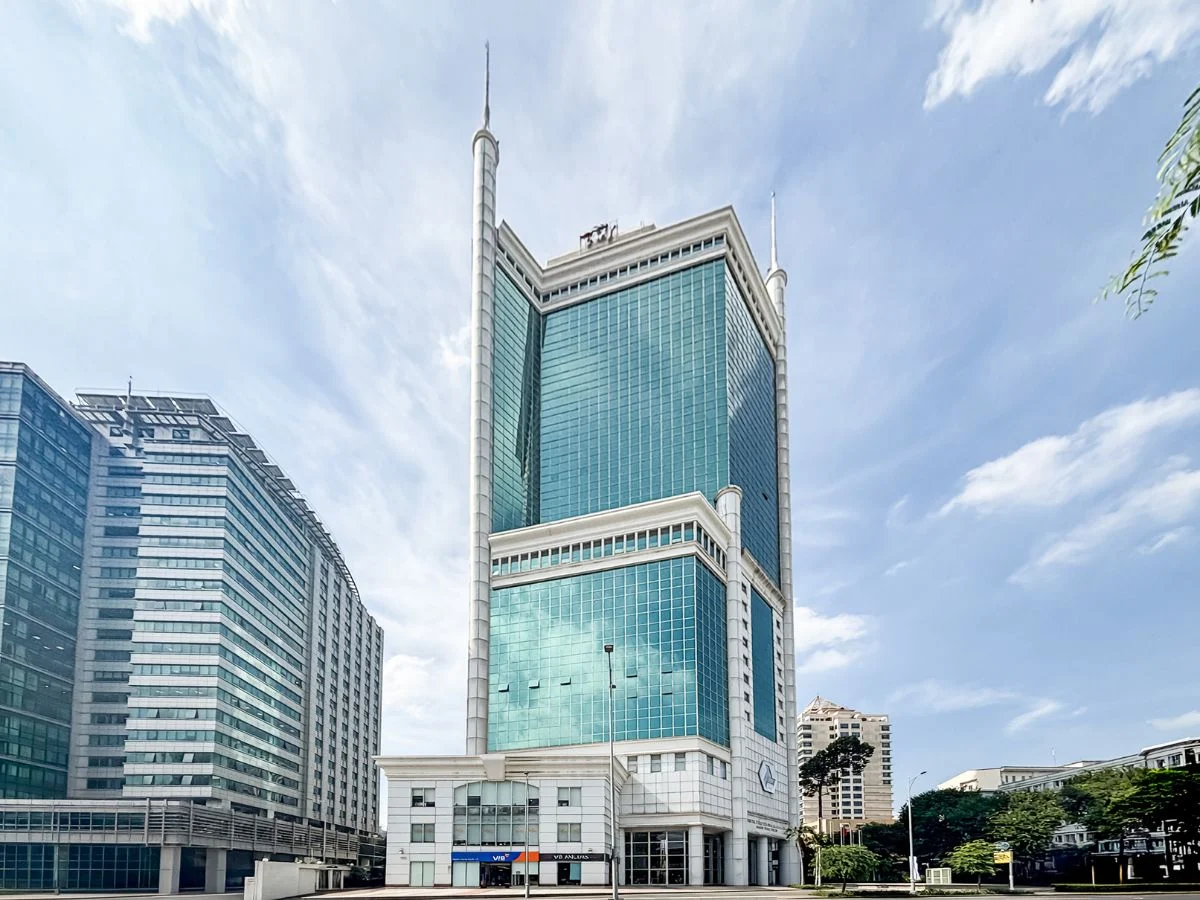
Before you sign a lease for a school or training center in Saigon, you must confirm that the building meets fire safety (PCCC) standards and that you can obtain the necessary education license. These requirements are strictly enforced and can delay your opening if overlooked.
Fire Safety Compliance
All education buildings must have a valid fire safety certificate. Check that the landlord provides one and that it covers the intended use. Essential measures include fire extinguishers on every floor, smoke alarms, clearly marked emergency exits, and an evacuation plan posted in visible areas. Emergency lighting and exit signs should be functional. For larger buildings, a fire alarm system and sprinklers may be required. The local fire police (Cảnh sát PCCC) conduct inspections, and you may need to make upgrades before approval.
Education License and Permits
To operate legally, you need an education license from the Department of Education and Training (DOET). This involves submitting a detailed application, including the curriculum, teacher qualifications, and facility description. Business registration is also required, and if you plan to have a canteen, a food safety certificate is necessary. The process typically takes several months and involves multiple inspections. Engage a local consultant to navigate the paperwork and ensure compliance.
Common mistakes include ignoring fire safety upgrades, which can lead to closure, and underestimating parking needs—insufficient parking can cause traffic issues and complaints. Noise regulations are also important; ensure the building is not in a residential area with strict noise limits. Always verify the landlord's fire safety certificate and confirm that the building's use is approved for education. A thorough due diligence now will save you time and money later.
How to Choose the Right Location for Your School
Location decides who finds you and who stays. Before you rent a building for a school in Saigon, match the address to your target audience: expat families in District 7 or Thao Dien, local professionals near Binh Thanh and Phu Nhuan, or young children whose parents prioritise short, safe commutes. Visit at drop-off and pick-up hours to see real traffic and parking pressure.
Assessing Demand and Competition
Map existing schools and training centers within a few kilometres, then note their fees, curricula and waiting lists. A cluster of competitors can confirm demand, but only if your niche is clearly different. Check accessibility too: proximity to main roads such as Nguyen Van Linh or Dien Bien Phu helps, but the building should sit on a quieter side street with room for cars and motorbikes. Public transport in Saigon is improving but still uneven, so confirm parent pickup patterns.
Safety matters as much as convenience. Prefer low-traffic streets, well-lit surroundings and a short drive to a reputable hospital. Zoning is often overlooked: confirm with the local ward authority that education or training use is permitted on that plot, since not every whole house for rent Saigon lists is eligible. Ask the landlord for written confirmation before signing.
Lease Negotiation Tips
Education tenants usually need long terms to recover fit-out costs. Push for a term of five years or more with a clear renewal option, and agree in writing on renovation allowances, rent-free fit-out periods and rent review caps. Confirm who pays for fire safety upgrades and structural changes. A training center for rent Ho Chi Minh City landlords may accept a lower starting rent in exchange for a longer commitment.
Typical Rental Costs and Lease Terms
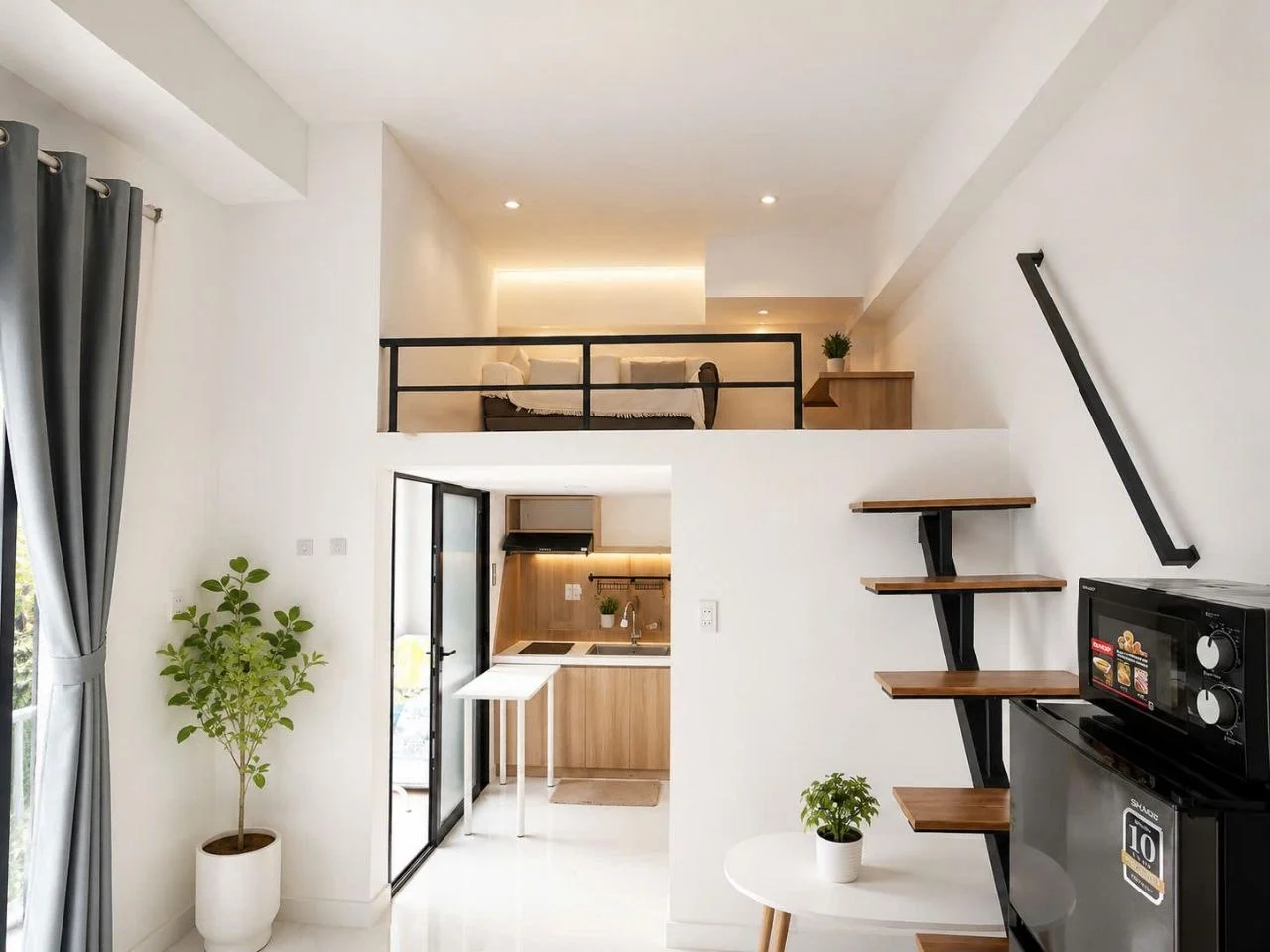
Budgeting for a school or training center goes beyond the headline rent. Landlords in Saigon usually quote monthly rent in USD or VND per square metre, but total occupancy cost includes deposit, management fees, utilities, taxes and fit-out. The figures below are indicative for 2026 and should be verified with current listings and local agents.
Cost Breakdown by District
Rents vary widely by district and property type. As a rule of thumb for a whole house or building suitable for education use:
- District 1: Prime central location with the highest rents, often USD 20–35 per sqm per month for a whole house; suitable for premium training centers but limited space.
- District 7: Family-friendly Phu My Hung area, typically USD 12–22 per sqm; popular for kindergartens and after-school centers.
- Binh Thanh: Emerging education hub near District 1, around USD 10–18 per sqm; good balance of accessibility and cost.
- Phu Nhuan: Central residential district with strong local demand, typically USD 15–25 per sqm; limited supply of large buildings.
These ranges are indicative only; older buildings or warehouse conversions may be cheaper, while newly fitted spaces command a premium. Always confirm what is included in the quoted rent.
Lease Terms and Deposits
Lease durations for education rentals typically run 3–5 years, with an option to renew. A deposit of 2–3 months’ rent is standard, refundable at the end of the term subject to condition. Additional monthly costs may include management fees (common in serviced buildings), electricity and water at landlord or state rates, and VAT if applicable. Confirm who pays property taxes and insurance.
Rent escalation clauses are common, often 5–10% per year or every two years. Negotiate a rent-free fit-out period (1–3 months is typical) and cap annual increases. For a fire safety compliant building for rent, factor in any upgrade costs you may need to cover. Review the contract with a local legal advisor before signing.
Step-by-Step Process to Rent a Building for a School
Renting a building for a school in Saigon runs more smoothly when you treat it as a staged project rather than a single transaction. The steps below reflect what landlords, brokers and licensing consultants typically expect, though each deal differs and should be verified locally.
1. Define your requirements
Start with a written brief: required floor area and usable classrooms, preferred districts, budget including service charges, and facilities such as parking, a playground or a lift. This brief keeps your search focused and gives brokers a clear target.
2. Search listings and shortlist properties
Review listings for whole houses, villas and office floors suited to a training center for rent in Ho Chi Minh City. Shortlist five to eight options that match your brief and confirm each is genuinely available before arranging visits.
3. Schedule viewings and inspect fire safety
Visit at different times of day to check traffic, noise and parking. Inspect exits, extinguishers, alarms and evacuation routes, since a fire safety compliant building for rent saves costly retrofits later.
4. Negotiate lease terms
Discuss rent, deposit, lease duration, fit-out period and rent escalation. Ask for a rent-free fit-out window and a cap on annual increases, and put every verbal promise in writing.
5. Conduct due diligence
Verify the landlord's ownership documents, check zoning allows education use, and review the fire safety certificate. Confirm the building's registered purpose matches your intended use.
6. Sign the lease and register your business
Sign a bilingual lease reviewed by a local lawyer, then register your business and investment details as required for foreign-invested entities.
7. Obtain the education license and fire safety approval
Apply to the Department of Education and Training (DOET) and complete fire safety acceptance. Allow extra time, as processing periods vary.
8. Renovate and set up facilities
Build out classrooms, toilets and safety features, then schedule inspections before opening. Keep a checklist so nothing is missed.
Common Pitfalls to Avoid When Renting for Education
Even experienced operators can stumble when they rent a building for a school in Saigon. Avoid these common mistakes to protect your investment and timeline.
Legal and Zoning Pitfalls
- Underestimating fire safety requirements and costs. Many landlords claim a building is fire safety compliant, but education use often demands upgrades such as extra exits, alarms, and sprinklers. Budget for these early and verify the landlord's fire safety certificate.
- Not checking zoning regulations for education use. Some residential areas or buildings restrict schools or training centers. Confirm with local authorities that education is permitted before signing.
- Not verifying landlord's legal documents. Ensure the landlord has clear ownership, land-use rights, and authority to lease. Missing papers can delay your education license.
Operational Pitfalls
- Ignoring parking and traffic flow for drop-off/pick-up. Saigon's traffic can make a great location impractical if parents cannot safely stop. Visit at peak hours to assess.
- Failing to negotiate renovation allowances. Fit-out costs for classrooms and safety systems add up. Ask for rent-free periods or contributions, especially for long leases.
- Overlooking noise and neighbor complaints. Children and evening classes can disturb neighbors. Check building soundproofing and talk to nearby tenants about potential issues.
Addressing these pitfalls early helps you secure a suitable education property for rent in Vietnam and avoid costly surprises after opening.
Conclusion
Renting a building for a school in Saigon requires careful planning, from choosing the right district and building type to ensuring fire safety and licensing compliance. By understanding typical costs, lease terms, and common pitfalls, you can negotiate a favorable lease and set up your educational facility for success. Remember to engage local experts for legal and fire safety matters, and always verify the landlord's certificates.
Ready to find the perfect space for your school or training center? Browse our listings to explore available education properties in Saigon and start your search today.
Frequently asked questions
What are the fire safety requirements for renting a building for a school in Saigon?
Fire safety requirements for schools in Saigon include having fire extinguishers, smoke detectors, emergency alarms, clearly marked exits, and an evacuation plan. The building must have a fire safety certificate (PCCC) from the local fire department. Landlords should provide this certificate, and tenants must ensure the property meets standards for educational use. Regular inspections and staff training are also necessary.
How do I obtain a license to operate a school or training center in Vietnam?
To obtain a license, you need to register your business, secure a location that meets fire safety and zoning requirements, and submit an application to the Department of Education and Training (DOET). The process includes providing documents such as the lease agreement, fire safety certificate, curriculum, and teacher qualifications. A food safety permit is required if serving meals. Engaging a local consultant can help navigate the process efficiently.
Which districts in Saigon are best for renting a building for a kindergarten?
District 7, Binh Thanh, Phu Nhuan, and District 2 are popular for kindergartens due to their family-friendly environments, international schools, and accessibility. District 7 offers a suburban feel with many expat families, while Binh Thanh and Phu Nhuan are central and well-connected. District 2 has a growing expat community and newer facilities. Consider your target audience and budget when choosing.
What is the typical lease term and deposit for an education property in Saigon?
Lease terms for education properties in Saigon typically range from 3 to 5 years, with a deposit of 2 to 3 months' rent. Landlords may offer rent-free fit-out periods of 1 to 3 months to allow for renovations. It's common to negotiate rent escalation caps, such as a maximum increase of 5-10% per year. Always review the lease carefully and consider engaging a legal advisor.
Can I rent a whole house and convert it into a training center?
Yes, you can rent a whole house and convert it into a training center, provided the property is zoned for educational use and meets fire safety and licensing requirements. You will need to obtain a fire safety certificate, ensure adequate parking, and comply with building codes. Renovation may be necessary, so negotiate a rent-free fit-out period and confirm the landlord allows modifications.