Rent a Building for a Mini Hotel or Serviced Apartments in Saigon

To rent a building for a mini hotel in Saigon, you need to identify your target guest segment, choose a suitable district, and conduct thorough legal and financial due diligence. This guide walks expats and businesses through the key steps, from location selection to licensing and operations, so you can launch a successful mini hotel or serviced apartment business in Ho Chi Minh City.
Why Investors Choose Saigon for Mini Hotels and Serviced Apartments

Ho Chi Minh City keeps drawing a steady mix of expats, business travellers and tourists, and that constant flow of short- and medium-stay guests is what makes a mini hotel or serviced apartment building worth considering. Demand is spread across the year rather than concentrated in one season, which helps operators keep occupancy more stable than in purely leisure-driven markets.
Demand Drivers in Ho Chi Minh City
Several engines sit behind that demand. International schools in Districts 2 and 7 bring families and visiting teachers who need furnished housing for months at a time. Industrial parks and the surrounding manufacturing belt support engineers and project staff on medium-term assignments. The central business district and nearby commercial corridors generate corporate bookings, while the city's tourism and food scene fills shorter stays.
Because these groups want different things, a building in a mixed-use area can serve more than one segment. A serviced apartment operation near a school or office hub often attracts longer, more predictable tenancies than a purely tourist-focused mini hotel.
Rent vs Buy for Hotel Investors
Renting an existing building lowers the entry cost considerably compared with buying land or a finished property, and it lets you test a location before committing capital. You avoid the long process of land-use paperwork and construction, and you can usually open sooner. For foreign investors in particular, a commercial building lease in Ho Chi Minh City is often the more practical route than freehold ownership.
Rental yields can be attractive when a building is well located and professionally run, but they depend heavily on occupancy, room mix and operating discipline. Treat any projection as a scenario to stress-test, not a guarantee.
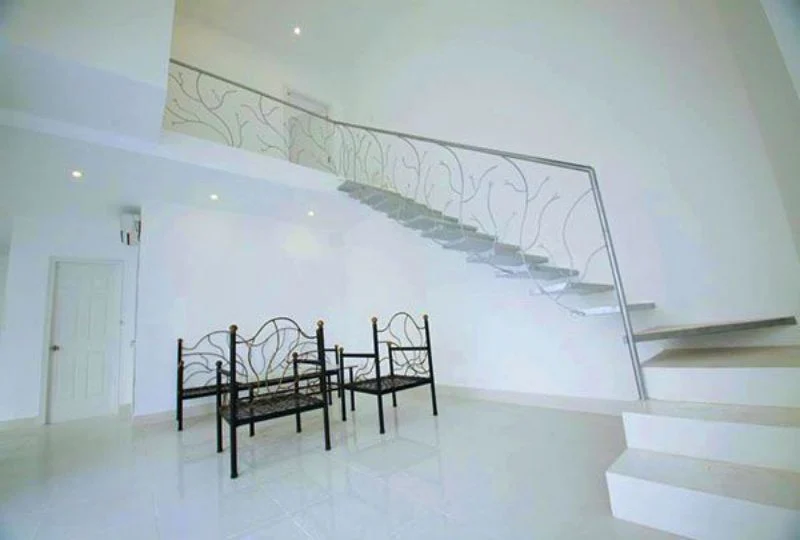
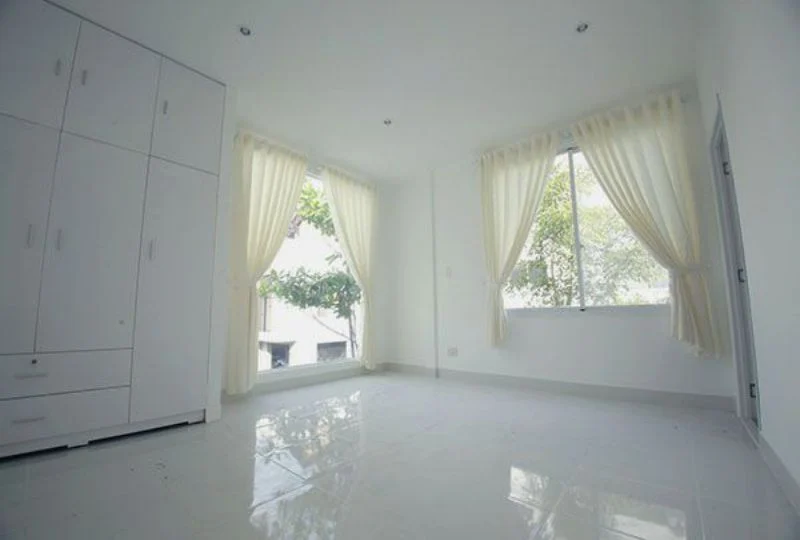
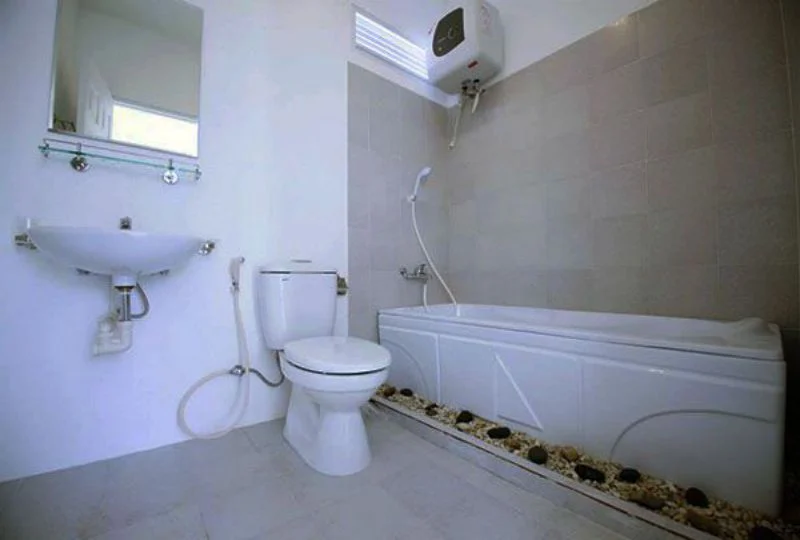
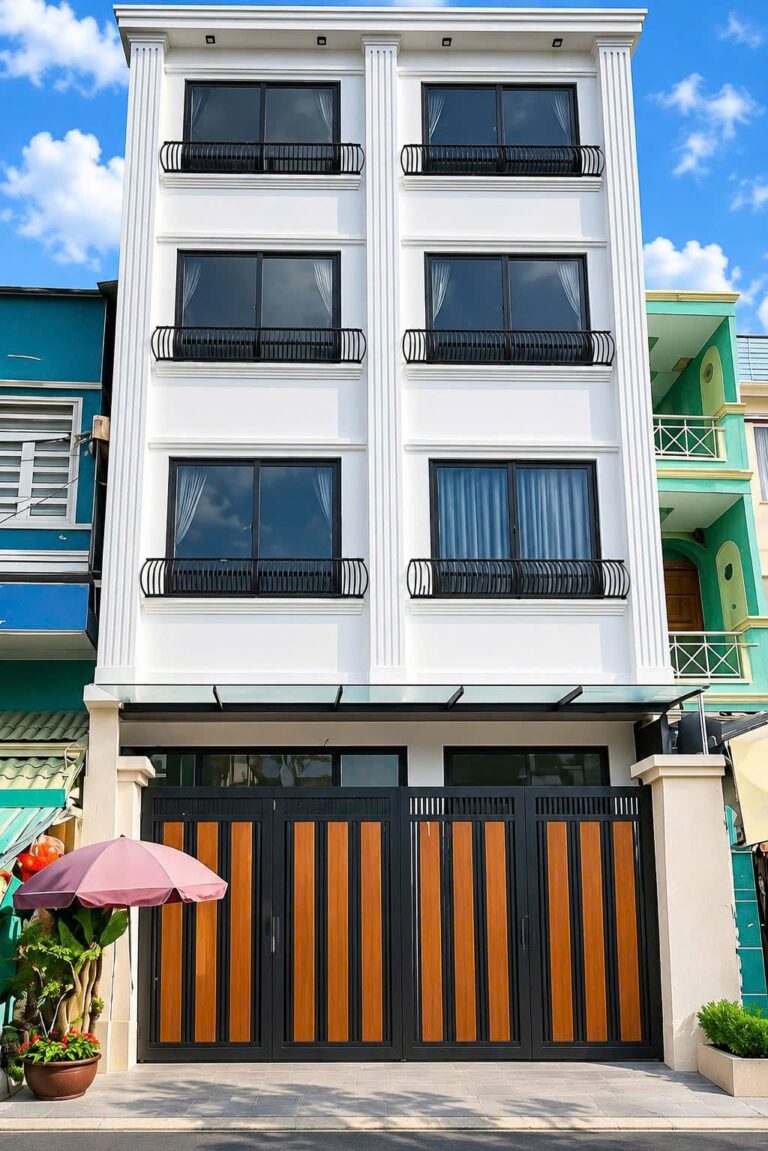
Buildings already fitted with lifts, a basement and a sensible floor plate reduce fit-out time. Here is an example of a whole building that suits a serviced apartment conversion.

Whole Building with Basement & 4 Floors in Thảo Điền, District 2, HCMC
Contact for price
- 900 m²
- Thao Dien, District 2, Ho Chi Minh City
Best Districts to Rent a Building for a Mini Hotel or Serviced Apartments
Choosing the right district is one of the most important decisions when you rent a building for a mini hotel or serviced apartments in Saigon. Each area attracts a different guest profile, and matching your location to your target segment will drive occupancy and rates. Below is a comparison of five popular districts for mini hotel and serviced apartment operations.
District Comparison for Hotel Investors
| District | Pros | Cons | Best For |
|---|---|---|---|
| District 1 | Central location, near tourist attractions, business centers, and nightlife; high demand from leisure and business travelers. | High rents, heavy traffic, limited parking, and strict regulations. | Short-stay tourists and business travelers. |
| District 3 | Close to District 1, quieter, leafy streets, many embassies and offices; good for business guests. | Fewer tourist attractions within walking distance; rents still relatively high. | Business travelers and long-stay professionals. |
| Binh Thanh | Emerging area with lower rents, good access to District 1 and the airport; growing expat community. | Less polished infrastructure; some areas still developing. | Budget-conscious long-stay guests and expats. |
| District 7 | Modern, family-friendly, many international schools and amenities; close to Phu My Hung. | Far from tourist attractions; relies on car or taxi; higher utility costs in some buildings. | Families and long-stay expatriates. |
| District 2 (Thao Dien) | Large expat community, international schools, restaurants, and a relaxed vibe; popular with families. | Traffic congestion into District 1; limited public transport; higher rents for quality properties. | Long-stay expats and families. |
When matching location to guest segment, consider proximity to key demand drivers. District 1 and District 3 are ideal for business travelers who need to be near corporate offices and the central business district. For leisure guests, District 1 offers the most attractions, while District 3 provides a quieter base within easy reach. Long-stay guests, such as expatriates and families, often prefer District 2 (Thao Dien), District 7, or Binh Thanh for their community feel, international schools, and more residential atmosphere.
Access to Tan Son Nhat International Airport is another factor: Binh Thanh and District 3 are generally closer, which can be appealing for frequent flyers. For a serviced apartment building for rent, Thao Dien and District 7 are particularly popular among expats, while Binh Thanh offers a more affordable alternative with growing appeal. As an example of a property in a sought-after expat area, consider this villa in Thao Dien:

Fully Furnished 5-Bedroom Villa with Pool & Garden on Nguyen Van Huong, Thao Dien, District 2, HCMC
Contact for price
- 2 BR
- 2 BA
- Thao Dien 1 compound, Thao Dien, District 2, Ho Chi Minh City
Ultimately, the right district depends on your target guest profile and investment goals. Conduct site visits at different times of day to assess traffic, noise, and foot traffic, and check local regulations for your chosen area before committing to a lease.
What to Look for in a Building for Rent

When you rent a building for a mini hotel, the physical attributes and legal permissions matter as much as the location. A building that looks perfect on paper can become a costly mistake if it lacks the right zoning or needs major upgrades. Use the checklist below to evaluate any building for rent in Saigon.
Physical and Technical Checklist
Start with the basics: room count, floor area, and layout. A typical mini hotel in Ho Chi Minh City has 10–30 rooms, but the ideal number depends on your target segment. Ensure the layout allows for efficient housekeeping and guest flow, with a clear separation between reception, guest rooms, and service areas.
- Elevator: Essential for buildings with more than four floors; check capacity and maintenance records.
- Parking: Secure motorbike parking is a must for local guests; car parking is a bonus in central districts.
- Fire safety: Look for smoke detectors, fire extinguishers, emergency exits, and a valid fire safety certificate. This is non-negotiable for licensing.
- Utilities: Confirm water pressure (especially on upper floors), electrical capacity, and internet infrastructure. Reliable high-speed internet is critical for serviced apartment operation.
- Accessibility: Guests should have easy access to main roads, public transport, and nearby amenities. A narrow alley may deter some guests.
Zoning and Licensing Considerations
Not every building is legally permitted for hotel or serviced apartment use. Check the land use rights and zoning plan to ensure short-term accommodation is allowed. In some residential areas, licensing for a mini hotel may be restricted, so verify with the local People's Committee. For a serviced apartment building for rent, confirm that the building can be registered for business purposes. Engaging a local legal advisor is wise to navigate these regulations.
Assess the building's condition and renovation needs. Older buildings may require upgrades to meet fire safety and accessibility standards. Get estimates for fit-out costs, including furniture, fixtures, and technology. A realistic budget should account for contingencies, as renovation costs can vary widely. Remember that a well-maintained building with existing systems will save you time and money in the long run.
Legal and Due Diligence Checks Before Signing a Lease
Before you commit capital to rent a building for a mini hotel, confirm that the property can legally host your intended use. Vietnamese paperwork can be layered, so verify originals rather than photocopies, and ask for certified translations where needed.
Essential Documents to Verify
- Land use rights certificate (Giấy chứng nhận quyền sử dụng đất): confirms the registered owner and the permitted land and building use. Check that the name matches the landlord.
- Construction permit and completion records: show the building was built and any extensions were approved. Unpermitted floors are common and can complicate licensing.
- Fire safety approval: fire prevention and fighting acceptance is critical for accommodation. Confirm it covers the current layout and room count.
- Business registration: the landlord's enterprise registration certificate should match the lessor entity and its legal representative.
If the landlord is not the registered owner, ask for a notarised power of attorney or sublease authorisation. Without clear authority to lease, your contract may be difficult to enforce.
Key Lease Terms for Hotel Investors
A commercial building lease Ho Chi Minh City style should spell out rent, escalation, deposit, term, renewal options and exit clauses. Clarify who pays for repairs, taxes and utility upgrades, and what happens if licensing is delayed. Include a termination mechanism and deposit refund terms.
Engage a local property lawyer to review the lease and run a title and dispute search. Ask whether the property has outstanding debts, mortgages or litigation, as these can affect your operation. For mini hotel investment Vietnam, this diligence is typical but essential; rules and fees should always be checked with your lawyer.
Tip: keep a signed checklist of every document received and note expiry dates for fire safety and business registrations.
Typical Costs and Financial Planning for a Mini Hotel Lease

Cost Breakdown and Budgeting Tips
When you rent a building for a mini hotel in Saigon, your budget must cover both one-off and ongoing costs. Rent is usually quoted in VND per square metre per month or as a fixed monthly sum, and it varies widely by district and building quality. Deposits are commonly three to six months' rent, so plan for a significant upfront cash outlay.
Fit-out and furniture are the next big items. A basic renovation for a mini hotel or serviced apartment building for rent can include partitions, bathrooms, electrical work, and air conditioning. Furniture packages range from budget to premium, depending on your target guests. Licensing fees, staff salaries, and marketing also add to the total. Use the checklist below to structure your budget.
| Cost Item | Typical Timing | Notes |
|---|---|---|
| Rent | Monthly | Varies by district and building quality |
| Deposit | Upfront | Often 3–6 months' rent; confirm refund terms |
| Fit-out | One-off | Renovation, electrical, plumbing, fire safety |
| Furniture & Equipment | One-off | Beds, linens, appliances, Wi-Fi |
| Licensing | One-off / Annual | Business registration, fire safety, other permits |
| Staff | Monthly | Reception, housekeeping, maintenance |
| Marketing | Monthly | Online listings, OTA commissions, signage |
To calculate break-even, estimate your average room rate and occupancy rate. Multiply the number of rooms by the average rate by 30 days by the occupancy rate to get monthly revenue. Subtract all monthly costs (rent, staff, utilities, marketing, and a maintenance reserve). The result is your monthly profit or loss. Break-even occupancy is the level at which revenue equals costs.
Costs vary by district and building quality, so always add a contingency of at least 10–15% for unexpected repairs or delays. For a realistic mini hotel investment Vietnam projection, research local market rates and consult a local advisor before signing the lease.
Setting Up and Operating Your Serviced Apartments
Once the lease is signed, a clear launch plan separates a smooth opening from a costly false start. The steps below are typical for a serviced apartment building for rent in Saigon, but timelines and requirements should be confirmed with local advisers.
Step-by-Step Setup Guide
- Licensing: Confirm the building's registration and secure the necessary business and accommodation licences. Requirements vary by district and property type, so verify with a local legal adviser.
- Renovation: Complete structural, electrical, plumbing and fire-safety works before furnishing. Build in a buffer for permits and inspections.
- Furnishing: Equip each unit for its target guest—kitchenette, workspace, reliable Wi-Fi and blackout curtains are common expectations.
- Hiring: Recruit a small core team: a manager, housekeepers and a maintenance contact. Cross-train staff for peak periods.
- Marketing: List on major booking platforms, build a simple website and set up a Google Business profile. Local partnerships with relocation agents and nearby businesses help fill longer stays.
- Guest management: Set up a booking system, check-in process and a clear house-rules policy before the first guest arrives.
Operational Best Practices
Mini hotels and serviced apartments differ in operations. Mini hotels typically see short stays, daily housekeeping and higher pricing per night, while serviced apartments attract longer stays with weekly cleaning, utilities included and discounted monthly rates. Your staffing and pricing should reflect the segment you target.
Online presence is critical: keep listings updated, respond quickly to inquiries and encourage reviews. For staffing, schedule housekeeping around check-outs and arrivals, and keep a maintenance log to catch issues early. Small touches—welcome information, reliable Wi-Fi and fast problem resolution—drive repeat bookings and referrals, which matter in the competitive Saigon market.
Common Mistakes to Avoid When Renting a Building for a Mini Hotel
Most problems in a mini hotel lease trace back to shortcuts taken before signing. The following pitfalls are frequent among first-time operators, and each is avoidable with modest preparation.
Skipping Legal Checks
Rushing past ownership documents, land-use rights, or the landlord's authority to sublease is the costliest error. Always verify the certificate of ownership, confirm the signatory's authority, and check that the property is eligible for lodging or serviced apartment use. A local lawyer's review is inexpensive relative to the risk.
Underestimating Renovation Costs
Buyers often budget from the landlord's asking figure and ignore fit-out. Get itemised quotes for plumbing, wiring, bathrooms, air conditioning, and fire systems before committing. Add a contingency of roughly 10 to 20 percent, since older Saigon buildings frequently hide surprises behind walls.
Choosing a Poor Location
A cheap building on a hard-to-find alley rarely fills rooms. Match the location to your guest segment, visit at different times of day, and check noise, flooding history, and access for taxis or luggage.
Ignoring Fire Safety
Fire compliance is not optional. Confirm escape routes, equipment, and the building's ability to meet current requirements, and seek professional advice where the structure is older.
Unclear Lease Terms
Vague clauses on rent escalation, deposit return, repairs, subletting, and early termination cause disputes. Negotiate written terms covering each point, and plan thoroughly before you rent a building for a mini hotel, using professional advice to review the contract.
Ready to Start Your Mini Hotel or Serviced Apartment Business in Saigon?
Renting a building for a mini hotel or serviced apartments in Saigon offers attractive returns, but success depends on careful planning. Focus on the right location for your guest segment, conduct thorough legal checks, budget realistically for renovation and operations, and avoid common pitfalls. With the right approach, you can build a profitable hospitality business in one of Asia's most dynamic cities.
Browse our listings of buildings for rent in Ho Chi Minh City to find the perfect property for your mini hotel or serviced apartment project.
Frequently asked questions
What is the typical lease term for a building for a mini hotel in Saigon?
Lease terms for mini hotel buildings in Saigon typically range from 5 to 10 years, with options to renew. Longer terms provide stability for your investment, while shorter terms offer flexibility. Negotiate rent escalations and renewal clauses upfront. Ensure the lease allows for subleasing if you plan to operate serviced apartments.
How much does it cost to rent a building for a mini hotel in Ho Chi Minh City?
Rent varies by district, building size, and quality. In central areas like District 1, expect higher rents, while emerging districts offer more affordable options. Costs are usually quoted per square meter per month. Contact local real estate agencies for current market rates and to understand additional costs like deposits and management fees.
Do I need a special license to operate a mini hotel or serviced apartments in Vietnam?
Yes, you need specific licenses, including a business registration certificate and a certificate for eligible business in tourism (for mini hotels). Serviced apartments may require a different license. Fire safety approval is mandatory. Work with a local legal consultant to navigate the process and ensure compliance with all regulations.
Can foreigners rent a building to run a mini hotel in Vietnam?
Foreigners can rent buildings and operate mini hotels in Vietnam, but they must comply with investment and business regulations. Typically, this involves establishing a company with foreign investment capital and obtaining the necessary licenses. Consulting a local lawyer is essential to understand ownership restrictions and legal requirements.
What are the key factors to consider when choosing a location for a mini hotel?
Consider proximity to tourist attractions, business districts, and transportation hubs. Assess the target guest segment: leisure travelers prefer central areas, while business travelers may favor districts with offices and amenities. Also evaluate competition, accessibility, and local regulations. A location that matches your guest profile is crucial for success.