Building Consignment for Rent: What Landlords Need to Prepare

To prepare your building consignment for rent, you need to gather legal documents, set a competitive rent, and ensure the property is ready for viewings. This guide walks landlords through each step, from paperwork to handover, so you can lease your whole building efficiently and confidently.
What Building Consignment for Rent Means for Landlords

Building consignment for rent means entrusting an entire property to a leasing agent or platform that markets it, arranges viewings and finds a suitable tenant on your behalf. Instead of handling enquiries yourself, you sign a consignment arrangement and let the agent act as your representative in the market. The owner keeps decision-making power over price and tenant approval; the agent handles the legwork.
Consignment vs. Traditional Listing
A traditional listing is largely passive: your building appears on a portal and you field calls, schedule viewings and screen prospects yourself. Under consignment, the agent takes responsibility for marketing, coordinating viewings and screening tenants before anything reaches you. That shift matters for a whole building for rent, where a single wrong tenant can mean months of lost income.
Why Landlords Choose Consignment
Consignment widens your reach beyond your own network, presents the property professionally and usually shortens the time to lease. Fewer empty months directly protect your yield, especially for larger assets with high monthly outgoings. Professional presentation also attracts corporate and expat tenants who compare several options before deciding.
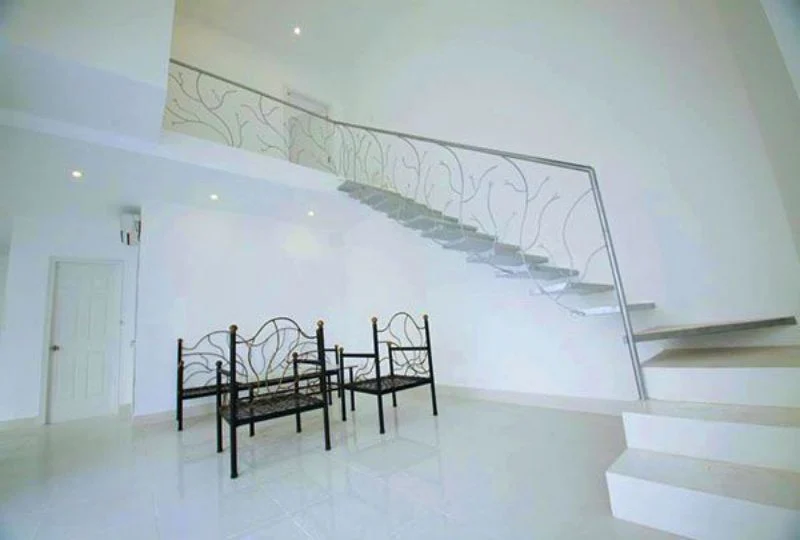
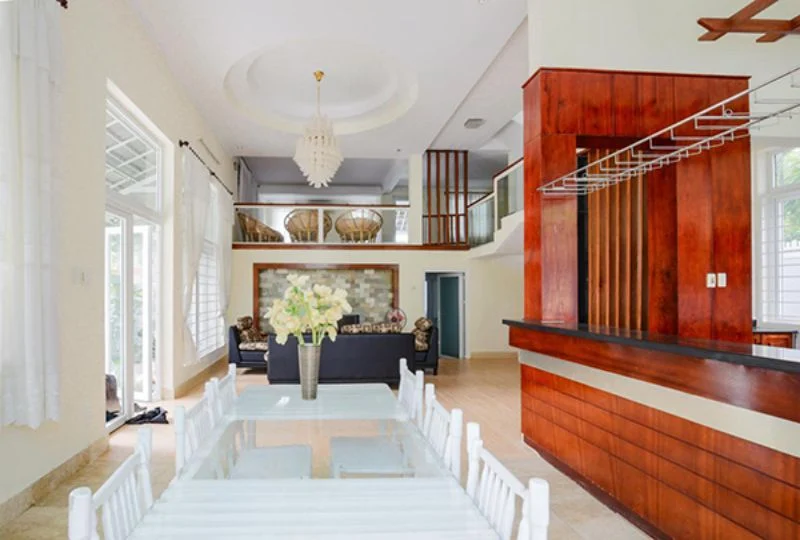
Consignment suits whole buildings, commercial buildings and multi-unit residential buildings alike, from shophouses to office towers. A well-presented example of the type of asset that benefits from professional marketing is this whole building in Thao Dien:

Whole Building with Basement & 4 Floors in Thảo Điền, District 2, HCMC
Contact for price
- 900 m²
- Thao Dien, District 2, Ho Chi Minh City
Set expectations early: consignment is a partnership, not a handover of responsibility. Landlords still need to prepare the building, assemble paperwork and respond promptly to offers. The clearer your preparation before signing, the faster the agent can lease the property.
Think of the arrangement as a rental property handover of information as much as space. The agent needs floor plans, title documents, utility details and your approval process in writing. With that groundwork done, building leasing in Vietnam becomes a managed process rather than a series of surprises.
Legal and Administrative Documents to Prepare
Before you market a whole building for rent in Vietnam, assemble a complete document pack. Tenants, agents and notaries will all ask for the same core papers, and missing items can stall a deal or raise doubts about your ownership.
Ownership and Permits
Start with the ownership certificate (red book or pink book, sổ hồng) and the land use rights that go with it. Confirm the certificate names match the people signing the lease, and check that the building's use matches what you intend to lease.
- Ownership certificate and land use rights documents
- Construction permit and, where relevant, the completion or acceptance records
- Business registration certificate if the building is held by a company
- Fire safety certification and building compliance papers for commercial use
Clear ownership matters. Resolve any co-ownership issues in writing before viewings, and get signed consent from every co-owner named on the certificate. Disputes or unclear title are common reasons tenants walk away.
Lease Agreement and Tax
Prepare a lease agreement template that covers term, deposit, rent review, fit-out rules, utilities and exit conditions. In Vietnam, leases are typically notarised or authenticated, especially for longer terms, so confirm the current requirement with your lawyer or the local authority.
Register for tax on rental income and keep receipts and invoices organised. Landlords often overlook this step, but corporate tenants usually ask for proper documentation.
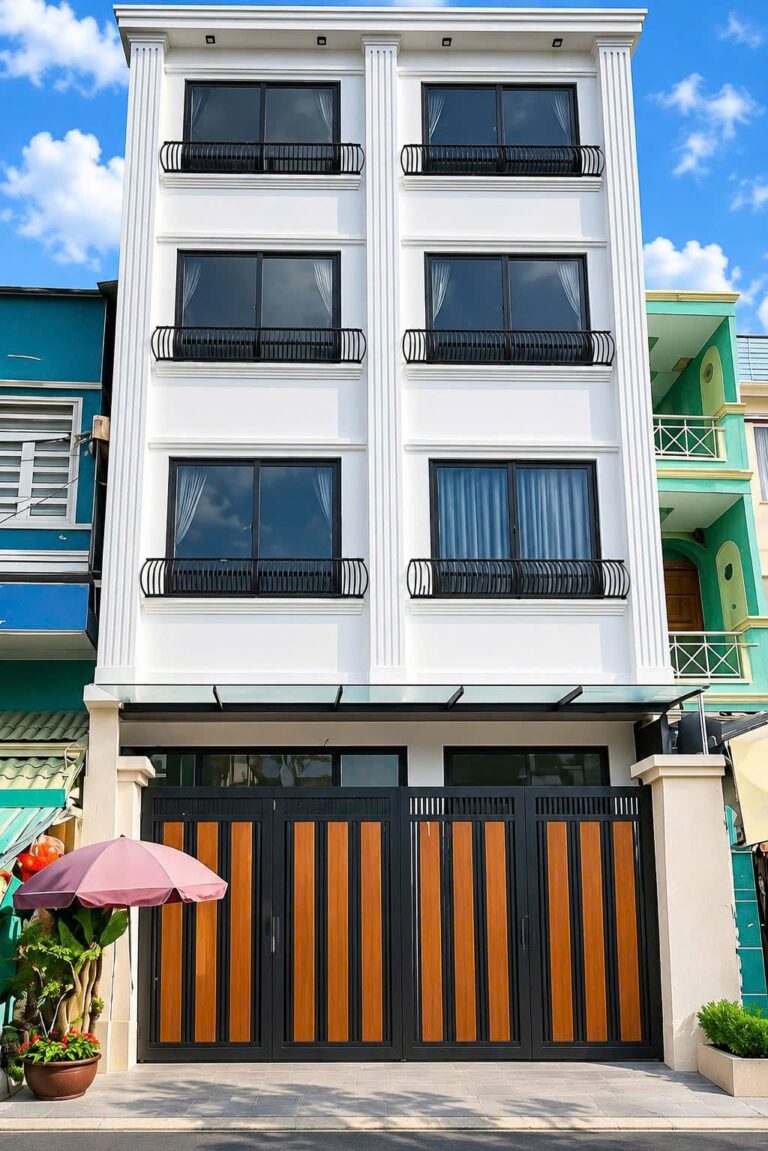
A well-prepared pack helps you present a commercial building for rent with confidence. For example, this whole building in District 3 shows the kind of professional space tenants expect when documents are in order.

10 m Frontage Building with Elevator on Võ Văn Tần, Bàn Cờ, District 3, HCMC
300 million VND / month (negotiable)
- Ban Co, District 3, Ho Chi Minh City
Keep both digital and physical copies of every document in one folder, labelled and easy to share. A quick PDF pack you can send to agents or tenants saves days during the rental property handover and screening process.
Setting the Right Rent and Terms for a Whole Building

Pricing a whole building is less about a single number and more about matching the rent and terms to what the market will actually pay. Landlords who research comparables and stay flexible on terms usually lease faster than those who anchor on an aspirational figure.
Market Research and Comparables
Start by gathering rents for similar buildings in the same district — for example, comparable office or shophouse buildings in District 1, District 3, Binh Thanh or District 7. Ask agents, review listings and speak to neighbouring landlords to understand asking rents versus achieved rents.
Price is shaped by location and street access, total floor area and floor plate efficiency, building condition and age, amenities such as parking, lifts and backup power, and the length of the lease. A building with generous parking or a strong facade can command more than a dated building nearby. Adjust your benchmark for these factors rather than applying a flat rate per square metre.
Lease Terms That Attract Tenants
Consider a competitive introductory rate, a tiered rent that steps up over the term, or a rent-free fit-out period to offset tenant improvement costs. These tools can close a deal without permanently lowering your headline rent.
Common terms in building leasing Vietnam include a deposit of typically two to three months, monthly or quarterly payment cycles, renewal options, and escalation clauses that adjust rent periodically. State these clearly and confirm current market norms with your agent, as practice varies.
Avoid overpricing or rigid terms — long voids cost more than a modest discount. Review your terms every few weeks and adjust based on viewing feedback.
Preparing the Building for Viewings and Handover
A well-prepared building makes a stronger first impression and shortens the time to lease. Use this landlord preparation checklist to get the property ready for viewings and a smooth rental property handover, whether you are marketing a whole building for rent in District 2 or a commercial building for rent in the city centre.
Repairs and Staging
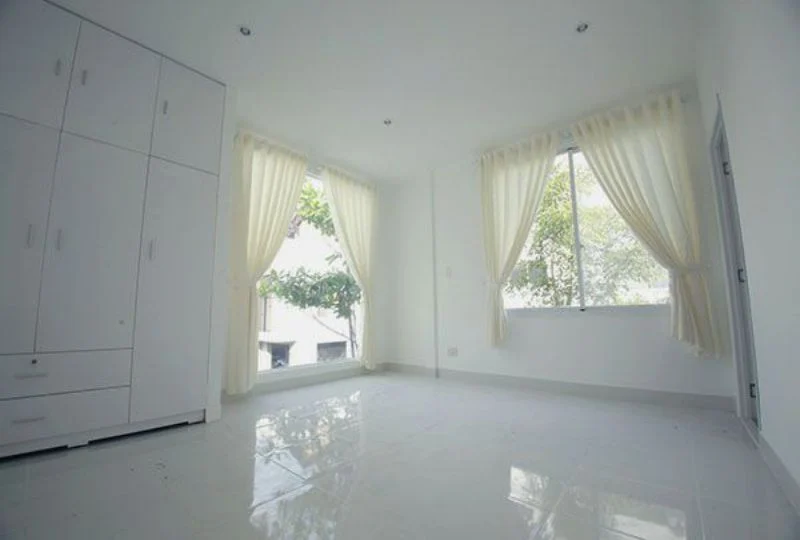
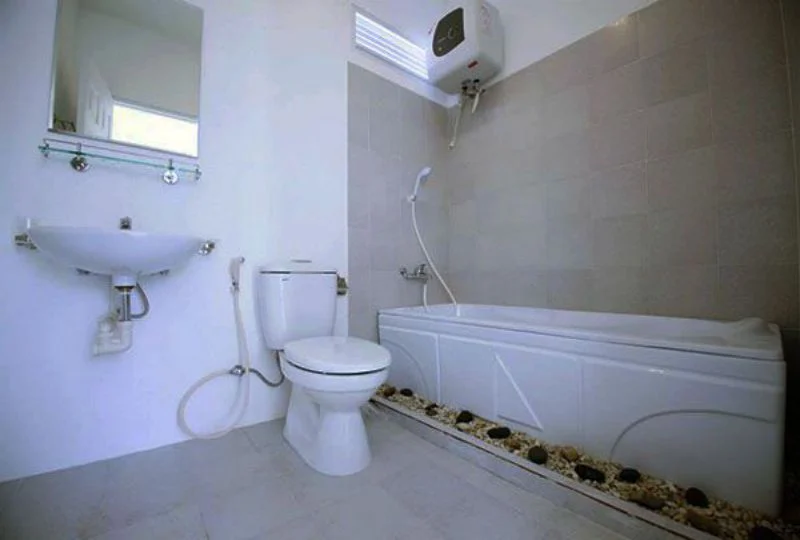
Start with a deep clean of all floors, windows, common areas and car parks. Fix visible defects such as leaking taps, cracked tiles, damaged ceilings and faulty door locks. Check that all lights work and replace burnt-out bulbs; good lighting makes spaces feel larger and more professional. Add clear signage at the entrance and on each floor, and tidy the curb appeal with swept walkways, trimmed plants and a visible address plate.
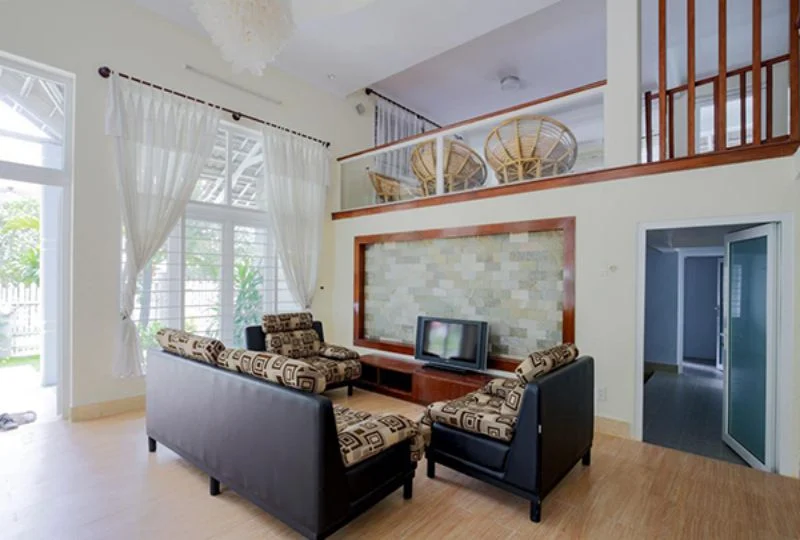
For staging, keep decor neutral and remove personal items or leftover furniture from previous tenants. If the building is offered furnished, arrange furniture to show logical room functions and create a welcoming but not cluttered look. Professional photos and a simple floor plan help remote tenants and businesses shortlist the property before an in-person visit.
Safety and Utilities
Safety is a key concern for tenants. Have a qualified electrician check wiring, distribution boards and earthing, and a plumber test water pressure and drainage. Install fire extinguishers on each floor, ensure exit signs are lit and clear, and confirm that escape routes are unobstructed. These checks also support compliance with fire safety regulations, which should be verified with local authorities.
For utilities, confirm that electricity and water meters are separate for each unit or clearly sub-metered, and that internet and telecom providers can service the building. Service air-conditioning units before viewings and keep maintenance records. Finally, prepare a building information pack with floor plans, utility details, service charges, rules and a summary of recent repairs. This pack helps prospective tenants compare options and supports a transparent handover.
Marketing and Screening Tenants for Faster Leasing

A whole building for rent competes for a small pool of serious occupiers, so how you present and vet enquiries often decides how quickly the space is leased. Treat marketing and screening as one process: attract the right tenants, then confirm they can perform on the lease.
Listing Presentation
Start with a listing that answers questions before they are asked. Invest in bright, wide-angle photos taken in daylight, a simple floor plan with dimensions for each level, and a clear description covering usable area, ceiling height, parking, power capacity and access. State the district, nearby landmarks and typical lease terms so the right tenants self-select.
Your agent should market the building across property portals, broker networks and their own client base, and translate the listing for foreign tenants where useful. Ask which platforms and networks they will use, and request a short virtual tour or walkthrough video for remote tenants who cannot visit first. This is especially valuable for a commercial building for rent where decision-makers are often based overseas.
Tenant Vetting
Screen enquiries before arranging viewings. For companies, verify business registration, check the intended use fits the building and any permitted purpose, and ask for references from previous landlords or business partners. For individuals or smaller operators, confirm ID, income or business evidence and a credible deposit source. A simple landlord preparation checklist helps: application form, ID or registration copies, references and a record of the outcome.
Respond to genuine inquiries within hours, not days, and batch viewings into set time slots to save effort. Keep notes on each prospect so follow-up is consistent and professional.
Handover Process and Ongoing Management
A smooth handover sets the tone for the entire lease. For a whole building for rent, the process should be documented and joint, so both sides start with the same understanding of the property's condition and obligations.
Handover Checklist
Prepare a detailed inventory of fixtures, equipment and furnishings, noting quantities and condition. Record meter readings for electricity, water and gas on the day of handover, and photograph the meters. Assemble all keys, access cards and remote controls, and list them in a key register. Complete a condition report room by room, supported by dated photos or video.
Conduct a joint inspection with the tenant and walk through the building together. Use the inspection to agree on any pre-existing damage or items needing repair. Then sign handover minutes that reference the inventory, meter readings and condition report. Provide copies to the tenant and keep a signed set for your records. This simple step prevents most deposit disputes later.
Management Options
Landlords can self-manage or appoint a property manager. Self-management gives control but requires availability for repairs, tenant queries and compliance tasks. A professional manager handles day-to-day operations, maintenance coordination and tenant communication, which is often preferable for expat landlords or those with multiple properties. Clarify fees and responsibilities in a written management agreement.
During the lease, the landlord is typically responsible for structural maintenance, major repairs and compliance with safety and fire regulations. Respond promptly to repair requests and keep records of works done. For renewals, maintain a professional and responsive relationship: check in periodically, address issues early and be fair on rent reviews. A well-managed building consignment for rent is more likely to retain good tenants and avoid costly vacancy periods.
Key Takeaways for a Successful Building Consignment
Preparing your building for rent involves legal compliance, strategic pricing, and thorough handover. By following the steps outlined—organizing documents, benchmarking rent, and marketing effectively—you can attract reliable tenants and minimize vacancy. Remember that ongoing management and a good landlord-tenant relationship are crucial for renewals.
Ready to list your building? Browse our listings to see what tenants are looking for, or consign your property with us today.
Frequently asked questions
What documents do I need to consign my building for rent in Vietnam?
You need ownership certificates (or land use rights), business registration if applicable, fire safety approval, and construction permits. If co-owned, obtain consent from all owners. Prepare a notarized lease template and register for tax. Keep digital and physical copies organized for quick sharing with agents and tenants.
How long does it usually take to lease a whole building?
Leasing timelines vary by location, building condition, and market demand. In prime districts, it might take a few weeks to a couple of months, while less desirable areas could take longer. Proper pricing, marketing, and preparation significantly speed up the process. Be realistic and patient, and consider agent feedback to adjust your strategy.
Should I furnish the building before renting it out?
Furnishing is optional and depends on your target tenants. Many businesses prefer to fit out spaces themselves, so a unfurnished or shell condition may be acceptable. However, providing basic infrastructure like air conditioning, lighting, and a clean finish can attract tenants faster. Discuss with your agent to decide what adds value without overcapitalizing.
What is the typical deposit for a building lease?
Deposits commonly range from two to three months' rent, but this is negotiable based on lease term and tenant profile. A higher deposit may secure a longer commitment, while a lower deposit can attract tenants but increases risk. Always specify deposit terms clearly in the lease agreement and comply with local regulations.
Can I consign my building with multiple agents?
Yes, you can list with multiple agents, but ensure agreements are non-exclusive to avoid conflicts. Clearly communicate with each agent about your expectations and commission structure. Multiple agents can increase exposure, but manage inquiries centrally to avoid confusion. Always disclose if the property is listed elsewhere to maintain transparency.