
Warehouse Rent by Pallet or m²: Cost Guide 2026
Warehouse rent by pallet is a flexible storage arrangement where you pay for individual pallet positions in a shared warehouse, rather than leasing a fixed floor area. This guide explains how pallet-based and per-m² warehouse rentals work in Vietnam, compares their costs and trade-offs, and helps you choose the right option for your business in 2026.
Understanding Warehouse Rent by Pallet vs Per m²

Anyone comparing warehouse leasing Vietnam options will quickly meet two pricing models: warehouse rent by pallet and rent per square metre. They look similar on a quote sheet but behave very differently once your stock levels move, so it helps to understand what you are actually paying for before you shortlist a property.
What is pallet storage?
With pallet storage you pay for storage capacity based on the number of pallet positions you occupy, usually inside a shared or multi-client warehouse run by a third-party operator. You are buying space plus, in many cases, handling, racking and access to the operator's systems rather than an empty building.
This makes pallet storage pricing easy to scale: add positions in peak season, reduce them when stock clears. It is a common route into flexible warehouse space for small business importers and e-commerce sellers who cannot yet justify a full unit.
What is per-m² warehouse rental?
Per-m² rental means leasing a fixed floor area, typically a dedicated warehouse or unit where you control layout, racking, staffing and operating hours. The warehouse rental cost per m2 is quoted on the usable area, and you commit to that footprint for the lease term whether it is full or half empty.
In Vietnam both models are widely available. Per-m² leasing remains standard for dedicated units in industrial zones and city districts, while pallet-based shared storage is growing quickly among e-commerce sellers and small importers who need flexibility more than floor space. The model you choose shapes your cost structure, your ability to scale and how much operational control you keep.
How Warehouse Rental Costs Are Calculated
Understanding how quotes are built helps you compare warehouse rental options on equal terms. Pallet storage and per-m² leasing use different pricing logic, so the headline number rarely tells the full story.
Cost components of pallet storage
A warehouse rent by pallet quote usually combines a monthly rate per pallet position with transaction fees. The per-pallet rate covers the space your goods occupy on a rack or block-stacked floor area, while handling fees are charged each time goods move.
- Monthly rate per pallet position: storage only, often tiered by rack level or season.
- Inbound handling: unloading, checking and put-away, charged per pallet or per CBM.
- Outbound handling: picking, staging and loading, sometimes with a per-order minimum.
- Minimum volume commitments: many operators set a floor number of pallets or a minimum monthly spend.
- Optional extras: labelling, repacking, stock counts and long-term storage surcharges.
Because racking, forklifts and staff are provided by the operator, pallet storage pricing is largely all-in. That makes budgeting simpler, but you should confirm exactly which handling tasks are included.
Cost components of per-m² rental
Per-m² leases are priced on floor area, with running costs billed separately. The warehouse rental cost per m2 depends on location, ceiling height, floor load and truck access, and is typically quoted in VND per m² per month.
- Base rent: the monthly rate multiplied by usable area.
- Service charges: management, security, common-area upkeep and waste collection.
- Utilities: electricity and water, metered or estimated, often billed at industrial rates.
- Deposit: commonly a few months' rent, refundable subject to contract terms.
- Fit-out: racking, shelving, pallet jacks or forklifts are usually your investment.
For example, a ready-built unit in an industrial park or a converted warehouse in District 12, Tan Phu or Thu Duc may include fire protection and container access, but racking is normally added by the tenant.
This listing shows how a per-m² warehouse is presented, including the negotiable rate and access details you should check against your own handling needs.

650 m² Factory with Container Truck Access on Phan Huy Ích, Gò Vấp, HCMC
110.000 VND / m²/month (negotiable)
- 650 m²
- Go Vap, Ho Chi Minh City
| Cost element | Pallet storage | Per-m² rental |
|---|---|---|
| Core charge | Rate per pallet position per month | Rent per m² per month |
| Handling | Inbound and outbound fees per pallet | Usually your own labour and equipment |
| Equipment and racking | Provided by operator | Tenant investment |
| Service charges | Typically bundled | Billed separately |
| Utilities | Typically bundled | Metered or apportioned |
| Commitment | Minimum pallets or monthly spend | Fixed lease term and deposit |
Always request a written breakdown of inclusions and exclusions before signing, and confirm whether VAT applies to each line.
Pros and Cons of Pallet Storage for Small Businesses
For small businesses entering Vietnam, warehouse rent by pallet can be an attractive alternative to leasing a full warehouse. You pay only for the pallet positions you use, often with handling included, which reduces upfront costs and commitment. However, it comes with trade-offs in cost efficiency at scale and control over the space.
Advantages of pallet storage
The main advantage is flexibility: you can scale up or down as demand changes, without being locked into a long-term lease. Many shared warehouses include inbound, outbound and storage handling, so you don’t need to hire staff or buy equipment. This makes pallet storage ideal for low inventory, seasonal fluctuations or testing the Vietnamese market before committing to a larger space.
E-commerce startups and small importers often use pallet storage to keep inventory close to customers without the overhead of a dedicated facility. For example, a business testing demand in Ho Chi Minh City might store a few pallets in a shared warehouse in Tan Binh or District 12, then expand if sales grow.
Disadvantages to consider
Per-pallet rates are typically higher per unit than renting by m², so costs can add up quickly if you need many pallets. You also have less control over the space—you can’t customize racking or layout, and access hours may be limited. Some providers restrict the types of goods or require minimum volumes, which may not suit every business.
If you need a dedicated area with specific features, such as high ceilings or heavy-duty flooring, per-m² rental may be more suitable. For instance, a warehouse with 7–9m ceiling and fire protection in District 5 could be a better fit for bulky goods.
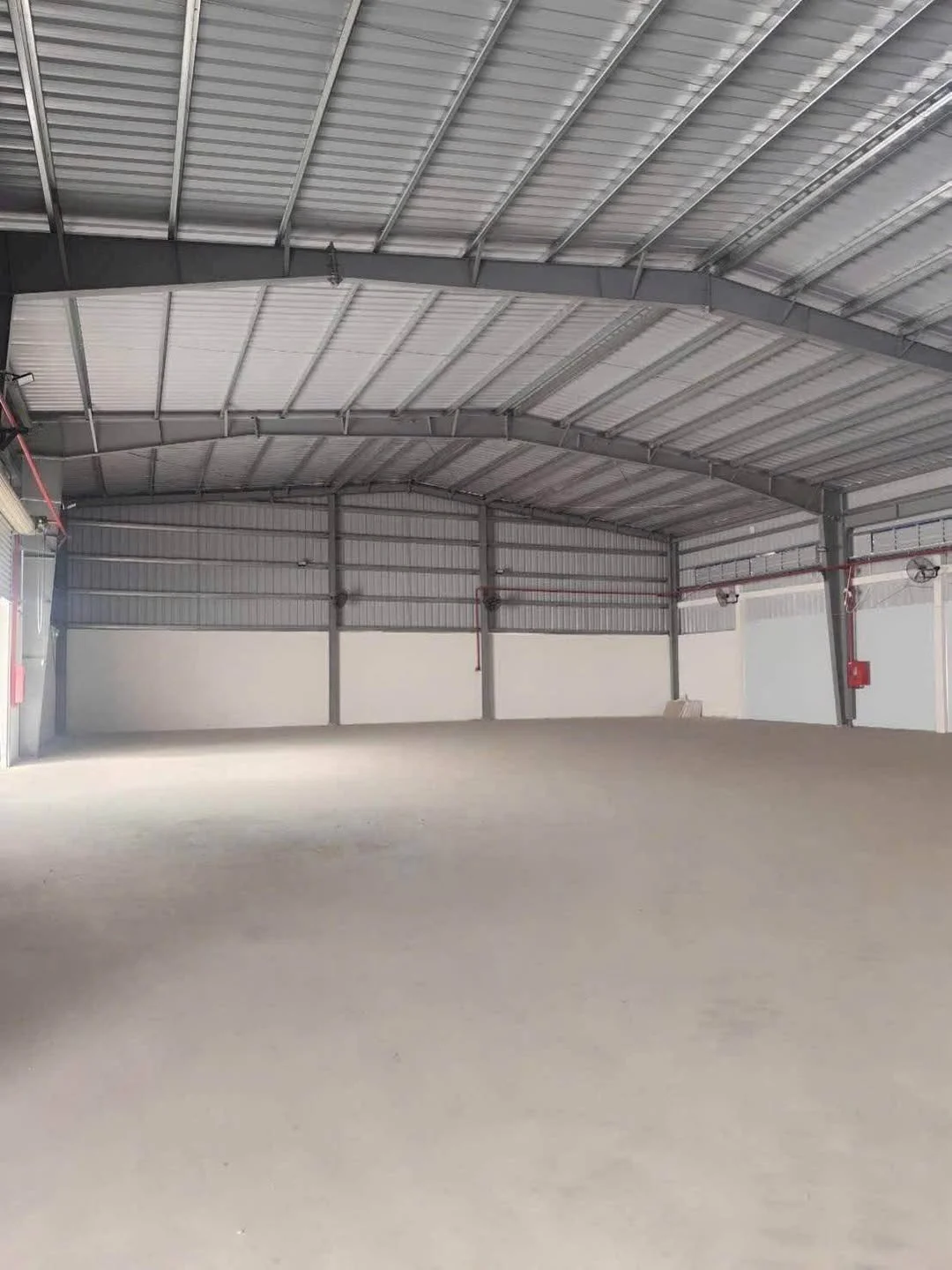
Warehouse with 7-9m Ceiling & Fire Protection, District 5, HCMC
Contact for price
- District 5, Ho Chi Minh City
- Pros: flexible scaling, no long-term commitment, handling services included, suitable for low or seasonal inventory.
- Cons: higher per-unit cost for large volumes, less control over space, potential restrictions on customization.
Pros and Cons of Per-m² Warehouse Rental
Renting warehouse space by the square metre gives you exclusive use of a defined floor area. For businesses with predictable volumes, this model can be more economical than warehouse rent by pallet, but it comes with longer commitments. Below are the main trade-offs to weigh.
Advantages of per-m² rental
You control the entire space: you can install racking, design pick-and-pack zones, and set up loading areas to match your workflow. This flexibility is valuable for businesses handling oversized goods or special handling requirements.
At scale, the warehouse rental cost per m2 is often lower than pallet storage pricing, especially when you occupy a few hundred square metres or more. You also gain long-term stability, with fixed rent reviews and the ability to build a permanent operational base.
Disadvantages to consider
Per-m² leases in Vietnam typically run from two to five years, and landlords may require a deposit of several months' rent. You will also bear fit-out costs such as racking, lighting, and office partitions, which can be significant.
Flexibility is limited: downsizing mid-lease is difficult, and you may pay for unused space during slow periods. This model suits established distributors, manufacturers, and businesses with stable inventory, rather than startups testing the market.
- Advantages: full control over layout and racking; lower cost per m² for large volumes; long-term stability; ability to customize operations.
- Disadvantages: long lease terms (often 2–5 years); higher upfront costs (deposit, fit-out); limited ability to downsize; risk of paying for unused space.
If you need flexible warehouse space for small business needs, compare per-m² options carefully against pallet-based solutions before committing.
Key Factors to Consider When Choosing

Deciding between warehouse rent by pallet and a per-m² lease comes down to how your business actually moves goods. Before you compare warehouse rental options, weigh the factors below against your own volumes, cash flow and growth plans.
Inventory and volume
Start with how fast your stock turns over. High-turnover or low-volume operations, such as e-commerce sellers testing new SKUs, usually benefit from pallet storage because you only pay for the positions you occupy. Stable, high-volume inventory that sits for weeks or months tends to favor a per-m² lease, where you control the layout and the unit cost drops as you fill the space.
Budget and cash flow
Pallet storage typically means lower upfront costs: no large deposit, no racking investment and no fit-out. That matters for small businesses protecting cash flow. Per-m² rental often carries a deposit, service charges and setup costs, but can deliver a lower long-term warehouse rental cost per m2 once your volumes are steady and predictable. Map both against a realistic 12-month forecast, not just month one.
Location and services
Proximity to ports, highways and city centers affects both cost and delivery speed. Shared pallet warehouses and per-m² units are both available in key industrial zones around Ho Chi Minh City and Hanoi, though inner-city space is scarcer and pricier. Consider services too: pallet storage pricing often bundles handling, labeling and inventory management, while a per-m² lease may require you to hire third-party services separately. Finally, think about growth. Pallet storage scales up or down quickly, whereas per-m² leasing suits businesses that expect stable, long-term space needs. Confirm current terms with each provider, as conditions vary.
How to Estimate Your Warehouse Rental Cost
Estimating your warehouse rental cost in Vietnam starts with translating your inventory into a storage requirement, then testing that requirement against both pricing models. The goal is a like-for-like comparison rather than a single headline rate.
Step-by-step cost estimation
- Calculate your storage needs. Count how many standard pallets your stock occupies at peak, including aisles and access space, or measure the floor area you actually need. Use peak rather than average volume, because both warehouse rent by pallet and per-m² leases are priced on the space you reserve.
- Obtain quotes for both models. Ask shared or third-party logistics providers for pallet storage pricing and ask landlords or industrial park operators for a warehouse rental cost per m2 in the same district, such as Binh Duong, Long An or outside central Ho Chi Minh City.
- Compare total costs. Add inbound and outbound handling, loading and unloading fees, utilities, security, insurance, and any minimum monthly commitment so the two quotes reflect the same scope.
- Factor in flexibility and growth. Note how quickly you can add or release pallet positions versus how a per-m² lease handles expansion, and whether flexible warehouse space for small business use allows short notice periods.
- Negotiate and read the contract. Clarify rate review clauses, deposit terms, notice periods and responsibility for damage; terms are typical but vary, so confirm each point in writing before signing.
A simple spreadsheet comparing monthly totals, setup costs and exit flexibility will usually show which option fits your operation best.
Tips for Negotiating Warehouse Rental Contracts
Negotiating well can save you money and headaches, whether you choose warehouse rent by pallet or a per-m² lease. Start by understanding every fee before you sign.
What to negotiate
Understand all fees. Ask for a full breakdown: base rent, service charges (security, cleaning, maintenance), handling fees (inbound/outbound), utilities, and any other costs. Hidden fees can significantly increase your total warehouse rental cost per m2 or per pallet. Request a written schedule of all charges.
Negotiate lease terms. For per-m² leases, push for break clauses (e.g., after 12 months) or expansion options if you grow. For pallet storage, negotiate lower rates for higher volumes or longer commitments. Flexible warehouse space for small business often comes with minimum commitments—try to reduce these.
Check reputation and SLAs. Research the provider’s track record. Ask for service level agreements (SLAs) covering handling times, accuracy, and security. Ensure penalties for missed SLAs are included.
Clarify insurance and liability. Determine who is responsible for goods in storage. Does the provider insure? Are you required to hold your own policy? Get this in writing.
Common mistakes to avoid
- Underestimating space needs: Calculate your pallet positions or m² accurately, including aisles and access.
- Ignoring additional fees: Factor in all costs—handling, utilities, and service charges—into your budget.
- Not planning for growth: Ensure contracts allow expansion without prohibitive penalties.
When you compare warehouse rental options, use these tips to secure a fair deal.
Conclusion
Choosing between warehouse rent by pallet and per-m² rental depends on your inventory turnover, budget, and need for control. Pallet storage offers flexibility and lower upfront costs, ideal for small or seasonal businesses, while per-m² rental provides stability and customization for larger operations. By understanding the cost structures and negotiating effectively, you can optimize your warehouse expenses.
Ready to find your ideal warehouse space? Browse our listings today to compare options and secure the best deal for your business.
Frequently asked questions
What is the difference between warehouse rent by pallet and per m²?
Warehouse rent by pallet means you pay for individual pallet positions in a shared warehouse, often including handling and services. Per m² rental involves leasing a fixed floor area exclusively, with costs based on square meters. Pallet rent is flexible and suited for small volumes, while per m² offers more control and is cost-effective for large, long-term needs.
Is pallet storage cheaper than renting warehouse space per m²?
Pallet storage can be cheaper for small volumes because you avoid fixed costs like full warehouse rent, utilities, and staff. However, per-unit costs may be higher than per-m² rates for large volumes. For businesses with low inventory or seasonal fluctuations, pallet storage often proves more cost-effective overall.
What types of businesses benefit most from pallet storage?
E-commerce startups, small importers, and businesses testing the Vietnamese market benefit most from pallet storage. It requires low upfront investment, offers flexibility to scale up or down, and includes handling services. Companies with stable, high-volume inventory may find per-m² rental more economical.
Can I combine pallet storage and per-m² rental?
Yes, some businesses use a hybrid approach: renting a small per-m² space for core operations while using pallet storage for overflow or seasonal inventory. This balances control and flexibility, though it may increase administrative complexity. Discuss options with warehouse providers to find a suitable arrangement.
How do I calculate how many pallets I need?
Calculate pallet needs by dividing your total inventory volume by the storage capacity per pallet position, considering racking height and accessibility. Account for peak seasons and turnover rates. Use our warehouse cost calculator or consult a provider for accurate estimates based on your product dimensions and stacking limits.


