Foreign Investor Guide: Renting a Building in Vietnam

Foreign investors renting a building in Vietnam can legally do so, but they must meet specific documentation and visa requirements and navigate a lease process that differs from many other markets. This guide walks you through the legal essentials, property types, due diligence, key lease terms, costs, and practical tips to secure the right commercial space with confidence.
Legal Requirements for Foreign Tenants in Vietnam

Vietnam's Law on Housing and Law on Real Estate Business set the framework for foreigners renting property, and the rules differ depending on whether you sign as an individual or through a company. Understanding these baseline requirements early helps foreign investors renting a building in Vietnam avoid delays at the notary and problems with landlords who are unfamiliar with foreign paperwork.
Individual vs. Corporate Tenants
An individual foreign tenant generally needs a valid visa or temporary residence card that covers the lease period, plus a passport. Landlords and local authorities often expect the visa status to remain valid for the duration of the rental, so a short tourist visa can complicate a longer lease.
A corporate tenant must show that the entity is properly established in Vietnam, typically through an investment registration certificate or enterprise registration certificate, and that the signatory has authority to bind the company. The entity name on the lease should match the registration certificate exactly, including any Vietnamese-language legal name.
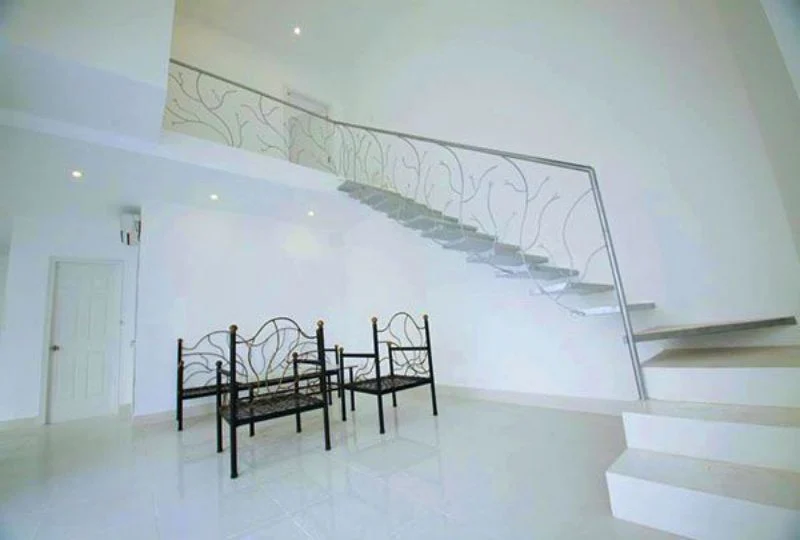
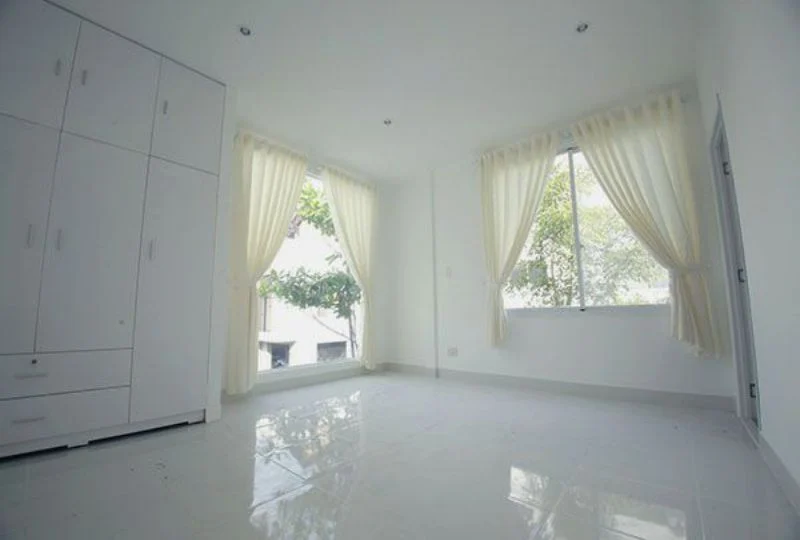
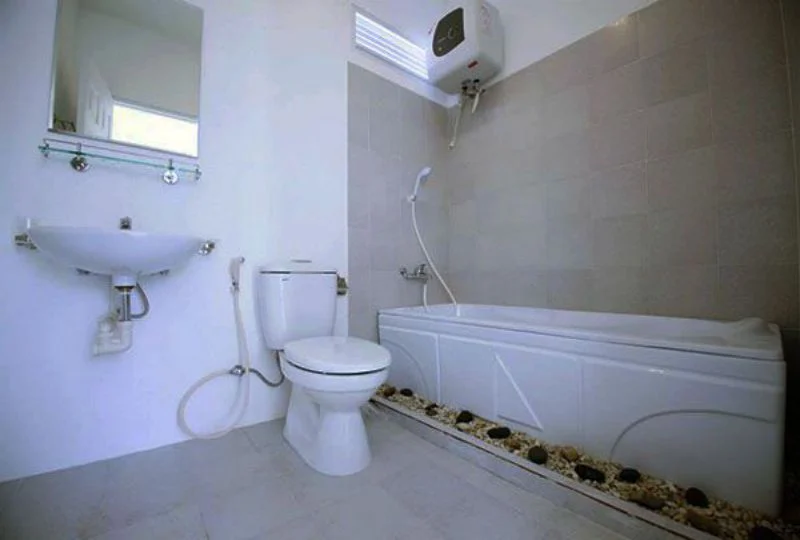
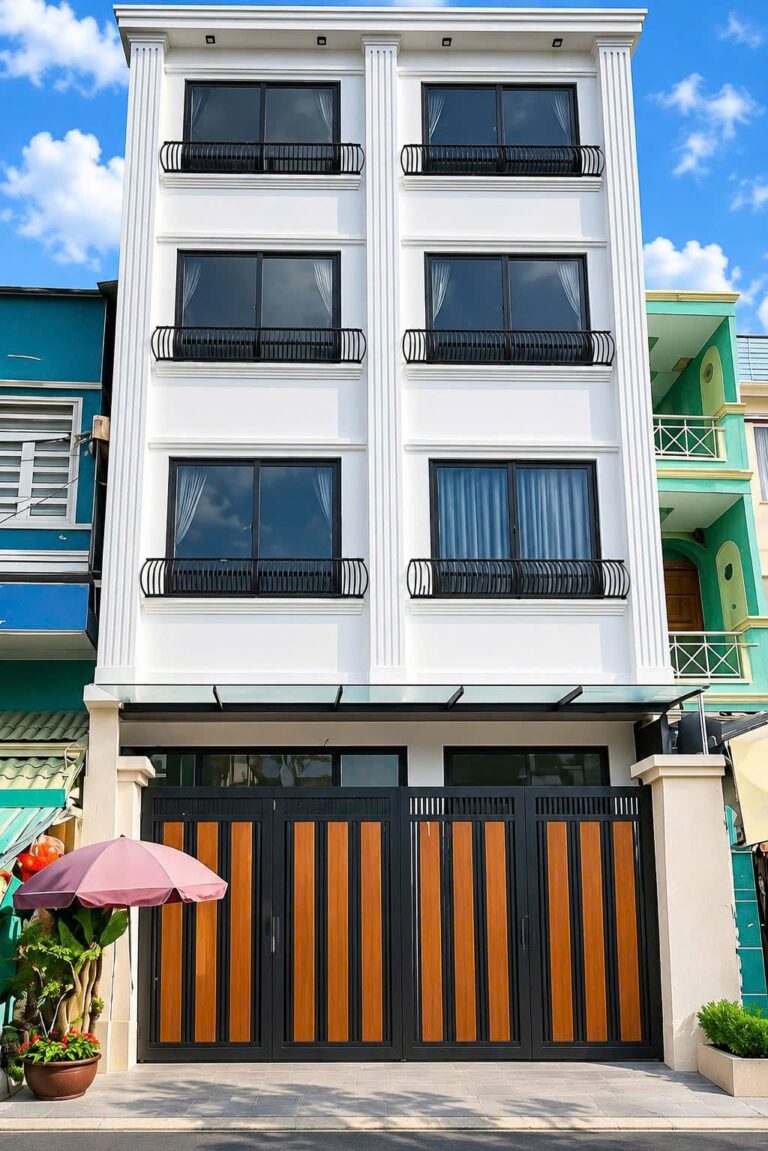
Buildings in established expat areas such as Thao Dien or Phu Nhuan are commonly leased to foreign companies and their representatives are usually familiar with these documents. A whole building like this one is a typical example of the type of property corporate tenants review:

Whole Building with Basement & 4 Floors in Thảo Điền, District 2, HCMC
Contact for price
- 900 m²
- Thao Dien, District 2, Ho Chi Minh City
Document Checklist for Foreign Tenants
Prepare a clean document set before negotiation to keep the process moving:
- Passport with valid visa or temporary residence card (individuals)
- Enterprise or investment registration certificate (companies)
- Work permit or work permit exemption where the tenant will work in Vietnam
- Board resolution or authorization letter for the company signatory
- Lease agreement in Vietnamese, with a notarized translation if needed
- Landlord's ownership documents, such as the certificate of land use rights and house ownership
Lease agreements are generally notarized in Vietnam, and foreign-language documents usually need a certified translation. Requirements can vary by locality and should be confirmed with a local lawyer or notary before signing.
Common pitfalls include a missing work permit, a visa that expires mid-lease, and an incorrect entity name or tax code on the contract. These small errors can invalidate notarization or complicate registration, so check every detail against your original documents.
Types of Buildings Available for Rent
Foreign investors renting a building in Vietnam usually choose from four broad categories: office buildings, serviced apartments, villas and warehouses or shopfronts. Each comes with different lease structures, fit-out expectations and typical locations, so matching the property type to your actual business activity matters more than chasing the lowest headline rent.
Office Buildings
Offices are commonly graded A, B or C. Grade A buildings are the newest and best specified, with professional management, backup power and higher rents; Grade B offers a practical middle ground and is the most common choice for mid-sized foreign companies; Grade C covers older or smaller buildings at lower cost, often with more limited facilities. Exact rents vary by building, floor and market conditions, so treat any range you hear as indicative and confirm current quotes directly.
In Ho Chi Minh City, District 1 remains the traditional CBD for finance, legal and corporate tenants, while District 2 (now part of Thu Duc City) and Binh Thanh attract businesses wanting newer space and shorter commutes for staff living nearby. District 7 suits companies serving the expat and family communities around Phu My Hung.
Serviced Apartments and Villas
Serviced apartments bundle furnishing, utilities and housekeeping into one monthly payment, which simplifies budgeting for relocating teams. Villas are popular with expat families and companies housing senior staff, particularly in Thao Dien and other parts of District 2, where compounds with pools and gardens are common. A representative example of the villa segment is below.
Fully furnished villas with pools and gardens in Thao Dien suit families or senior staff who need space and privacy.

Fully Furnished 5-Bedroom Villa with Pool & Garden on Nguyen Van Huong, Thao Dien, District 2, HCMC
Contact for price
- 2 BR
- 2 BA
- Thao Dien 1 compound, Thao Dien, District 2, Ho Chi Minh City
Warehouses and Retail Spaces
Warehouses are typically located in outer districts and industrial zones, and tenants should check floor loading, ceiling height, truck access and fire safety approvals. Retail and F&B spaces depend heavily on frontage, foot traffic and permitted use, so confirm that your intended activity is allowed in the building before signing. Mixed-use buildings can combine office, retail and residential, which is convenient but may bring extra rules on signage, operating hours and visitor access.
When choosing a location, weigh client proximity, staff commuting, nearby amenities and the density of the expat community against rent. A short site visit at rush hour often reveals more than any brochure.
Due Diligence Before Signing a Lease
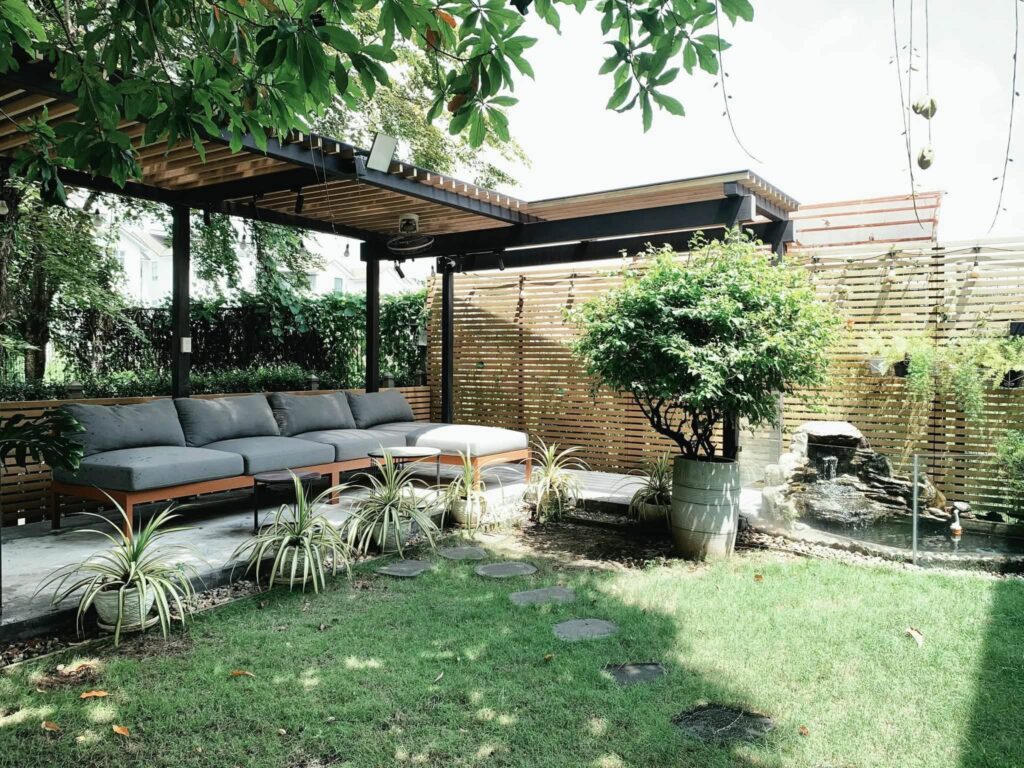
Before committing to a lease, foreign investors renting a building in Vietnam should verify the property's legal status and the landlord's right to lease. Skipping this step can lead to disputes, unexpected costs, or even eviction if the building lacks proper approvals. A structured due diligence process protects your investment and ensures a smooth tenancy.
Legal Checks on the Property
Start by requesting a copy of the landlord's ownership certificate (Sổ hồng or Sổ đỏ) and cross-check the details against the land use rights registration. Confirm that the certificate is current and that the landlord's name matches the entity you are contracting with. For foreign tenants, it is advisable to have a local lawyer verify these documents at the relevant land registry office.
Next, check for any encumbrances, such as mortgages, liens, or pending disputes. These can affect your right to use the property if the landlord defaults. Also, ensure the building has the required construction permits and a valid fire safety approval, as these are mandatory for commercial operations. Missing permits can result in fines or forced closure, so request copies and verify them with the local authorities.
Contract Review Checklist
Review the lease agreement carefully for unclear terms, hidden costs, and termination clauses. Look out for ambiguous language on rent escalation, maintenance responsibilities, and utility charges. Ensure that termination conditions are fair and clearly defined, including notice periods and penalties.
Engage a local lawyer experienced in commercial lease due diligence in Vietnam to review the contract and provide legal advice. They can identify risky clauses and help negotiate terms that protect your interests. This is especially important for expat businesses renting property in Vietnam, where local regulations and practices may differ from what you are used to.
Key Terms in a Commercial Lease Agreement
For foreign investors renting a building in Vietnam, the lease itself is where most risk sits. Vietnamese commercial leases vary widely between landlords, so read every clause with your lawyer and negotiate the points below before signing.
Rent and Deposit
Lease terms typically run from two to five years, with renewal options that should be written into the contract rather than agreed verbally. Deposits are usually two to three months' rent and are often held without interest; confirm the exact refund conditions and timeline in writing.
Rent is commonly quoted in USD but may be invoiced in VND at a stated exchange rate. Ask which currency governs payment and what happens if the rate moves. Annual escalation clauses are standard, often in the 5–10% range, so check whether increases apply to base rent only or also to service charges and management fees.
Maintenance responsibilities should be split clearly: the landlord usually covers structural repairs, common areas and building systems, while the tenant handles interior fit-out and day-to-day upkeep. Vague wording here is a frequent source of disputes.
Termination and Renewal
Look for early termination rights, notice periods and penalties on both sides, plus a force majeure clause that covers events such as government orders, natural disasters or building closures. Without it, a foreign tenant building lease in Vietnam can leave you paying rent for space you cannot use.
Governing law is usually Vietnamese law, with disputes resolved through a Vietnamese court or a named arbitration centre. Confirm the seat of arbitration, the language of proceedings and whether foreign-language versions of the contract are binding. These details matter for any expat business renting property in Vietnam, and they should be checked against current practice with local counsel.
Costs and Taxes for Foreign Tenants

Typical Rental Ranges
Office rents in Vietnam vary widely by grade and location. In Ho Chi Minh City, Grade A space in District 1 typically commands the top end of the market, while Grade B and C buildings in Districts 3, 7, Binh Thanh or Tan Binh offer more moderate rates. As a broad guide, foreign investors renting a building in Vietnam can expect office rents to range from around US$10 to US$50 per square metre per month, depending on the building's grade, age, amenities and location. Serviced apartments and villas are usually quoted per unit rather than per square metre, so compare total monthly costs rather than headline rates.
Taxes and Fees
Commercial leases are generally subject to Value Added Tax (VAT), commonly around 10% on the rental and service components, though rates can vary and should be confirmed with the landlord and your accountant. Corporate tenants should also check whether foreign contractor tax applies to payments made offshore, and how it is handled in the contract.
For individuals renting property, personal income tax may apply to rental income; the exact treatment depends on residency status and the nature of the lease, so seek local tax advice. Management fees, utilities and parking are often charged separately from base rent. Confirm whether these are fixed, metered or indexed, and whether VAT is included.
Finally, plan for currency exchange and repatriation. Leases are commonly denominated in US dollars or Vietnamese dong, and payments must comply with foreign exchange rules. Ask the landlord to specify the bank, currency and documentation required for remittances, and keep all receipts for repatriation of funds.
Practical Tips for a Smooth Rental Process
For foreign investors renting a building in Vietnam, the difference between a smooth handover and months of delay usually comes down to preparation and communication. A few simple habits protect your budget and your timeline.
Working with Local Agents
Choose a reputable agency with English-speaking staff and a track record serving foreign tenants. Ask for references from comparable clients and confirm whether the agent represents the landlord or acts for you, since dual representation can affect how advice is given. A good agent will explain local practices, prepare bilingual documents and attend viewings and negotiations with you.
Negotiation Strategies
- Request a rent-free fit-out period. Landlords in Vietnam often accept a rent-free or reduced-rent period while you renovate or install furniture; the length is typical and negotiable, so propose it early in discussions.
- Clarify property tax and insurance. Confirm in writing who pays property-related taxes, building insurance and any strata or management charges, and check what your own insurance must cover.
- Keep every document. Retain signed originals and copies of the lease, ownership papers, invoices, deposit receipts and bank transfer records; these matter for renewals, disputes and visa or licensing matters.
- Build a good relationship with the landlord. Prompt payments, clear communication and respect for building rules make renewals, rent reviews and small repairs easier to negotiate.
Treat the process as a long-term partnership: document everything, ask questions in writing, and confirm verbal agreements by email before signing.
Your Next Steps for a Successful Rental
Renting a building in Vietnam as a foreign investor is manageable with the right preparation. Focus on complying with legal requirements, conducting thorough due diligence, and negotiating key lease terms that protect your interests. Understanding costs and taxes will help you budget accurately, while practical tips ensure a smooth process from start to finish.
Ready to find your ideal commercial space? Browse our extensive listings of offices, serviced apartments, villas, warehouses, and retail spaces across Vietnam to find the perfect fit for your business.
Frequently asked questions
Can foreigners rent property in Vietnam?
Yes, foreigners can legally rent property in Vietnam. Individuals need a valid visa and passport, while companies must provide business registration and investment certificates. Lease agreements should be notarized and translated into Vietnamese for enforceability. Working with a local lawyer helps ensure compliance with Vietnamese law and avoids common pitfalls such as expired visas or mismatched entity names.
What documents do I need to rent a building in Vietnam as a foreigner?
For individuals: a valid passport and visa (or work permit/temporary residence card). For companies: business registration certificate, investment certificate (if applicable), and legal representative's ID. All foreign documents must be notarized and translated into Vietnamese. Additionally, a lease agreement draft and proof of address may be required. Ensure names on all documents match exactly to avoid delays.
How much does it cost to rent an office building in Ho Chi Minh City?
Office rental rates in Ho Chi Minh City vary by grade and location. Grade A offices typically range from US$30 to US$50 per square metre per month, Grade B from US$15 to US$30, and Grade C from US$10 to US$15. These rates exclude VAT and management fees. Prime districts like District 1 command higher prices, while emerging areas offer more affordable options.
What is the typical lease term for commercial buildings in Vietnam?
Commercial lease terms in Vietnam commonly range from 3 to 5 years, though longer terms up to 10 years are negotiable for large spaces or build-to-suit arrangements. Shorter terms of 1-2 years are possible for serviced offices. Lease agreements often include renewal options and rent escalation clauses, typically 5-10% annually or every three years.
Do I need a local lawyer to review a lease agreement in Vietnam?
While not legally mandatory, engaging a local lawyer is highly recommended. A lawyer can review the lease for compliance with Vietnamese law, identify unfavorable clauses, and negotiate terms that protect your interests. They can also verify the landlord's ownership certificate and check for encumbrances. This is especially important for foreign tenants unfamiliar with local practices and language.