Factory Land Rent Prices: HCMC vs Dong Nai, Long An, Bac Ninh

Understanding factory rent prices by province is essential for expats and businesses planning to set up or expand operations in Vietnam. This guide compares rental rates for industrial land, built factories, and warehouses in Ho Chi Minh City, Dong Nai, Long An, and Bac Ninh, helping you make an informed decision.
Why Factory Rent Prices Differ Across Provinces

Factory rent prices by province in Vietnam vary widely due to a mix of location, infrastructure, labour, incentives and supply-demand dynamics. Understanding these factors helps you compare markets and budget accurately.
Key Cost Drivers for Industrial Land
Proximity to major cities and ports is a primary driver. Land near HCMC commands a premium because of access to Cat Lai and Cai Mep ports, highways and a large labour pool. Provinces like Dong Nai and Long An benefit from spillover demand but offer lower rates. Bac Ninh, near Hanoi, leverages proximity to Noi Bai Airport and highways like National Route 18 and the Hanoi–Hai Phong Expressway. Infrastructure quality—power, water, waste treatment and road connectivity—also affects prices. Government incentives, such as tax holidays in certain industrial zones, can reduce overall costs. Finally, supply-demand imbalances push rates up in hotspots and create bargains in emerging areas.
How to Compare Rent Prices Fairly
Rent is typically quoted in USD per square metre per month or per year, but the basis matters. Land rent usually refers to a bare plot where you build your own factory, while built factory rent includes the structure, and sometimes office space and utilities. Always clarify what is included: management fees, VAT, utilities and maintenance. For example, a warehouse for rent in HCMC might quote a monthly rate that excludes electricity and common area charges. To illustrate, here is a typical listing:

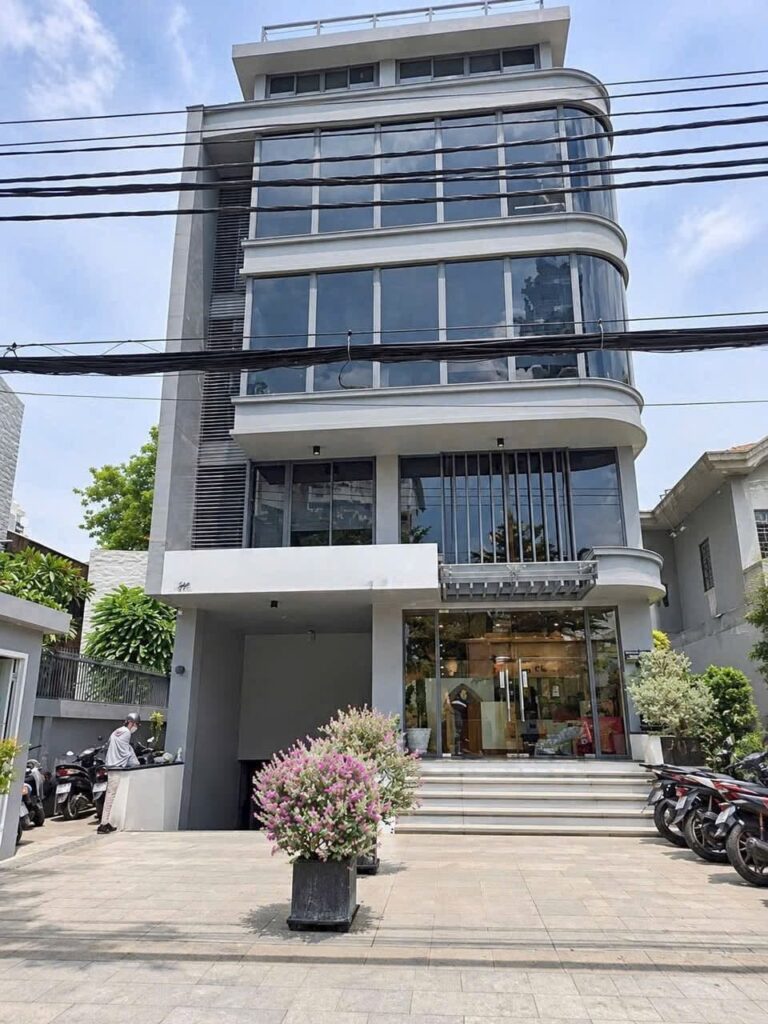
650 m² Factory with Container Truck Access on Phan Huy Ích, Gò Vấp, HCMC
110.000 VND / m²/month (negotiable)
- 650 m²
- Go Vap, Ho Chi Minh City
When comparing factory lease options in Dong Nai or Long An industrial park land, check the lease term, payment schedule and any escalation clauses. Also consider hidden costs like truck access restrictions or fire protection requirements. By normalising these variables, you can make an apples-to-apples comparison of factory rent prices by province.
Factory Rent Prices in Ho Chi Minh City
Ho Chi Minh City remains the most expensive location for industrial space in Vietnam, with rents in its industrial parks and export processing zones (EPZs) among the highest in the country. Limited land availability, especially in established zones like Tan Thuan, Linh Trung, and Hiep Phuoc, drives up prices. This makes HCMC suitable for high-value, low-footprint operations and companies that need close proximity to the city center and its services.
Typical Rent Ranges in HCMC Industrial Parks
Rents vary significantly by location, infrastructure quality, and whether you lease land or a built factory. Below are indicative ranges based on market observations; always verify current rates with park management or a broker.
- Industrial land: typically from 100 to 250 USD per square meter per lease term (often 30-50 years), with upfront payment required. Prime locations in Tan Thuan and Linh Trung command the higher end.
- Built factories: commonly 4 to 8 USD per square meter per month, depending on grade, ceiling height, and facilities. Newer, high-spec units in Hiep Phuoc may exceed this range.
- Warehouses: generally 3 to 6 USD per square meter per month for standard space, with premiums for cold storage or specialized features.
These figures are typical but can fluctuate with supply and demand. For example, a 5,600 m2 warehouse with 24/24 container access in Binh Chieu, Thu Duc City, is listed at 130,000 VND per square meter per month (negotiable).

5,600 m2 Warehouse with 24/24 Container Access in Bình Chiểu, Thủ Đức, HCMC
130.000 VND / m²/month (negotiable)
- 10,000 m²
- KCN Sóng Thần 1, Binh Chieu, Thu Duc City, Ho Chi Minh City
Pros and Cons of Renting in HCMC
Pros: Proximity to the city center and a large consumer market; access to a skilled workforce and support services; well-developed infrastructure and logistics networks; presence of EPZs offering tax incentives.
Cons: Highest rents in Vietnam; limited availability of large land plots; traffic congestion can affect logistics; stricter environmental regulations may increase compliance costs.
When negotiating a lease in HCMC, consider long-term contracts to lock in rates and avoid frequent increases. Thoroughly check infrastructure fees, such as electricity, water, and wastewater treatment charges, as these can add significantly to overall costs. Also confirm the quality of power supply and fire safety systems, especially for manufacturing operations.
Factory Rent Prices in Dong Nai

Dong Nai is one of Vietnam's largest industrial hubs and sits directly next to Ho Chi Minh City. Its infrastructure is well developed, with expressways linking to HCMC, the Thi Vai and Phuoc An port cluster, and the Cai Mep corridor within easy reach. For many tenants, this makes Dong Nai a practical alternative to HCMC when comparing factory rent prices by province.
Key Industrial Parks in Dong Nai
Several established parks dominate the market, and each has its own character and rate profile.
- Amata Industrial Park (Bien Hoa): A long-running, well-serviced park popular with foreign manufacturers, with strong utilities and support services.
- Long Thanh Industrial Park: Positioned near the new airport project and the expressway network, making it attractive for logistics-heavy operations.
- Nhon Trach: A cluster of parks near the port and river system, often favoured by heavier industry and export-oriented tenants.
- Giang Dien: A smaller, established park in Bien Hoa with good access to the city and HCMC.
Other parks and smaller zones are spread across Bien Hoa, Trang Bom, and Vinh Cuu, so it is worth widening the search beyond the best-known names.
Rent Ranges and Market Trends
For industrial land rental in Vietnam, Dong Nai is typically cheaper than HCMC but more expensive than several other southern provinces. Built factories and ready-built warehouses also tend to price below comparable HCMC space, though the gap narrows in prime parks. Exact rates vary by park, land size, lease term, and fit-out, so always confirm current quotes with park management.
The Long Thanh International Airport project has lifted demand in nearby areas, and asking rents around Long Thanh and Nhon Trach have firmed as a result. Logistics advantages are strong: port access, expressway links, and a deep pool of industrial labour make the province competitive for export manufacturing. Tenants should still check power capacity, wastewater treatment limits, and lease terms before committing.
Factory Rent Prices in Long An
Long An has become one of the most active industrial provinces in southern Vietnam, largely because it shares a long border with Ho Chi Minh City while still offering room to grow. Factories here can draw on HCMC's labour pool and port network while avoiding the congestion and land scarcity of the city itself. For businesses comparing factory rent prices by province, Long An often appears as a middle ground between the premium rates of HCMC and the deeper discounts of more remote provinces.
Key Industrial Parks in Long An
The province hosts a growing list of industrial parks spread across districts such as Duc Hoa, Ben Luc, Can Giuoc and Thu Thua. Well-known names include Duc Hoa Industrial Park (with several phases), Ben Luc Industrial Park, and Tan Tao Industrial Park in Duc Hoa. Newer parks and expanded phases continue to come online, so the list changes regularly and should be confirmed with park management or a local advisor.
Many of these parks are positioned along or near major roads connecting to HCMC, which makes them practical for companies that need to move goods into the city or to ports in a single shift.
Rent Ranges and Market Trends
Compared with HCMC and much of Dong Nai, Long An generally offers more competitive industrial land rental Vietnam rates. Exact figures vary by park, plot size and lease term, but land rents in Long An are typically lower than in HCMC's industrial parks, and built factories often come at a modest discount to equivalent space in Dong Nai. Warehouses for rent near the HCMC border tend to price higher than those deeper in the province.
Several factors support Long An's appeal. Provincial authorities have historically offered investment incentives for qualifying projects, and large contiguous land plots are more readily available than in HCMC, which suits manufacturers needing room to expand in phases. Infrastructure has improved steadily, with the Ho Chi Minh City – Trung Luong Expressway cutting travel time to the city and supporting logistics.
Demand is rising, so rents in prime locations are trending upward. It is wise to check current quotes and incentive eligibility directly, as terms change over time.
Factory Rent Prices in Bac Ninh

Bac Ninh has become one of northern Vietnam's most important industrial provinces, sitting close to Hanoi and connected by major highways such as the Hanoi–Bac Ninh route and the wider expressway network toward Hai Phong's ports. For businesses comparing factory rent prices by province, Bac Ninh often appears more expensive than many southern alternatives, but it offers proximity to the capital, a deep supplier base and strong logistics links.
Key Industrial Parks in Bac Ninh
Most industrial land and ready-built factories in the province are concentrated in established parks, including VSIP Bac Ninh, Que Vo and Yen Phong, along with several smaller and newer parks nearby. These locations typically offer plug-and-play factories, serviced land plots and on-site utilities, which is convenient for tenants who want to start production quickly.
- VSIP Bac Ninh: a well-known integrated park with international-standard infrastructure and a mix of electronics and supporting industries.
- Que Vo: a large park hosting diversified manufacturing, from components to consumer goods.
- Yen Phong: popular with high-tech and electronics-related tenants, with several phases developed over time.
Rent Ranges and Market Trends
Bac Ninh has become a hub for electronics and high-tech manufacturing, and this demand has pushed rents above those in many other northern provinces. Typical rents for industrial land and built factories vary by park, age and specification, so figures should always be checked with the park or a local agent. In general, expect land rents to be quoted per square metre for the lease term, while ready-built factories are usually quoted per square metre per month.
The presence of Samsung and other large investors has had a clear impact on the local market. Their factories and supplier networks absorb significant space, tighten availability in prime parks and encourage supporting industries to locate nearby. This can mean fewer large plots and shorter negotiation windows, especially in Yen Phong and VSIP Bac Ninh.
Logistics are a real advantage: Bac Ninh is within easy reach of Hanoi, Noi Bai airport and the Hai Phong port route, and the province has a large, relatively young labour pool. Tenants should still confirm power capacity, wastewater treatment limits and labour supply for their specific sector before signing.
Comparison Table: Factory Rent Prices by Province
The table below summarises typical rent ranges for industrial land and built factories in the four provinces covered. All figures are indicative and should be verified with individual industrial parks, as factory rent prices by province vary with location, infrastructure, and lease terms.
| Province | Typical land rent (USD/sqm/month) | Typical factory rent (USD/sqm/month) | Key advantages |
|---|---|---|---|
| HCMC | 8–15 | 4–8 | Largest market, deep labour pool, port and airport access, strong logistics |
| Dong Nai | 4–8 | 3–6 | Close to HCMC, Long Thanh airport, established industrial parks, good highways |
| Long An | 3–6 | 2.5–5 | Lower costs, large land plots, expressway to HCMC, growing incentives |
| Bac Ninh | 5–10 | 3.5–7 | Near Hanoi, electronics hub, skilled labour, strong FDI incentives |
Note: These ranges are indicative only and can differ significantly between industrial parks, specific plots, and lease durations. Always request a current quotation and check what is included (management fees, utilities, taxes).
Which province suits your business?
Labour-intensive operations such as garment or assembly often find Long An attractive for its lower industrial land rental Vietnam costs and large plots, while still being within easy reach of HCMC. High-tech or electronics manufacturers may prefer Bac Ninh for its skilled workforce and supplier ecosystem, or Dong Nai for its proximity to HCMC and the upcoming Long Thanh airport.
Businesses that prioritise quick access to customers, ports, and a large labour pool may accept higher factory rent prices in HCMC or a warehouse for rent HCMC. For companies needing a factory lease Dong Nai offers a middle ground, while Long An industrial park land suits those planning large-scale, cost-sensitive projects.
How to Choose the Right Province for Your Factory
Selecting a province for your factory in Vietnam requires a structured approach. Start by defining your operational requirements: land size, power capacity, water supply, waste treatment, labour skills, and proximity to ports or airports. Then shortlist provinces that match these needs, using the factory rent prices by province data as a starting point. Schedule visits to industrial parks to assess infrastructure and management quality, compare total costs beyond rent, and negotiate lease terms carefully.
Step-by-Step Selection Process
- Define requirements: List must-haves such as land area, floor loading, clear height, and utilities. Consider future expansion.
- Shortlist provinces: Use industrial land rental Vietnam benchmarks to narrow options. For example, if you need a warehouse for rent HCMC, expect higher costs but better connectivity; a factory lease Dong Nai may offer more space at lower rates.
- Visit industrial parks: Check road access, drainage, power reliability, and on-site services. Speak to existing tenants if possible.
- Compare costs: Calculate total occupancy cost, including rent, management fees, infrastructure charges, and taxes.
- Negotiate lease terms: Discuss rent escalation, deposit, handover conditions, and renewal options.
Key factors to weigh include total occupancy cost, investment incentives, labour availability, supply chain proximity, and future growth plans. For instance, Long An industrial park land may suit businesses needing large plots and expressway access, while Bac Ninh factory rental appeals to electronics suppliers near Hanoi.
Common Mistakes to Avoid
Many first-time renters overlook hidden costs such as management fees, infrastructure charges, and utility connection fees. Always request a full cost breakdown. Not checking zoning regulations can lead to delays or fines; verify land use rights and building permits. Underestimating logistics costs—like trucking to ports or raw material transport—can erode savings from lower rent.
When negotiating, seek long-term leases for stability and ask about rent escalation clauses. A typical escalation might be a fixed percentage every few years, but terms vary, so clarify upfront. Also negotiate fit-out contributions and rent-free periods for setup. Remember that prices and incentives change, so confirm details with park management and legal advisors.
Conclusion
Factory rent prices vary significantly across Vietnam's provinces, influenced by location, infrastructure, labour availability, and government incentives. While HCMC offers prestige but comes with high costs and limited land, neighbouring provinces like Dong Nai and Long An provide more affordable options with good connectivity. Bac Ninh stands out as a northern hub driven by electronics manufacturing. By understanding these differences and following a structured selection process, you can find the ideal location for your factory.
Ready to explore? Browse our listings to find the perfect industrial space for your business needs.
Frequently asked questions
What is the average factory rent price in Vietnam by province?
Factory rent varies by province and property type. In HCMC, industrial land rents range from $150 to $300 per square metre for the lease term, while built factories may cost $4 to $8 per square metre per month. Dong Nai and Long An are generally 20-40% cheaper, and Bac Ninh ranges from $100 to $250 per square metre for land. These are indicative ranges; actual prices depend on specific parks and terms.
Is it cheaper to rent a factory in Long An or Dong Nai?
Generally, Long An offers slightly lower rents than Dong Nai due to its newer industrial parks and greater land availability. However, Dong Nai benefits from established infrastructure and proximity to HCMC, which can justify higher rents. For cost-sensitive operations, Long An may be more attractive, while Dong Nai suits businesses prioritising connectivity and a mature industrial ecosystem.
How does the rent for industrial land in Bac Ninh compare to HCMC?
Industrial land rents in Bac Ninh are typically lower than in HCMC, ranging from $100 to $250 per square metre for the lease term, compared to $150 to $300 in HCMC. Bac Ninh's proximity to Hanoi and its role as an electronics hub drive demand, but overall costs remain more competitive than Vietnam's southern economic centre.
What costs are included in factory rent in Vietnam?
Factory rent usually covers the lease of the land and building, but additional costs often apply. These may include management fees, utilities (electricity, water, wastewater treatment), and sometimes a service charge for common areas. It's important to clarify with the landlord which costs are included and which are payable separately to avoid surprises.
Are there government incentives for renting factories in industrial parks?
Yes, many industrial parks offer incentives such as corporate income tax exemptions or reductions, import duty exemptions for equipment, and sometimes reduced land rents for certain projects. Incentives vary by province and project type, often targeting high-tech, supporting industries, or large-scale investments. It's advisable to check with park management for specific offers.