Office For Rent In Ho Chi Minh City: How Much Deposit?

For an office for rent in Ho Chi Minh City, the typical deposit is two to three months' rent, though it can range from one to three months depending on the building grade, location, and lease terms. This guide explains how deposits work, what influences the amount, and how to protect your investment when renting office space in Vietnam.
Understanding Office Lease Deposits in Ho Chi Minh City

What Is an Office Lease Deposit?
In Vietnam, an office lease deposit is a sum paid upfront by the tenant to the landlord to secure the rental agreement. It is typically held as security for the performance of the lease obligations, such as paying rent on time and maintaining the premises. For expats and businesses looking for an office for rent in Ho Chi Minh City, understanding the deposit is essential before signing any commercial lease Vietnam contract.
The deposit is usually paid upon signing the lease or a letter of intent, and it is often equivalent to two or three months' rent. However, this can vary depending on the landlord, building grade, and lease terms. It is not a fee; it is refundable at the end of the lease if all conditions are met.
Typical Deposit Amounts
Most office leases in Ho Chi Minh City require a deposit of two to three months' rent. For example, a small office space for rent in District 3 might ask for two months, while a Grade A building in District 1 could require three months. In some cases, especially for longer leases or with negotiation, the deposit may be reduced to one month or increased to six months for high-risk tenants.
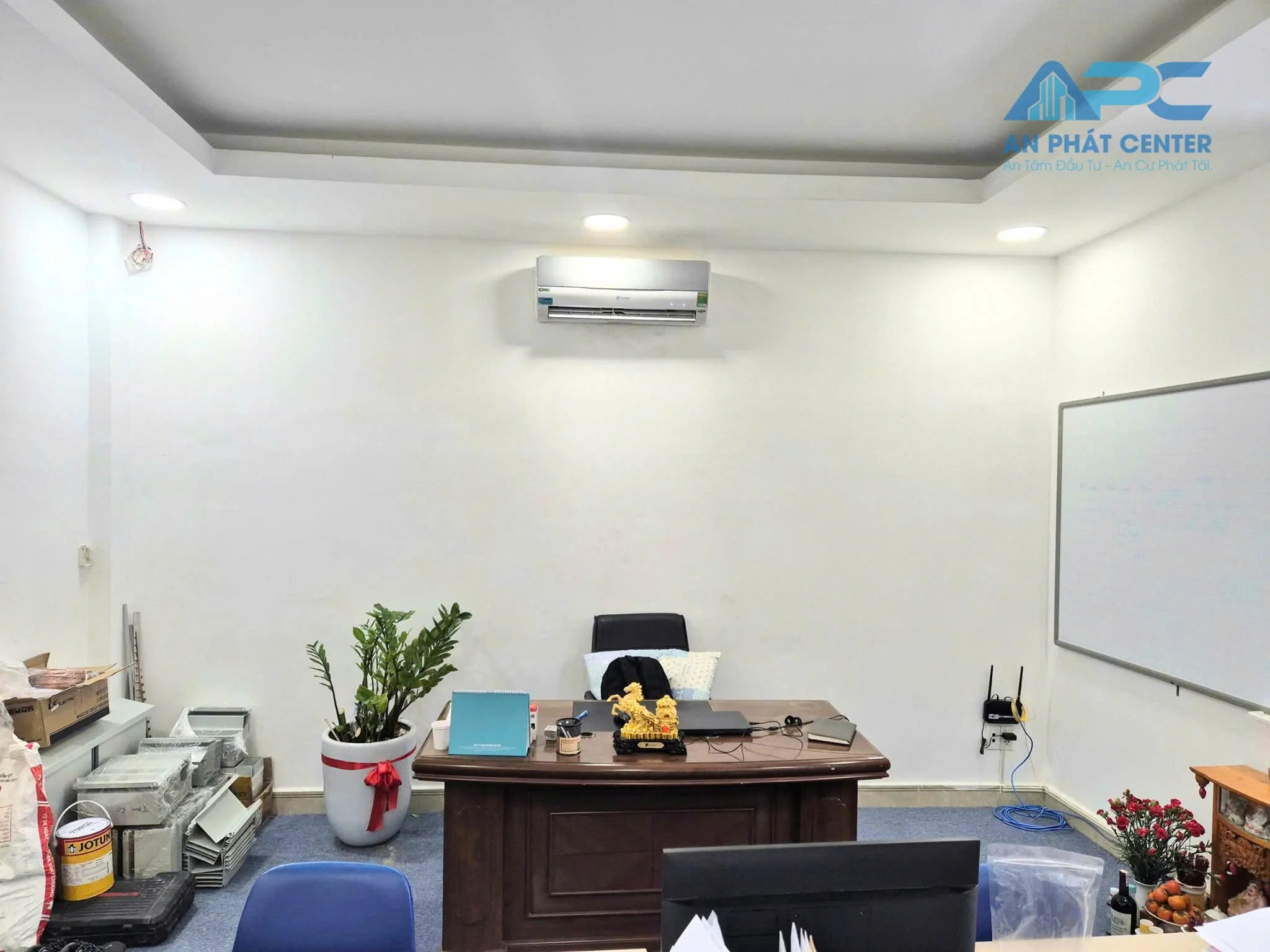
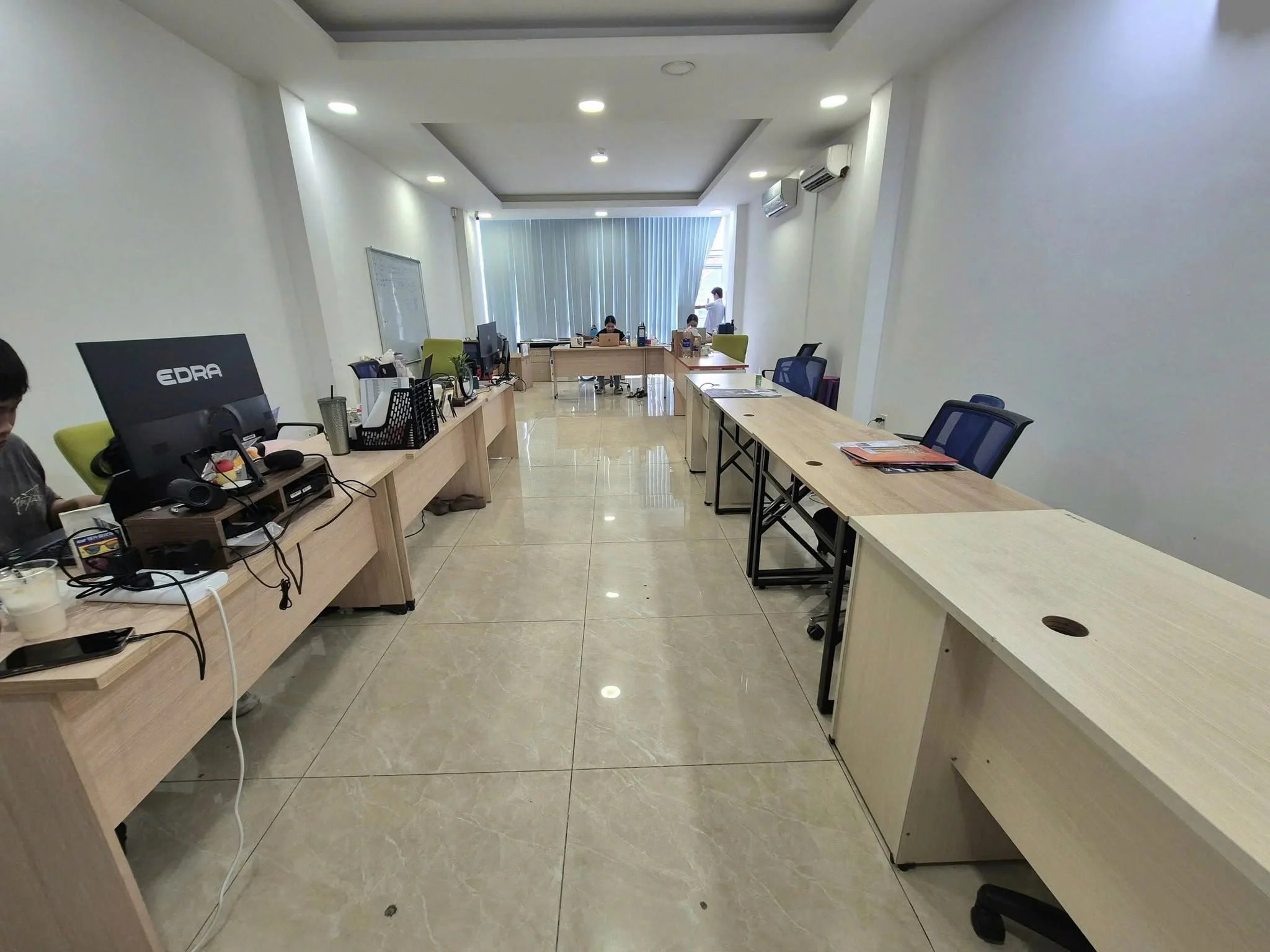
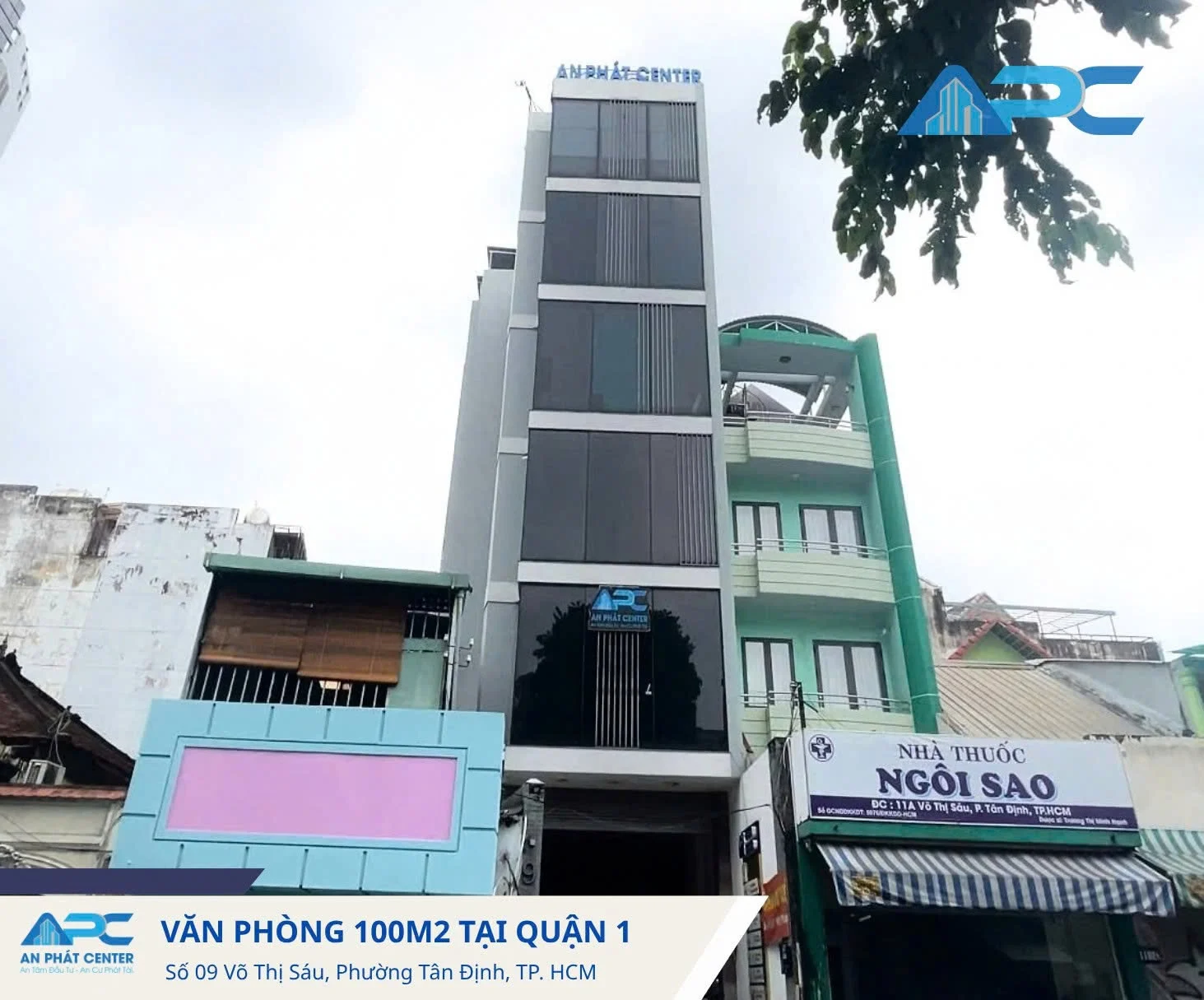
The deposit amount is often negotiable, particularly in softer markets or for tenants with strong financial credentials. It is advisable to discuss the deposit terms early in the negotiation process. For instance, a 100 m² office floor on Vo Thi Sau, District 1, might have a standard deposit, but flexibility can be discussed with the landlord.
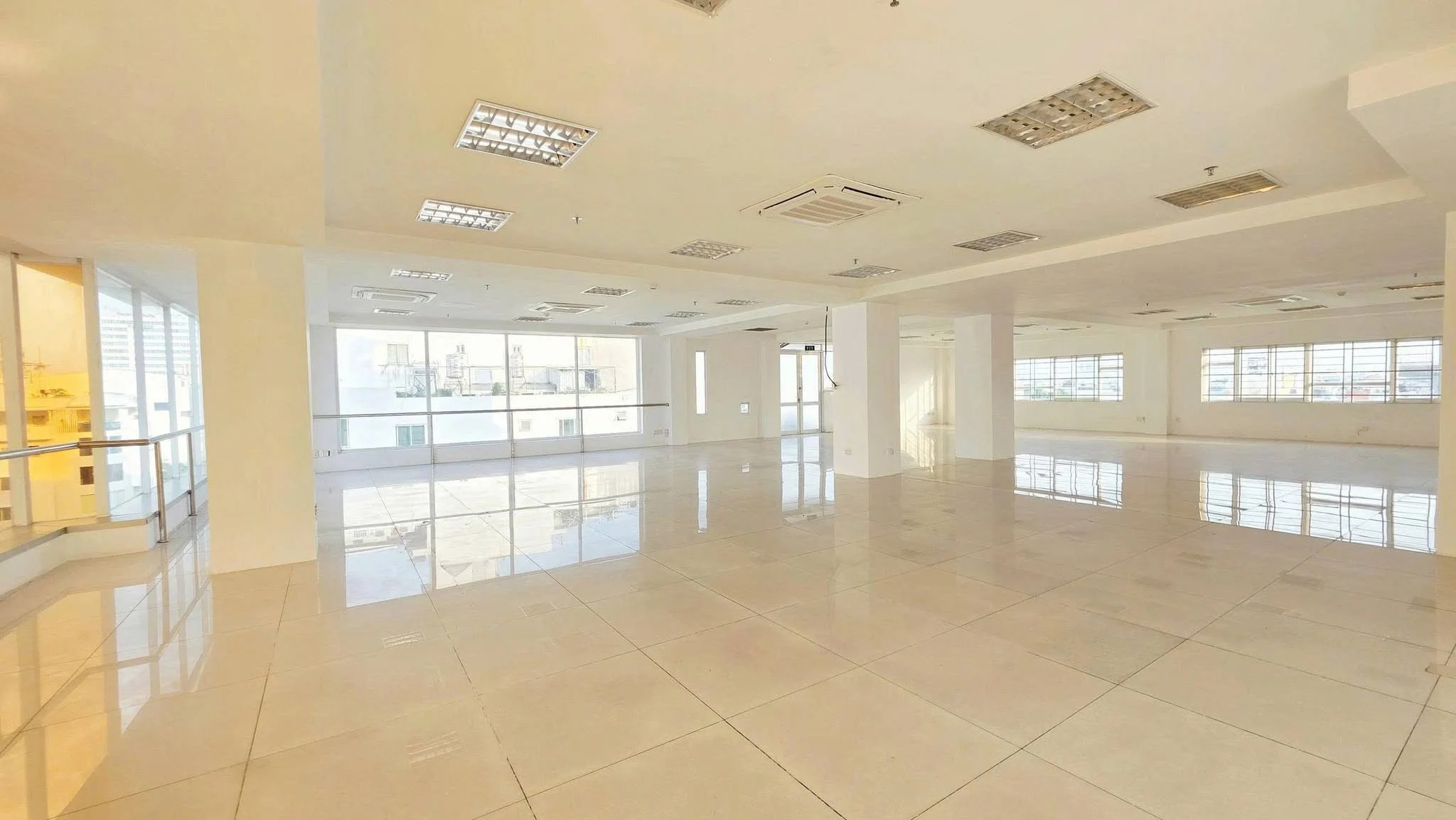
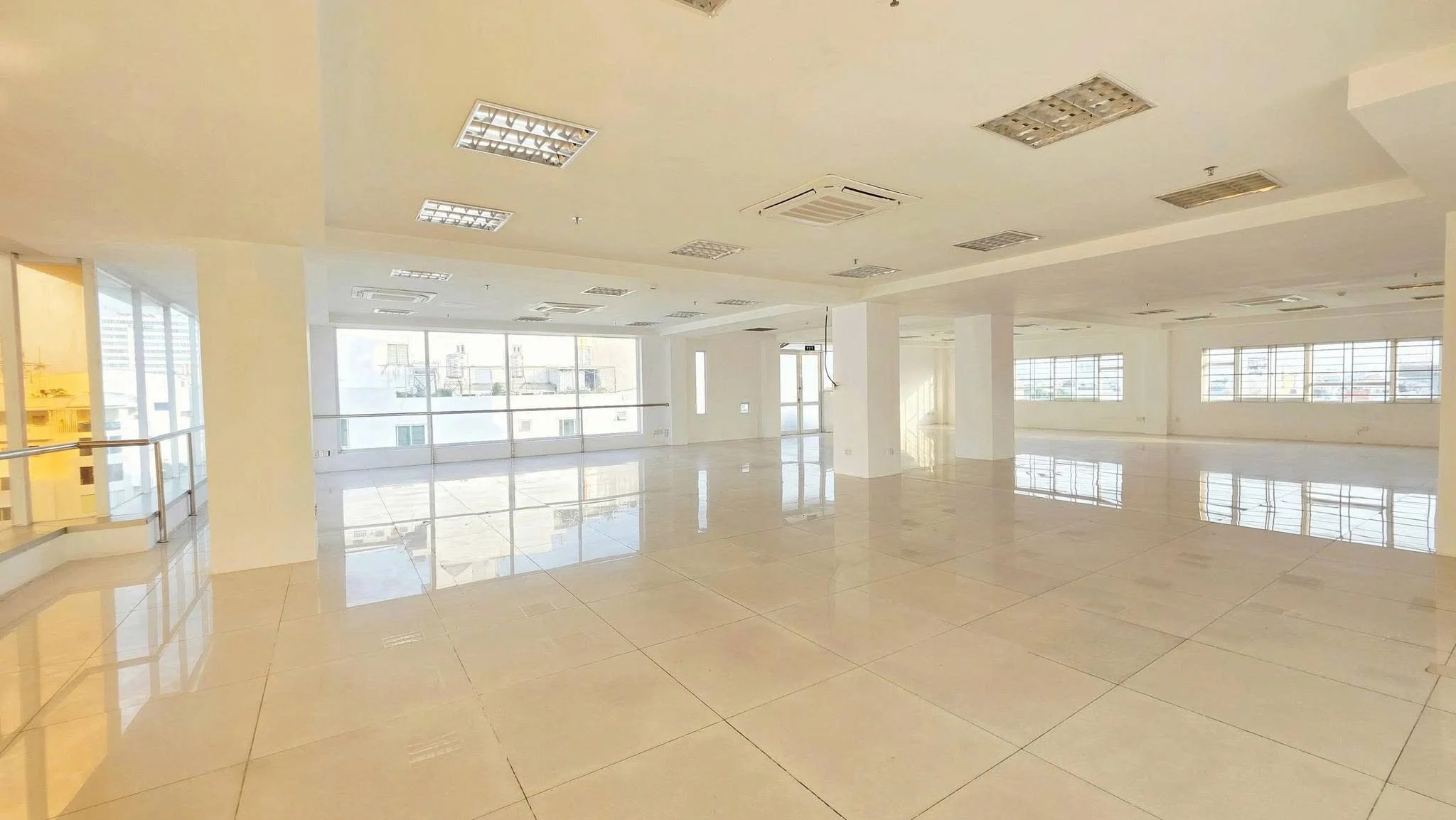
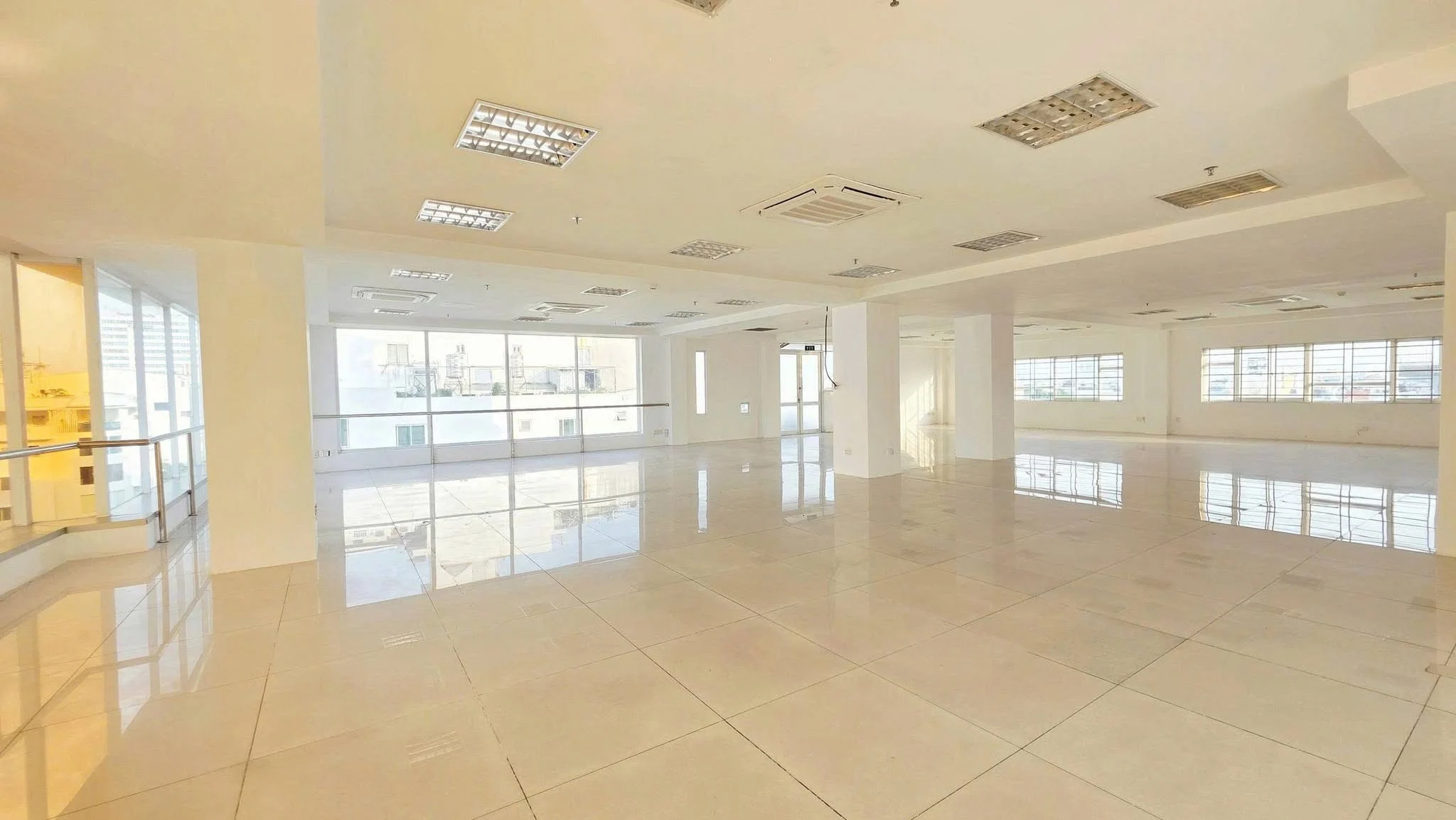
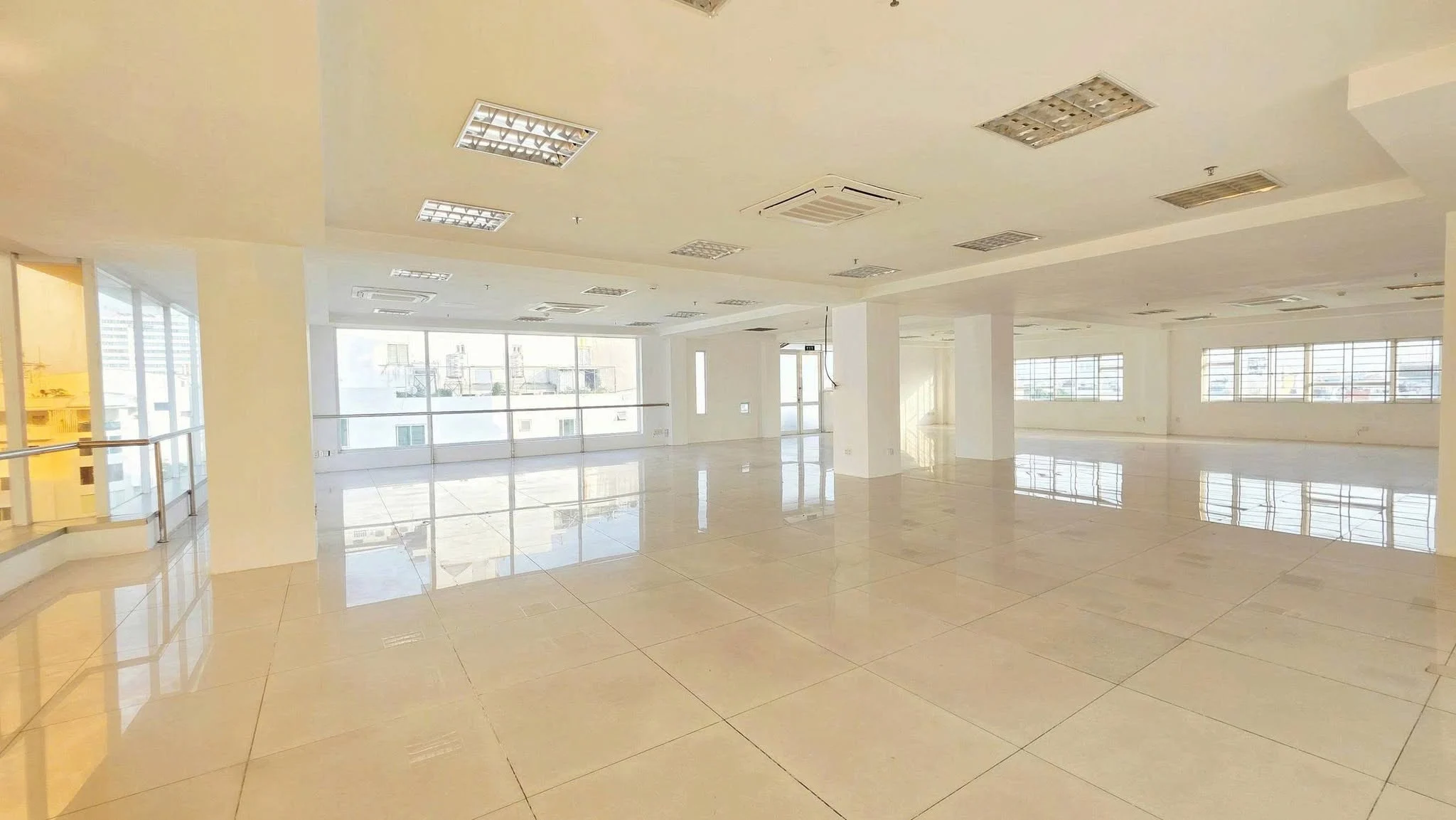
100 m² Office Floor for Rent on Vo Thi Sau, District 1, HCMC
Contact for price
- 100 m²
- An Phat Center, DaKao (now Tan Dinh), District 1, Ho Chi Minh City
Landlords require deposits to protect themselves against potential losses. Common reasons include covering unpaid rent, repairing damages beyond normal wear and tear, or compensating for early termination of the lease. This security is especially important in Vietnam, where legal enforcement can be slow.
The legal basis for deposits is found in Vietnam's Civil Code, which recognizes the right to agree on deposits in contracts. While the Civil Code provides a general framework, specific terms are usually detailed in the lease agreement. It is crucial to read and understand these terms, as they govern the conditions under which the deposit is refunded or forfeited.
Standard practice in Ho Chi Minh City is to document the deposit in the lease contract, specifying the amount, currency (often VND or USD), and refund conditions. Tenants should always request a receipt and ensure the deposit is clearly stated in the contract to avoid disputes.
Factors That Influence Deposit Amounts
When you rent office space in Ho Chi Minh City, the deposit is rarely a fixed rule. Several factors combine to determine what a landlord will ask for, and understanding them helps you budget and negotiate. Below are the main influences, with practical examples.
Location and Building Grade
Prime districts such as District 1, District 3 and Thu Thiem typically command higher deposits because demand is strong and landlords have less incentive to compromise. In emerging areas like Tan Binh, Go Vap or District 7, deposits may be more flexible, especially for older or smaller buildings. Building grade matters too: Grade A towers often require 3 months' rent as a deposit, Grade B typically 2–3 months, and Grade C or older buildings may accept 1–2 months. These are typical ranges; always confirm the specific terms.
For example, a mid-sized office floor in Binh Thanh might have a deposit in line with Grade B norms, while a prime District 1 tower could ask for more.
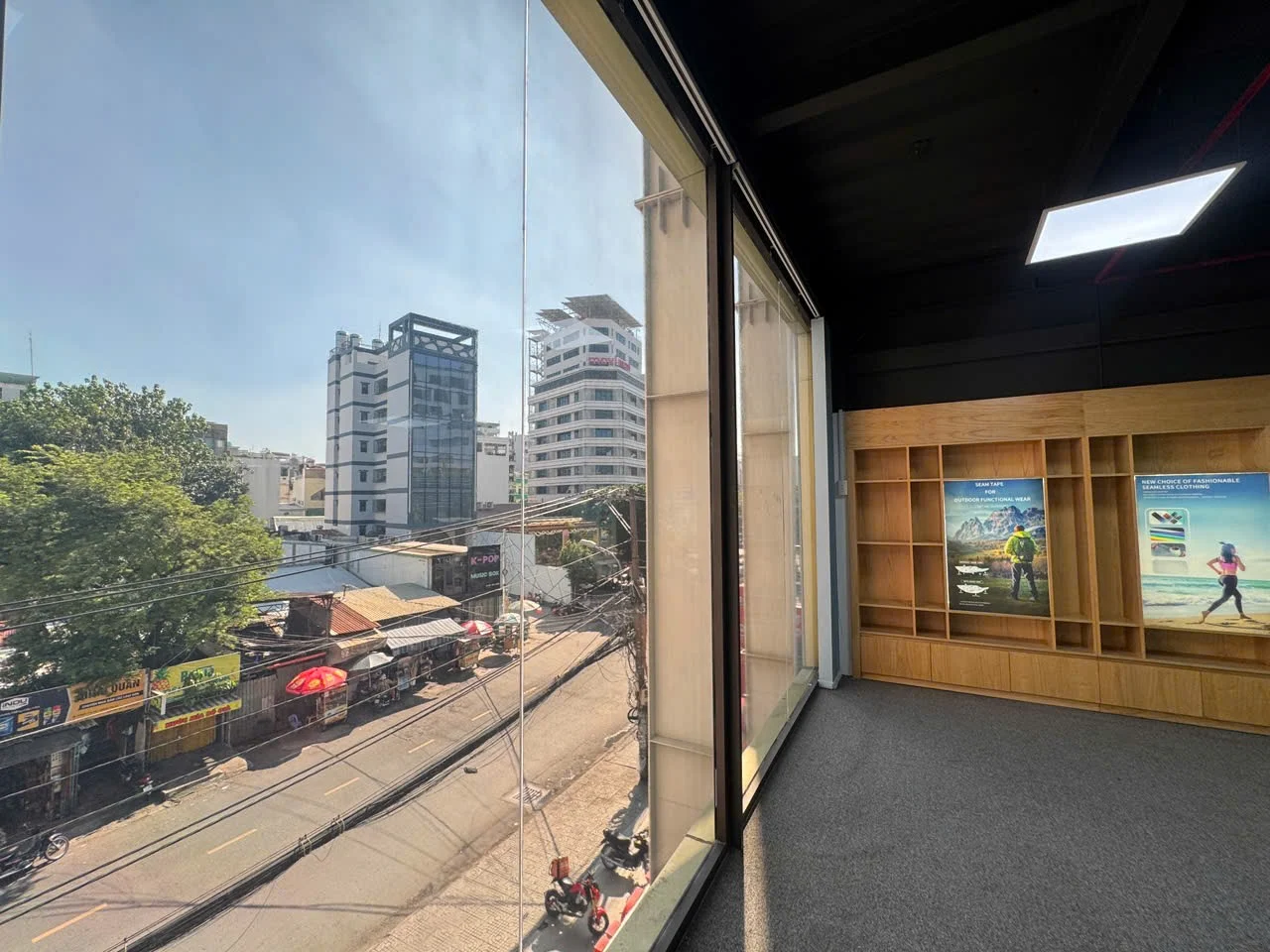
110 m2 Office Floor on Ung Văn Khiêm, Bình Thạnh, HCMC
Contact for price
- 110 m²
- Thanh My Tay, Binh Thanh, Ho Chi Minh City
Lease Term and Tenant Profile
Longer lease terms usually work in your favour. Landlords value stability and may reduce the deposit from 3 months to 2 months for a 3-year term, or even lower for a 5-year commitment. Short-term leases (under 12 months) often carry higher deposits or require full payment upfront. Your tenant profile also matters: foreign-invested companies are sometimes asked for larger deposits because landlords perceive higher risk, while established local companies with strong financials may negotiate lower amounts. Be prepared to provide company documents and references to support your position.
Market conditions play a role as well. In periods of high vacancy, landlords may accept lower deposits to secure tenants; in tight markets, they can insist on standard terms. Keep an eye on supply in your target area and use it in negotiations.
Typical Deposit Ranges by District and Building Grade

When you rent office Ho Chi Minh City landlords usually quote the office rental deposit as a number of months' rent, and the figure moves with both the district and the building grade. The ranges below are indicative only; treat them as a starting point for your budget rather than a fixed rule, and always confirm the exact terms in the draft lease.
Indicative Deposit Ranges at a Glance
| Area | Building Grade | Typical Deposit |
|---|---|---|
| District 1 (CBD) | Grade A | About 3 months' rent |
| District 1 (CBD) | Grade B | 2-3 months' rent |
| District 2 / Thu Duc City | Grade A | About 3 months' rent |
| District 2 / Thu Duc City | Grade B | 2-3 months' rent |
| District 7 (Phu My Hung) | Grade B | 2-3 months' rent |
| District 7 (Phu My Hung) | Grade C | 1-2 months' rent |
| Binh Thanh, Tan Binh, District 3 | Grade B | 2-3 months' rent |
| Outer districts | Grade C | 1-2 months' rent |
Grade A, B and C in Practice
Grade A towers, mostly in the CBD and newer Thu Duc City developments, generally ask for around three months' rent as security. Grade B buildings, the broad middle of the office space for rent market, commonly sit at two to three months. Grade C and older or smaller buildings often accept one to two months, which helps smaller tenants manage upfront cash.
These figures vary by landlord, lease length and tenant profile, and a commercial lease Vietnam negotiation can shift them. Shorter leases or strong covenants may reduce the deposit, while long terms with fit-out allowances may push it up. Always check the refund clause before signing.
How to Negotiate Your Office Deposit
Deposits for an office for rent in Ho Chi Minh City are rarely fixed in stone. Landlords in competitive buildings, especially Grade A and newer Grade B towers, often have room to move — particularly when the tenant is creditworthy and willing to commit to a longer term. The key is to negotiate before you sign anything and to get every concession in writing.
Negotiation Strategies
Start with the lease term. A three- to five-year commitment is valuable to a landlord and is the strongest lever you have to reduce a deposit from the typical two to three months' rent down toward one to two months. For long-term leases, ask directly whether a lower deposit applies.
Another common approach is to offer a slightly higher monthly rent in exchange for a smaller upfront deposit. This improves the landlord's cash flow and reduces your initial capital outlay — useful for startups and new market entrants. Run the numbers over the full lease term before agreeing, because a small rent increase can outweigh the deposit saving over several years.
If the landlord is hesitant, propose a trial period of three to six months at the standard deposit, then request a reduction or partial refund once you have demonstrated reliable payment and good fit-out behaviour. Some landlords will agree to this in principle; make sure the trigger conditions are specific.
What to Include in the Contract
Your commercial lease in Vietnam should state the deposit amount, currency, payment date and method, and the exact conditions for refund — including notice periods and how deductions for damage or unpaid rent are calculated. Specify whether the deposit offsets the final months' rent or is returned separately.
If anything is unclear, or the amounts are significant, seek advice from a Vietnamese commercial lawyer before signing. A short legal review of the office lease deposit clause is far cheaper than a disputed refund later.
Common Mistakes to Avoid When Paying an Office Deposit
Most deposit disputes we see in Ho Chi Minh City start with a small oversight at signing. Avoiding these five mistakes will save you far more than the time they take to fix.
Skimming the refund conditions
The deposit clause is often buried in an annex or a Vietnamese-language version of the lease. Read every line on when the deposit is forfeited, what counts as normal wear and tear, and whether restoration obligations are vague. If a term is unclear, ask for it to be rewritten in plain language before you pay.
Paying without proof
Cash payments are common in this market, but they leave you exposed. Always obtain a signed receipt showing the amount, date, payer, property and purpose, ideally on company letterhead and stamped. For bank transfers, keep the confirmation and make sure the account name matches the contracting party.
Not knowing who holds the money
Confirm in writing whether the landlord or a broker holds the deposit. If it is an agent, ask for a tri-party acknowledgment so the landlord is bound by the arrangement. Otherwise you may find both sides denying responsibility at refund time.
Ignoring currency risk
Deposits are usually quoted in VND, sometimes in USD. State the currency, the exchange rate basis and the refund currency in the contract, because a large movement over a multi-year term can change the effective value of your office rental deposit.
Skipping the refund schedule
Do not accept an open-ended "within a reasonable period." Propose a clear timeline, such as a set number of days after handover and utility clearance, and tie it to a deduction statement. When you rent office Ho Chi Minh City space, this single clause prevents most end-of-lease arguments.
Deposit Refund Process and Dispute Resolution
Refund Timeline
After your office lease ends, the deposit refund usually follows a set timeline. In most leases, the landlord must return the deposit within a specified period after the handover date, often 15 to 30 days. However, this can vary depending on the contract and the landlord's internal processes. Always check your lease for the exact refund timeline, as it is a key term in any office lease deposit agreement.
To qualify for a full refund, you must meet several conditions: no damage beyond normal wear and tear, proper notice of termination as per the contract, and full payment of all outstanding rent and utility bills. Additionally, you should ensure that the office is returned in the same condition as when you moved in, except for agreed modifications. A detailed handover checklist, signed by both parties at move-in and move-out, is crucial to avoid disputes over damages.
Resolving Disputes
If the landlord refuses to refund the deposit without valid reason, start by reviewing your contract and gathering evidence, such as the handover checklist, receipts, and correspondence. Send a formal written request for the refund, citing the relevant clauses. If this fails, you may seek mediation or escalate the matter.
For formal dispute resolution, the Vietnam International Arbitration Centre (VIAC) is an option if your contract includes an arbitration clause. Otherwise, you can file a claim in the local courts. However, legal action can be time-consuming and costly, so it is often best to negotiate first. Remember that when you rent office Ho Chi Minh City, a clear contract and thorough documentation are your best protection.
Key Takeaways on Office Deposits in Ho Chi Minh City
Understanding the deposit requirements for an office for rent in Ho Chi Minh City is essential for budgeting and protecting your business. Deposits typically range from one to three months' rent, influenced by factors such as location, building grade, lease term, and market conditions. Always negotiate terms, document everything, and know your legal rights under Vietnam's Civil Code.
Ready to find your ideal office space? Browse our listings of office for rent in Ho Chi Minh City to compare options and secure a lease that fits your needs.
Frequently asked questions
How much deposit is typically required for an office for rent in Ho Chi Minh City?
The deposit for an office for rent in Ho Chi Minh City usually ranges from two to three months' rent. However, it can be as low as one month for Grade C buildings or as high as three months for Grade A spaces. The exact amount depends on the building grade, location, lease term, and negotiation. Always confirm the deposit terms in the lease agreement before signing.
Can I negotiate a lower deposit for a long-term office lease?
Yes, you can often negotiate a lower deposit for a long-term lease. Landlords may accept one to two months' rent instead of three if you commit to a longer term (e.g., three years or more) or pay rent quarterly in advance. Highlight your financial stability and willingness to sign a longer contract as leverage during negotiations.
Is the deposit refundable if I terminate the lease early?
Typically, the deposit is refundable if you terminate early according to the lease terms, such as providing proper notice and paying any penalties. However, if you breach the contract, the landlord may retain part or all of the deposit. Always review the early termination clause carefully and negotiate clear refund conditions before signing.
What currency is the deposit usually paid in?
Deposits are usually paid in Vietnamese dong (VND), but some landlords, especially in international-grade buildings, may accept or require US dollars. The lease agreement should specify the currency and the exchange rate to be used for refunds to avoid disputes. It's advisable to pay in VND unless you have a specific reason to use USD.
Are there any legal protections for tenants regarding deposits in Vietnam?
Yes, Vietnam's Civil Code and the Law on Real Estate Business provide protections for tenants. The deposit must be stated in the lease agreement, and landlords cannot arbitrarily withhold it. If a dispute arises, tenants can seek resolution through negotiation, mediation, or arbitration (e.g., VIAC) and ultimately the local courts. Always keep written records and receipts.