
Office Fit-Out Costs in Ho Chi Minh City: 2026 Guide

Office fit-out costs in Ho Chi Minh City typically range from USD 150 to USD 600 per square meter, depending on the scope, quality, and location. This guide breaks down the key cost drivers, typical expenses, and practical ways to save money without compromising quality, helping expats and businesses plan their office rental and fit-out budget effectively.
What Is an Office Fit-Out and Why It Matters in Ho Chi Minh City

An office fit-out is the process of designing and constructing the interior of a leased office space so that it becomes functional, comfortable and aligned with your brand. It covers everything from space planning and partitions to flooring, lighting, MEP systems, meeting rooms and reception areas. In short, it turns a bare shell or a previous tenant's layout into a workplace your team can actually use.
Because most offices in HCMC are leased rather than owned, the fit-out is usually the tenant's responsibility, carried out under the landlord's building rules. That makes early planning essential, especially for expat businesses that may be less familiar with local approval procedures and contractor practices.
Fit-Out vs. Renovation
The two terms are often used interchangeably, but they describe different starting points. A fit-out typically applies to a new lease, where the space is handed over as a bare shell, a warm shell or a recycled layout that needs to be rebuilt for your needs. A renovation, by contrast, upgrades or reconfigures an office that is already in use.
Renovation work often focuses on refreshing finishes, adjusting layouts or replacing worn systems, and it usually involves less structural change. A full fit-out is broader: new partitions, ceilings, electrical and data cabling, HVAC adjustments, furniture and signage. Knowing which one you need shapes both your timeline and your office interior construction costs.
Why Fit-Out Is Critical for Your HCMC Office
For foreign-invested companies, a well-executed fit-out supports compliance with building management requirements and local safety expectations, which should always be verified with your landlord and a qualified contractor. It also determines how productive the space is day to day: noise control, meeting room capacity, natural light and airflow all depend on design decisions made before construction begins.
Fit-out is also where company culture becomes visible, from the reception impression to the way teams are seated. Budgets vary widely depending on scope, specification and the district you choose, so it is worth comparing office space rental HCMC options and their condition before committing.
Most projects follow a predictable sequence: concept and detailed design, permits and landlord approvals, construction and installation, then handover and snagging. Clear coordination between your office design and build partner and the building management team keeps this sequence on track.
Key Factors That Influence Office Fit-Out Costs in Ho Chi Minh City
No two office fit-outs in HCMC cost the same. Before you compare quotes, it helps to understand which variables move the budget most — and which ones you can actually control.
Size and Layout
Larger floor plates usually mean a lower cost per square metre, because fixed costs such as design, project management and site setup are spread over more space. Awkward layouts — long narrow floors, many columns, or odd-shaped rooms — add labour and waste. Open-plan layouts with standardised workstations are typically the most economical.
Quality of Materials and Finishes
Flooring, ceilings, partitions, lighting and joinery drive a large share of the total. Local materials and standard systems keep costs down; imported finishes, custom millwork and feature ceilings push them up quickly. Specify where quality is visible to staff and clients, and save on back-of-house areas.
Location and Building Grade
Location affects logistics more than most tenants expect. A project in District 1 may face tighter loading hours, limited parking for workers and stricter building rules, while District 7 or Binh Thanh often allows easier access and longer working hours. Grade A buildings typically impose stricter design approvals, higher management and deposit fees, and mandatory contractor registration; Grade B buildings are usually more flexible. Always confirm building regulations and management fees in writing before finalising your budget.
Scope of Work
MEP (mechanical, electrical and plumbing) upgrades, IT and cabling infrastructure, security, furniture and AV each add to the total. A cosmetic refresh is very different from a full office renovation Ho Chi Minh City style with new air-conditioning, power capacity and structured cabling. Define the scope clearly with your fit-out contractors Ho Chi Minh City shortlist so quotes are comparable.
| Fit-out level | Typical cost range per m² (estimate) | What it usually includes |
|---|---|---|
| Basic | Low | Repainting, minor partitions, standard lighting, basic furniture |
| Medium | Moderate | New ceilings and flooring, meeting rooms, MEP adjustments, mid-range furniture |
| High-end | High | Custom design, imported finishes, upgraded MEP and IT, premium furniture and AV |
These ranges are indicative only and vary by building, scope and market conditions; always request itemised quotes.
Quotes are commonly issued in VND or USD, and currency movements can affect the price of imported materials between signing and delivery. Fixing the exchange basis in your contract helps avoid surprises.
If you are still choosing a base, reviewing office space rental HCMC options in different districts early can reveal how much of your budget should go to location versus fit-out.
Breakdown of Office Fit-Out Costs: Design, Construction, and More
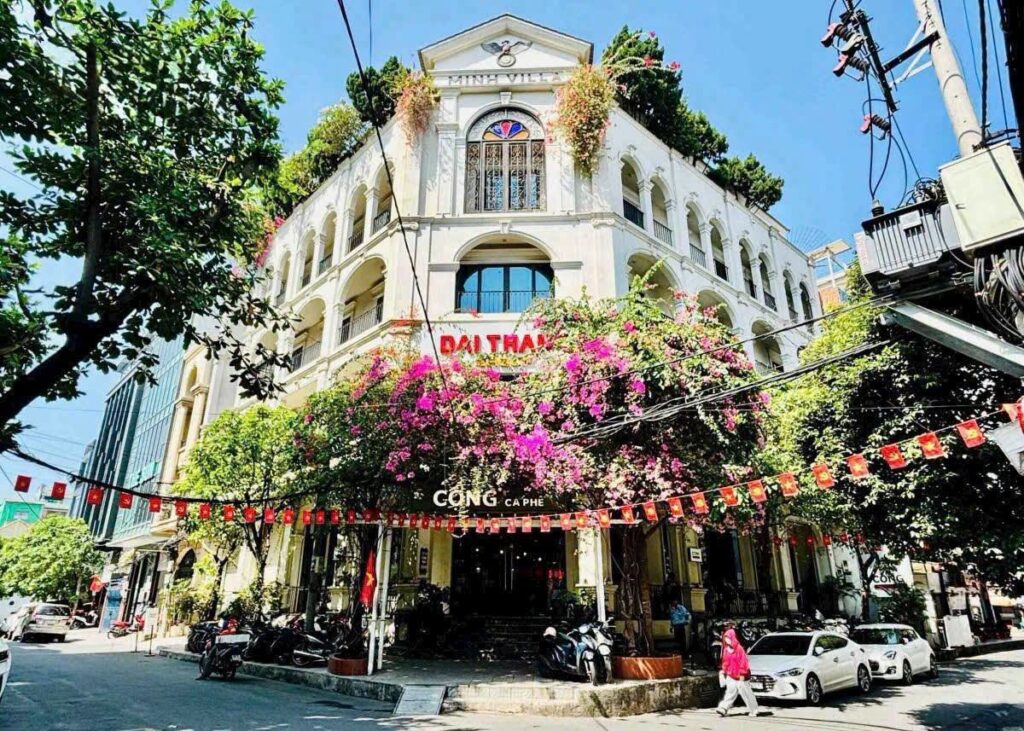
When budgeting office fit-out costs Ho Chi Minh City projects, it helps to split the total into clear categories. The percentages below are typical ranges for HCMC projects in 2026; actual shares shift with scope, building grade and specification level, so treat them as a planning guide rather than a fixed rule.
| Cost category | Typical share of total budget |
|---|---|
| Design fees | 5–10% |
| Construction and installation | 50–60% |
| MEP systems | 10–15% |
| Furniture and equipment | 15–25% |
| Permits and legal fees | 2–5% |
| Contingency | 10–15% |
Design Fees
Design is usually priced either per square metre or as a percentage of construction cost, with the percentage approach more common on larger or higher-specification projects. Fees typically cover concept design, detailed design and construction drawings, and sometimes also 3D visuals, material schedules and site supervision. Confirm exactly what is included, because a low design quote that stops at concept stage often leads to variations later.
Construction and Installation
This is the largest category and covers demolition of the previous layout, partitioning and drywall, flooring, ceilings, lighting, electrical, plumbing, HVAC adjustments and painting. Costs rise with the amount of glazed partitioning, acoustic treatment, custom joinery and raised floors. In older buildings, demolition and making good existing services can add noticeably to the bill.
MEP Systems
Mechanical, electrical and plumbing work is often quoted separately from general construction. It includes power distribution, data cabling, air-conditioning ducting and diffusers, fire alarms, sprinklers and sanitary works. Landlord rules on metering and after-hours work can affect both cost and schedule, so clarify them before tender.
Furniture and Equipment
Workstations, ergonomic chairs, meeting tables, storage units and soft seating for breakout areas make up the furniture line. Imported brands carry higher prices and longer lead times; local suppliers can offer good value for standard items. Consider whether workstations are reused from your current office to reduce this category.
Permits and Legal Fees
Allow for building permits, fire safety approvals and any landlord or management fees for renovation. Fire safety documentation is a common source of delay in HCMC, so budget time as well as money. Requirements can change, so verify current procedures with your contractor or the building management.
Finally, set aside a contingency of 10–15% for unforeseen issues such as hidden defects or late design changes. Before finalising a budget, it is worth reviewing candidate premises; for example, this District 1 option suits companies comparing fit-out scope against rent.

184 m2 Grade B Office for Rent on Tran Quang Khai Street, District 1, HCMC
$22 / m²/month
- 184 m²
- District 1, Ho Chi Minh City
Typical Office Fit-Out Process in Ho Chi Minh City: Step by Step
Most fit-outs in HCMC follow a predictable sequence, but the pace depends heavily on building management, landlord approvals and how early permits are filed. The steps below reflect how office design and build Vietnam projects usually run in practice.
Step 1: Planning and Budgeting
Define headcount, meeting rooms, storage and growth space, then set a budget with a contingency of roughly 10–15%. On larger or multi-floor projects, appointing an independent project manager who reports to you rather than the contractor is often worth the fee.
Step 2: Hiring Contractors
You can choose a single design-and-build firm or split architecture and construction. Ask for business licences, construction permits held by the company, and references from similar offices in the same building grade. Compare at least three proposals on scope, not just price.
Step 3: Permits and Approvals
Interior works usually need approval from building management, and depending on scope you may also need sign-off from the Department of Construction and the Fire Police. Fire safety drawings are a common bottleneck, so submit early and keep copies of every approval.
Step 4: Construction
MEP, partitioning, ceilings and flooring run in parallel where possible. Insist on weekly site inspections and a shared progress log, and confirm delivery lead times for imported furniture before signing off on the schedule.
Step 5: Handover
Walk the site with a snag list, test air-conditioning, power and fire systems, and confirm the contractor has met building management rules on noise, waste and working hours. Get warranties and as-built drawings in writing.
For expats, language is the most common source of delay: contracts, permits and site instructions are often in Vietnamese. Use bilingual consultants or a translated contract, and specify payment milestones, penalties and dispute resolution clearly. Choosing a well-managed building early also reduces approval friction.
Buildings with experienced management teams, such as Grade A towers in District 1, tend to make the permit and handover stages smoother.

Office for rent on 159 Nguyen Du, District 1, HCMC
Contact for price
- 100 m²
- District 1, Ho Chi Minh City
How to Save on Office Fit-Out Costs Without Compromising Quality

Trimming your office fit-out costs Ho Chi Minh City budget rarely means choosing the cheapest option at every turn. It usually means planning earlier, negotiating harder and spending where it actually matters — MEP, safety and the things staff touch every day.
Negotiate with Your Landlord
In a competitive office space rental HCMC market, landlords in districts such as District 1, Thu Duc City and District 7 may offer rent-free periods or a fit-out contribution, especially for longer leases or larger floor plates. Ask what is standard for the building, get any contribution in writing and agree who owns the improvements at lease end.
Reuse and Upcycle
Existing partitions, ceiling grids, lighting and furniture can often be retained or refurbished rather than replaced. A good fit-out contractor Ho Chi Minh City team will survey what is reusable during the site visit, so ask for a reuse plan before demolition begins.
Choose Local Materials
Locally produced joinery, partitions, tiles and workstations cut both lead times and transport costs. Ask your contractor to present local equivalents alongside imported options and compare total installed cost, not just the unit price.
Phase Your Fit-Out
If you are growing, build out core areas first and leave meeting rooms or extra workstations for a later phase. Phasing reduces upfront capital and lets you match spend to actual headcount. Run a competitive tender with at least three fit-out contractors Ho Chi Minh City firms on a like-for-like scope, and lock the design early to avoid change orders, which are a common source of budget overruns.
Compare shell-and-core versus warm-shell space: warm shell often includes ceilings, lighting and basic MEP, which can lower your office interior construction costs but may limit design freedom. Ask your accountant about how fit-out investment is treated for tax and depreciation, as rules change and should be checked. Finally, never cut corners on MEP or fire safety — fixing these later typically costs far more than doing them right the first time.
Common Mistakes to Avoid When Planning Your Office Fit-Out in HCMC
Most problems on an office renovation Ho Chi Minh City project trace back to a handful of avoidable planning errors. Watch for these pitfalls before you sign anything.
Underestimating the Budget
Many tenants budget only for visible works and forget MEP upgrades, permits, furniture and a contingency. When surprises appear, teams cut corners or face cash-flow stress. Set aside a contingency of roughly 10–15% of the total and confirm what your landlord will fund versus what you must pay.
Ignoring Building Regulations
Each building has its own fit-out rules covering working hours, structural changes, fire safety and lift use. Overlooking them can lead to fines, forced rework or a suspended site. Ask the building management for their fit-out handbook early and share it with your fit-out contractors Ho Chi Minh City before design starts.
Choosing the Cheapest Bid
The lowest quote often hides thin MEP allowances, unclear exclusions or weak supervision. Check references on comparable projects, visit a completed site if possible, and verify licences and insurance. A detailed scope of work and timeline in the contract protects you far more than a low headline price.
Skipping Legal Permits
Fire approval and building permits can take weeks and vary by district and building type, so confirm current requirements with your contractor or a local adviser. Starting construction before approvals risks stop-work orders and rework. Build permit time into your schedule and keep communication with the landlord and contractor documented in writing.
Plan Your Office Fit-Out with Confidence
Understanding the factors that influence office fit-out costs in Ho Chi Minh City—from size and materials to location and scope—allows you to budget accurately and avoid common pitfalls. By negotiating with landlords, reusing existing elements, and phasing your project, you can achieve a high-quality fit-out that meets your business needs and budget.
Ready to find the perfect office space for your fit-out project? Browse our listings today to discover a wide range of options that suit your requirements.
Frequently asked questions
How much does an office fit-out cost per square meter in Ho Chi Minh City?
Office fit-out costs in Ho Chi Minh City vary widely based on quality and scope. Basic fit-outs typically range from USD 150 to 250 per square meter, medium from USD 250 to 400, and high-end from USD 400 to 600 or more. These figures include design, construction, MEP, and furniture, but exclude specialized equipment or IT infrastructure.
Do I need a permit for office fit-out in Ho Chi Minh City?
Yes, most office fit-outs require permits, especially if you alter the structure, electrical, or fire safety systems. You'll need a construction permit from the local People's Committee and fire safety approval. The process can take several weeks, so factor this into your timeline. Working with a local contractor familiar with regulations can streamline the process.
How long does an office fit-out take in Ho Chi Minh City?
A typical office fit-out in Ho Chi Minh City takes 8 to 16 weeks from design to completion, depending on size and complexity. Small projects under 200 square meters may finish in 6-8 weeks, while larger or high-end fit-outs can take 4-6 months. Permitting and material procurement often add to the timeline, so plan accordingly.
Can I use my own contractor for office fit-out in Ho Chi Minh City?
It depends on the building management's rules. Many office buildings in Ho Chi Minh City require contractors to be licensed and approved by the building, and some mandate using their in-house team for certain works. Always check your lease agreement and consult with the landlord before hiring your own contractor to avoid delays or penalties.
What is the difference between a fit-out and a renovation in Vietnam?
A fit-out refers to creating a functional office space from a shell or warm shell, including partitions, MEP, and finishes. A renovation involves upgrading or altering an existing, already fitted-out space. Fit-outs are common for new leases, while renovations are for updates or reconfigurations. Costs and permits differ, with fit-outs generally requiring more comprehensive planning.