Rent an Office in Ho Chi Minh City: A–Z Guide for Expats & Businesses

To rent an office in Ho Chi Minh City, you need to understand the city's diverse districts, office types, and rental terms. This guide provides expats and businesses with a step-by-step overview, from why the city is a prime location to how to negotiate a lease and avoid common pitfalls.
Why Rent an Office in Ho Chi Minh City?

Ho Chi Minh City is widely regarded as Vietnam's economic engine, home to a dense concentration of domestic firms, foreign-invested companies and a fast-growing startup scene. For many businesses, having a physical presence here signals credibility to clients, partners and investors. If you plan to rent an office in Ho Chi Minh City, you are joining a market that rewards proximity to customers, suppliers and talent.
Key advantages for businesses
The city's location supports regional trade, with Tan Son Nhat International Airport and major seaports within reach. Its workforce is young and increasingly skilled, particularly in IT, finance, logistics and professional services. Infrastructure is improving steadily, with new metro lines and office towers reshaping commute and business patterns, though timelines can shift and should be verified. Local authorities generally encourage foreign investment, and industrial zones and business parks outside the centre offer additional options.
Who benefits most
- Startups and SMEs value flexible, low-commitment space and access to a growing customer base.
- Multinational corporations often prioritise Grade A office buildings Ho Chi Minh City for prestige, security and reliable building management.
- Freelancers and remote workers benefit from co-working and serviced offices in Ho Chi Minh City that offer short terms and shared amenities.
Quick comparison of office types
| Type | Best for | Commitment |
|---|---|---|
| Serviced office | Small teams, new market entrants | Flexible, monthly to yearly |
| Co-working | Freelancers, very small teams | Hot desk or dedicated desk |
| Traditional lease | Established firms needing space | Typically multi-year |
| Virtual office | Registration address, remote teams | Low cost, minimal space |
Each option carries different costs and legal requirements, so compare them against your headcount, budget and growth plans before committing.
Best Districts for Office Rent in Ho Chi Minh City
Choosing the right district is one of the most important decisions when you rent an office in Ho Chi Minh City. Each area has its own character, rent levels, and advantages. Below is a breakdown of the most popular districts for office space for rent Ho Chi Minh City, with typical rent ranges and what each is best for.
District 1: The Central Business District
District 1 is the heart of Ho Chi Minh City's business and financial life. It hosts many Grade A office buildings Ho Chi Minh City, especially around Dong Khoi, Nguyen Hue, and Le Loi streets. Rents here are the highest in the city, but you gain prestige, proximity to government offices, banks, and five-star hotels. Expect typical rents from around 40–70 USD per square meter per month in Grade A buildings, though actual rates vary by building and floor. It is ideal for multinational corporations, law firms, and financial institutions.
District 3: Quiet Proximity to the Center
District 3 borders District 1 and offers a quieter, more residential feel while still being close to the CBD. The area has a mix of older villas and newer office towers, often at lower rents than District 1. Typical rents range from 25–45 USD per square meter per month. It suits companies that want a central location without the highest costs, such as NGOs, embassies, and professional services firms.
District 4: The Emerging Riverside Hub
District 4 is undergoing rapid development, with new office buildings and residential complexes rising along the Saigon River. It is just across the bridge from District 1, offering competitive rents—often 20–35 USD per square meter per month. The area is popular with startups, creative agencies, and businesses that want modern space at a lower cost.
District 7: Phu My Hung and Beyond
District 7, particularly Phu My Hung, is known for its modern, planned environment, international schools, and family-friendly amenities. Office space here is often in mixed-use developments with good parking and security. Rents are moderate, typically 20–35 USD per square meter per month. It is a good choice for expat-owned businesses and companies with staff who live in the area.
Thu Duc City: The Innovation Hub
Thu Duc City (formerly part of District 2, District 9, and Thu Duc District) is being developed as an innovation hub, with a focus on technology and education. It has a growing supply of office space, including serviced offices in Ho Chi Minh City, at lower rents—often 15–30 USD per square meter per month. It is ideal for tech startups, R&D centers, and companies that want to be near universities and high-tech parks.
Binh Thanh: Affordable and Accessible
Binh Thanh is located just north of District 1 and offers some of the most affordable office rents in the city, typically 15–25 USD per square meter per month. The area is seeing new office developments and is well-connected by major roads. It suits small and medium-sized enterprises, back-office operations, and startups looking for value.
| District | Typical Rent Range (USD/sqm/month) | Pros | Cons | Best For |
|---|---|---|---|---|
| District 1 | 40–70 | Prestige, central location, Grade A buildings | High rents, traffic congestion | Multinationals, financial firms |
| District 3 | 25–45 | Close to CBD, quieter, mix of buildings | Fewer new Grade A options | NGOs, professional services |
| District 4 | 20–35 | Emerging area, new developments, competitive rents | Limited amenities in some parts | Startups, creative agencies |
| District 7 | 20–35 | Modern, international schools, family-friendly | Far from CBD, limited public transport | Expat-owned businesses, families |
| Thu Duc City | 15–30 | Innovation hub, lower rents, growing supply | Developing infrastructure | Tech companies, startups |
| Binh Thanh | 15–25 | Affordable, near center, growing office supply | Less prestigious, mixed quality | SMEs, back-office operations |
When you rent an office in Ho Chi Minh City, consider your budget, image, and employee commute. Rents vary by building quality and location, so always verify current rates with a broker or landlord.
Types of Office Spaces Available

When you rent an office in Ho Chi Minh City, the first decision is not the district but the format. Each option below suits a different stage of business growth, budget and commitment level.
Serviced Offices
Serviced offices in Ho Chi Minh City arrive fully furnished with desks, chairs, internet, reception, cleaning and utilities bundled into one monthly fee. Terms are usually flexible, from a few months upward, and you can scale up or down as headcount changes. They cost more per square metre than a traditional lease but remove fit-out costs and admin hassle, which suits new market entrants and small teams.
Co-working Spaces
Co-working gives you a hot desk, a dedicated desk or a small private office inside a shared environment, often with meeting rooms, phone booths and event programmes. It is the cheapest way to establish a presence and a good source of networking with other founders and freelancers. Availability and pricing vary by operator and location, so compare a few before committing.
Traditional Office Lease
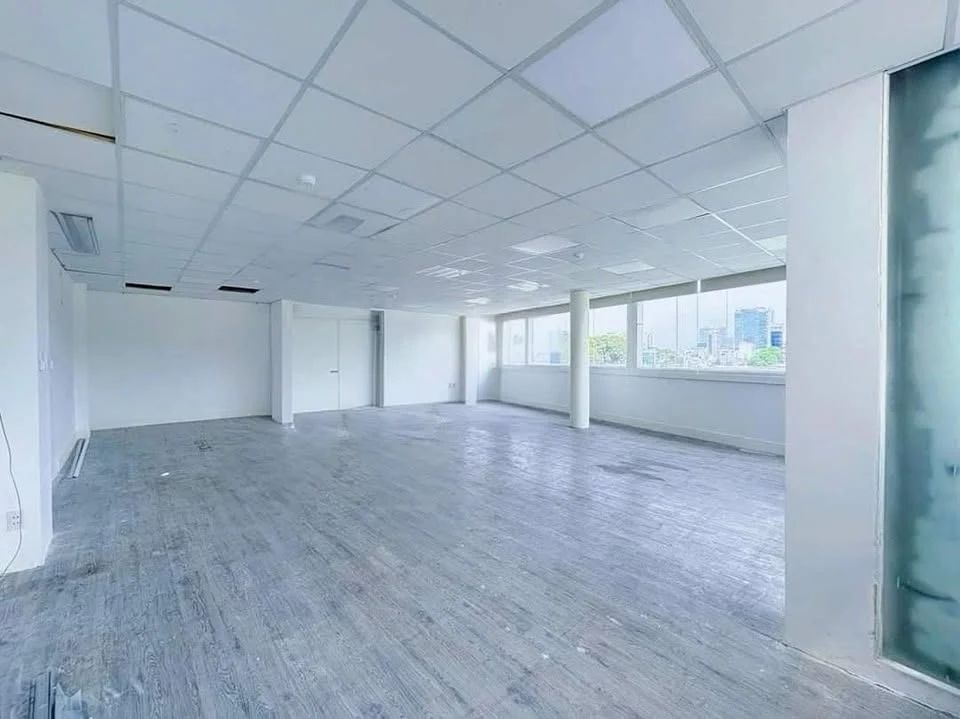
A traditional lease gives you exclusive use of a floor or suite on a multi-year term, usually with a fit-out allowance or rent-free period for negotiation. You control the design, branding and layout, but expect higher upfront costs for renovation, furniture and deposits. This format rewards businesses with stable headcount and a clear long-term plan.
Virtual Offices
A virtual office provides a credible business address, mail handling and occasional meeting room access without a permanent desk. It is useful for registration, correspondence and client meetings while your team works remotely or from home.
Building Grades Explained
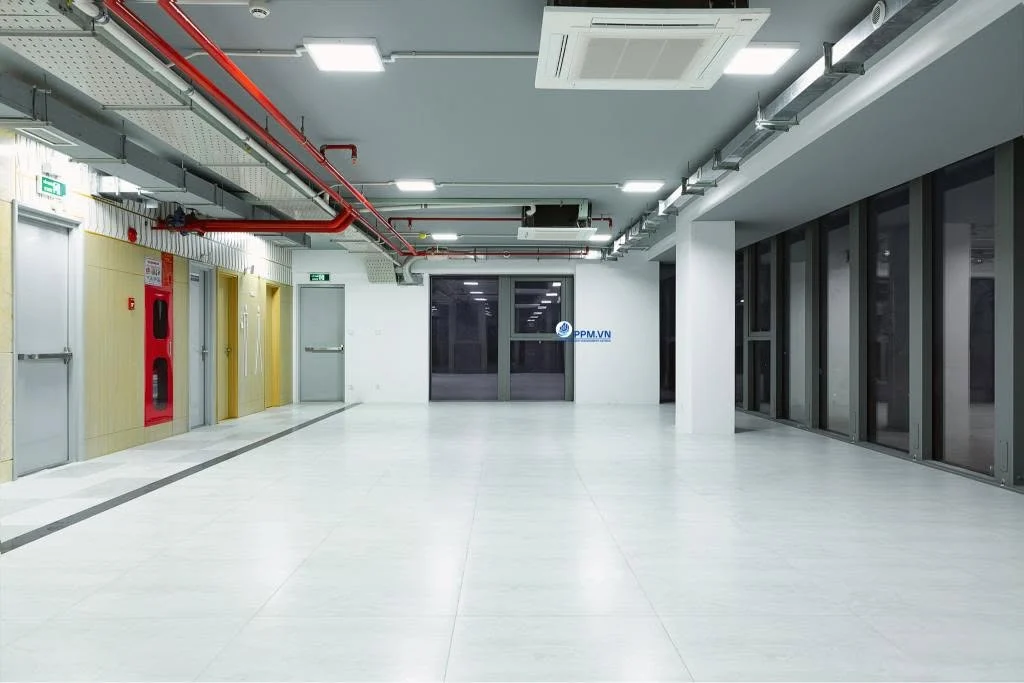
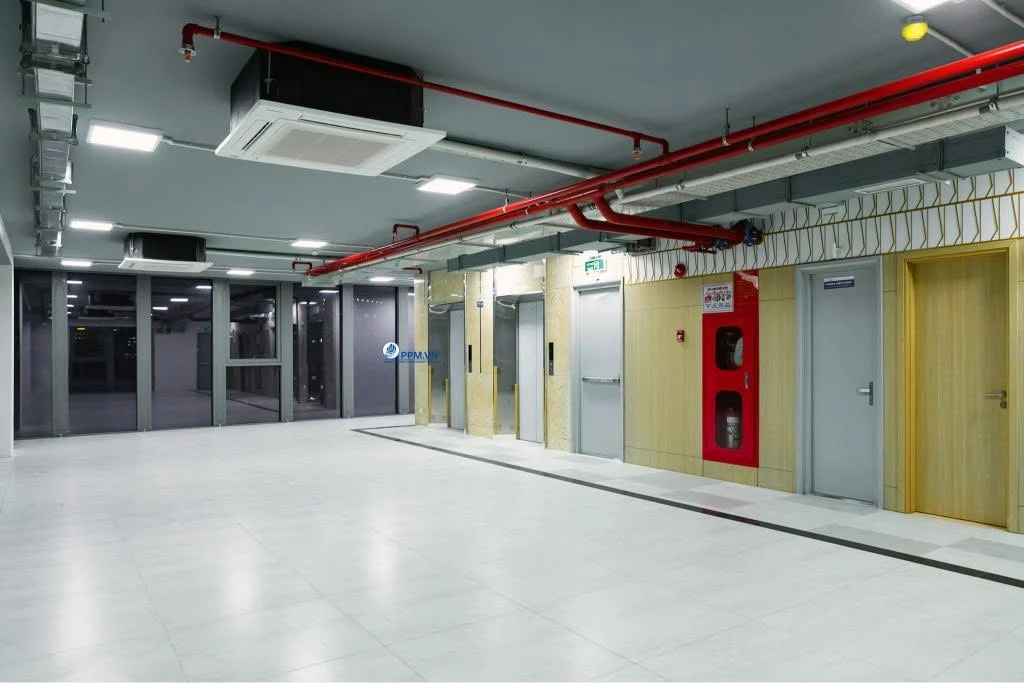
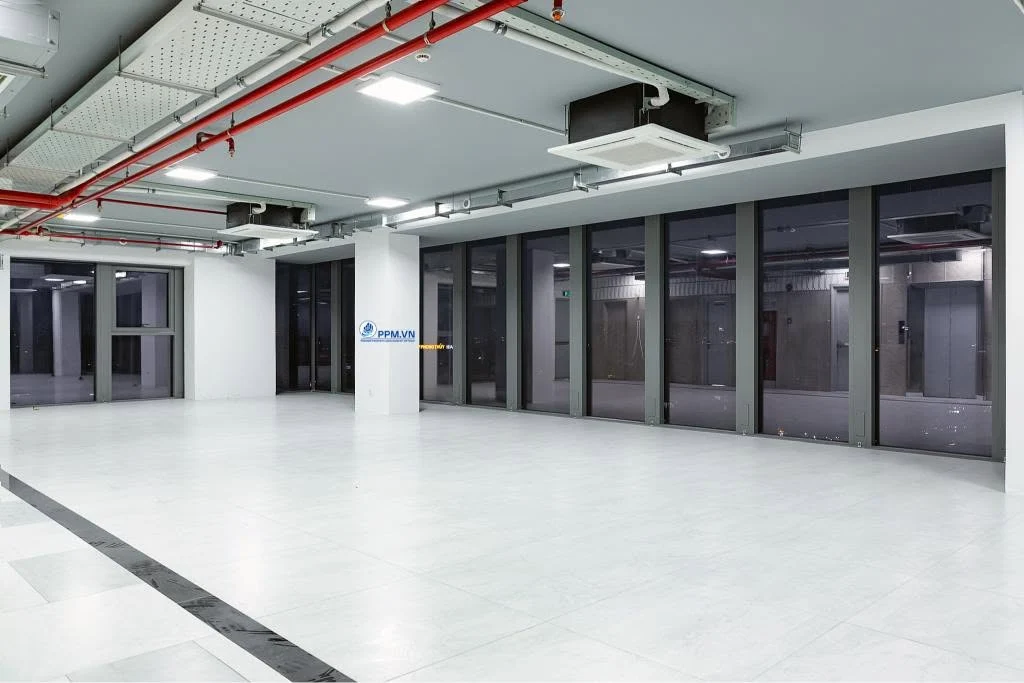
Grade A office buildings in Ho Chi Minh City are the newest and best specified, with strong lifts, backup power, professional management and central locations; rents are the highest. Grade B buildings are older but well maintained and offer a balance of price and location. Grade C buildings are basic and cheapest, often in older stock. Grades are a market convention rather than an official standard, so always inspect the building yourself.
As a rule of thumb: solo founders and small teams should start with co-working or a serviced office, growing companies can move into a Grade B lease, and established firms with predictable headcount should evaluate Grade A space for image and client access.
How Much Does It Cost to Rent an Office in Ho Chi Minh City?
Budgeting is where most first-time tenants get surprised. Office rental prices Ho Chi Minh City vary widely by district, building grade and lease type, so treat every figure below as a typical range to verify with landlords or brokers rather than a fixed quote.
Rental Price Ranges
Serviced offices in Ho Chi Minh City are usually priced per desk per month and bundle furniture, reception, meeting-room credits and utilities. Co-working desks are the cheapest entry point, while private serviced suites cost more per head but need almost no setup. Traditional leases in Grade A office buildings Ho Chi Minh City are quoted per square metre per month, typically on a gross or net basis, and usually require a fit-out.
As a rule of thumb, District 1 and the CBD command the highest rates, District 3 and Binh Thanh sit slightly lower, and District 4, District 7 and parts of Thu Duc City offer better value per square metre. Older Grade B and C buildings can be significantly cheaper than new Grade A towers in the same area.
Additional Costs to Budget For
- Service charge: often quoted separately from rent in traditional leases; confirm what it covers (cleaning, security, common areas, air-conditioning).
- Parking: motorbike and car slots are usually charged monthly and are rarely included.
- Utilities: electricity and water are metered or charged at building rates; serviced offices normally fold these into the fee.
- Internet and phone: dedicated lines may be billed separately, especially in traditional leases.
- Taxes and fees: VAT applies to most rentals, and stamp duty or registration costs may appear in the contract — check who pays.
Deposit and Payment Terms
A deposit of two to three months' rent is typical, with rent paid quarterly in advance for traditional office leasing in Ho Chi Minh City. Serviced offices usually ask for one month's deposit and monthly payment. Always confirm the currency, the exchange-rate mechanism and the notice period for renewal or termination.
Negotiation Tips
In softer buildings, landlords may offer a rent-free fit-out period, a contribution to interior works, or stepped rent in the first year. Ask for flexible break clauses and capped service-charge increases. Compare at least three options and put every concession in writing before signing.
| Factor | Serviced Office | Traditional Lease |
|---|---|---|
| Pricing basis | Per desk or suite per month | Per square metre per month |
| Upfront cost | Low; deposit of about one month | Higher; 2–3 month deposit plus fit-out |
| Utilities and internet | Usually included | Usually billed separately |
| Commitment | Flexible, monthly or short-term | Typically two to five years |
| Best for | Small teams, new market entrants | Established firms needing space and branding |
Step-by-Step Guide to Renting an Office

Whether you need a small serviced office or a long-term lease in a Grade A tower, a structured approach saves time and money. The steps below reflect how office leasing in Ho Chi Minh City typically works for expats and foreign-invested companies.
1. Define your requirements
Before contacting anyone, write down your headcount (plus room to grow), preferred districts, monthly budget ceiling, lease term and any must-haves such as meeting rooms, parking or a Vietnamese legal address. This brief keeps agents focused and makes shortlists easier to compare.
2. Research and shortlist
Use property portals and serviced office operators to build a longlist, then ask a reputable local agent to filter it. Confirm the quoted size (usable versus gross area) and whether the rate is per square metre per month or all-inclusive, so you compare like with like.
3. Schedule viewings
Visit at different times of day to check lift queues, parking, internet reliability, air conditioning and noise. Look outside too: nearby restaurants, banks and transport links matter for staff and clients.
4. Negotiate and review the lease
Negotiate rent, service charges, fit-out period and renewal options, then read the agreement carefully. Check termination clauses, deposit refund conditions, maintenance responsibilities and whether the landlord or you handle registration of the office address.
5. Prepare documents
Landlords and serviced office providers usually ask for your business registration certificate, legal representative ID or passport, and recent financial statements. Requirements vary, so confirm the exact list in advance.
6. Sign and pay
Sign the lease, pay the deposit (commonly one to three months, but this varies) and settle the first rent and service charges. Get stamped receipts and a signed copy for your records.
7. Move in and set up
Register utilities, arrange internet, set up access cards and update your business address where required. A short handover checklist with the landlord prevents disputes later.
Tips and Mistakes to Avoid When Renting an Office
Even with a clear brief and a shortlist in hand, small oversights can turn a good office deal into an expensive lesson. Keep these tips and common mistakes in mind when you rent an office in Ho Chi Minh City.
Tips for a Smoother Search
- Start early, especially for prime locations. Desirable space in District 1 and District 3 can be taken quickly. Begin your search at least two to three months before your target move-in date; longer if you need a large or Grade A space.
- Plan for growth. Estimate headcount 12–24 months ahead. Ask whether the landlord can offer expansion space or flexible terms, so you avoid a costly move later.
- Check building management and security. Visit at different times, review access control, fire safety, lift waiting times, and cleaning standards. Good management affects daily operations more than glossy finishes.
- Work with a reputable agent. A licensed agency with local experience can shortlist suitable buildings, explain typical lease terms, and help you avoid misunderstandings with landlords.
Mistakes to Avoid
- Overlooking hidden costs. Service charges, parking, utilities, and VAT can add a significant amount to the headline rent. Ask for a full monthly cost breakdown before you compare options.
- Not negotiating lease terms. Rent is only one part of the deal. Discuss rent-free fit-out periods, deposit size, renewal options, and exit clauses; terms vary by landlord and should be confirmed in writing.
- Ignoring legal and tax implications. Foreign businesses should confirm whether they need a local entity, a representative office, or a serviced office arrangement, and how VAT and withholding tax apply. Seek professional advice, as rules can change.
Treat the lease as a long-term partnership: read every clause, keep a written record of agreements, and budget for costs beyond rent.
Conclusion
Renting an office in Ho Chi Minh City offers immense opportunities for businesses of all sizes, but success requires careful planning. By understanding the city's key districts, office types, cost structures, and legal requirements, you can secure a space that supports your growth and fits your budget.
Ready to find your ideal office? Browse our listings today and discover the perfect workspace for your business in Ho Chi Minh City.
Frequently asked questions
What is the average rent for an office in Ho Chi Minh City?
Average rent varies widely by district and office type. In the CBD (District 1), Grade A offices can range from $30 to $50 per square meter per month, while Grade B and C offices are lower. Serviced offices and co-working spaces typically charge per desk, starting from around $150 to $300 per month. Outer districts offer more affordable options.
Do I need a Vietnamese business license to rent an office?
Yes, to sign a lease in your company's name, you generally need a Vietnamese business license or investment certificate. However, serviced offices and co-working spaces often allow individuals or foreign companies without a local entity to rent on flexible terms. For long-term traditional leases, establishing a legal entity is usually required.
What is the difference between serviced offices and traditional leases?
Serviced offices are fully furnished and include utilities, internet, cleaning, and reception services in the rent, with flexible terms (monthly or yearly). Traditional leases typically involve renting unfurnished space for a longer term (3-5 years), with the tenant responsible for setup, utilities, and management. Serviced offices cost more per square meter but offer convenience and lower upfront costs.
How long does it take to rent an office in Ho Chi Minh City?
The timeline varies. Serviced offices and co-working spaces can be arranged within days, sometimes immediately. Traditional leases take longer, often 1-3 months, due to property search, negotiation, legal due diligence, and paperwork. Working with a reputable agent can expedite the process.
Can foreigners rent office space in Ho Chi Minh City?
Yes, foreigners can rent office space. However, to sign a lease in a company's name, you typically need a Vietnamese business license. Many serviced offices and co-working spaces cater to foreign individuals and companies without a local entity, offering flexible terms. For traditional leases, it's advisable to seek legal advice on setting up a local entity.